


Ultra Hydrating Shampoo in India
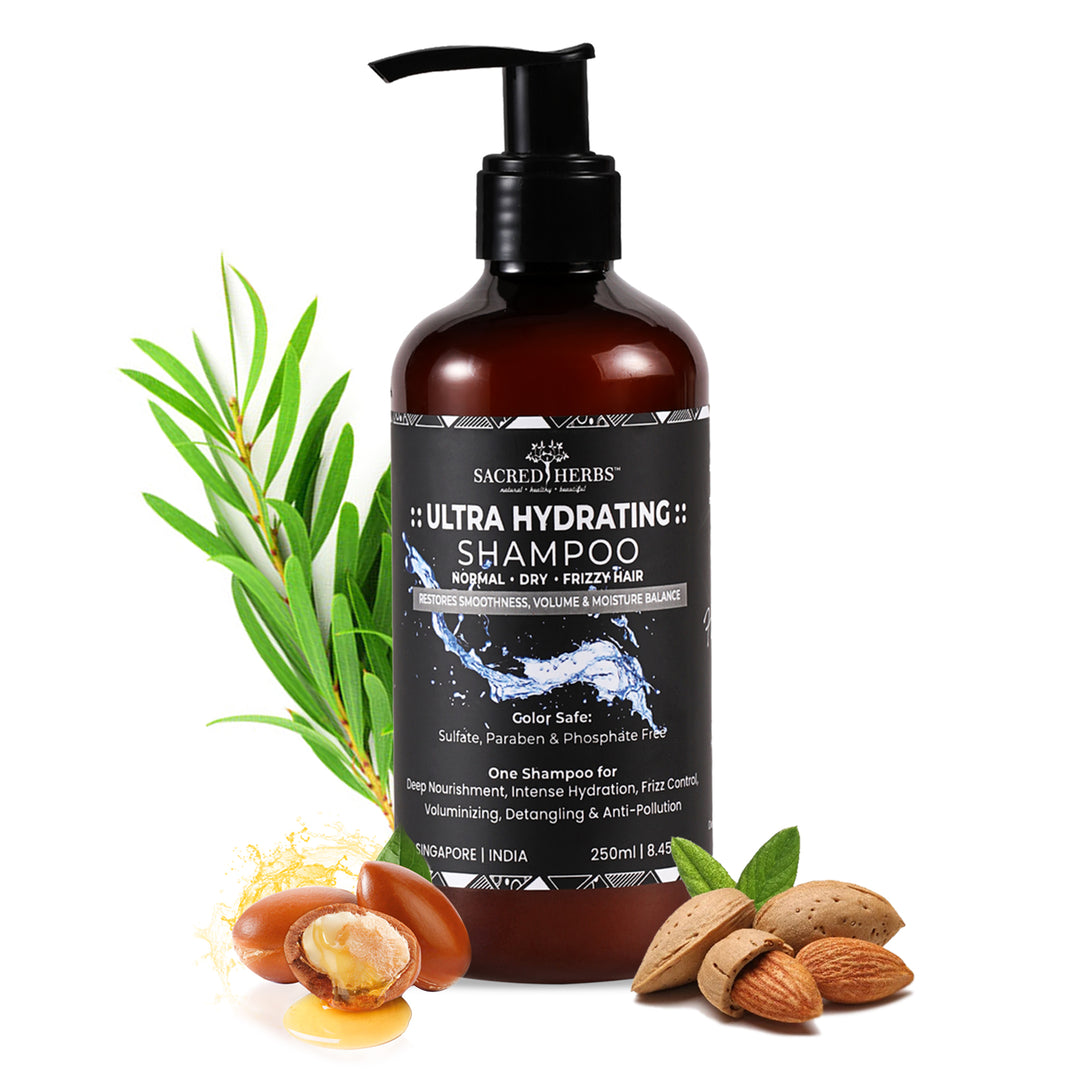
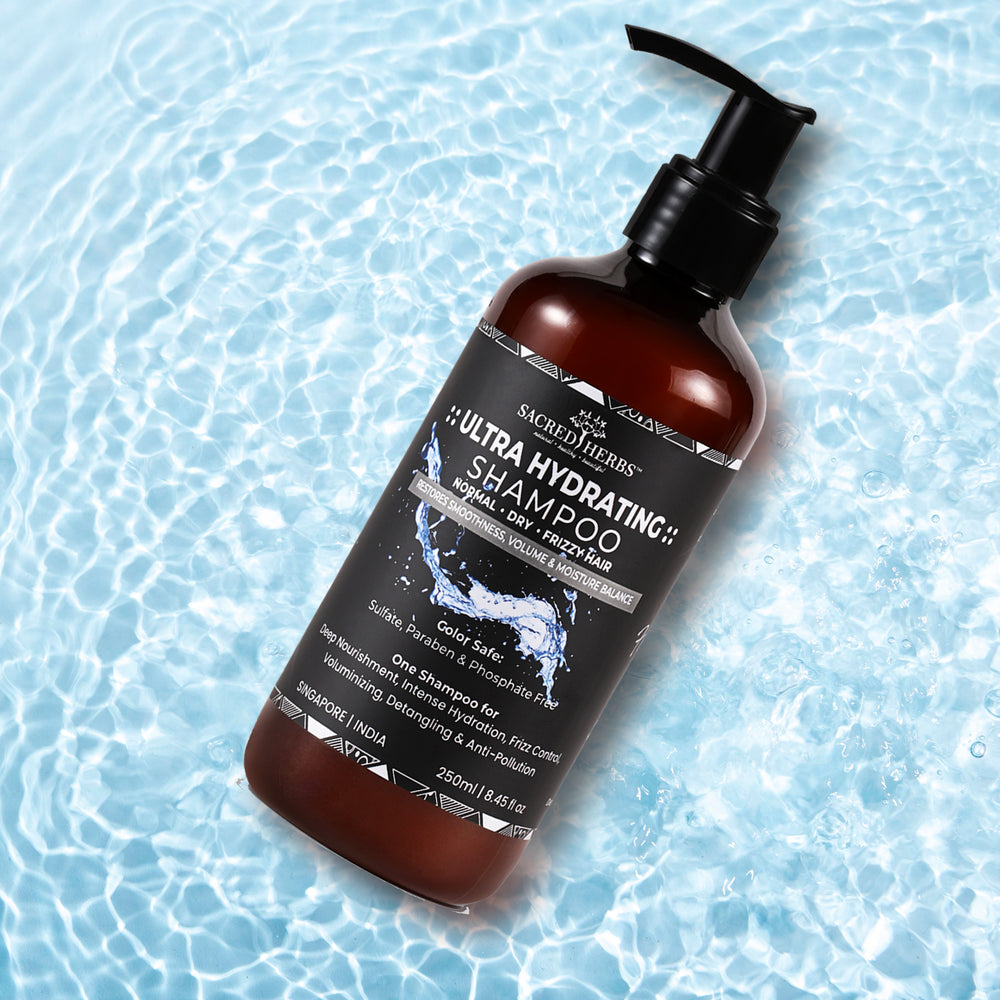
Ultra Hydrating Shampoo: What Your Dry Scalp and Hair Have Been Waiting For
Most Indian consumers think of shampoo as a cleanser. You use it to remove oil,... Read More
Ultra Hydrating Shampoo: What Your Dry Scalp and Hair Have Been Waiting For
Most Indian consumers think of shampoo as a cleanser. You use it to remove oil, dirt, and product buildup, and then you move on. This is accurate as far as it goes, but it misses a significant part of what a well-formulated shampoo can do, particularly for hair that is chronically dry, frizzy, or weakened by hard water, heat, or color processing.
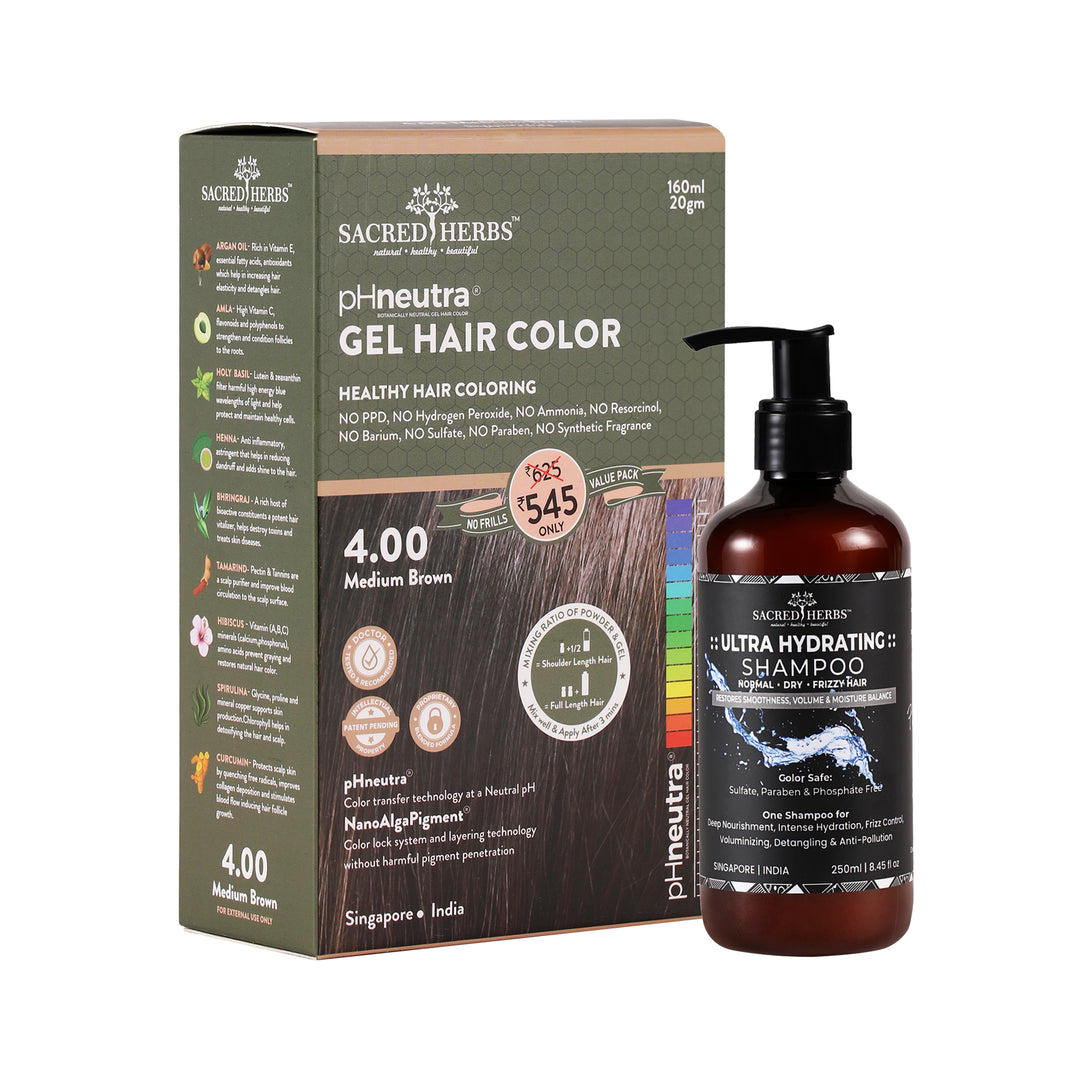
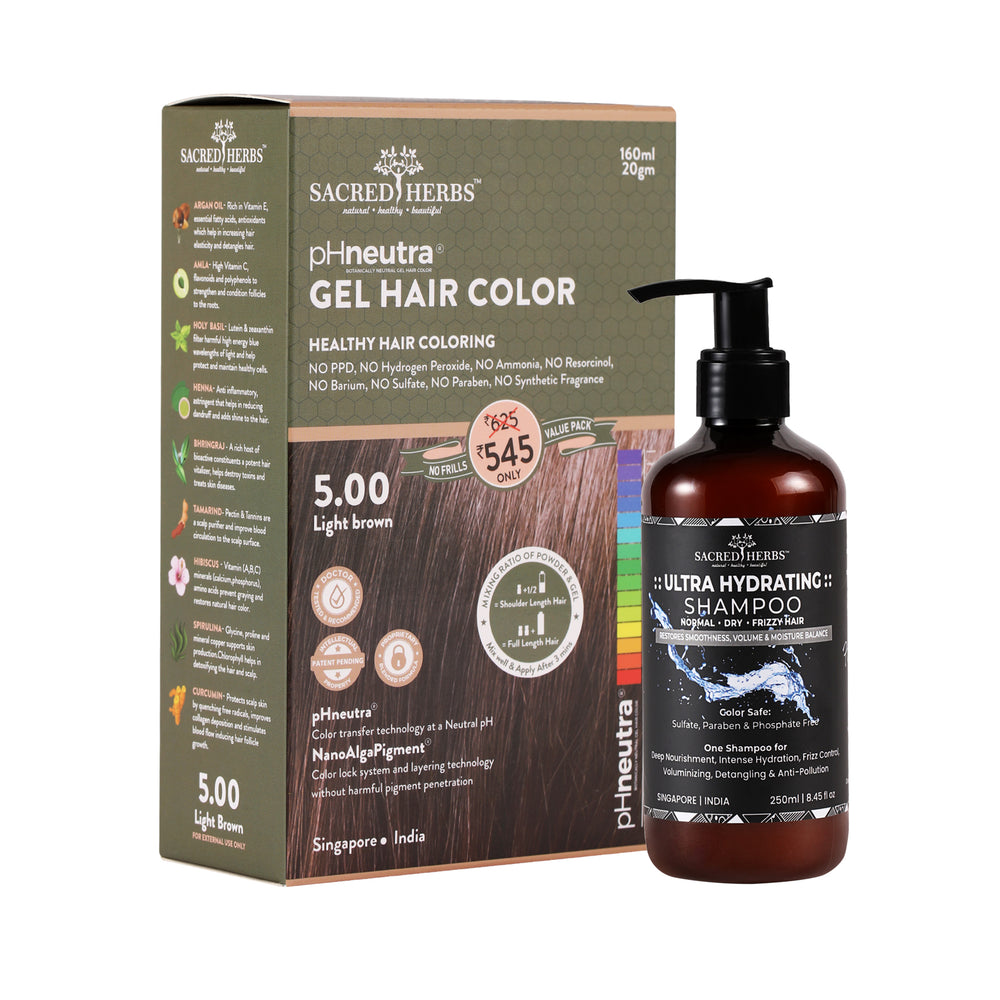
Ultra-hydrating shampoo in India is a category that deserves more attention than it currently gets. It is not simply a moisturizing shampoo with a premium label. A genuinely ultra-hydrating formula changes the behaviour of the hair through every wash, making the hair easier to manage, more resilient over time, and less dependent on heavy post-wash products to look and feel acceptable.
Here is everything you need to know to find and use the right ultra hydrating shampoo for Indian hair conditions.
The Specific Problem with Dry Hair in India
Hard Water Is a Bigger Issue Than Most People Realize
India's urban water supply carries high mineral concentrations in most cities. Calcium and magnesium ions from hard water deposit on the hair shaft with every wash, creating a mineral film that makes hair feel rough, dull, and resistant to conditioning products. This mineral buildup progressively worsens with each wash, interfering with both the feel of the hair and the effectiveness of any hydrating product applied afterwards.
A shampoo that does not address this mineral issue, or at least does not compound it, is starting at a disadvantage in most Indian homes.
Seasonal Extremes and Air Conditioning
Indian summers are harsh. Direct sun exposure raises the temperature of the hair shaft, accelerating moisture loss. Air conditioning, used extensively in urban India, creates dry indoor air that pulls moisture from the hair and scalp continuously. The result is hair that is constantly fighting against environmental dehydration from multiple directions.
The Sulfate Problem
The most common shampoos sold in India, including many popular and widely advertised brands, contain sodium lauryl sulfate or sodium laureth sulfate as primary cleansing agents. These surfactants cleanse aggressively, which is part of why they create such a satisfying lather. But they also strip the hair's natural oils and disrupt the scalp's moisture balance with every use. For hair that is already dry, using a high-sulfate shampoo repeatedly is the equivalent of dehydrating an already thirsty system.
What Makes an Ultra-Hydrating Shampoo Different
Gentle Surfactant Systems
An ultra-hydrating shampoo replaces harsh sulfates with gentler, plant-derived cleansing agents. Ingredients such as coco-glucoside, decyl glucoside, and sodium cocoyl isethionate cleanse effectively without stripping. They remove dirt and product buildup while leaving the hair's natural protective layer largely intact.
Humectant Ingredients
Humectants attract moisture from the environment and draw it into the hair fiber. The most effective humectants in ultra-hydrating hair care formulations include:
-
Aloe vera gel
-
Glycerin
-
Honey or honey extract
-
Hyaluronic acid (in newer formulations)
-
Panthenol (provitamin B5)
Each of these works by binding water molecules and holding them within or on the hair shaft, reducing the rate at which moisture evaporates between washes.
Emollient Botanical Oils
Emollients smooth the cuticle surface and fill micro-gaps in the hair fiber, reducing friction and improving the feel of the hair. Plant-derived emollients commonly used in ultra hydrating shampoos include:
-
Coconut oil or coconut-derived extracts
-
Argan oil
-
Amla oil
-
Jojoba oil
-
Hibiscus seed oil
These ingredients do not make the hair greasy when formulated correctly into a shampoo. They contribute to softness and manageability rather than heaviness.
Scalp-Supporting Botanicals
The scalp is the source of the hair's natural oil supply. An ultra-hydrating shampoo should support the scalp's health as well as the hair's moisture needs. Botanical ingredients like bhringraj, neem, and shikakai have long traditions in Indian scalp care and can be included in hydrating formulations without compromising cleansing effectiveness.
The Hair Care collection at Sacred Herbs includes botanically formulated hair care options developed with Indian hair conditions and scalp health in mind.
How to Choose the Right Ultra Hydrating Shampoo for Your Hair Type
Not all dry hair is the same. Choosing the right ultra-hydrating formula means matching it to your specific hair and scalp type.
Fine, dry hair: Look for lightweight humectants like panthenol and aloe vera. Avoid heavy oil-based formulas, which can weigh fine hair down and make it look limp. A sulfate-free formula with a light gel or fluid consistency is ideal.
Thick, coarse, dry hair: Richer emollients and deeper conditioning botanicals are appropriate here. Look for coconut-derived oils, hibiscus, and bhringraj in the formulation. This hair type can handle a more substantial formula without feeling weighed down.
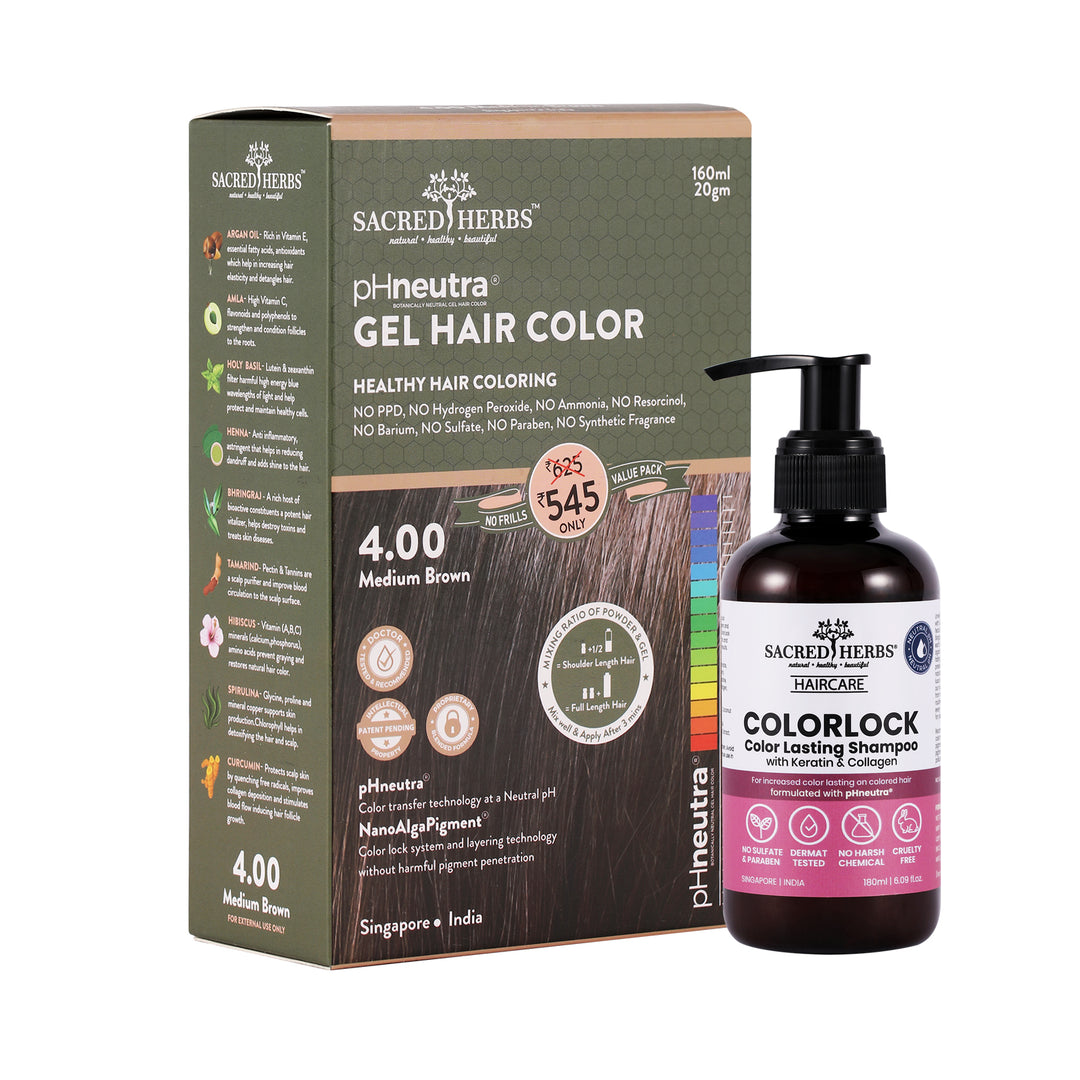
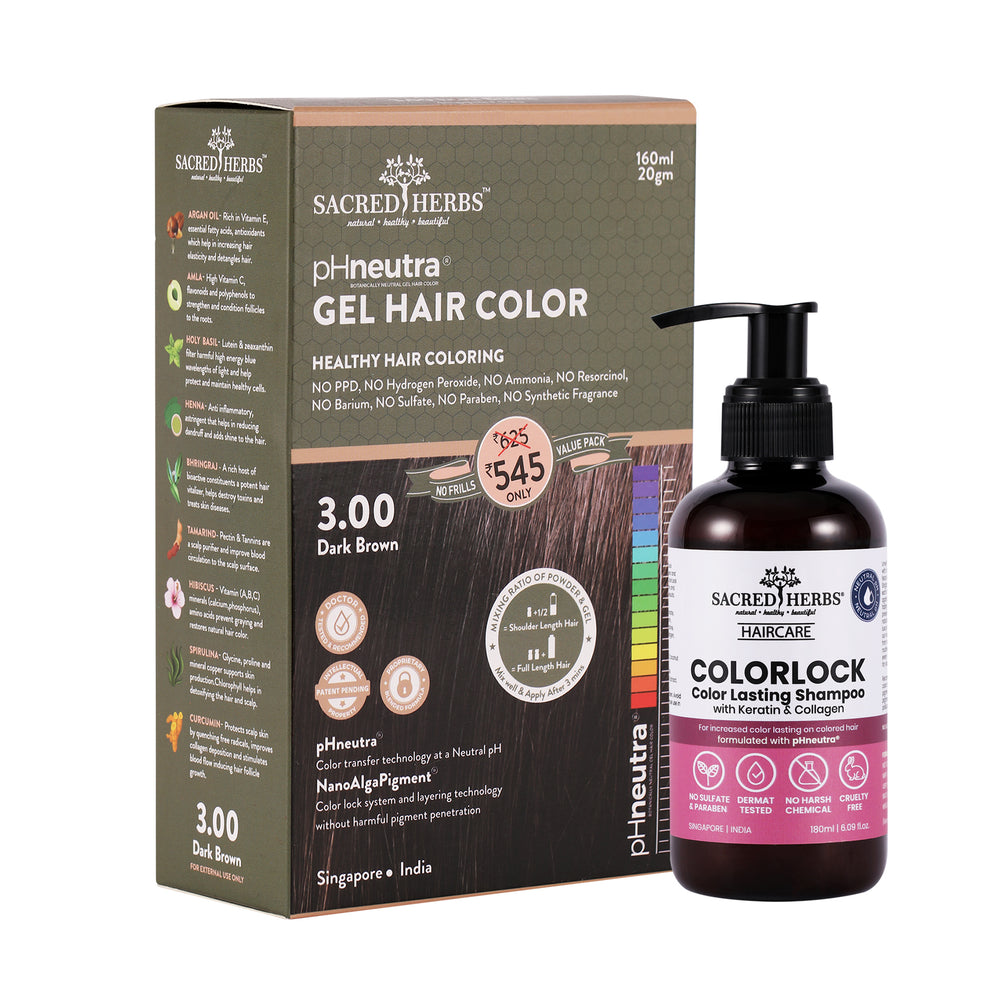
Dry hair that is also colour-treated: Priority ingredients are humectants that help the hair retain moisture between washes and pH-balancing components that help the cuticle stay sealed after coloring. Combining an ultra-hydrating shampoo with the right post-color care amplifies results significantly. Complementing your wash routine with a product from the Hair Color range ensures the color formulation and wash routine work in the same direction.
Dry scalp with oily roots: This combination is common in India, where the scalp may overproduce oil in response to dehydration while the lengths remain dry. Look for a formula that balances scalp care with length hydration, avoiding heavy emollients concentrated at the root.
How Often Should You Use an Ultra-Hydrating Shampoo?
Two to three times per week is the optimal frequency for most dry hair types in India. Washing more frequently removes natural scalp oils faster than they are replenished, compounding the dryness cycle.
Between wash days, a lightweight leave-in product or a small amount of diluted hair oil applied to the lengths can manage frizz and dryness without requiring a full wash.
Building a Complete Hydration Routine Around Your Shampoo
A shampoo alone cannot solve chronic dryness. It is part of a system.
The full system for ultra-hydrated hair in India:
-
Pre-wash oil treatment (once a week, applied two to three hours before washing)
-
Ultra-hydrating, sulfate-free shampoo applied with cool or lukewarm water
-
A hydrating conditioner is applied to mid-lengths and ends, left on for two to three minutes
-
A deep conditioning hair mask once a week after shampooing
-
A leave-in treatment or lightweight serum on damp hair before drying
For a complete routine that brings together herbal hair care essentials formulated around botanical moisture principles, the Super Premium Pack from Sacred Herbs offers a curated selection of products designed to work as a unified system.
Extending botanical care to the rest of your routine, the Body collection from Sacred Herbs brings the same ingredient philosophy to skin hydration and daily body care.
Frequently Asked Questions
Q: Can an ultra-hydrating shampoo make naturally oily hair greasier?
A well-formulated ultra-hydrating shampoo designed for dry hair should not increase oiliness on naturally oily scalps. If you have an oily scalp with dry ends, look for formulas specifically designed for this combination.
Q: How quickly does an ultra-hydrating shampoo show results?
Most users notice improved manageability and softness within two to three washes. More significant improvements in hair condition develop over several weeks of consistent use.
Q: Is it necessary to follow up with a conditioner after using an ultra-hydrating shampoo?
Yes. A shampoo and conditioner are designed to work together. Even a moisturizing shampoo benefits from a complementary conditioner applied to the lengths and ends.
Q: Can ultra-hydrating shampoo help with frizz in Indian humidity?
Yes. Frizz in humid conditions is caused by moisture from the air entering a dry, porous hair shaft and causing it to swell. A shampoo that improves hair's internal hydration and helps seal the cuticle reduces the degree to which humidity causes frizz.
Q: Is an ultra-hydrating shampoo suitable for daily use?
Even gentle, sulfate-free hydrating shampoos are typically best used two to three times per week rather than daily, to allow the scalp to maintain its natural oil balance.
Q: Do ultra-hydrating shampoos work on chemically straightened or permed hair?
Yes. Chemically processed hair tends to be highly porous and benefits significantly from ultra-hydrating formulations. Consistent use can improve manageability and reduce the brittleness that often follows chemical straightening or perming.