Shampoo for Dry Scalp: How to Tell Dryness From Dandruff and Wash It Right
You brush your shoulders and see small white flakes. Your scalp feels tight after washing, and it itches more as the day goes on. Most people would call this dandruff and grab the first anti-dandruff shampoo they find.
But not all flakes are dandruff. A dry scalp and dandruff can look similar, yet they have different causes and need different treatment. Using a strong anti-dandruff shampoo on a scalp that is simply dry can make the dryness and itching worse.
This guide helps you tell the two apart, explains what a good shampoo for dry scalp should contain, and gives you a washing routine that brings your scalp back into balance.
Dry Scalp vs Dandruff: Spot the Difference
Dry scalp
-
Flakes: Small, white, and dry. They fall easily.
-
Scalp feel: Tight, rough, sometimes slightly sore.
-
Hair: Often dry too.
-
Common triggers: Cold weather, low humidity, air conditioning, hot showers, harsh shampoos, over-washing.
-
Elsewhere: Dry skin on your face, arms, or legs.
Dandruff
-
Flakes: Larger, yellowish or white, and often oily. They may stick to the scalp.
-
Scalp feel: Itchy, sometimes red, often oily.
-
Hair: May look greasy at the roots.
-
Common triggers: An overgrowth of a yeast that naturally lives on the scalp, combined with excess oil.
Quick check
If your flakes are small and dry and your scalp feels tight, you most likely have a dry scalp. If they are larger, oily, and your scalp feels greasy, you're more likely dealing with dandruff.
Some people have both, and some conditions such as psoriasis or eczema can also cause scalp flaking. If you aren't sure, or if your scalp is very red, sore, or bleeding, see a dermatologist.
Why Anti-Dandruff Shampoo Can Make Dry Scalp Worse
Medicated anti-dandruff shampoos often contain active ingredients such as ketoconazole, zinc pyrithione, or salicylic acid. These are effective for dandruff, but on a scalp that's simply dry, strong cleansers and actives can remove even more of its protective oils.
The result is a cycle: more dryness, more flaking, more itching, and more washing. Breaking that cycle starts with choosing a shampoo for dry scalp rather than for dandruff.
What a Good Shampoo for Dry Scalp Contains
Gentle cleansers
Sulphate-free cleansers such as coco glucoside and decyl glucoside clean without stripping the scalp's natural oils.
Soothing ingredients
-
Aloe vera: Hydrates and calms irritation
-
Brahmi: Traditionally used to soothe the scalp
-
Oat extract: Known for its calming properties on dry skin
-
Chamomile: Gentle and soothing
Moisturising ingredients
-
Glycerin
-
Panthenol
-
Hyaluronic acid
Light nourishing oils
Small amounts of coconut, jojoba, or almond oil can help soften the scalp without weighing hair down.
Minimal fragrance
Heavy synthetic fragrance can irritate an already sensitive, dry scalp. Fragrance-light formulas are kinder.
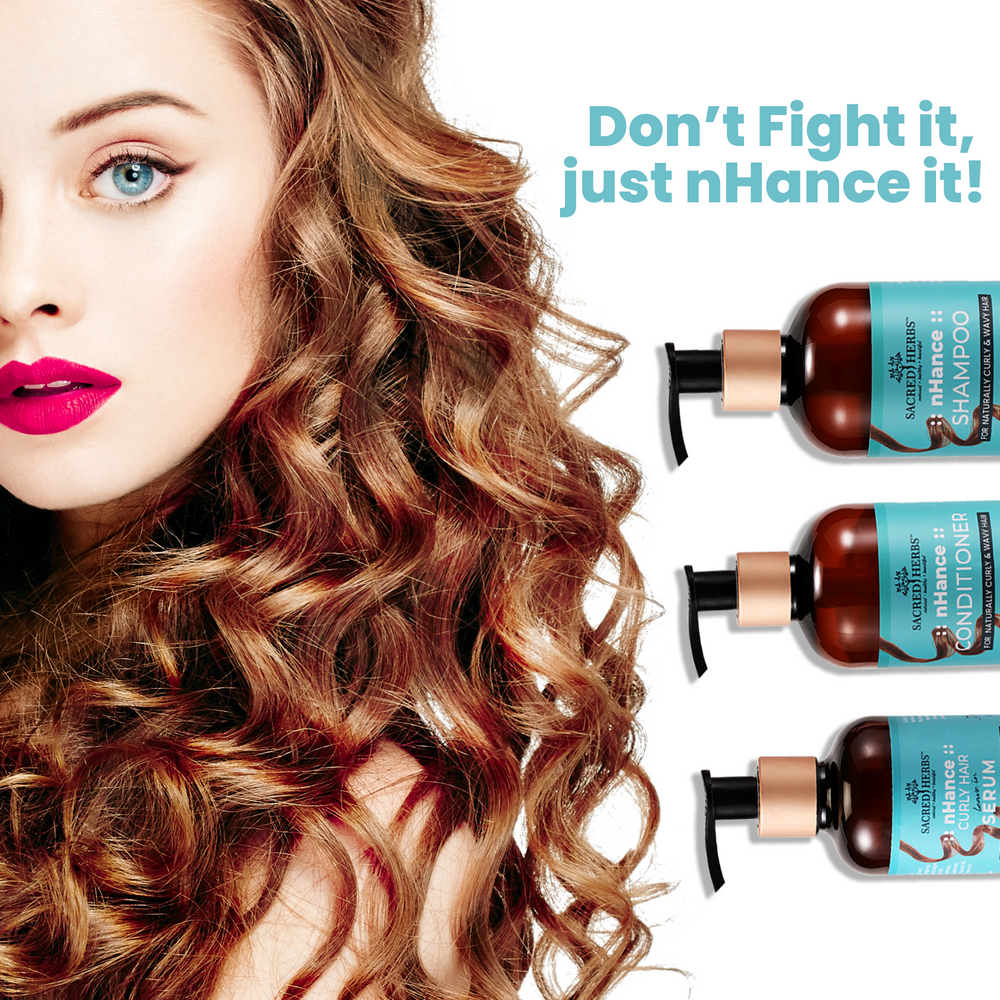
The Sacred Herbs hair care collection offers gentle, herb-based options suitable for dry, sensitive scalps.
Step-by-Step Washing Routine for a Dry Scalp
Step 1: Turn down the water temperature
Hot water feels soothing but strips the scalp. Use lukewarm water for the whole wash.
Step 2: Pre-treat if needed
On very dry days, massage a few drops of a light oil, such as coconut or jojoba, into your scalp 30 to 60 minutes before washing. This softens flakes and protects the scalp during cleansing.
Important: If you've colored your hair in the last week, skip this step. Avoid oil for at least one week after coloring.
Step 3: Use a small amount of shampoo
A coin-sized amount is enough. Dilute it with a little water in your palm for easier spreading.
Step 4: Massage gently
Use the pads of your fingers, not your nails, and massage in small circles for one to two minutes. Scratching damages the scalp and makes flaking worse.
Step 5: Rinse thoroughly
Leftover shampoo can irritate the scalp. Rinse until the water runs clear.
Step 6: Condition the lengths
Apply conditioner from mid-length to ends to keep hair soft. Keep heavy conditioners off the scalp unless it's very dry.
Step 7: Dry gently
Pat your hair with a soft towel. If you blow-dry, use a lower heat setting and keep the dryer moving.
How Often Should You Wash a Dry Scalp?
Over-washing is one of the most common causes of dry scalp. Most people find two to three washes a week is enough. If your scalp gets oily quickly but still flakes, try a gentler shampoo rather than washing less.
Can Hair Color Cause a Dry, Flaky Scalp?
Yes. Conventional dyes containing ammonia and PPD can irritate the scalp and disrupt its protective barrier, leaving it dry and flaky for days afterwards.
If this sounds familiar, a gentler formula can help. Sacred Herbs is India's first pH-neutral hair color, made with pHneutra technology and powered by 20+ herbal extracts. It contains no PPD, no ammonia, no bleach, and no resorcinol, and it is dermatologically tested. NanoAlgaPigment technology delivers 100% grey coverage, and the color lasts up to 4 weeks. You can explore the shades in the Sacred Herbs hair color collection.
For a dry scalp around coloring:
-
Do a patch test 48 hours before your first use.
-
Leave the color on for 35 minutes in summer and 45 minutes in winter, no longer.
-
Wash with a sulphate-free shampoo afterwards.
-
Avoid oil for at least one week after coloring.
-
Use Sacred Herbs Root Sure and Root Touch-up Powder between sessions to reduce how often your scalp is exposed to color.
The Super Premium Pack includes a sulphate-free shampoo and conditioner for gentle post-color care.
Look After Your Skin Beyond the Scalp
A dry scalp often comes with dry skin elsewhere, especially in winter or air-conditioned rooms. Drinking enough water, using a humidifier, and moisturising your skin regularly all help. The Sacred Herbs body collection brings the same gentle, plant-led approach to your skin.
Conclusion
Most dry scalps improve within a few weeks of switching to a gentle shampoo, cooler water, and less frequent washing. If yours doesn't, or if you notice redness, thick scales, bleeding, or flaking that spreads beyond your hairline, see a dermatologist. Conditions such as eczema, psoriasis, and seborrheic dermatitis need proper diagnosis, and no shampoo can replace that.
Frequently Asked Questions
What is the best shampoo for dry scalp?
A sulphate-free, fragrance-light shampoo with soothing ingredients like aloe vera and moisturisers like glycerin.
How do I know if I have dry scalp or dandruff?
Dry scalp gives small, dry, white flakes and a tight feel. Dandruff gives larger, oily flakes and often a greasy scalp.
Can I use anti-dandruff shampoo for dry scalp?
It may make dryness worse. Use it only if you have dandruff, ideally on a dermatologist's advice.
Does oiling help a dry scalp?
A light pre-wash oil can soften flakes and protect the scalp. Avoid oil for a week after coloring.
How often should I wash a dry scalp?
Two to three times a week, with lukewarm water and a gentle shampoo.
Can hair color cause scalp dryness?
Yes. Harsh dyes can disrupt the scalp barrier. A pH-neutral, PPD-free formula is gentler.