Shampoo and Conditioner for Dry Hair: Building a Wash Routine That Rehydrates Instead of Strips
Dry hair has a specific personality. It drinks up moisture and loses it just as fast. It looks dull under light that makes healthy hair shine. It tangles easily, feels rough between the fingers, and often frays at the ends. And most frustratingly, the very act of washing, meant to make hair clean and fresh, frequently makes dry hair drier.
That last point is the crux of this entire article. For dry hair, the wash routine is either the problem or the solution, and which one it is depends entirely on the shampoo and conditioner you use. Get them right, and every wash rehydrates. Get them wrong and every wash strips. Here is how to build a routine that does the former.
Why Dry Hair Happens in the First Place
Understanding the causes shapes the solution.
Reduced natural oil delivery. The scalp produces sebum, which travels down the hair shaft to keep it supple. When this delivery is insufficient, whether from scalp conditions, age, or hair texture that resists oil travel, the lengths become dry.
Environmental dehydration. Sun exposure, heat, air conditioning, and dry weather all pull moisture from the hair fibre continuously. Indian summers and air-conditioned interiors are particularly dehydrating.
Hard water. Most Indian cities have hard water, which deposits calcium and magnesium on the hair, creating a film that makes hair feel rough and blocks moisture from penetrating.
Chemical and heat damage. Coloring, straightening, and heat styling raise the hair's porosity, so it loses moisture faster than healthy hair.
Harsh cleansing. Sulfate-heavy shampoos strip the hair's natural oils with every wash, compounding all the other causes.
The last cause is the one most within your control, which is why the shampoo choice matters so much.
What a Shampoo for Dry Hair Must Do
The shampoo's job for dry hair is to cleanse gently while preserving and even adding moisture. This means:
A sulfate-free base. This is non-negotiable for dry hair. Sulfates strip the natural oils dry hair cannot afford to lose. Gentle plant-derived surfactants clean without this stripping.
Humectant ingredients. Glycerin, aloe vera, and honey attract and hold moisture in the hair fibre.
Emollient oils. Coconut, argan, and amla oils smooth the cuticle and add softness.
Skin-friendly pH. A slightly acidic formula helps the cuticle lie flat, sealing moisture in.
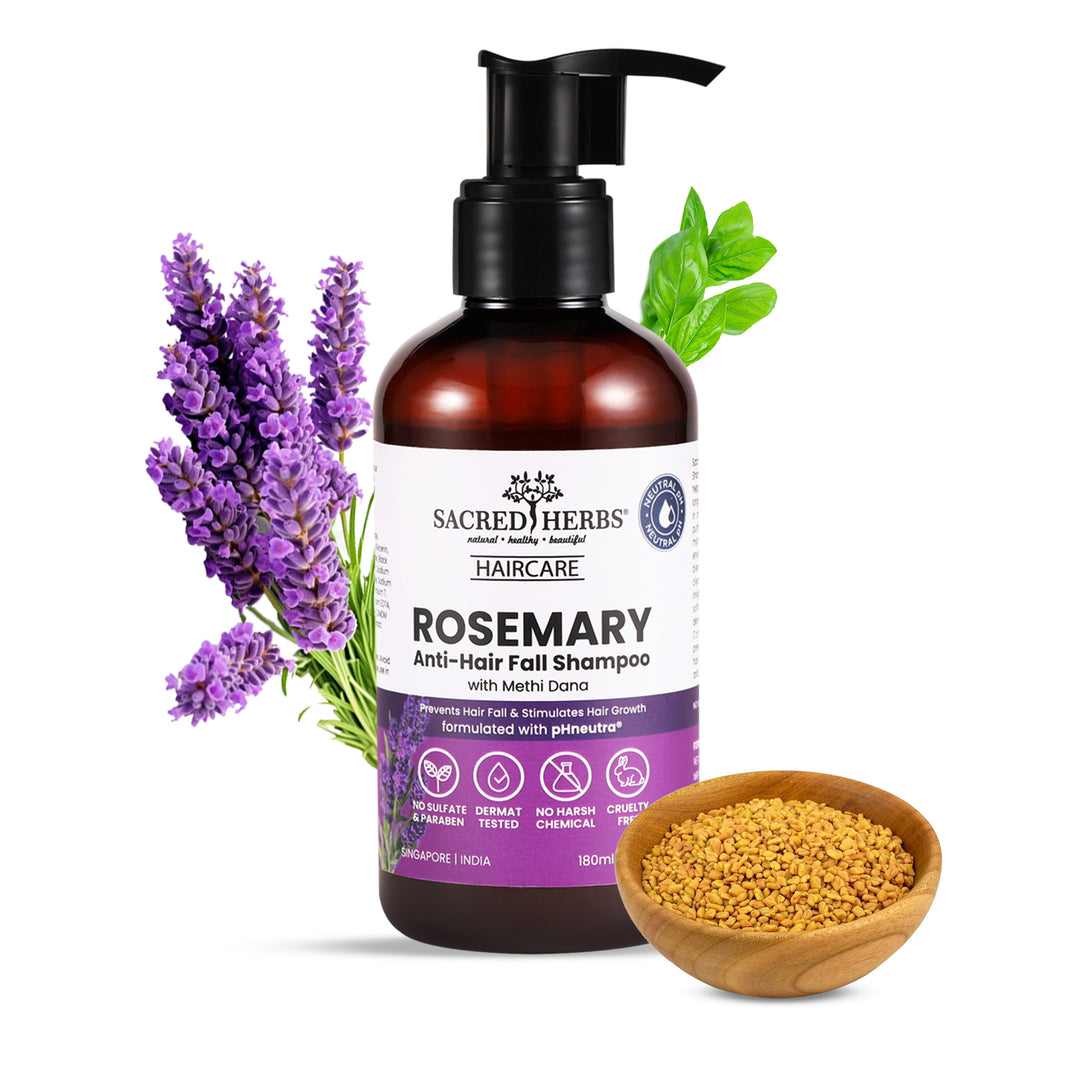
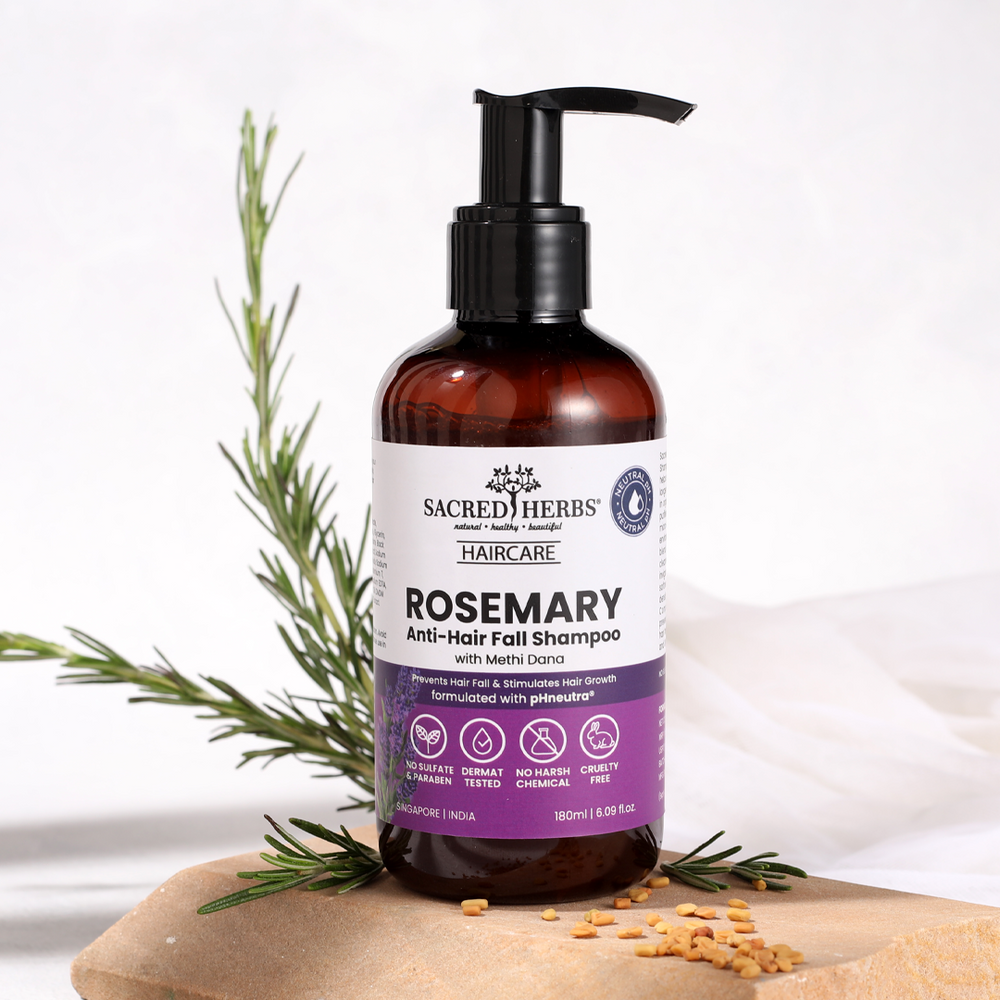
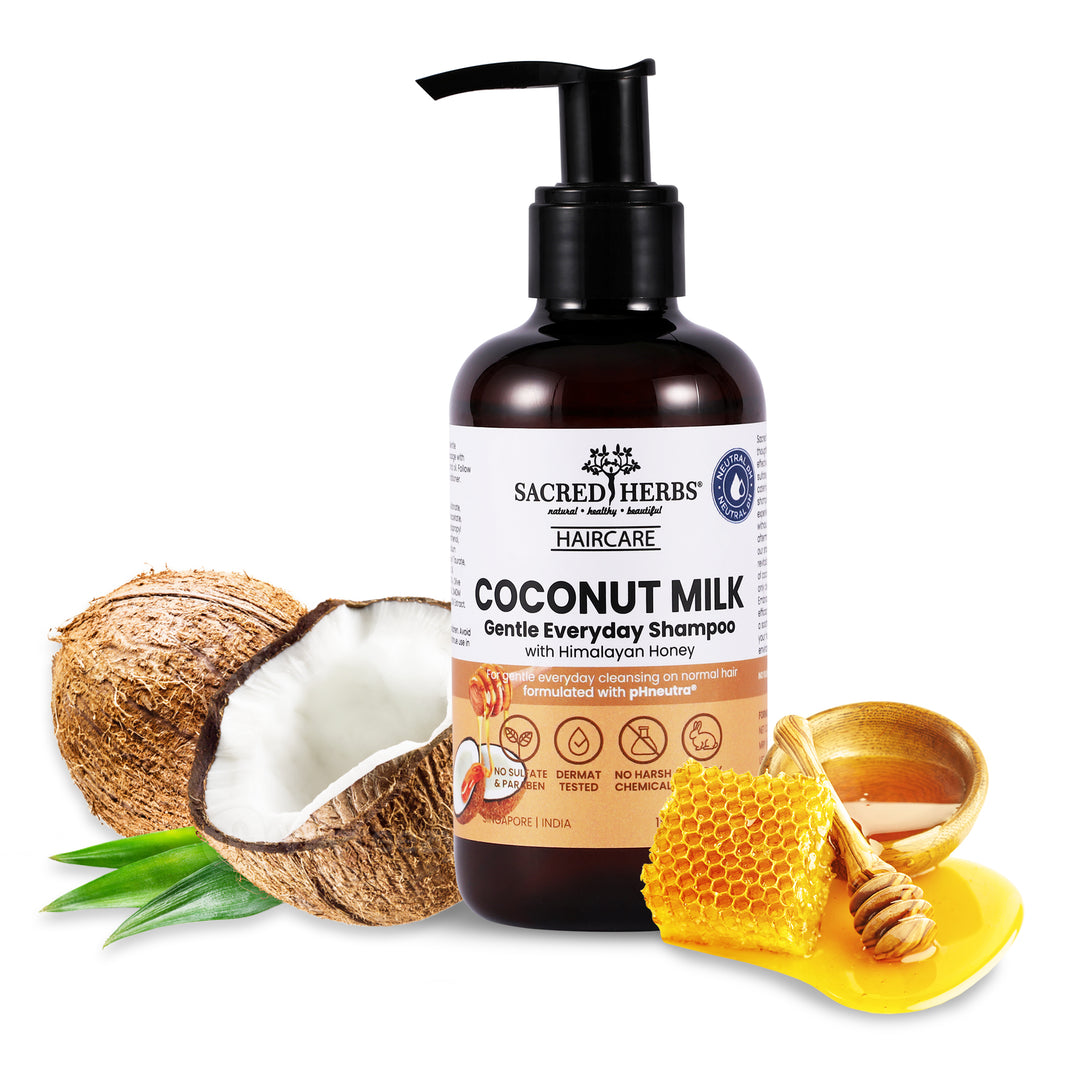
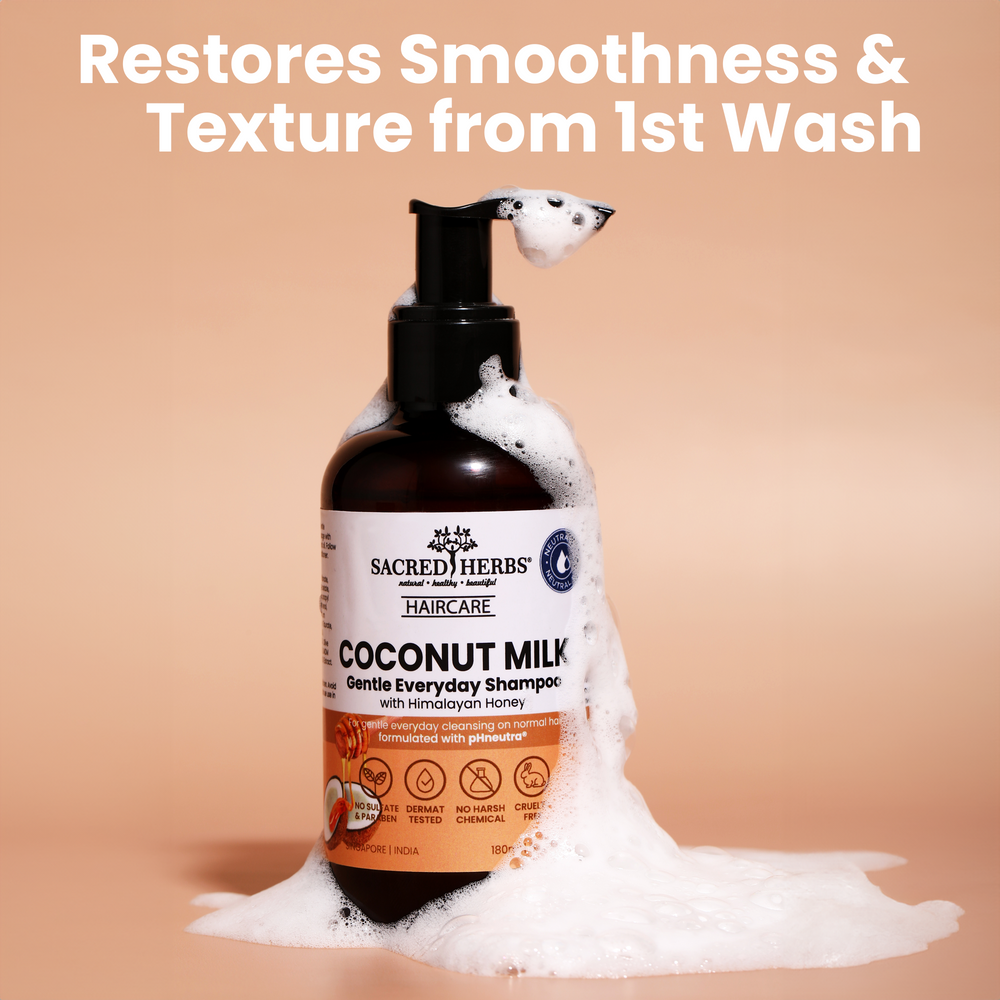
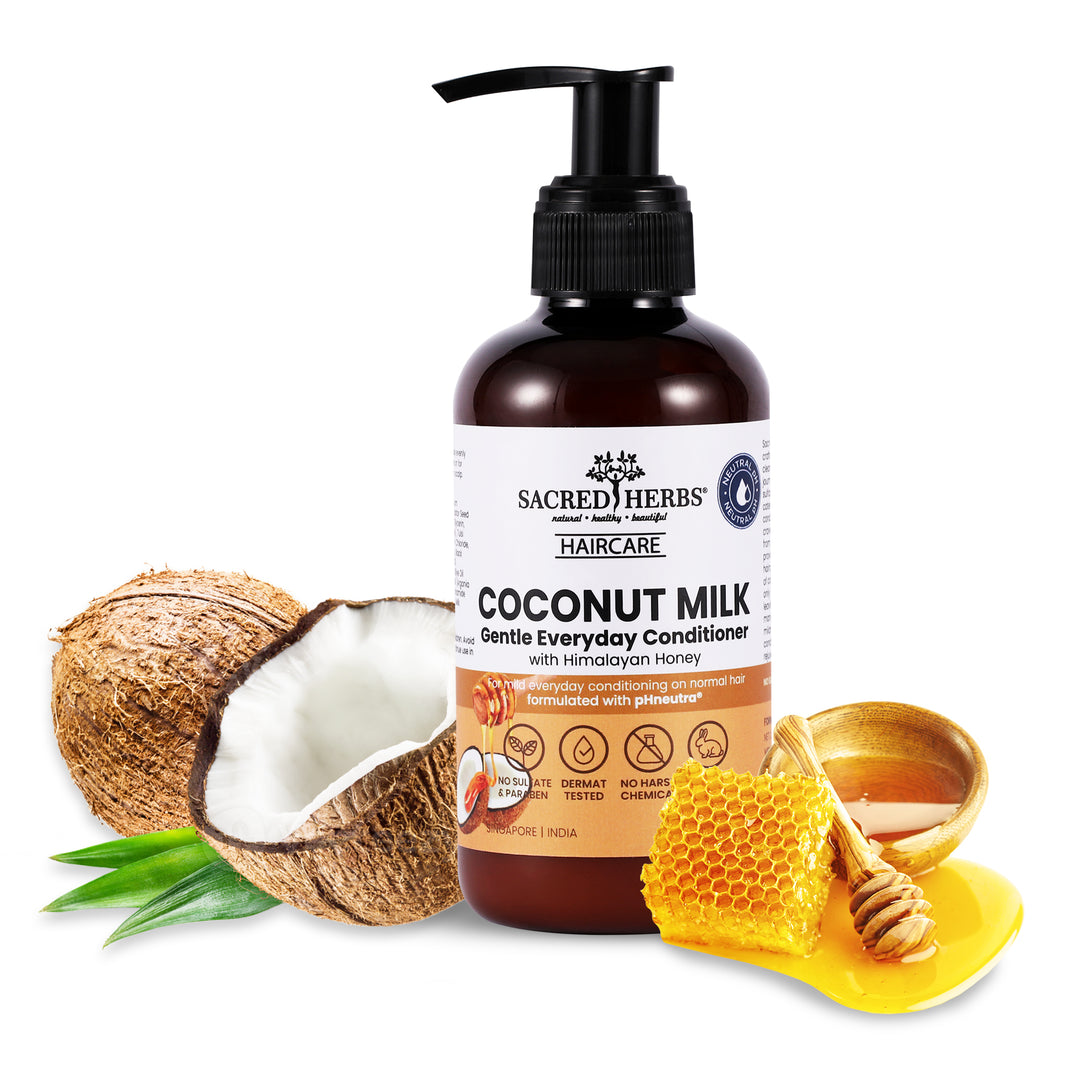
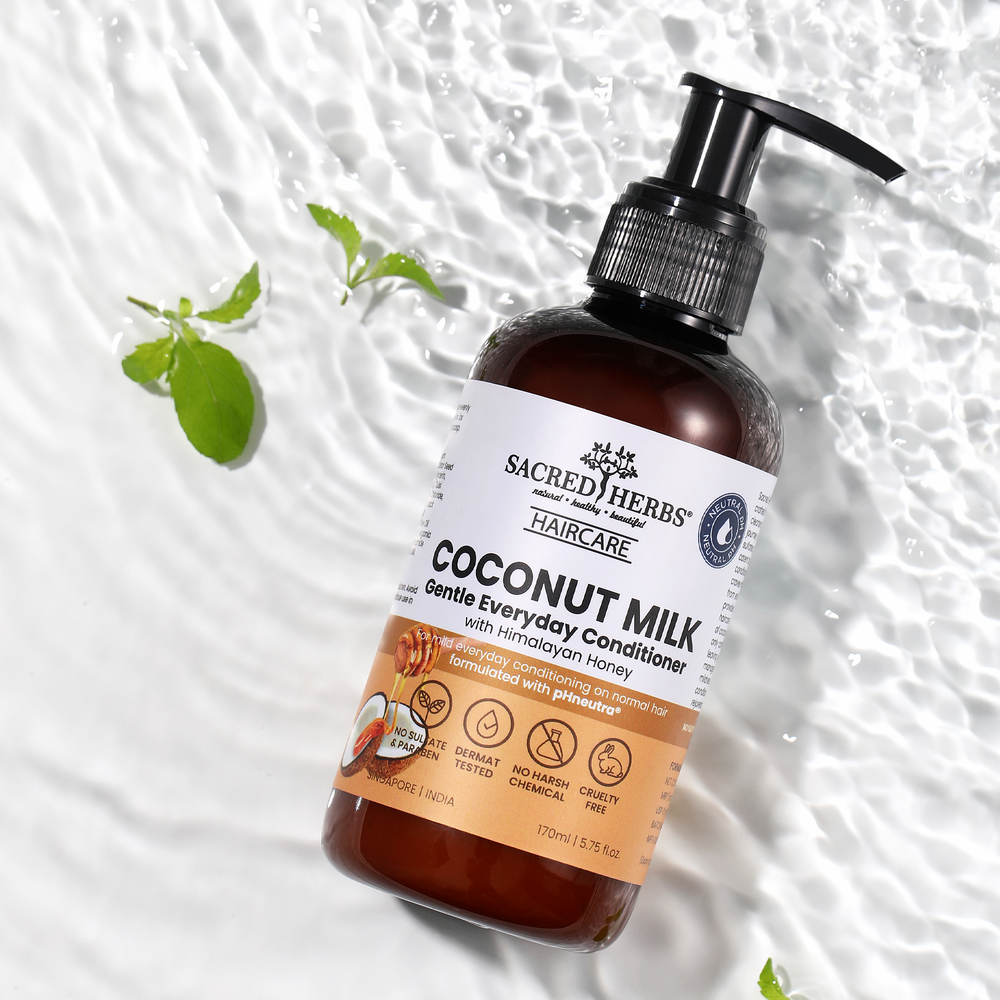
The Hair Care collection at Sacred Herbs includes botanical formulations built around these moisture-preserving principles.
What a Conditioner for Dry Hair Must Do
The conditioner is where dry hair gets most of its moisture, so this step is critical.
Deep moisture delivery. Rich humectants and penetrating ingredients like panthenol deliver hydration into the fibre, not just onto its surface.
Cuticle sealing. Cationic conditioning agents smooth the cuticle so moisture stays in and the hair feels soft.
Emollient richness. Dry hair benefits from richer conditioners than oily or normal hair, with botanical oils and butters that add lasting softness.
Detangling slip. Reduced friction during combing prevents the breakage that dry, fragile hair is prone to.
The Rehydrating Wash Routine, Step by Step
-
Once a week, before washing, apply a pre-wash oil treatment with coconut or amla oil, left on for two to three hours. This protects the hair during washing and adds deep moisture.
-
Wet hair with lukewarm water. Hot water strips dry hair further.
-
Apply the sulfate-free shampoo to the scalp, letting the lather rinse gently through the dry lengths rather than scrubbing them.
-
Squeeze out excess water, then apply a rich conditioner generously to mid-lengths and ends.
-
Leave the conditioner on for three to five minutes. For very dry hair, cover with a shower cap and leave for ten minutes.
-
Rinse with cool water to seal the cuticle.
-
Blot gently with a soft cloth and apply a leave-in treatment to damp hair.
The Additions That Transform Dry Hair
Beyond the shampoo and conditioner, dry hair benefits enormously from:
-
A weekly deep conditioning masque, which delivers a level of moisture a rinse-out conditioner cannot
-
A leave-in serum or lightweight oil on damp hair to extend hydration through drying and beyond
-
A periodic clarifying rinse with diluted apple cider vinegar to remove hard water mineral buildup that blocks moisture
For the complete moisture-focused routine in one purchase, the Super Premium Pack from Sacred Herbs brings botanical hair care essentials together as a coordinated system.
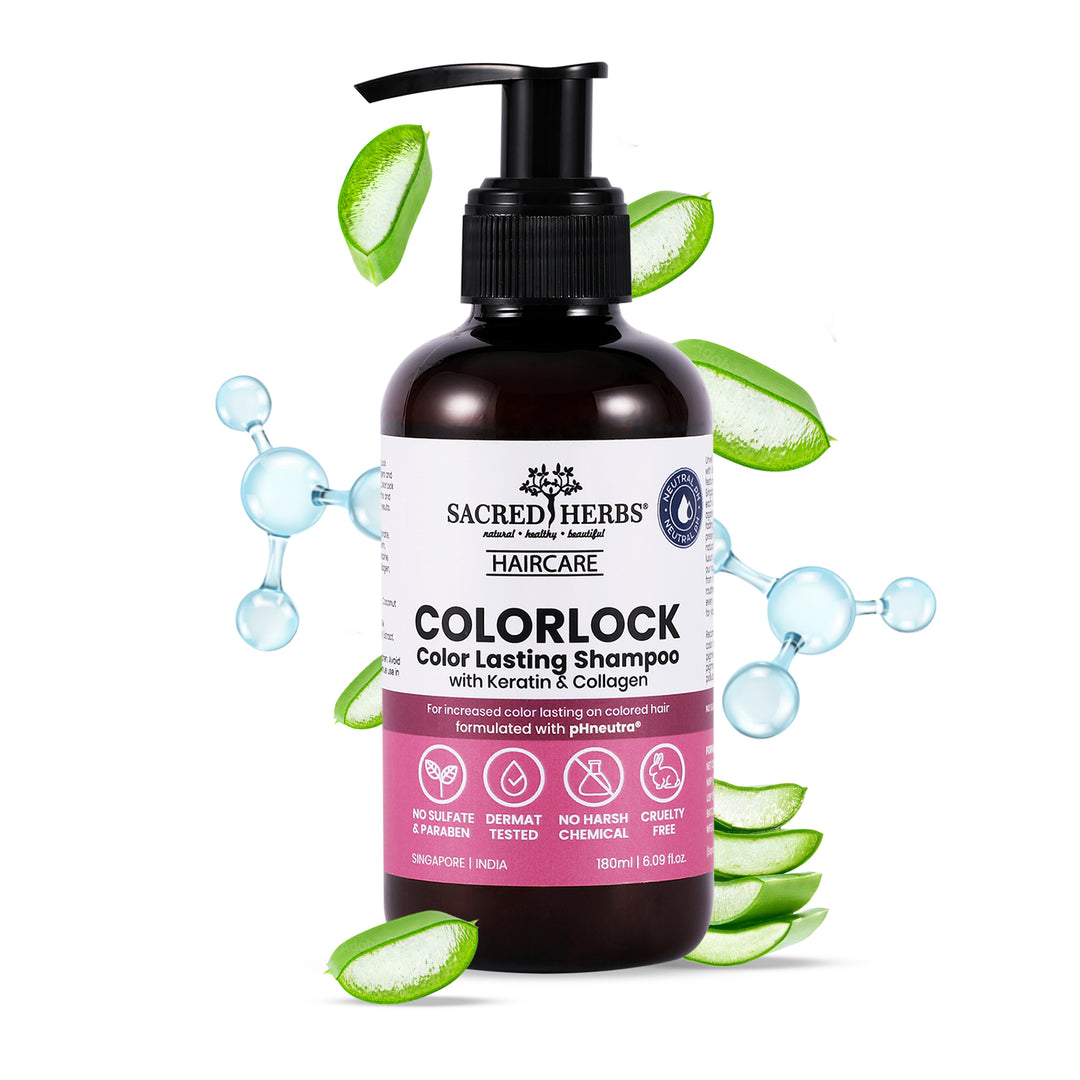
Dry hair that is also color-treated needs particular care, since coloring adds porosity and dryness. Choosing a gentle, ammonia-free botanical color from the Hair Color range at Sacred Herbs reduces the coloring contribution to dryness.
Habits That Help or Hurt Dry Hair
Helpful:
-
Washing two to three times weekly, not daily
-
Air drying instead of heat styling
-
Using a wide-tooth comb, ends first
-
Sleeping on a silk or satin pillowcase to reduce friction
Harmful:
Frequently Asked Questions
Q: Why does washing make my dry hair feel worse?
Sulfate-heavy shampoos strip the natural oils dry hair needs. Switching to a sulfate-free, moisturizing shampoo and conditioner reverses this.
Q: How often should I wash dry hair?
Two to three times weekly. Daily washing strips oils faster than the scalp can replenish them.
Q: Should I use richer conditioner on dry hair?
Yes. Dry hair benefits from richer, more emollient conditioners than oily or normal hair, applied to mid-lengths and ends.
Q: Does hard water make dry hair worse?
Yes. Hard water deposits minerals that block moisture. A periodic diluted apple cider vinegar rinse helps remove the buildup.
Q: Is a leave-in product necessary for dry hair?
It helps significantly. A leave-in serum or light oil on damp hair extends the conditioner's hydration and reduces frizz and dryness between washes.
Q: Can dry hair be permanently fixed?
Dryness from damage improves as damaged hair grows out under gentle care. Dryness from texture or environment is managed continuously with the right routine.