


Shampoo And Conditioner for Curly Hair
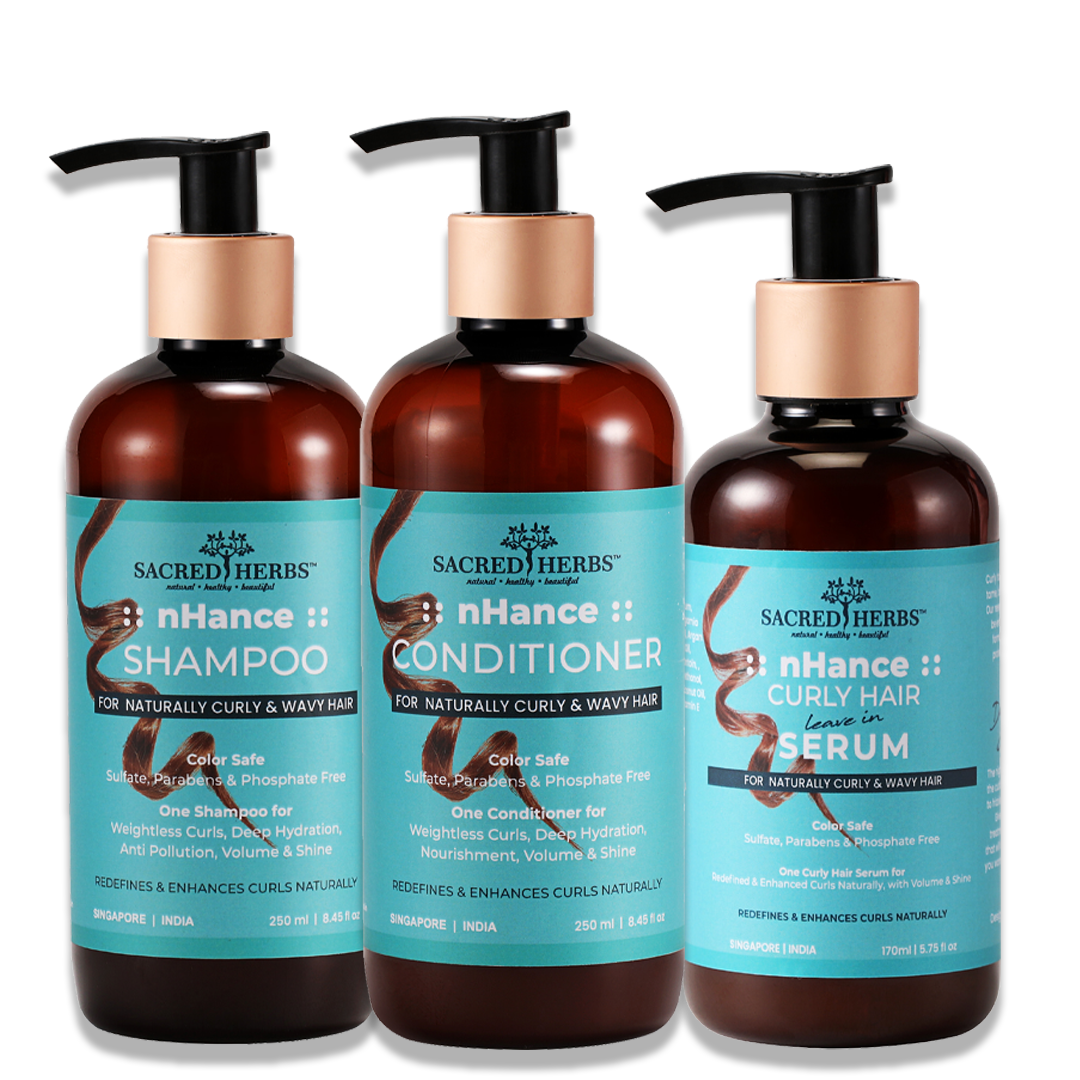
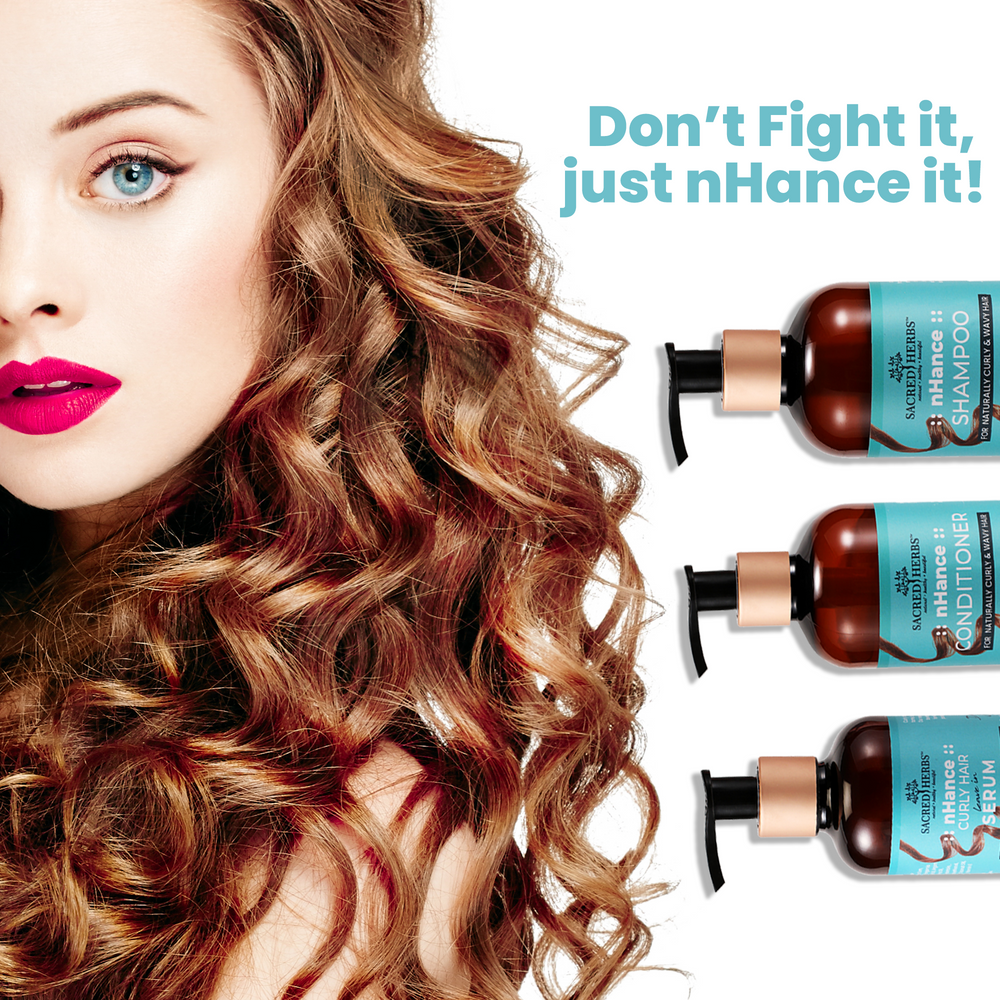
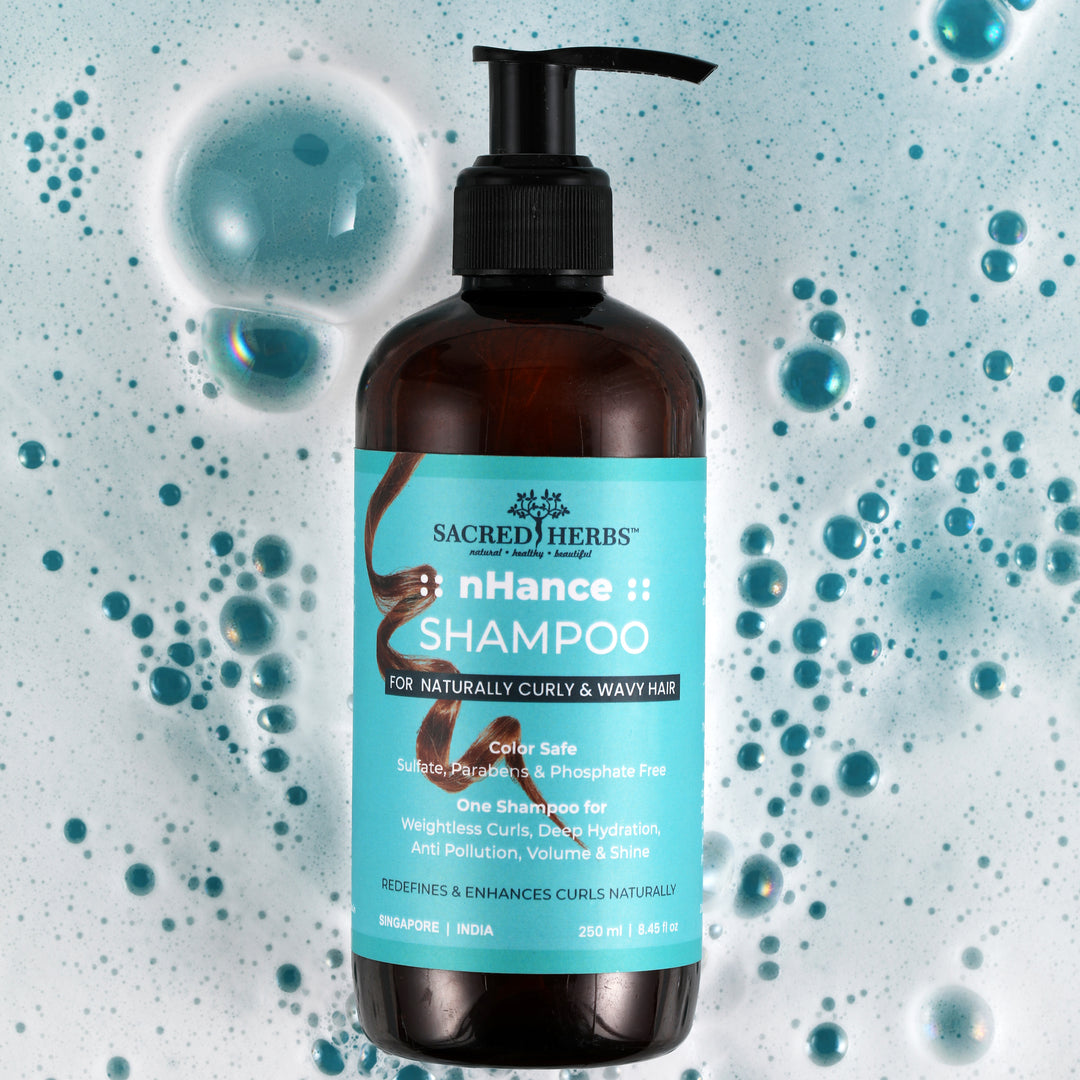
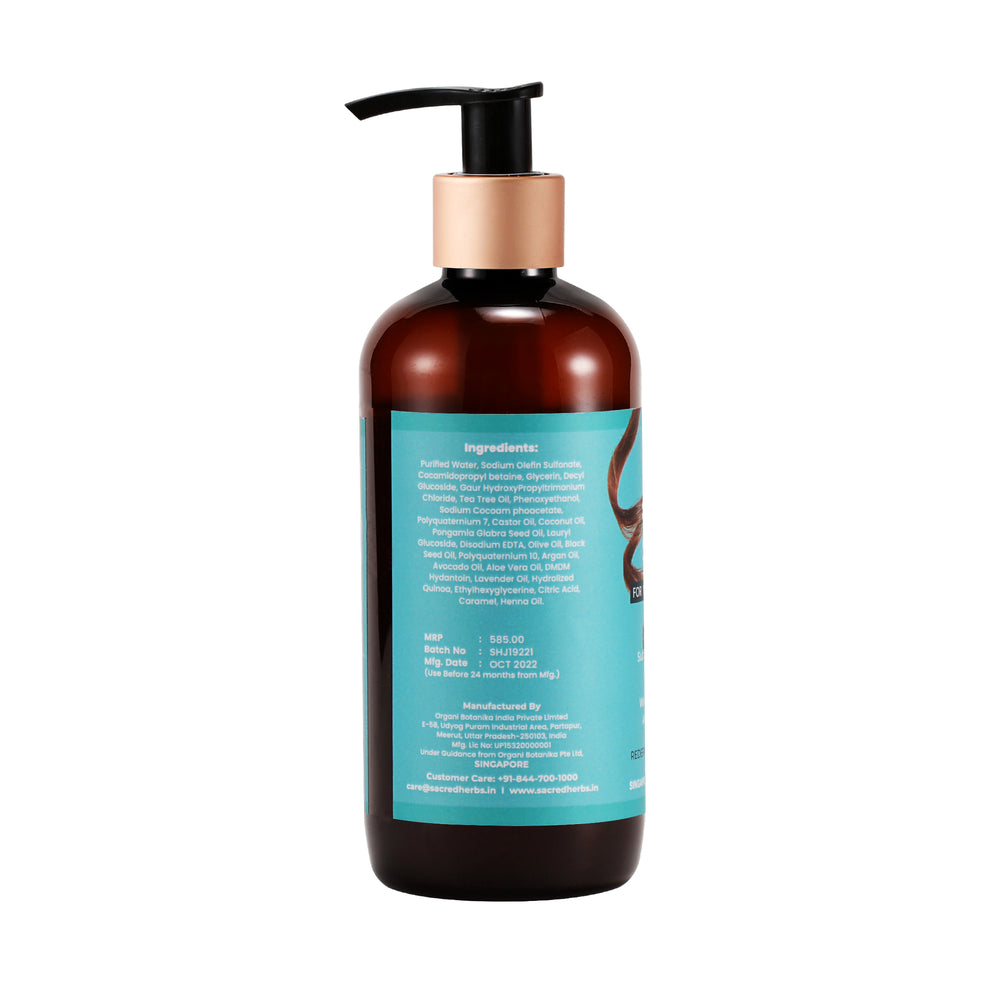
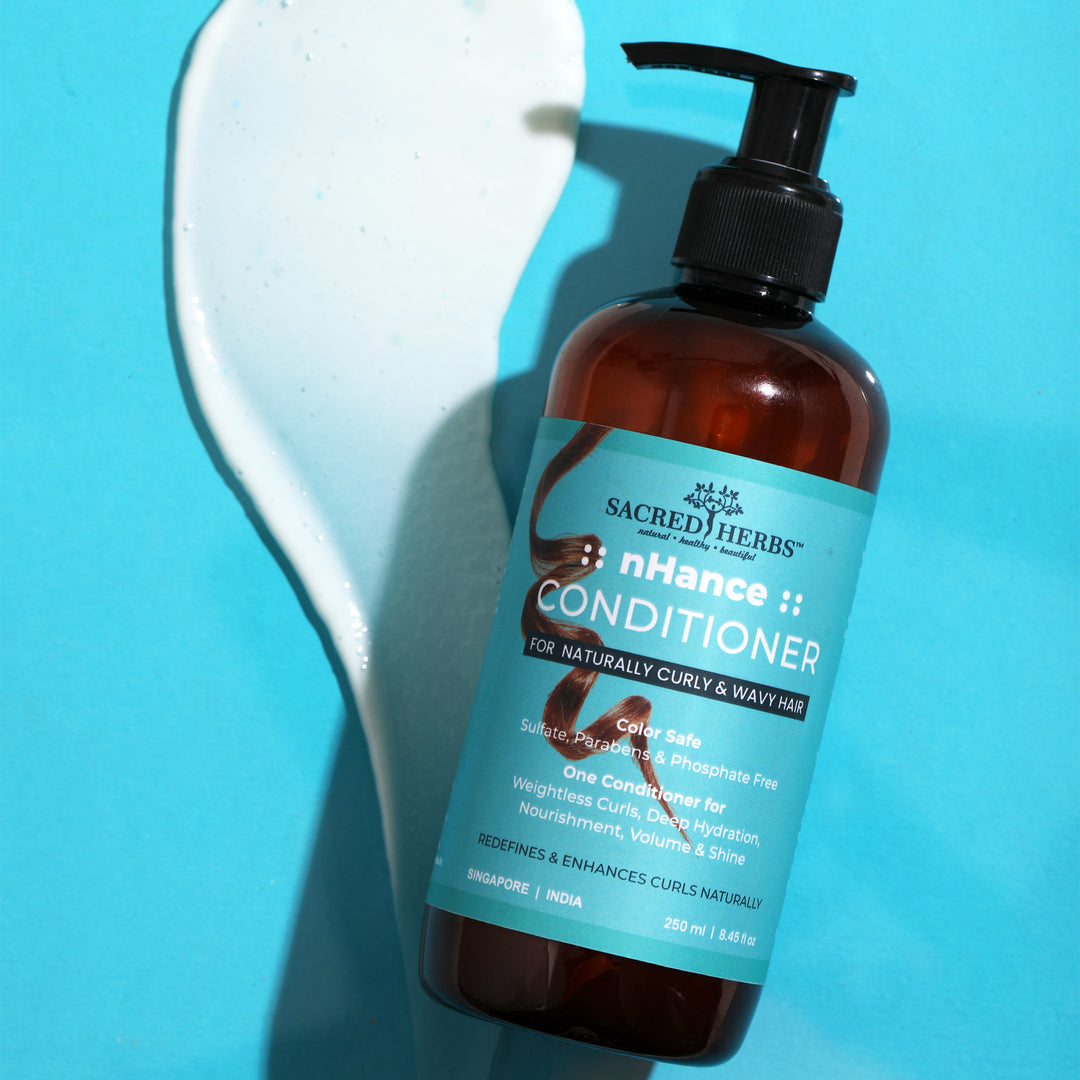
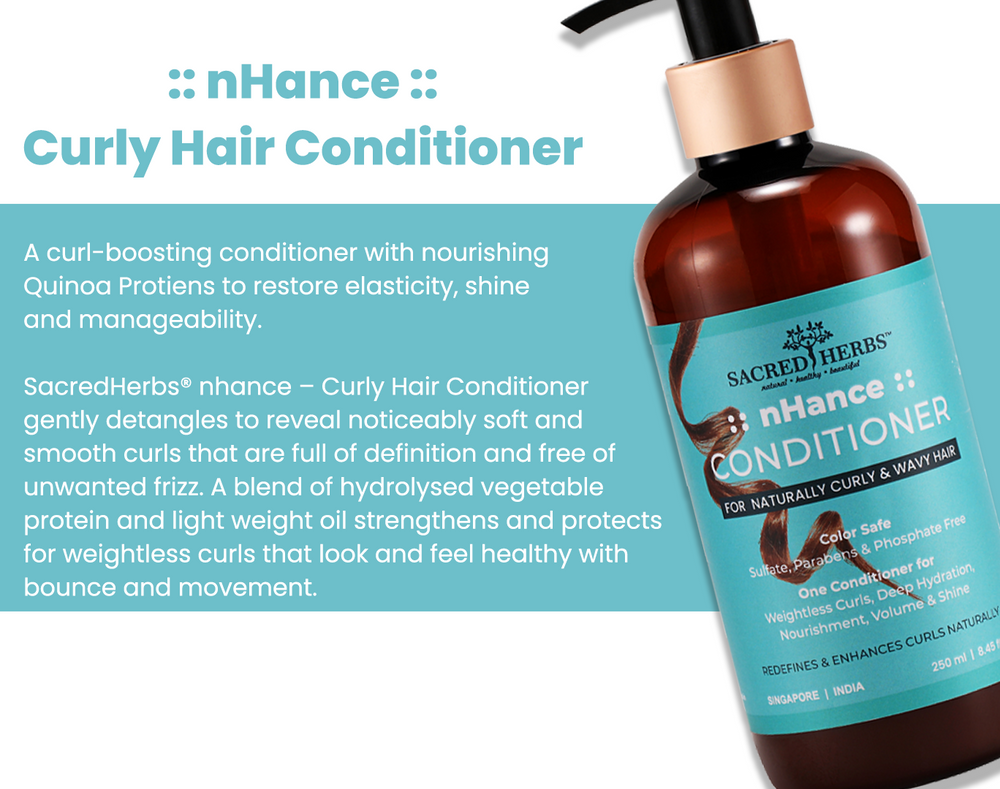
Shampoo and Conditioner for Curly Hair: Understanding What Curls Actually Need
Curly hair is not straight hair that happens to bend. It is a fundamentally different structure with... Read More
Shampoo and Conditioner for Curly Hair: Understanding What Curls Actually Need
Curly hair is not straight hair that happens to bend. It is a fundamentally different structure with fundamentally different needs, and treating it like straight hair is why so many people with curls spend years frustrated by frizz, dryness, and undefined, lifeless curls.
Once you understand what makes curly hair unique, the right shampoo and conditioner choices become obvious, and the results transform. This article explains the curly hair structure, why it behaves as it does, and how to choose and use a shampoo and conditioner that let your curls thrive.
What Makes Curly Hair Different
The difference starts at the follicle. Curly hair grows from follicles that are curved or oval-shaped, which is what gives the hair its bend. This structural difference has several consequences that shape everything about how curly hair should be treated.
Curly hair is naturally drier. The scalp's natural oils travel easily down straight hair but struggle to navigate the twists and bends of curly hair. This means the lengths and ends of curly hair are often starved of the moisture that reaches straight hair easily. Dryness is the default state of curly hair, not the exception.
Curly hair is more fragile. The bends in each strand are stress points where the hair is more prone to breakage. Curly hair needs gentler handling than straight hair.
Curly hair shows frizz more. Because moisture disrupts the curl pattern, curly hair reveals humidity effects and dryness more visibly than straight hair, where the same effects are less noticeable.
Curly hair needs its pattern supported. The defined curl clumps that make curly hair beautiful are easily disrupted by rough handling, harsh cleansing, and the wrong products.
What a Shampoo for Curly Hair Must Do
The shampoo's job for curly hair is to cleanse the scalp without stripping the already-dry lengths or disrupting the curl pattern harshly.
Sulfate-free is essential. Curly hair cannot afford the moisture-stripping of sulfates. Gentle plant-derived surfactants cleanse the scalp while preserving the hair's precious moisture.
Moisturizing ingredients matter. Since curly hair is naturally dry, a good curly shampoo includes humectants and emollients like glycerin, aloe vera, and botanical oils.
Gentle cleansing action. Some people with curls use low-foam or cream cleansers, or even wash primarily with conditioner (co-washing) between shampoo days, to minimize stripping.
The Hair Care collection at Sacred Herbs offers botanical formulations built around the moisture and gentleness curly hair requires.
What a Conditioner for Curly Hair Must Do
Conditioner is arguably more important for curly hair than for any other type, because it delivers the moisture curly hair cannot get from natural oils.
Rich, deep moisture. Curly hair needs generous conditioning with penetrating humectants and emollients.
Slip for detangling. Curly hair tangles easily and breaks when detangled roughly. A conditioner with good slip lets you detangle gently, ideally with fingers or a wide-tooth comb while the conditioner is still in.
Curl definition support. The right conditioner helps curl clumps form and hold, giving defined rather than frizzy curls.
Botanical nourishment. Ingredients like hibiscus, amla, and aloe vera support both moisture and curl health.
The Curly Hair Wash Routine
Curly hair benefits from a specific washing approach:
-
Once or twice weekly, apply a pre-wash oil treatment with coconut oil, which penetrates the curly shaft and reduces moisture loss during washing.
-
Wet hair thoroughly with lukewarm water.
-
Apply sulfate-free shampoo mainly to the scalp, gently massaging. Let the lather rinse through the curls without scrubbing them, which disrupts the pattern.
-
Apply conditioner generously to the lengths. Detangle gently with fingers or a wide-tooth comb while the conditioner is in.
-
Leave the conditioner on for three to five minutes.
-
Rinse with cool water, which helps define curls and seal the cuticle.
-
Do not rough-dry. Squeeze gently with a microfiber towel or cotton t-shirt using a scrunching motion to encourage curl formation.
-
Apply a leave-in product to damp hair and let curls air dry where possible.
The Steps That Define and Protect Curls
Beyond the shampoo and conditioner:
-
A weekly deep conditioning masque provides the intensive moisture curly hair thrives on
-
A leave-in conditioner or curl cream on damp hair defines curls and controls frizz
-
The scrunching technique encourages curl clumps to form during drying
-
Sleeping on silk or satin, or using a loose pineapple-style updo, protects curls overnight
For those wanting a complete botanical routine in one purchase, the Super Premium Pack from Sacred Herbs brings the essentials together as one coordinated system.
For curly hair that is color-treated, gentleness matters doubly, since coloring adds dryness to already-dry curls. The botanical, ammonia-free formulations in the Hair Color range at Sacred Herbs support curly hair through the coloring process more gently.
Common Curly Hair Mistakes
-
Using sulfate shampoos, which strip the moisture curly hair desperately needs
-
Brushing dry curls, which shatters the curl pattern into frizz
-
Rough towel drying, which disrupts curl clumps and creates frizz
-
Skipping conditioner or using too little, leaving curly hair dry and undefined
-
Washing too frequently, stripping the limited moisture curly hair holds
-
Applying products to soaking wet or fully dry hair instead of damp hair, where they work best
Frequently Asked Questions
Q: Why is curly hair drier than straight hair?
The scalp's natural oils struggle to travel down the bends of curly hair, so the lengths and ends are often starved of moisture that reaches straight hair easily.
Q: Do I really need a sulfate-free shampoo for curly hair?
Yes. Curly hair cannot afford the moisture-stripping of sulfates. Sulfate-free formulas cleanse while preserving essential moisture.
Q: How often should I wash curly hair?
Once or twice weekly for most curl types. Over-washing strips the limited moisture curly hair holds.
Q: What is co-washing?
Co-washing means cleansing with conditioner instead of shampoo on some wash days, minimizing stripping. Many curly-haired people use it between shampoo washes.
Q: How do I dry curly hair without frizz?
Scrunch gently with a microfiber towel or cotton t-shirt, never rub, and let curls air dry or diffuse on low heat.
Q: Should I brush my curly hair?
Detangle only when wet with conditioner in, using fingers or a wide-tooth comb. Brushing dry curls creates frizz and breaks the curl pattern.