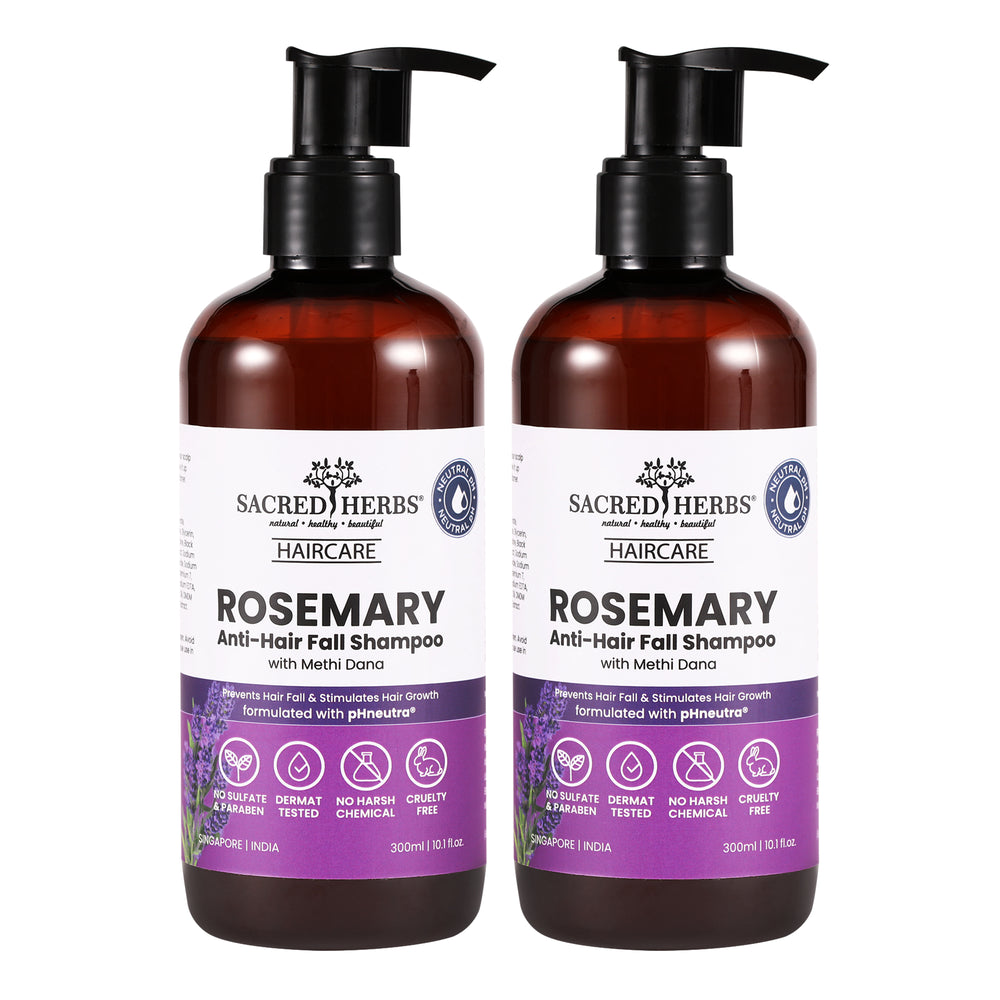
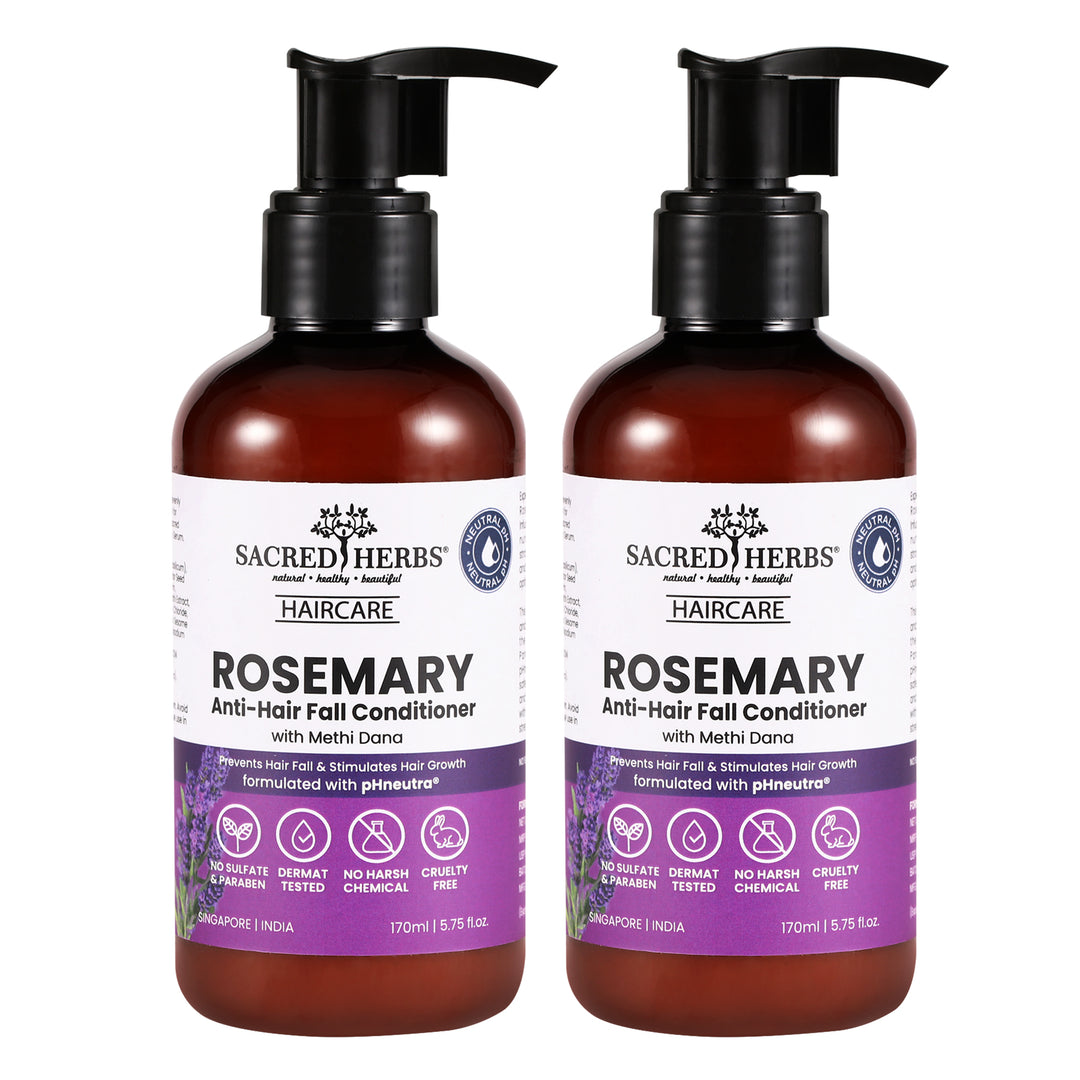
Rosemary Hair Growth Serum: Turning One Famous Study Into a Practical Routine
By now, you have probably heard about the rosemary study. It circulates through every hair care conversation online: the trial where rosemary oil matched minoxidil. It is genuine, it is compelling, and it is the reason rosemary has become one of the most sought-after ingredients in hair care.
But knowing a study exists is not the same as knowing how to use rosemary well. A famous result on paper does nothing for your hair unless it translates into a consistent, correctly executed routine. This article bridges that gap, turning rosemary's evidence into a practical daily approach you can actually follow.
First, What the Study Actually Found
Let us be precise, since the study is often exaggerated in the retelling.
In 2015, a randomized comparative trial published in SKINmed Journal compared rosemary oil to 2% minoxidil in participants with androgenetic alopecia over six months. After six months, both groups showed similar improvements in hair count. The rosemary group reported less scalp itching than the minoxidil group.
What this means, stated carefully:
-
Rosemary showed results comparable to a specific concentration of an established treatment
-
The comparison was over six months, not weeks
-
It was one study with a specific participant group and would benefit from further research
-
It applied to androgenetic alopecia specifically
What it does not mean: that rosemary is a guaranteed cure, that it works overnight, or that it helps every type of hair loss. Precision here protects you from disappointment later.
How Rosemary Is Thought to Work
The proposed mechanisms give context for how to use it well.
Circulation support: Rosemary's compounds, including rosmarinic acid and ursolic acid, are thought to support blood flow to the follicles, improving nutrient delivery.
DHT moderation: Laboratory evidence suggests rosemary may inhibit the enzyme that converts testosterone into DHT, the hormone behind follicle miniaturization in pattern hair loss.
Antioxidant and anti-inflammatory action: Rosemary's antioxidant compounds may protect the scalp from oxidative stress, and its anti-inflammatory properties support a calmer follicle environment.
Notice that all three mechanisms are scalp-level. This tells you immediately that a rosemary serum belongs on the scalp, not the hair lengths, a practical implication that flows directly from the science.
Turning the Science Into a Daily Routine
Here is the practical translation, step by step.
Choose the Right Rosemary Product
-
Confirm rosemary extract or rosemary oil appears high in the ingredient list, not trailing after fragrance
-
Prefer serums that pair rosemary with complementary actives like caffeine or bhringraj
-
Avoid high-alcohol bases and heavy fragrance that irritate the scalp
-
If using pure rosemary essential oil, it must be diluted in a carrier oil, never applied undiluted to the scalp
Apply It Where the Science Points
Since rosemary works at the scalp level:
-
Part the hair in sections
-
Apply the serum directly to the scalp
-
Massage with fingertips for two to three minutes, which adds mechanical circulation support to rosemary's chemical circulation support
-
Do not rinse out
-
Apply daily or as directed
Commit to the Study's Timeline
The trial ran six months. This is your anchor for patience. A realistic personal timeline:
-
Weeks 1 to 4: Scalp may feel less itchy; shedding may begin shifting
-
Weeks 4 to 8: Reduced shedding noticeable for many
-
Weeks 8 to 12: Follicle-level improvements become assessable
-
Months 3 to 6: The window in which the study's kind of results developed
Judging rosemary before twelve weeks, let alone before six months, is judging it before its own evidence says results appear.
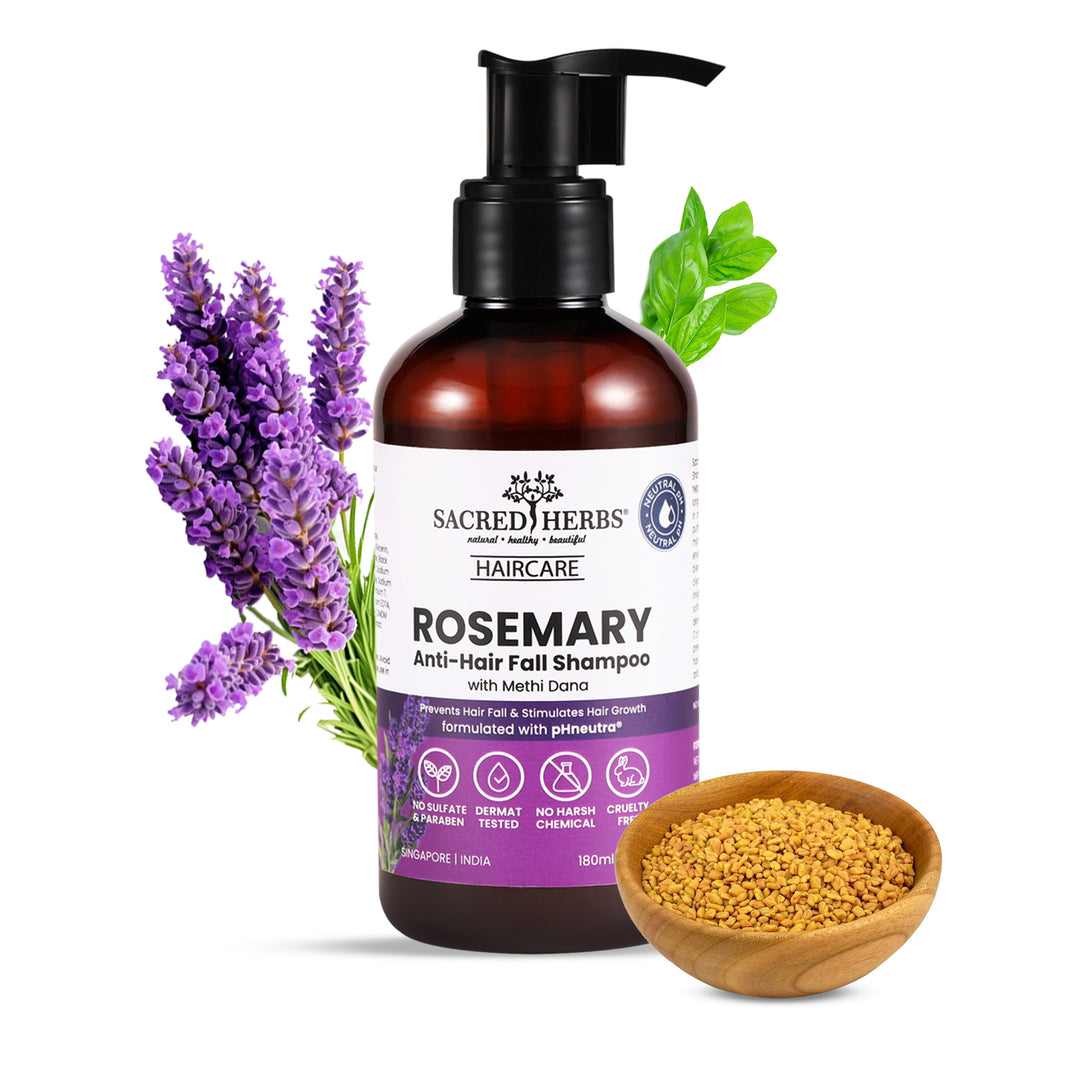
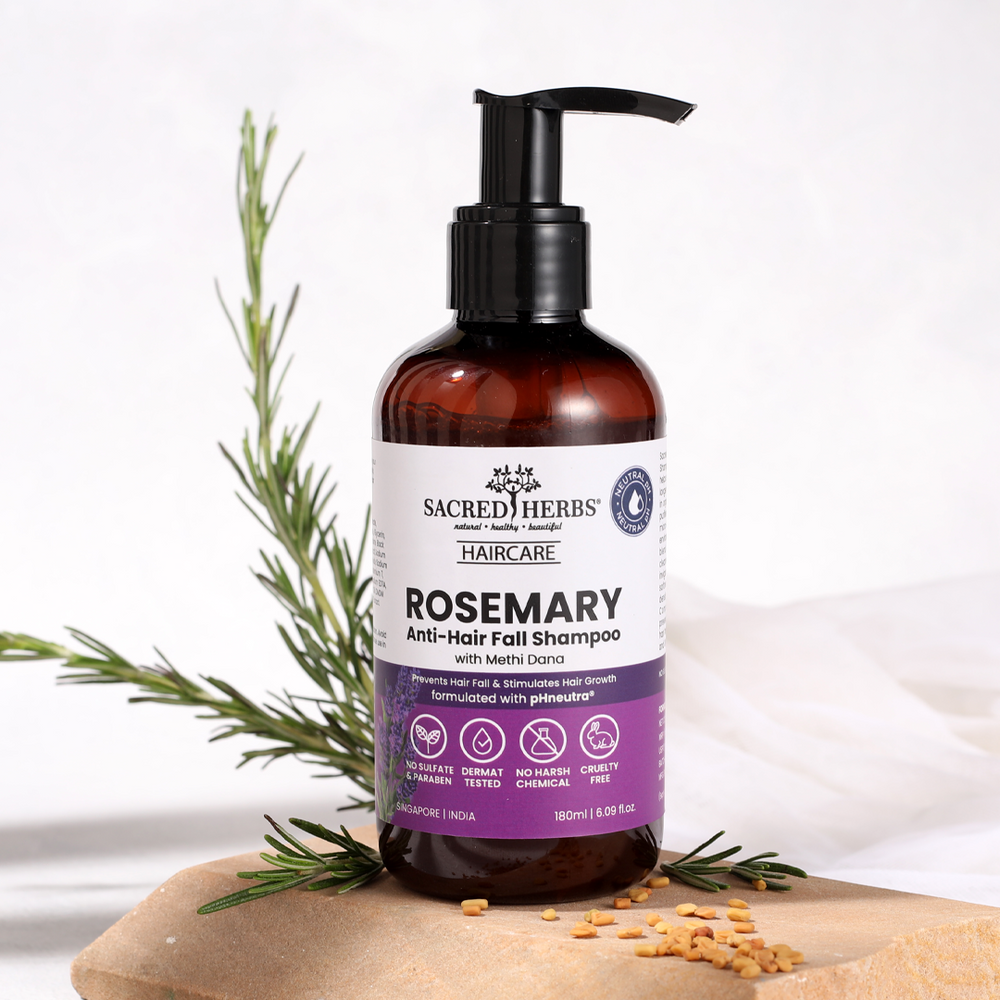
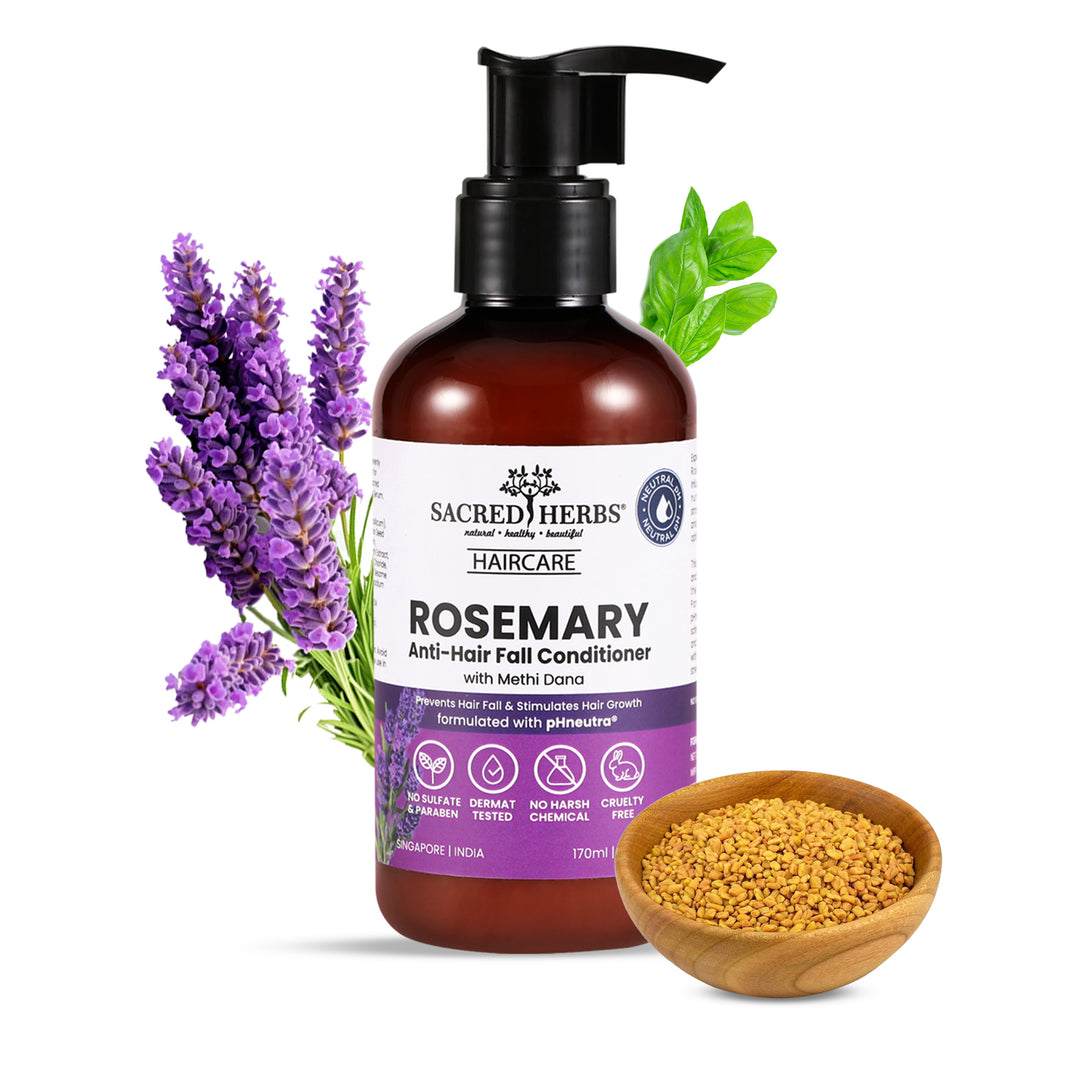
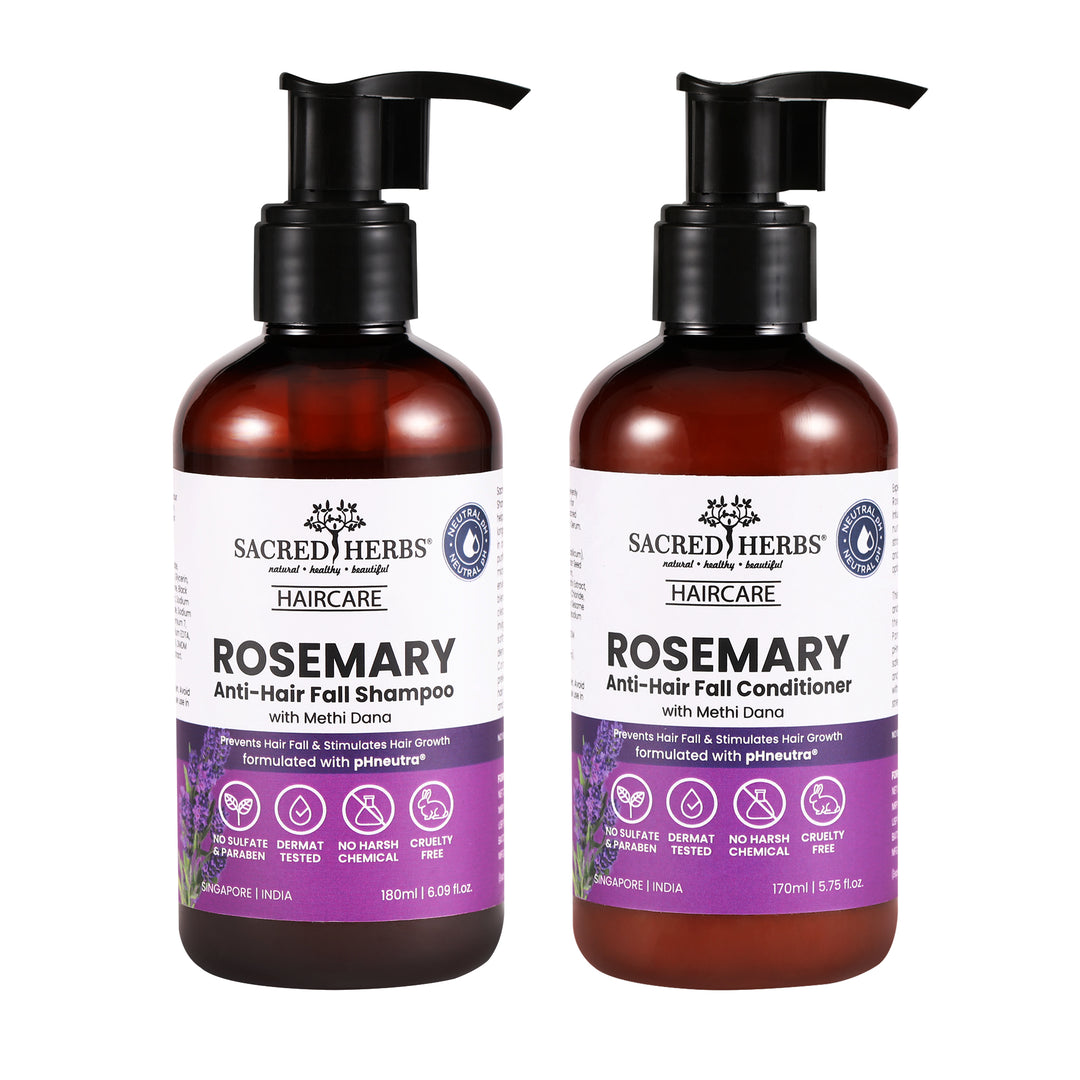
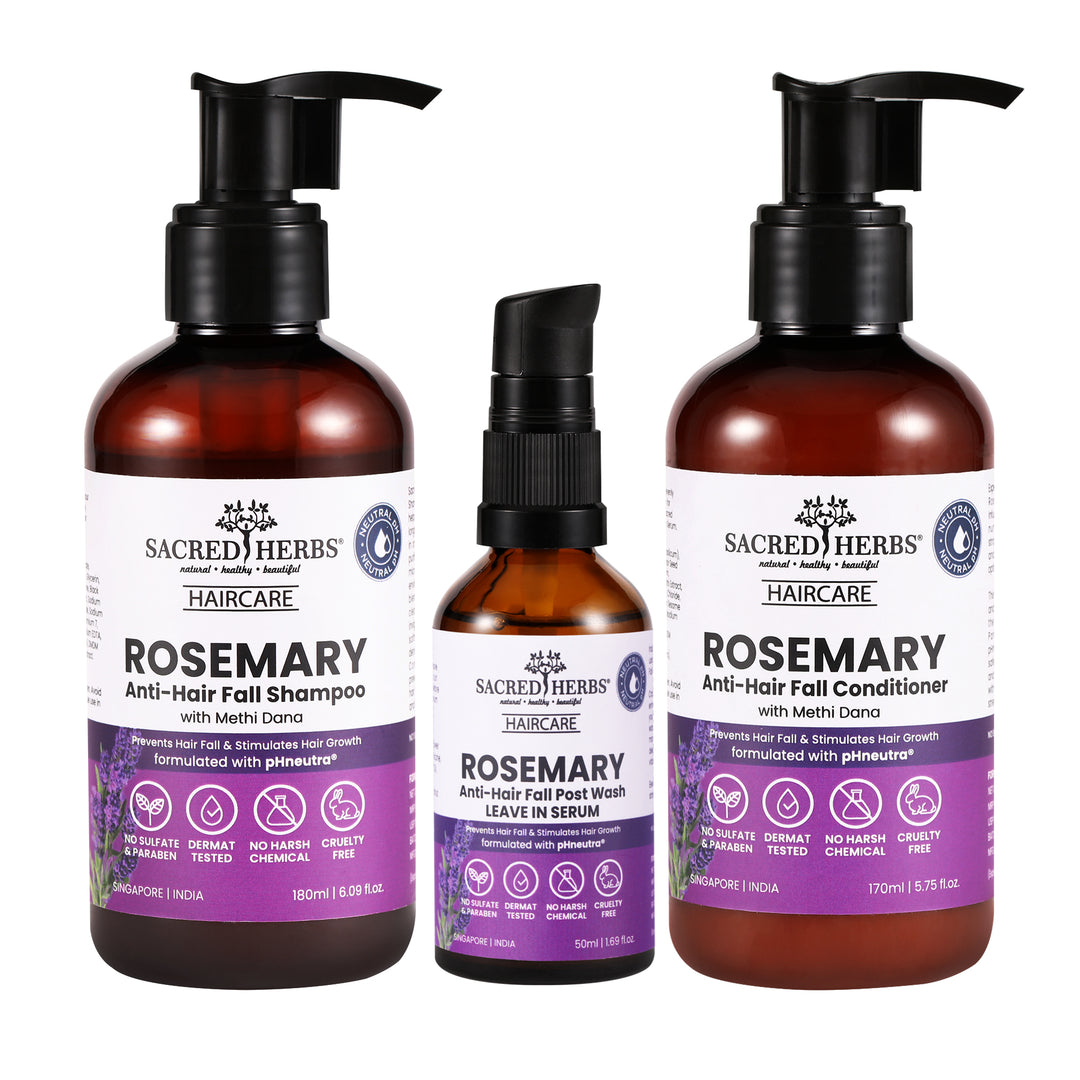
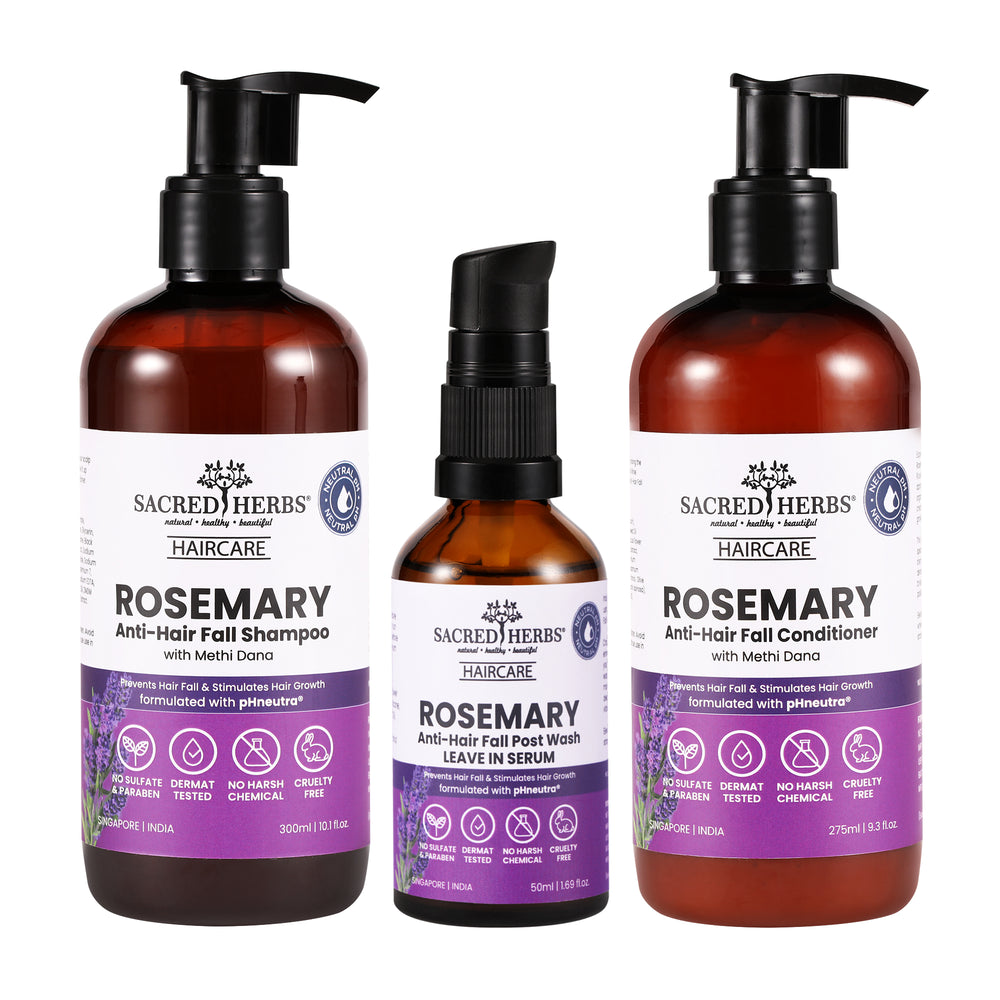
The Hair Care collection at Sacred Herbs is built around botanical ingredients in the same tradition of plant-based scalp support.
The Routine That Amplifies Rosemary
Rosemary works best on a supportive foundation:
-
Sulfate-free washing three times weekly, preserving the scalp environment rosemary supports
-
Weekly pre-wash oil treatment with bhringraj or amla
-
Adequate nutrition, since deficiencies outweigh any topical
-
Gentle handling to reduce breakage
-
Reduced chemical stress. Ammonia-based coloring irritates the scalp rosemary is trying to calm. The Hair Color range at Sacred Herbs offers gentler botanical grey coverage.
For the complete foundation in one purchase, the Super Premium Pack from Sacred Herbs coordinates the botanical essentials into one system. Sacred Herbs formulates around traditional botanicals with genuine standing in Indian hair care.
Tracking Whether It Works for You
The study measured hair count objectively. You can approximate this discipline at home:
-
Photograph your hairline, crown, and parting in consistent light on day one
-
Apply rosemary serum consistently, daily, to the scalp
-
Keep the rest of your routine stable
-
Re-photograph at weeks six and twelve, and again at month six if continuing
-
Compare images, not impressions
If a full trial shows nothing, rosemary may not suit your specific cause, and a dermatologist's evaluation is the next step.
The Honest Limits
Even with its evidence, rosemary cannot:
-
Regrow hair on areas with dormant follicles
-
Override hormonal or nutritional causes
-
Guarantee results, since not everyone responds
-
Replace medical treatment for significant hair loss
The study is encouraging, not a promise.
Frequently Asked Questions
Q: What did the rosemary study actually show?
Rosemary oil showed hair count improvements comparable to 2% minoxidil over six months for androgenetic alopecia, with less scalp itching reported.
Q: How should I apply a rosemary hair growth serum?
To the scalp, not the lengths, with a two- to three-minute fingertip massage, left on without rinsing.
Q: How long before rosemary serum shows results?
Eight to twelve weeks for early signs, with the study's results developing over six months. Patience is essential.
Q: Can I use pure rosemary essential oil on my scalp?
Only diluted in a carrier oil. Never apply undiluted essential oil directly, as it can irritate the skin.
Q: Does rosemary work for all types of hair loss?
The evidence is for androgenetic alopecia. It may not help hair loss from other causes, and dormant follicles need medical treatment.
Q: Is rosemary serum safe for daily use?
Most formulated rosemary serums are made for daily scalp use. Patch test first and discontinue if irritation occurs.