


Rosemary Conditioner for Hair Growth
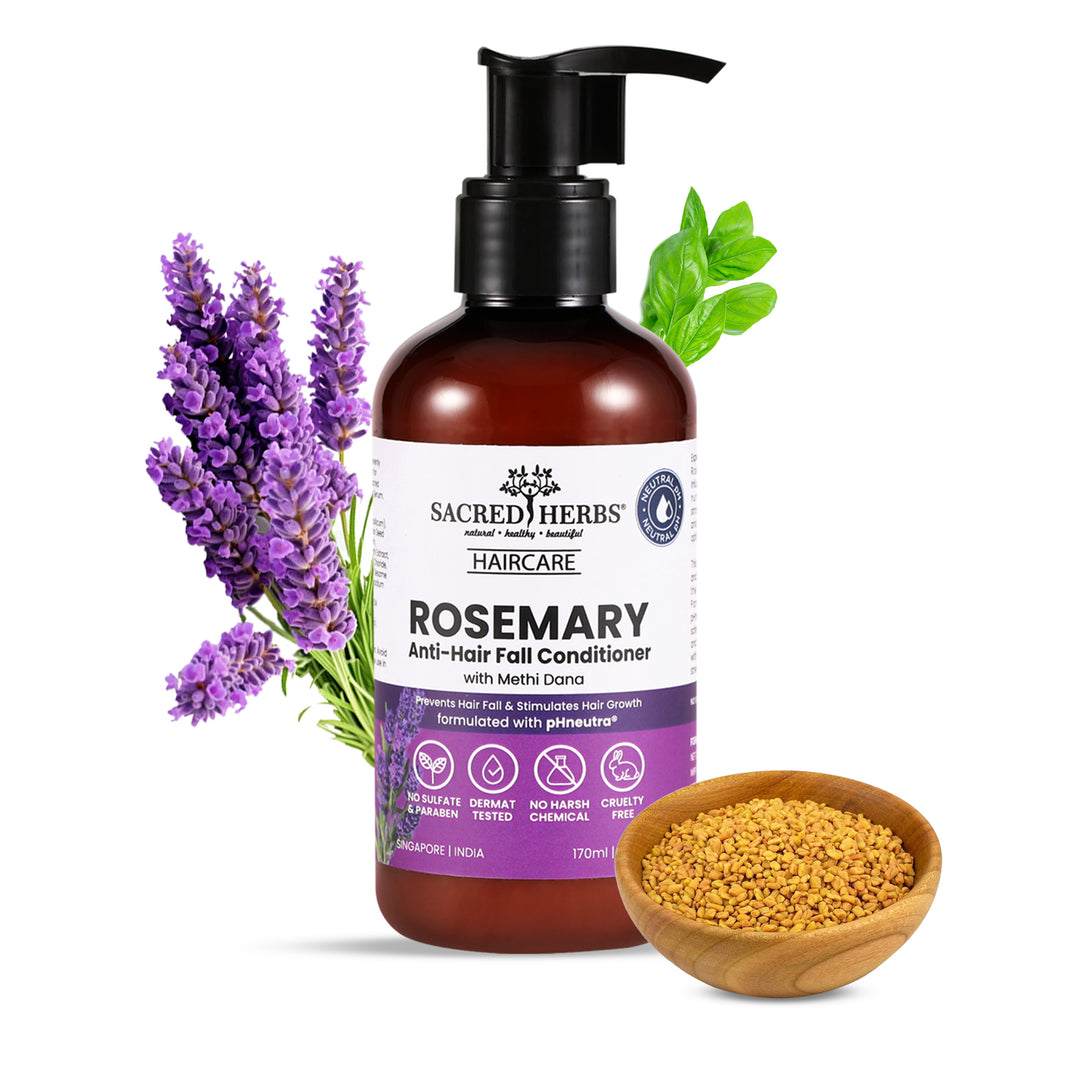
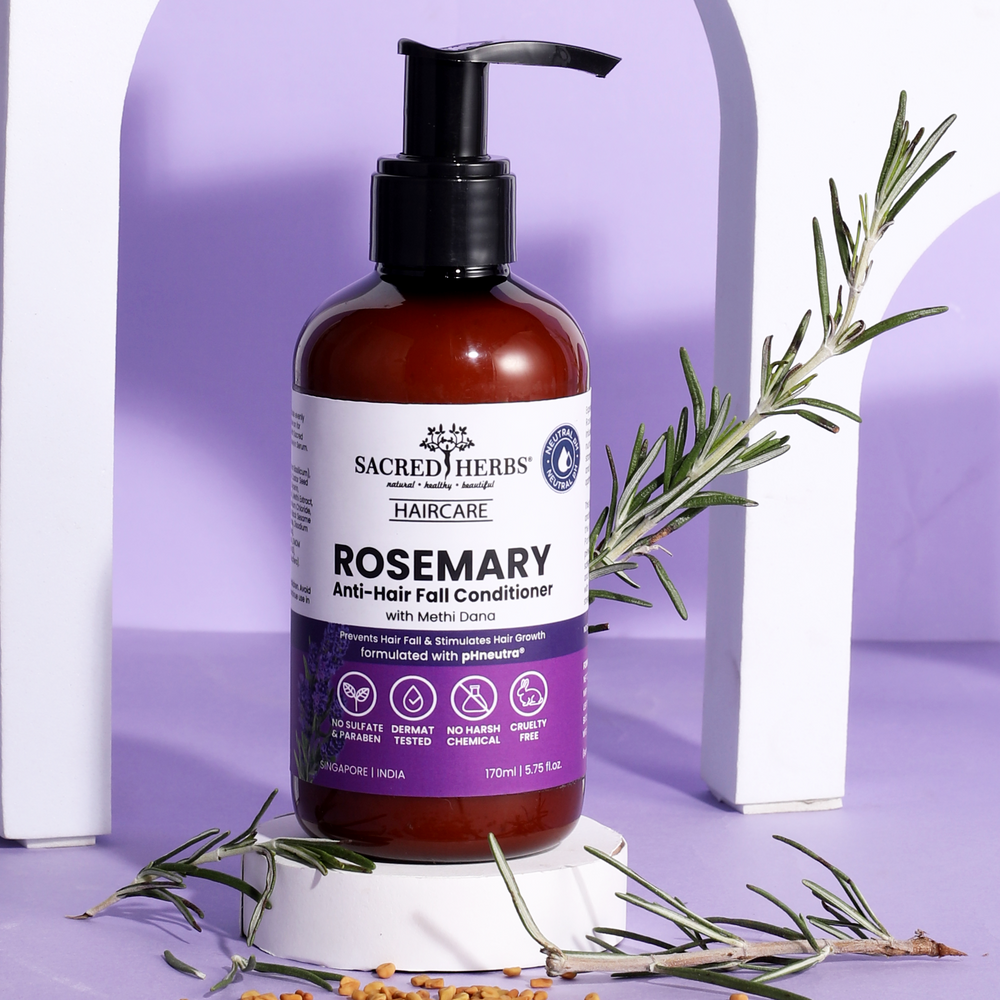
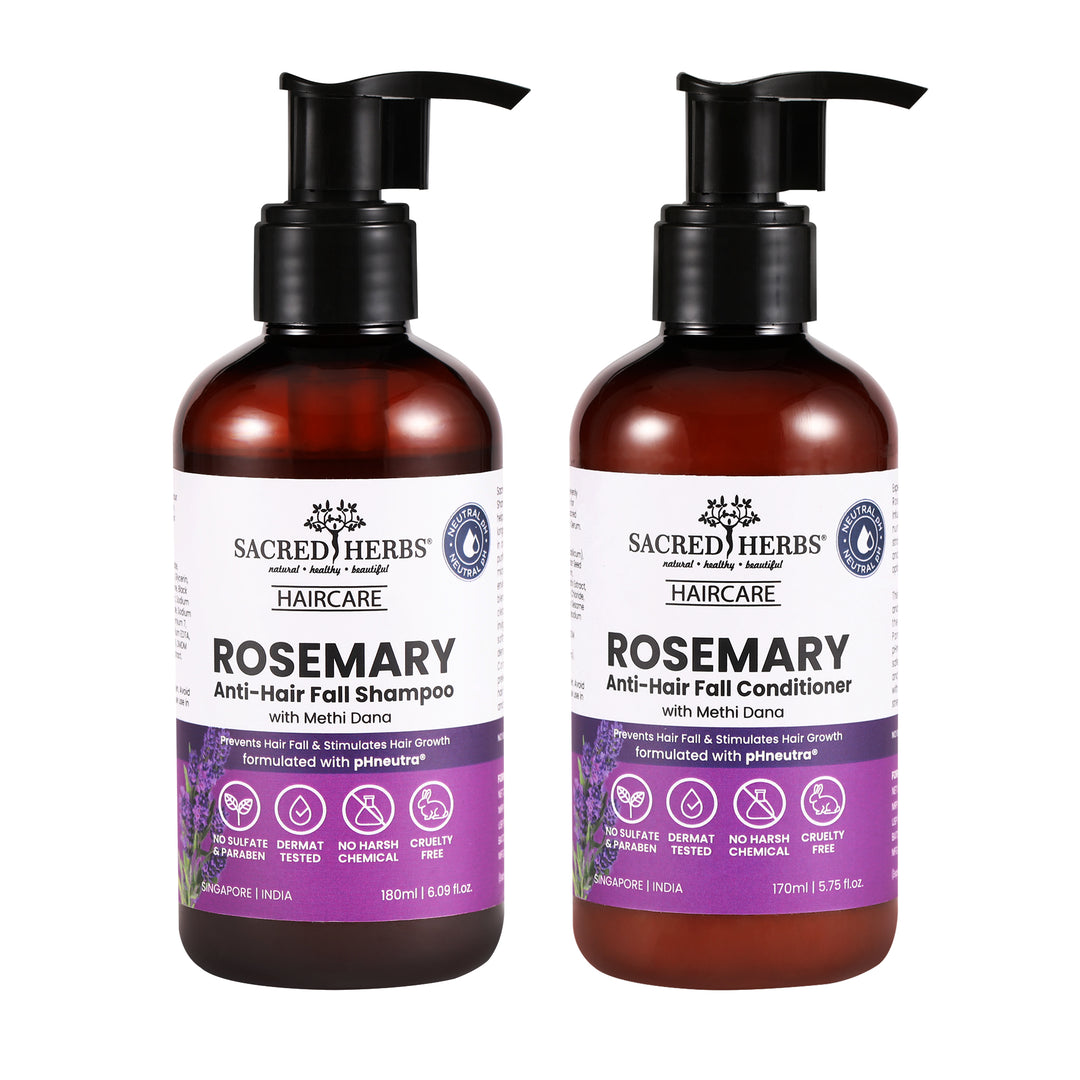

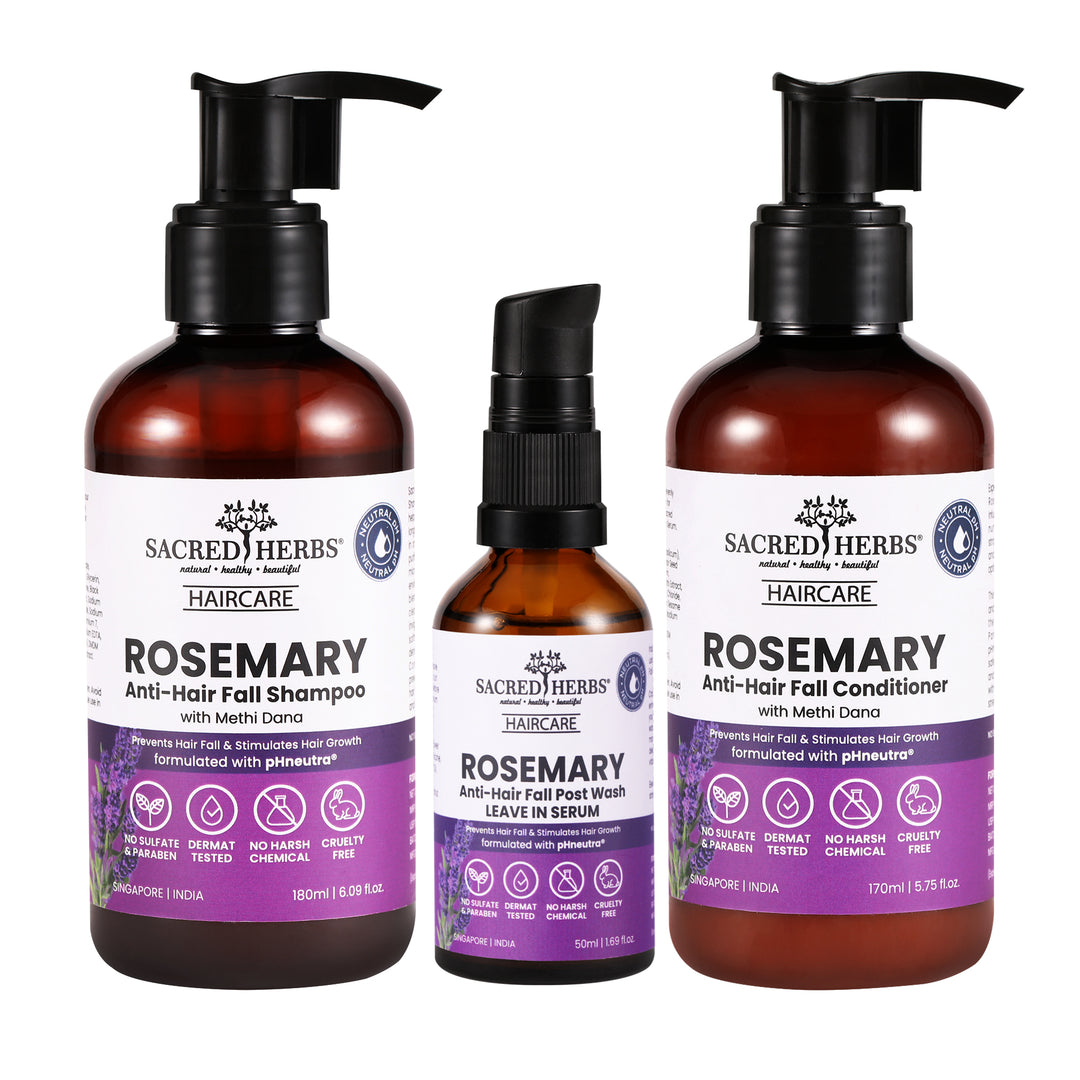
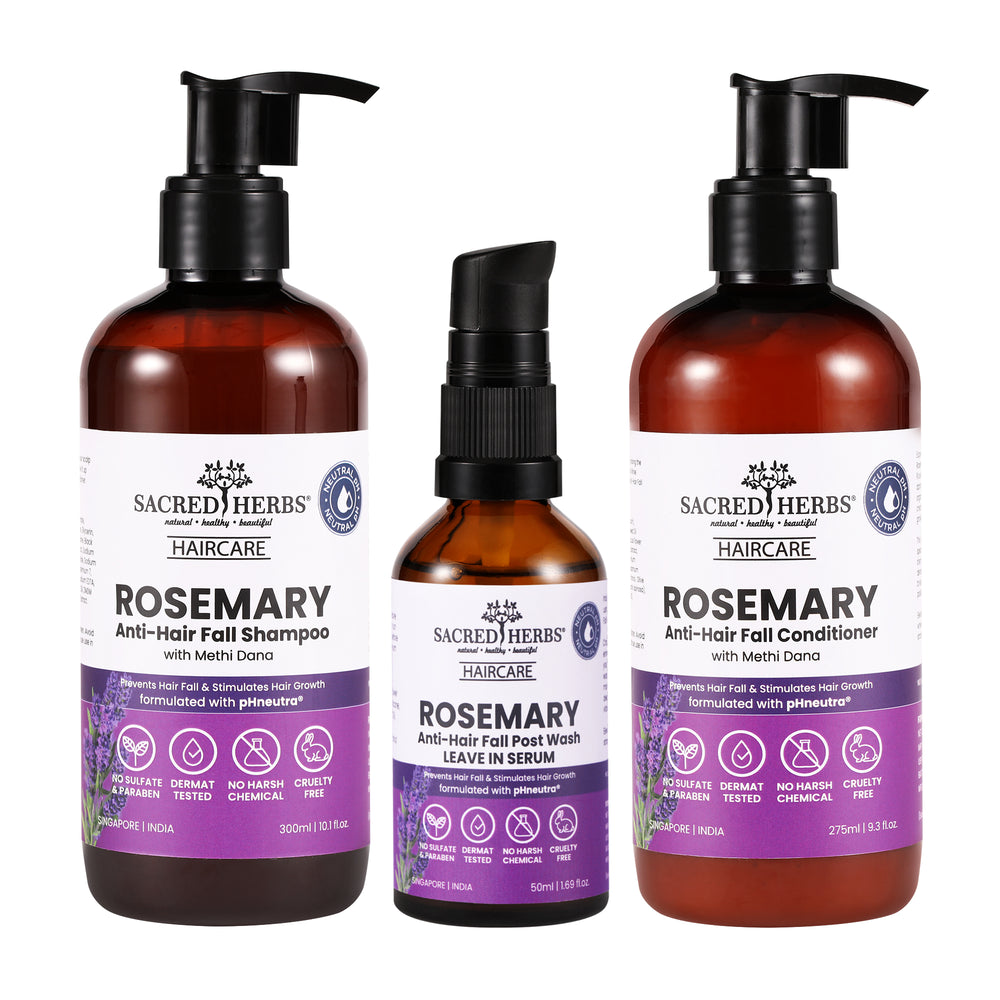
Does a Rosemary Conditioner for Hair Growth Actually Work? Here Is the Honest Answer
If you have spent any time on Indian beauty forums,... Read More
Does a Rosemary Conditioner for Hair Growth Actually Work? Here Is the Honest Answer
If you have spent any time on Indian beauty forums, YouTube hair care channels, or even scrolling through Nykaa reviews in the past two years, you have almost certainly encountered rosemary as a hair growth ingredient. The conversation started internationally and arrived in India quickly. The popularity is not entirely without basis. There is genuine evidence behind rosemary's role in scalp health. But conditioner is a different delivery format from an oil or a serum, and understanding what rosemary conditioner can and cannot do in that format is what this article is here to establish.
Why Rosemary Is Getting So Much Attention for Hair Growth
The ingredient science starts with a 2015 peer-reviewed trial that compared rosemary oil directly to 2% minoxidil for androgenetic alopecia. After six months, both interventions produced comparable hair count improvements. The rosemary group reported less scalp itching. This study, published in SKINmed Journal, is the primary piece of evidence that elevated rosemary from a folk remedy to a seriously discussed ingredient in trichology circles.
Rosemary's active compounds include:
-
Rosmarinic acid: Anti-inflammatory and antioxidant properties that support a healthy scalp environment
-
Ursolic acid: Proposed to improve scalp microcirculation and support follicle health
-
Carnosic acid: Contributes to rosemary's antioxidant profile, which may help protect the scalp against oxidative stress-related follicle damage
-
DHT-inhibiting activity: Rosemary extracts have shown in vitro evidence of inhibiting the enzyme 5-alpha reductase, which converts testosterone into DHT, the hormone implicated in follicle miniaturization
This is why rosemary conditioner for hair growth in India is worth more than dismissal. The ingredient has a legitimate evidence base. The question is whether conditioner is the right vehicle.
Conditioner as a Delivery Format: Strengths and Limitations
What Conditioner Does Well
Conditioner is an effective delivery format for ingredients that work at the hair shaft level. Hydrolyzed proteins, emollients, cationic conditioning agents, and moisturizing botanicals deposit on the hair fiber and cuticle during the contact time. Because conditioner stays on the hair for several minutes before rinsing, it has more active ingredient contact time than a rinse-through shampoo.
The Scalp Application Question
Most conditioners are designed for mid-lengths and ends, avoiding the scalp to prevent buildup and greasiness. However, rosemary's primary mechanism for hair growth is scalp-level: it affects the follicle environment, circulation, and DHT activity. A conditioner applied only to lengths delivers rosemary to the shaft but not to the scalp, where its hair growth properties are most relevant.
The practical solution is to choose a rosemary conditioner formulated for both scalp and lengths application, or to combine a rosemary scalp serum or oil with a rosemary conditioner for complete coverage of the hair system.
The Hair Care collection at Sacred Herbs approaches this with a botanical formulation philosophy that treats scalp and hair shaft health as connected rather than separate concerns.
What to Look for in a Rosemary Conditioner for Hair Growth in India
Non-Negotiable Ingredient Criteria
Rosemary extract concentration: Rosemary should appear within the first ten ingredients. Lower-listed positions indicate trace amounts unlikely to deliver meaningful scalp benefit.
Complementary growth-supporting botanicals:
-
Bhringraj (Eclipta alba): Ayurvedic tradition of scalp support; regularly included in Indian hair growth formulations
-
Amla: Supports the scalp environment and may contribute to follicle health
-
Biotin or panthenol: Vitamin B5 penetrates the hair shaft and supports cortex integrity
-
Caffeine extract: Some evidence for stimulating follicle activity; pairs well with rosemary in growth-focused formulations
-
Pea peptides: Growing evidence base for supporting hair density when applied topically
Appropriate base formulation: The conditioner base itself should be free of heavy silicones that cause buildup, sulfates (which have no place in a rinse-out conditioner), and high fragrance concentrations, particularly for scalp-sensitive consumers.
pH balance: A slightly acidic pH supports cuticle closure and scalp health simultaneously.
How to Use Rosemary Conditioner for Hair Growth Correctly
The application method determines how much benefit reaches the scalp versus remaining at the hair shaft level.
Standard approach (lengths and ends):
-
After shampooing, squeeze excess water from hair
-
Apply rosemary conditioner from mid-lengths to ends
-
Comb through gently with a wide-tooth comb
-
Leave on for three to five minutes
-
Rinse with cool water
Scalp-targeted approach (for growth focus):
-
Apply a small amount of conditioner to fingertips
-
Massage gently into the scalp for two minutes using circular motions before applying the remainder to the lengths
-
This scalp massage step improves circulation independently of the ingredients, adding a mechanical benefit to the chemical one
-
Leave on for five minutes total
-
Rinse thoroughly with cool water
Building a Hair Growth Routine Around Rosemary Conditioner
Rosemary conditioner works best as part of a complete, consistent routine. Here is how the full week should look:
Every wash day (3 times per week):
-
Rosemary-forward botanical shampoo
-
Rosemary conditioner with scalp massage technique
Once a week:
-
Pre-wash bhringraj or rosemary-infused oil treatment applied to the scalp and left for two to three hours before washing
Once a week:
-
Deep conditioning hair masque focused on the lengths, particularly important if hair is also colour-treated or previously damaged
Daily:
-
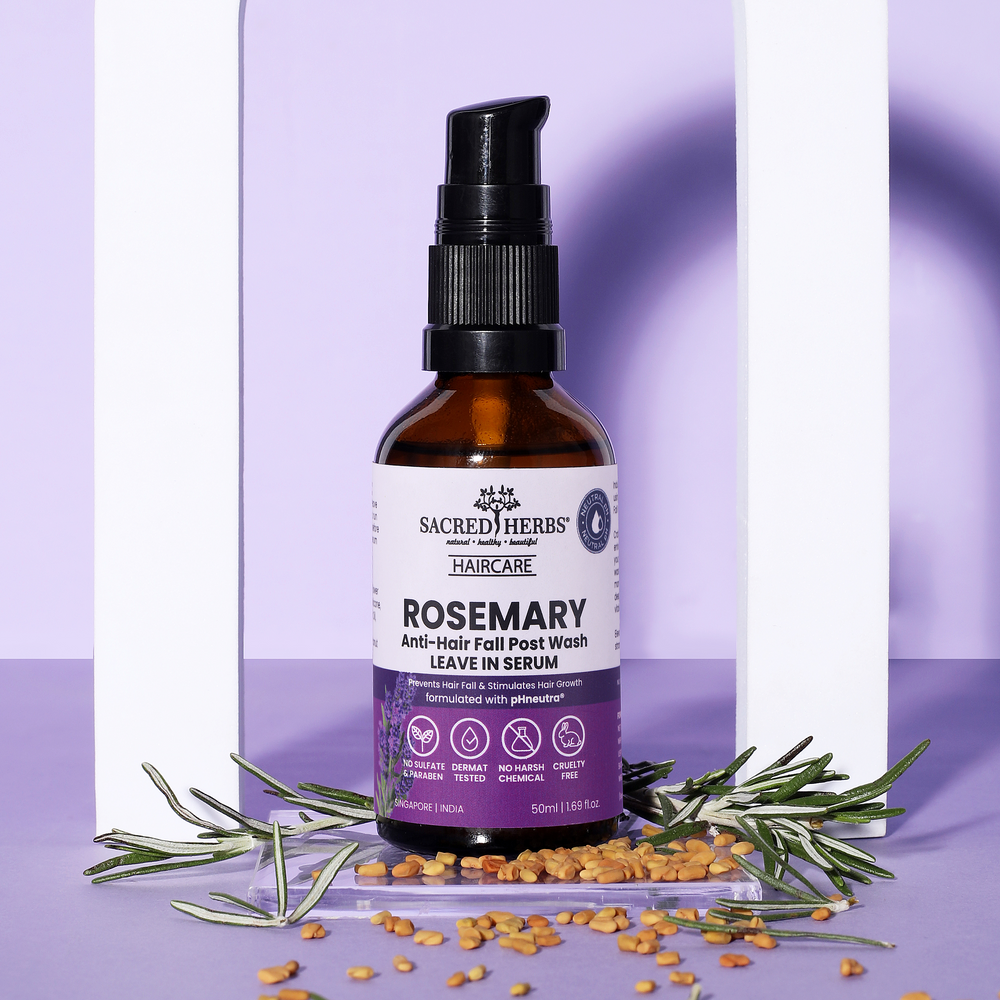
Leave-in botanical serum applied to a damp scalp after washing
For color treated hair that is also experiencing thinning or fall, the Hair Color range at Sacred Herbs includes ammonia-free botanical formulations that reduce chemical stress on already-challenged follicle environments.
What Rosemary Conditioner Cannot Do: Setting Realistic Expectations
It is important to be direct here.
Rosemary conditioner is not a medical treatment for hair loss. It does not reverse the genetic programming behind androgenetic alopecia. It does not address hair loss caused by thyroid disorders, severe iron deficiency, PCOS, or other systemic conditions. These require medical diagnosis and management.
What rosemary conditioner can do, used consistently over eight to twelve weeks as part of a complete routine:
-
Support a healthier scalp environment
-
Reduce hair fall caused by scalp inflammation, stress-related shedding, or weakened hair shafts
-
Improve hair texture and strength through complementary conditioning ingredients
-
Contribute to visible improvements in hair density for non-medical hair fall causes
Sacred Herbs formulates its products with transparency about what botanical ingredients can reasonably be expected to deliver, and the rosemary conditioner fits within a genuine, evidence-informed approach to scalp health.
For a comprehensive herbal hair care system combining treatment, colouring, and daily care products, the Super Premium Pack from Sacred Herbs is designed around exactly this philosophy.
Rounding out a botanically consistent personal care routine, the Body collection brings the same plant-based ingredient values to daily skin care.
Frequently Asked Questions
Q: Can rosemary conditioner alone stop hair fall?
No single product stops hair fall entirely. Rosemary conditioner supports scalp health and reduces breakage-related shedding as part of a broader routine.
Q: How often should I use rosemary conditioner for hair growth?
After every shampoo session, three times per week. Consistency over several weeks is what produces meaningful results.
Q: Is rosemary conditioner safe during pregnancy?
Consult your obstetrician before using any targeted hair growth product during pregnancy. Rosemary in cosmetic formulations is generally considered low-risk topically, but individual guidance is essential.
Q: Can men use rosemary conditioner for hair growth?
Yes. Rosemary's proposed DHT-related mechanism is relevant to male pattern hair loss, though results vary, and it is not a substitute for dermatological treatment in significant hair loss.
Q: Does rosemary conditioner work on naturally thick, dense Indian hair?
Yes. The scalp-level action of rosemary is not affected by hair thickness, though denser hair may need more thorough application to ensure scalp contact.
Q: How long before I see visible results from rosemary conditioner?
Hair growth cycles require patience. Most users see changes in shedding and hair texture within four to six weeks. Growth-related improvements typically become visible after ten to twelve weeks of consistent use.