


Rosemary and Methi Shampoo
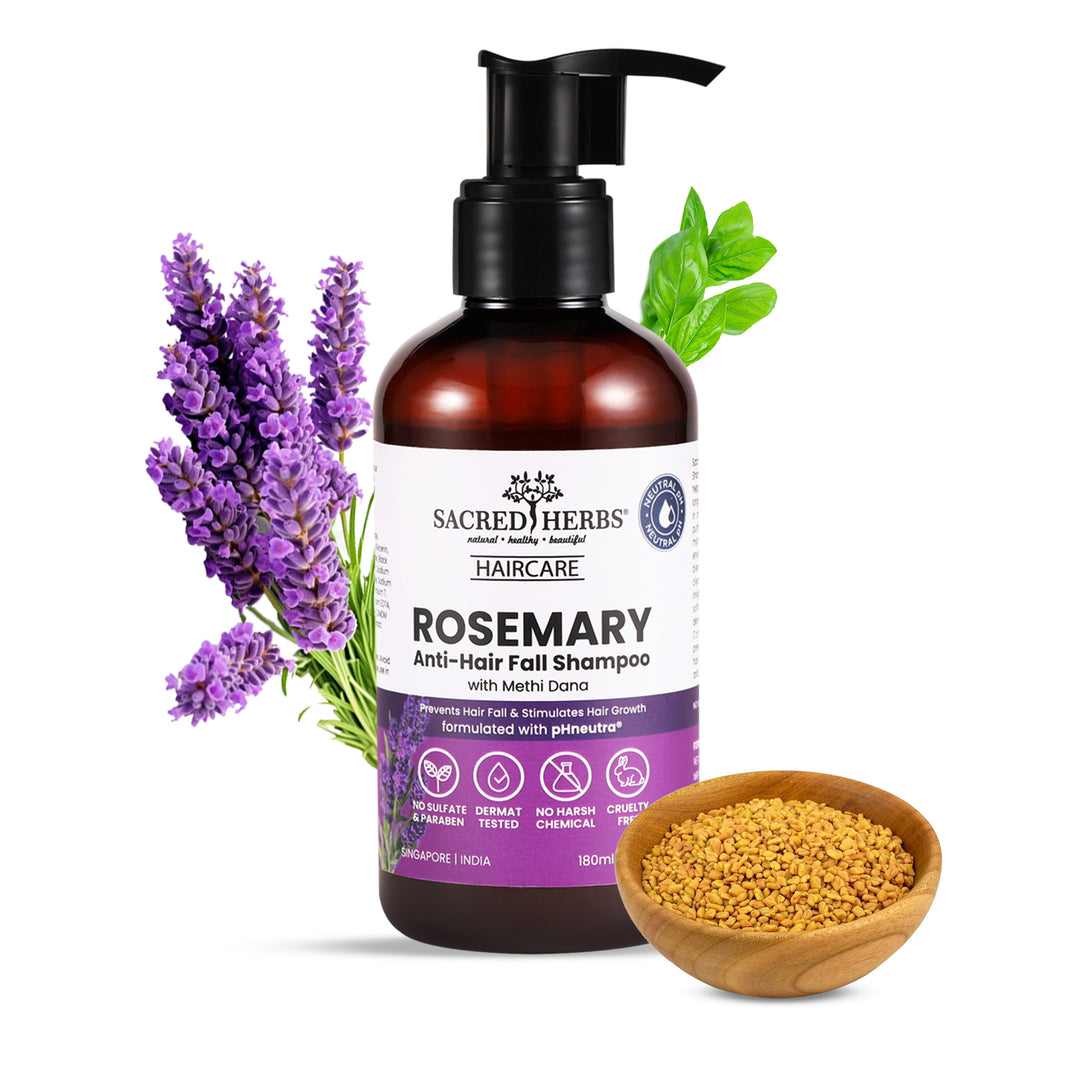
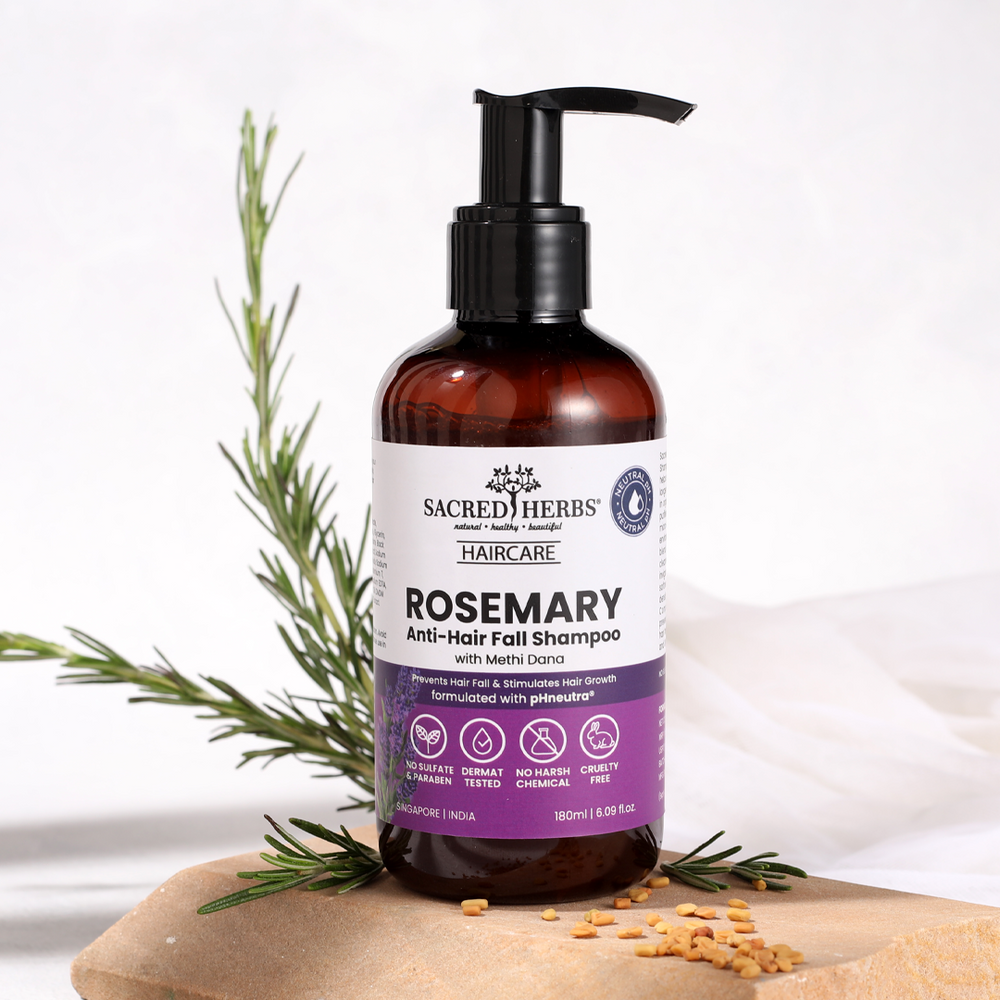
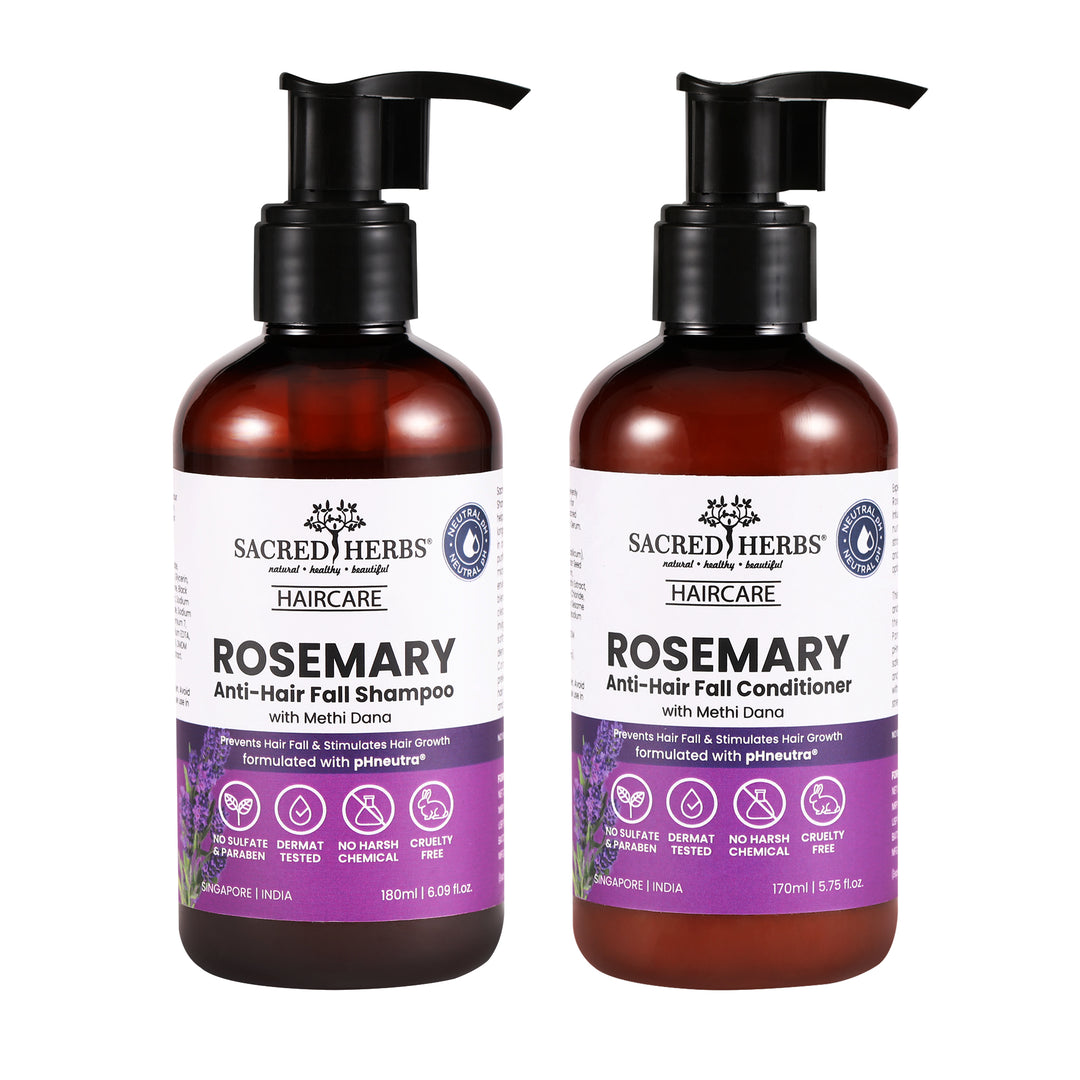

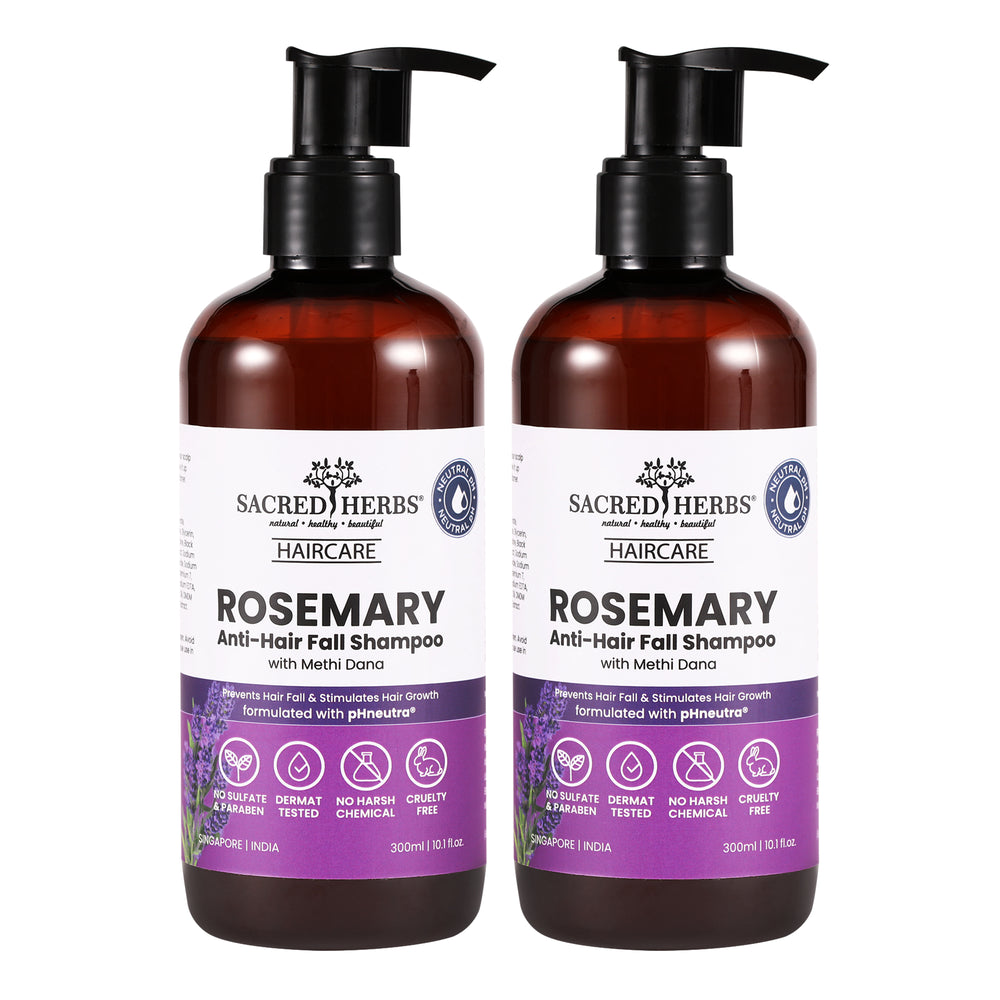
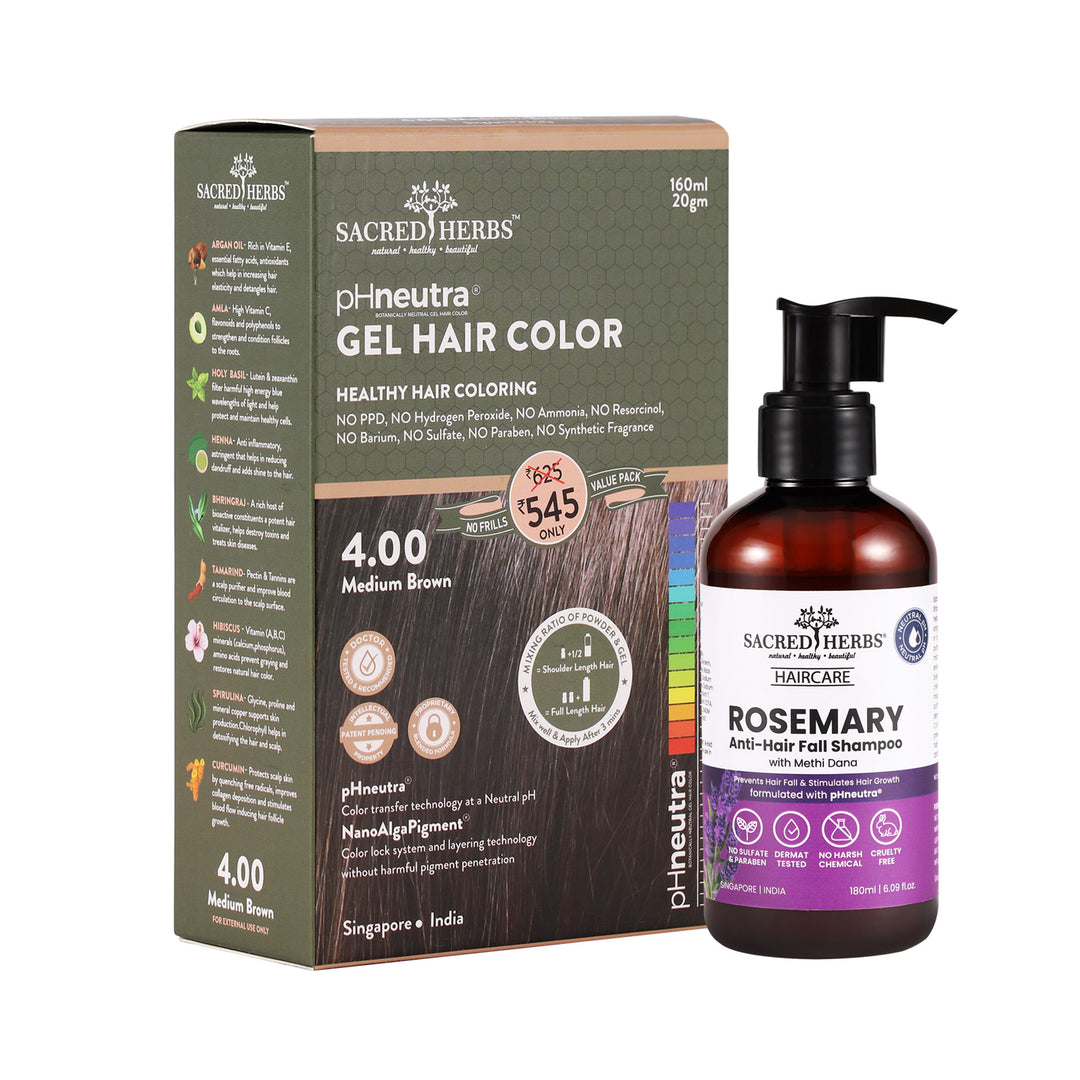
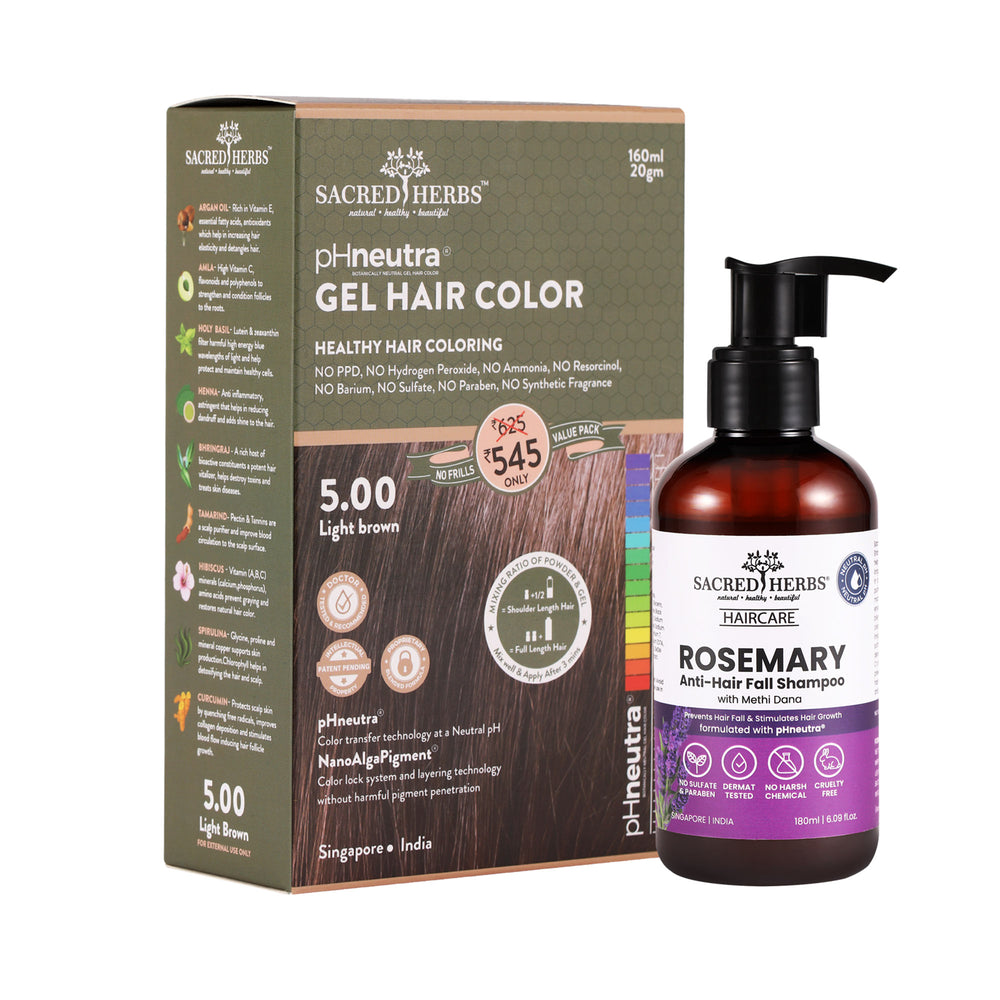
Rosemary and Methi Shampoo: Understanding the Benefits for Hair and Scalp
Two ingredients. One from the Mediterranean hillsides. One from Indian kitchens and Ayurvedic pharmacies. Rosemary and fenugreek... Read More
Rosemary and Methi Shampoo: Understanding the Benefits for Hair and Scalp
Two ingredients. One from the Mediterranean hillsides. One from Indian kitchens and Ayurvedic pharmacies. Rosemary and fenugreek have been used separately for hair care across different cultures for centuries. Their combination in a single shampoo formulation is not a marketing exercise. It is a genuinely complementary pairing where both ingredients bring distinct but compatible mechanisms to the same goal: a healthier scalp and reduced hair shedding.
Rosemary and methi shampoo in India is a category that is growing because consumers are looking beyond fragrance and lather. They want to understand what their shampoo actually does. This guide covers the active properties of both ingredients, what their combination achieves on Indian hair and scalp, who benefits most, and how to build a routine around this formulation for real results.
Rosemary: What It Does for the Scalp and Hair
The Botanical Background
Rosemary (Rosmarinus officinalis) is a woody herb native to the Mediterranean. Its extract, derived from the leaves, contains rosmarinic acid, ursolic acid, carnosic acid, and several other active compounds that have attracted significant research attention in recent years.
What the Research Shows
A 2015 randomized comparative trial published in SKINmed Journal compared rosemary oil to 2% minoxidil in participants with androgenetic alopecia over six months. Both groups showed similar improvements in hair count, with the rosemary group reporting significantly less scalp itching as a side effect. This was a notable finding because it placed a botanical ingredient in direct, peer-reviewed comparison with a clinically established hair loss treatment.
The primary proposed mechanism is improved scalp microcirculation. Rosemary's active compounds are thought to support blood flow to hair follicles and inhibit the binding of DHT (dihydrotestosterone), a hormone implicated in follicle miniaturization in androgenetic hair loss.
For Indian consumers dealing with stress-related hair fall, seasonal shedding, or premature thinning, these properties make rosemary a genuinely relevant ingredient.
Methi Dana: The Ayurvedic Counterpart
What Fenugreek Brings to the Formula
Fenugreek seeds (Trigonella foenum-graecum) contain:
-
Nicotinic acid: associated with scalp circulation and follicle health
-
Lecithin: a natural emollient that coats and conditions the hair shaft
-
Protein: approximately 26 per cent of the seed's composition, which directly supports hair fibre strength
-
Diosgenin: a phytoestrogen that has attracted research interest in hormonal hair loss contexts
-
Saponins: natural cleansing compounds that provide gentle, low-foam scalp cleaning
How Methi Complements Rosemary
Rosemary targets the scalp at the follicle and circulation level. Methi targets the hair shaft strength and scalp surface cleansing. Together, they address both the structural hair concern (breakage and thinning strands) and the follicular environment concern (reduced blood flow, DHT activity, scalp inflammation).
This dual action is what makes rosemary and methi shampoo in India more than the sum of its parts.
The Hair Care collection at Sacred Herbs is formulated around this kind of botanical ingredient synergy, combining traditional Ayurvedic ingredients with globally recognized active botanicals.
Who Benefits Most From Rosemary and Methi Shampoo
This shampoo formulation is particularly well-suited for:
-
Adults with diffuse thinning or gradual hair fall that has developed over months or years
-
Men and women with stress-related or seasonal shedding that worsens during certain periods
-
Consumers with a sensitive or inflamed scalp who need a gentle but active cleanser
-
Those transitioning away from chemical-heavy conventional shampoos to botanical alternatives
-
Colour-treated hair users who need a scalp-supportive shampoo that does not strip colour or further stress already-compromised hair
What to Look for in a Rosemary and Methi Shampoo for the Indian Market
When evaluating any rosemary and methi shampoo product on the Indian market, these criteria matter:
1. Ingredient positioning Both rosemary extract and fenugreek should appear within the first ten listed ingredients. Presence at the tail end of a long list indicates minimal inclusion.
2. Sulfate-free formulation A botanical shampoo built on a harsh sulfate base undermines the gentleness that makes herbal formulations worth choosing. Confirm the absence of sodium lauryl sulfate and sodium laureth sulfate.
3. Complementary scalp botanicals Effective rosemary and methi shampoos typically include supporting botanicals such as bhringraj, amla, neem, or shikakai that work in the same direction for scalp and hair health.
4. Appropriate pH A slightly acidic pH, in the range of 4.5 to 5.5, supports the scalp's natural environment and helps the cuticle remain closed after washing.
5. Absence of silicones and synthetic fragrance Silicone buildup on the scalp can block follicles over time. Synthetic fragrance is a common irritant on sensitive scalps.
How to Use Rosemary and Methi Shampoo for Maximum Results
Technique matters as much as product selection. Follow this approach consistently:
-
Wet the scalp and hair thoroughly with lukewarm water
-
Apply a small amount of shampoo directly to the scalp
-
Massage with fingertips using circular motions for two to three minutes. This is not optional. Scalp massage during washing supports circulation and increases active ingredient contact time with the scalp surface.
-
Allow the shampoo to sit for one to two minutes before rinsing
-
Rinse completely with cool water
-
Follow with a conditioner applied to mid-lengths and ends only
Use three times per week for consistent results. Daily washing, even with a gentle formula, disrupts the scalp's natural oil balance and can exacerbate shedding over time.
Building a Complete Routine Around Rosemary and Methi Shampoo
A shampoo delivers its best results within a supportive broader routine. The minimum effective routine to pair with rosemary and methi shampoo:
-
Weekly pre-wash oil treatment using bhringraj or amla oil applied to the scalp and lengths two to three hours before washing
-
Conditioner is applied after every wash to mid-lengths and ends
-
Weekly deep conditioning masque to support hair shaft strength alongside the scalp benefits the shampoo delivers
-
Leave-in serum applied to damp hair after washing to extend scalp-active ingredient contact through the day
For those colouring their hair while managing hair fall, choosing a botanically formulated, ammonia-free hair colour removes a significant layer of chemical stress from the system. The Hair Color range at Sacred Herbs offers options designed with this in mind.
For a curated, integrated herbal hair care system that covers wash, treatment, and color under one botanical philosophy, the Super Premium Pack from Sacred Herbs is built to work as a complete routine.
Timeline: When to Expect Results
Hair growth cycles mean that topical hair care results take time. A realistic timeline for rosemary and methi shampoo:
-
Weeks 1 to 3: The scalp may feel less itchy or less inflamed. Overall, the shedding pattern begins to shift.
-
Weeks 4 to 6: Noticeable reduction in post-wash shedding for many users. Hair feels stronger and less prone to breakage.
-
Weeks 8 to 12: For follicle-level improvements, results typically become visible. New baby hairs may appear at the hairline for those responding well.
Consistency without interruption is essential to this timeline.
Frequently Asked Questions
Q: Is rosemary and methi shampoo suitable for all hair types?
Yes. This formulation is generally suitable for all hair types. Those with very oily scalps may need to wash slightly more frequently. Those with very dry scalps benefit most from the conditioning properties of methi.
Q: Can rosemary and methi shampoo be used on colour-treated hair?
Yes, provided it is sulfate-free. A gentle botanical formula protects color while supporting scalp health.
Q: How long should I use rosemary and methi shampoo before assessing results?
A minimum of eight to twelve weeks of consistent use is necessary to assess whether the formulation is producing meaningful results for hair fall.
Q: Is this shampoo suitable for men with male pattern hair loss?
Rosemary's DHT-inhibiting properties make it relevant for androgenetic hair loss, but it is not a medical treatment. Men with significant pattern baldness should consult a dermatologist.
Q: Can I use rosemary and methi shampoo every day?
Three times per week is optimal. Daily use disrupts the scalp's natural oil cycle.
Q: Does fenugreek in shampoo leave a smell in the hair?
Formulated shampoo products have a significantly milder fenugreek scent than raw paste. Any residual scent typically dissipates fully after drying.