


Pre-Wash Hair Oil in India
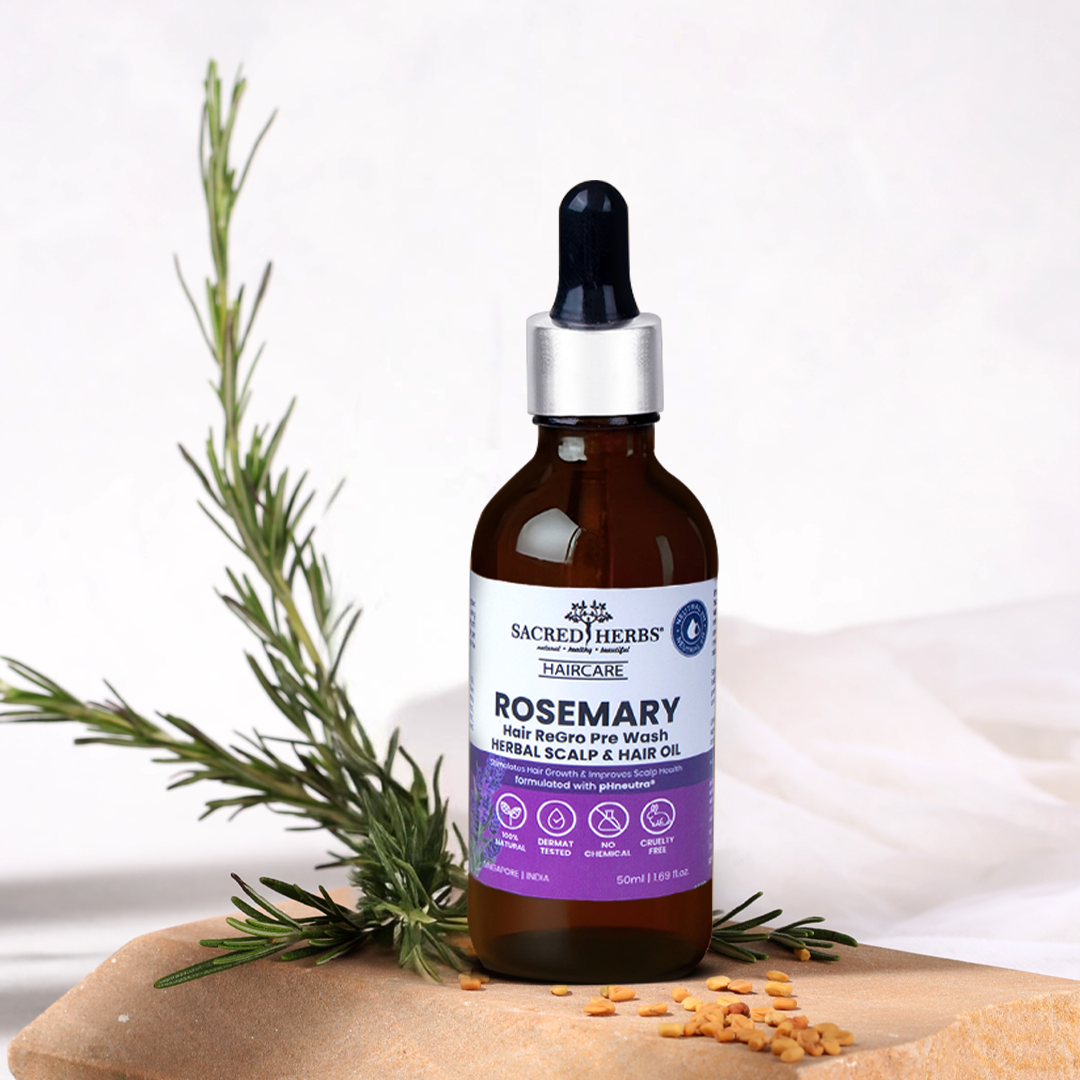

Pre-Wash Hair Oil in India: The One Step Most People Skip That Makes Every Other Product Work Better
Start here: your shampoo is stripping your hair. Not maliciously.... Read More
Pre-Wash Hair Oil in India: The One Step Most People Skip That Makes Every Other Product Work Better
Start here: your shampoo is stripping your hair. Not maliciously. That is simply what shampoo is designed to do. It removes oil, dirt, and product buildup. The problem is that it also removes moisture that your hair needs, and for dry, colour-treated, or weakened Indian hair, that loss compounds with every wash.
Pre-wash hair oil treatment is the step that changes this equation. Applied before shampooing, a pre-wash oil creates a protective barrier on the hair shaft that allows the shampoo to cleanse without stripping. It conditions from the inside out rather than the outside in. And on Indian hair, which faces the combined challenges of hard water, heat, and frequently harsh styling practices, this step delivers results that post-wash products simply cannot replicate on their own.
This is a complete guide to pre-wash hair oil in India: which oils to use, how to apply them correctly, how long to leave them on, and how to work this step into a routine that makes every other product you use more effective.
The Science Behind Why Pre-Wash Oiling Works
What Happens to Hair During Shampooing Without Oil Protection
When hair is shampooed without a protective oil layer, two things happen simultaneously. Water penetrates the hair fiber, causing it to swell. The hair shaft expands as it absorbs water, and this swelling creates mechanical stress on the cuticle scales. At the same time, surfactants in the shampoo remove oil from both the scalp and the hair shaft itself.
This combination of swelling-induced stress and oil stripping is called hygral fatigue. It refers to the repeated expansion and contraction of the hair fiber during wash cycles. Over time, hygral fatigue weakens the cuticle and is a contributing factor in dryness, frizz, and breakage.
How Pre-Wash Oil Addresses Hygral Fatigue
Applying oil to the hair before washing reduces the rate at which water penetrates the fibre. Coconut oil specifically has been shown in published research to penetrate the hair shaft and bind to hair proteins, reducing the degree of water absorption that causes hygral fatigue. This protection means the hair swells less during washing, maintaining its structural integrity through each wash cycle.
Additionally, a pre-wash oil layer means the shampoo removes the surface oil rather than the hair's residual internal lipids, leaving the hair less stripped and more supple after washing.
The Best Oils for Pre-Wash Treatment on Indian Hair
Coconut Oil
Coconut oil is the most well-researched oil for pre-wash application. Its medium-chain fatty acid structure, particularly lauric acid, allows it to penetrate the hair shaft rather than simply coating the surface. Research published in the Journal of Cosmetic Science found that coconut oil significantly reduced protein loss during washing when applied as a pre-wash treatment. On Indian hair, which is typically dense and benefits from deep penetration, coconut oil is the gold standard pre-wash option.
Amla Oil
Amla (Indian gooseberry) oil has centuries of use in Indian hair care and works well as a pre-wash scalp treatment. Its tannin-rich composition may support scalp health and is traditionally associated with strengthening hair at the root. Applied to the scalp 30 to 60 minutes before washing, amla oil addresses the scalp environment rather than just the hair shaft.
Bhringraj Oil
Bhringraj-infused oil targets the scalp specifically. Its Ayurvedic tradition of use for hair fall and scalp nourishment makes it a natural choice for a pre-wash scalp treatment. Applied the night before washing, bhringraj oil has maximum contact time with the scalp for its active botanicals to work.
Castor Oil
Castor oil is heavier and more viscous than other pre-wash oils. It is best used diluted with a carrier oil like coconut or sesame and applied to the lengths and ends rather than the scalp, where its thickness can cause buildup. Its ricinoleic acid content is associated with anti-inflammatory scalp benefits when used appropriately.
Sesame Oil
Sesame oil has a long tradition in Ayurvedic hair care and is particularly well-suited to Indian hair types. It is lighter than castor oil and provides good coverage across both scalp and lengths. Its natural antioxidant content may also provide some UV protection, relevant for sun-exposed Indian hair.
The Hair Care collection at Sacred Herbs is formulated with botanical ingredients that complement a pre-wash oil-based routine.
How to Apply Pre-Wash Hair Oil Correctly
Most people who have tried oiling and found it ineffective were simply not applying it correctly. The technique matters as much as the oil itself.
Step 1: Choose your oil based on your specific need
-
Dry, brittle hair: coconut oil applied to lengths and ends
-
Hair fall or scalp concerns: bhringraj or amla oil massaged into the scalp
-
Both concerns: layer the treatments, scalp first, then lengths
Step 2: Warm the oil slightly Warm oil penetrates the hair shaft more effectively than cold oil. Hold the container under warm water for two minutes or place it in a bowl of warm water before application. Do not microwave.
Step 3: Section and apply systematically Divide hair into four sections. Apply oil section by section to ensure complete coverage. For scalp application, part the hair in small sections and apply directly to the scalp with fingertips. Massage gently in circular motions for three to five minutes.
Step 4: Leave on for the appropriate time The minimum effective contact time is 30 minutes. Two to three hours is significantly better. Overnight application with hair wrapped in a soft cloth delivers the deepest conditioning for very dry or damaged hair.
Step 5: Wash out completely Apply shampoo directly to oiled, dry hair before wetting. This is counterintuitive but important: adding water to heavily oiled hair makes the oil harder to remove. Applying shampoo first, then wetting, removes oil more efficiently.
How Often Should You Pre-Wash Oil in India?
For healthy hair: Once a week is sufficient to maintain the protective and conditioning benefits.
For dry or damaged hair: Twice a week during an intensive restoration phase, then once weekly for maintenance.
For color treated hair: Once a week, timed the night before your scheduled shampoo day. This is particularly valuable because colour processing makes the hair more porous and vulnerable to hygral fatigue.
For those who color their hair regularly, using a botanical, ammonia-free hair colour alongside a consistent pre-wash oiling routine significantly reduces the cumulative stress on the hair fiber. The Hair Color range at Sacred Herbs provides botanical formulation options that align with this protective approach.
Complete Routine Integration
Pre-wash oiling fits into a full weekly routine as follows:
-
Night before washing: Apply bhringraj or amla oil to the scalp. Apply coconut oil to the lengths. Sleep with hair wrapped in a soft cotton cloth.
-
Wash morning: Apply shampoo to dry, oiled hair before wetting. Rinse. Shampoo again with water if needed. Condition. Rinse with cool water.
-
Post-wash: Apply a lightweight leave-in treatment to damp hair.
For a complete herbal hair care system that incorporates pre-wash oiling within a broader botanical routine, the Super Premium Pack from Sacred Herbs brings together the essential products for this kind of comprehensive, consistent care.
Maintaining the same botanical ingredient philosophy across the whole routine, the Body collection extends plant-based care to daily skin and body products.
Frequently Asked Questions
Q: Can pre-wash oiling make hair more oily after washing?
Not if the oil is properly washed out. Applying shampoo before wetting the hair helps remove oil more effectively. A double shampoo on oil treatment days is appropriate for very heavy applications.
Q: How long should I leave pre-wash oil on for the best results?
Two to three hours is the optimal range for most oil types. Overnight application is appropriate for very dry or damaged hair.
Q: Is pre-wash oiling suitable for oily scalp types?
For oily scalps, apply oil only to the lengths and ends, not the scalp. This provides shaft protection without adding to scalp oiliness.
Q: Can children use pre-wash oil treatment?
Yes. Pre-wash oiling is one of the gentlest hair care practices and is safe for all ages. Traditional Indian hair oiling is commonly practiced from childhood.
Q: Does the type of oil matter, or is any cooking oil suitable?
Food-grade coconut oil can be used effectively. However, hair care-specific formulations are processed and combined with complementary botanical extracts for better results on specific concerns.
Q: Can pre-wash oiling help with dandruff?
A pre-wash scalp oil treatment using neem or bhringraj oil may help support scalp health and reduce the dryness that contributes to dandruff. Persistent dandruff should be assessed by a dermatologist