Organic Hair Color: The Truth Behind the Label and How to Find What Actually Works
There is a quiet revolution happening in bathroom cabinets across India. Slowly but surely, the familiar box of chemical hair dye is being replaced by something different. Something that does not sting. Something that does not leave the scalp red and irritated for two days afterward. Something that, remarkably, leaves the hair in better condition than it was before colouring.
That something is organic hair color. But here is the problem: the word "organic" has become one of the most abused terms in the beauty industry. Brands use it freely, often without any meaningful definition behind it, because they know it sells. The result is a marketplace flooded with products claiming to be organic that contain the same harmful chemicals as conventional dye, just dressed up in green packaging with leaves on the label.
This article is a guide to understanding what organic hair color actually means, what to look for when choosing one, what the real benefits are for your hair and scalp, and how to use it for results that genuinely compete with conventional dye.
What Does "Organic" Mean in Hair Color?
In food, the word "organic" has a regulatory definition. Produce must be grown without synthetic pesticides, herbicides, or artificial fertilisers. Certification bodies verify compliance.
In cosmetics, no such universal regulatory framework exists in India or in most markets globally. Any brand can print the word "organic" on a label without meeting any independently verified standard. This is the first thing every consumer of organic hair color needs to understand.
That said, there are meaningful characteristics that distinguish genuinely organic hair color from marketing-driven imposters. A truly organic hair color should:
-
Source its colouring agents from certified organic botanical ingredients wherever possible (henna, indigo, cassia, amla grown without synthetic agricultural chemicals)
-
Exclude ammonia, paraphenylenediamine (PPD), resorcinol, parabens, synthetic fragrance
-
Be formulated in a way that preserves or improves hair condition during the colouring process
-
Have a low or neutral pH that does not disrupt the scalp's natural acid mantle
Why Chemical Hair Dye Is a Scalp Problem, Not Just a Hair Problem
To appreciate why organic hair color matters, it helps to understand what conventional dye does to the scalp specifically.
The scalp is among the most permeable surfaces on the human body. Studies have shown that the scalp absorbs topical substances at a rate four times higher than the forearm. This means that whatever chemicals are in your hair dye are not just sitting on the surface of your hair. A meaningful proportion of them are being absorbed through your scalp and entering systemic circulation.
PPD, the primary colouring molecule in most conventional hair dyes, is classified as a strong sensitiser by dermatologists globally. Sensitisation means that the first exposure may produce no reaction, but each subsequent exposure increases the probability and severity of an allergic response. For someone who colours their hair every four to six weeks, this is not a theoretical risk. Repeated exposure to conventional hair-coloring ingredients such as PPD can increase the risk of sensitization and allergic contact dermatitis. Long-term occupational exposure to hair-coloring products has also been studied for possible associations with certain cancers, although the evidence remains mixed.
Ammonia creates a separate category of harm. It raises the pH of the hair and scalp dramatically (from the natural 4.5-5.5 to pH 9-10) to force the cuticle open. This alkaline shock irritates the scalp's barrier cells, destroys the acid mantle, and triggers inflammatory responses. In people with any underlying scalp sensitivity, this inflammatory response can persist for days.
Organic hair color, by avoiding these specific chemicals, eliminates these specific risks.
The Ingredients That Make Organic Hair Color Work
If organic hair color does not use PPD or ammonia to create colour, what does it use? The answer is a sophisticated combination of botanical colourants and delivery technologies.
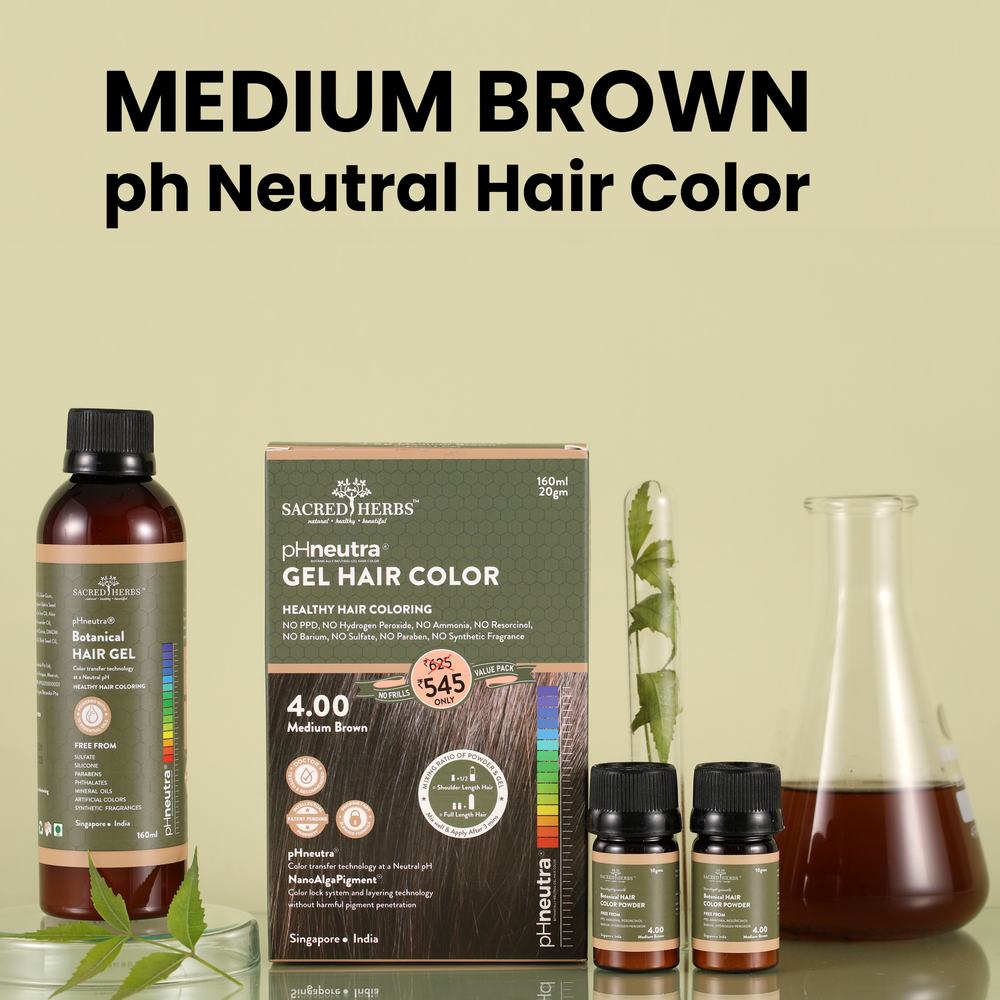
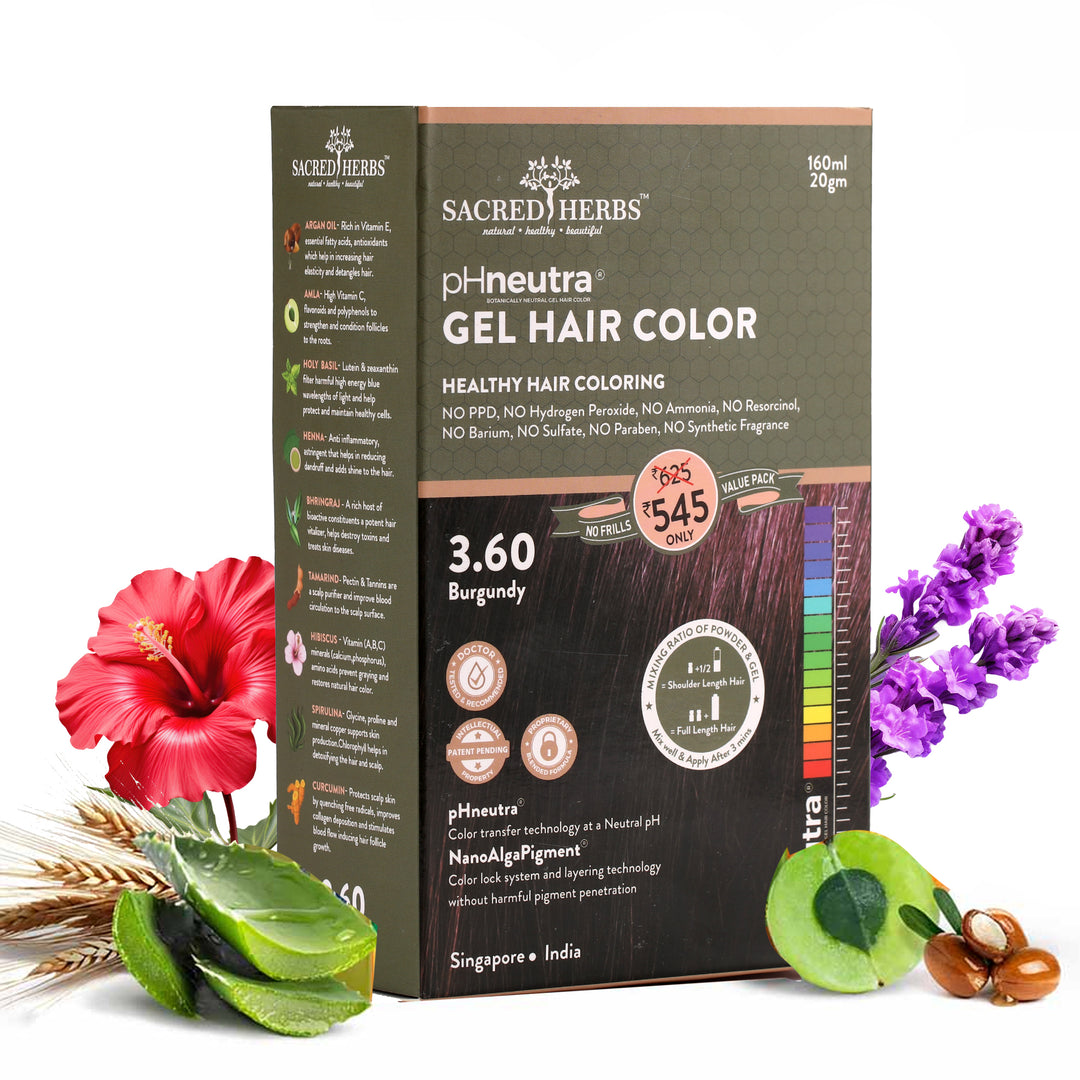
NanoAlgaPigment Technology
The most advanced development in organic hair color is the use of microbial pigments derived from algae, delivered via nano-particle technology. These nano-scale pigment particles penetrate between cuticle scales more efficiently than larger botanical molecules, producing deeper, more even colour saturation. This technology is what has allowed modern organic hair color to close the grey coverage gap with conventional dye.
Botanical Actives
Beyond the colourants, high-quality organic hair color formulas include plant actives that condition the hair during the colouring process: amino acids, flavonoids, antioxidants, polyphenols, and phytonutrients sourced from plants like amla, bhringraj, tulsi, and brahmi. These are not just marketing additions. They actively repair and protect the cuticle while colour is being applied.
Organic Hair Color and Grey Coverage: Setting Realistic Expectations
Grey coverage is the most critical performance metric for most hair color users. Let's be clear about what organic hair color can and cannot do.
What it can do: Completely cover grey hair across shades from natural black to light brown to burgundy, with adequate processing time and correct application technique. Modern organic hair color formulas that include nano-pigment technology produce coverage that is comparable to conventional dye in terms of completeness and evenness.
What affects grey coverage quality:
-
Processing time: grey hair needs a minimum of 35 minutes for complete coverage
-
Heat: adding gentle warmth during processing significantly improves pigment absorption
-
Application technique: saturation and section-by-section application matter more with organic colour than with conventional dye because organic colour does not aggressively penetrate
-
Hair porosity: highly porous hair absorbs organic pigment quickly; low-porosity hair may need the full processing time
What it cannot do: Lighten hair. Organic hair color can only deposit colour, not remove it. If you want to go lighter than your natural colour, a lightening process is required first. For everything else, particularly covering grey and going darker or staying the same tone, organic hair color delivers excellent results.
How to Apply Organic Hair Color for Best Results
The application process for organic hair color is slightly different from conventional dye and deserves careful attention.
Day before: Wash hair with a sulphate-free shampoo. Do not apply conditioner. The hair should be clean but not stripped.
Application day: Mix the formula according to instructions. Apply to damp hair. Start with the areas of highest grey concentration: typically the temples, hairline, and crown. Work in sections, using a tinting brush to fully saturate each section from root to tip.
Rinsing: Rinse thoroughly with lukewarm water until the water runs completely clear. This may take longer than rinsing conventional dye because organic formulas are often thicker.
Caring for Organically Coloured Hair
Organic colour, like all colour, needs the right post-application care to last and look its best. The good news is that organically coloured hair is generally in better condition than chemically coloured hair, which means it needs less intensive intervention.
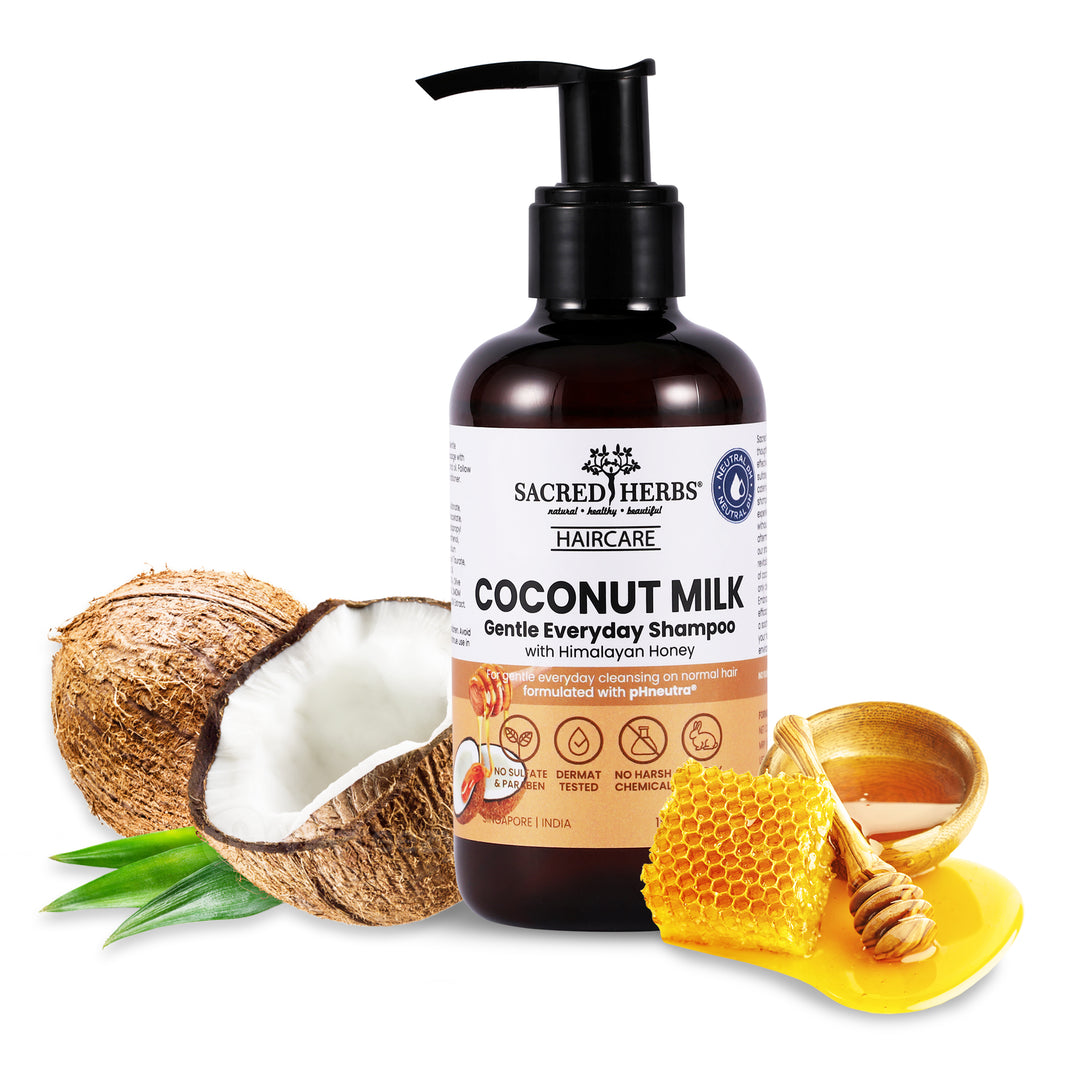
The basics: use a sulphate-free shampoo, wash in cool rather than hot water, limit heat styling, use UV-protective hair products if you spend significant time in the sun, and deep condition every two weeks to maintain moisture and cuticle integrity.
A dedicated colour-care product line designed to work with botanical colour makes a significant difference in longevity. Look for shampoos and conditioners that contain keratin or collagen (for cuticle sealing), are free from parabens and heavy silicones, and are formulated at a slightly acidic pH to help close and protect the cuticle after washing.
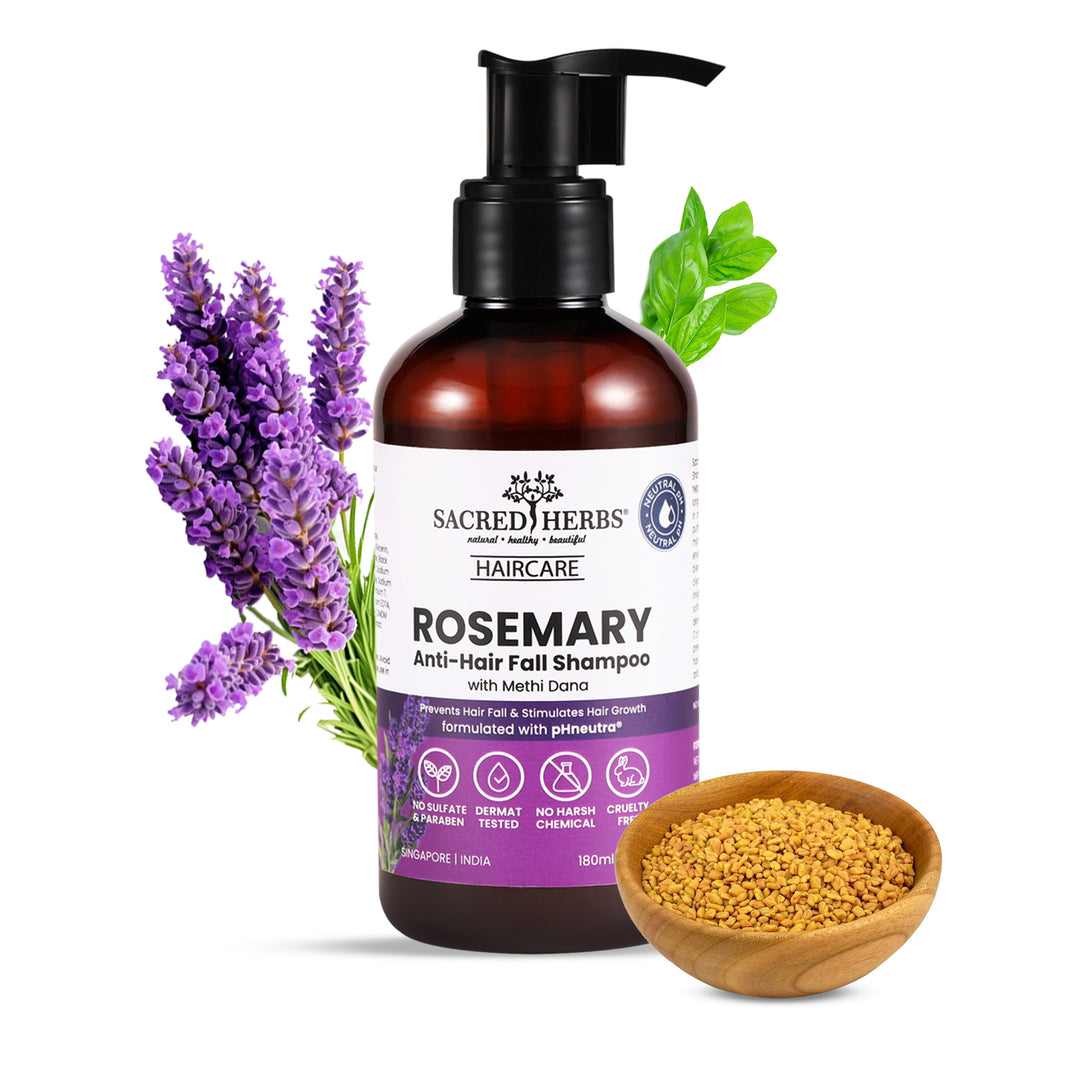
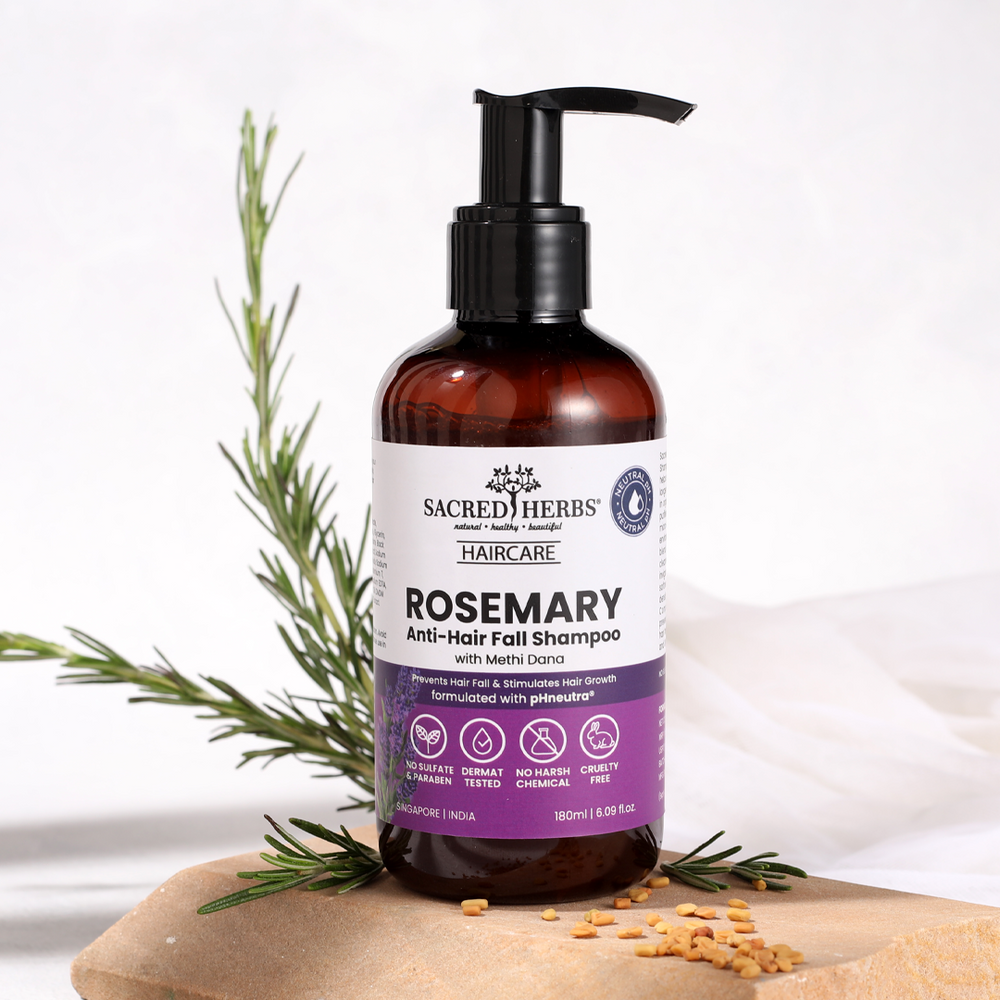
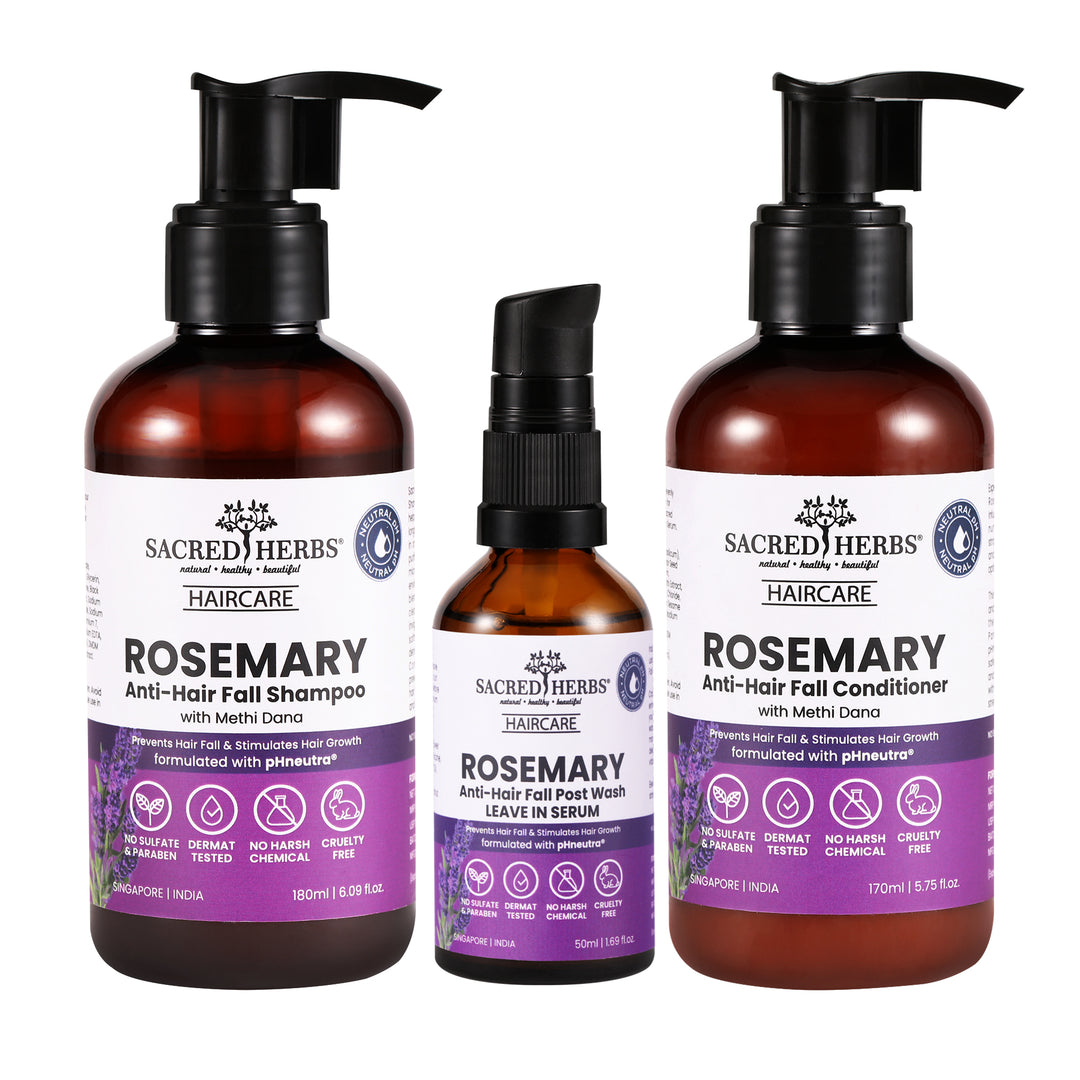
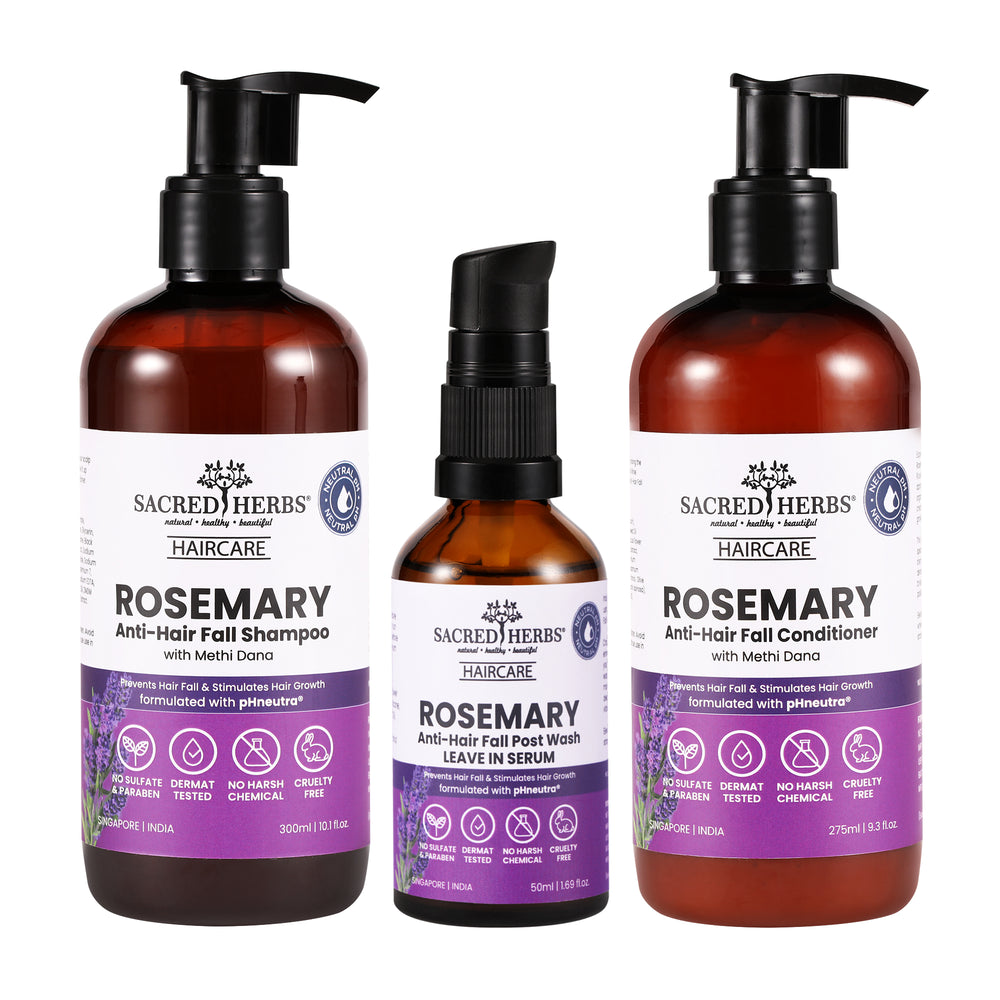
The Hair Care Collection at Sacred Herbs includes the ColorLock Series and Ultra Hydrating Series, both designed to protect colour-treated hair between applications.
Frequently Asked Questions
Is organic hair color truly permanent?
Henna-based organic colour bonds permanently to keratin. It does not wash out; it only fades gradually as new hair grows in. This is different from the way conventional permanent dye works (which alters the cortex), but the longevity is comparable in practice.
Can organic hair color be used during pregnancy?
If you are pregnant or breastfeeding, consult your doctor before using any hair-color product. Always review the complete ingredient list and follow the manufacturer's safety instructions.
Does organic hair color work on chemically treated hair?
Yes. Organic colour can be applied over previously chemically coloured hair. Be aware that chemically processed hair is more porous and may absorb colour faster and fade slightly sooner.
Will organic hair color smell as strong as chemical dye?
No. The absence of ammonia means the characteristic harsh smell of conventional dye is absent. Organic hair color has a mild botanical or earthy scent.
How often can I apply organic hair color?
Because organic colour does not damage the hair's structure, it can be applied as frequently as needed without cumulative harm. Most people find a 4-week schedule adequate for grey coverage maintenance.
Does organic hair color work on all hair types?
Yes, though application time and results vary. Coarser, thicker hair may need longer processing time. Fine hair absorbs pigment quickly. The colour result also varies with your base hair colour.