


Non Toxic Hair Color
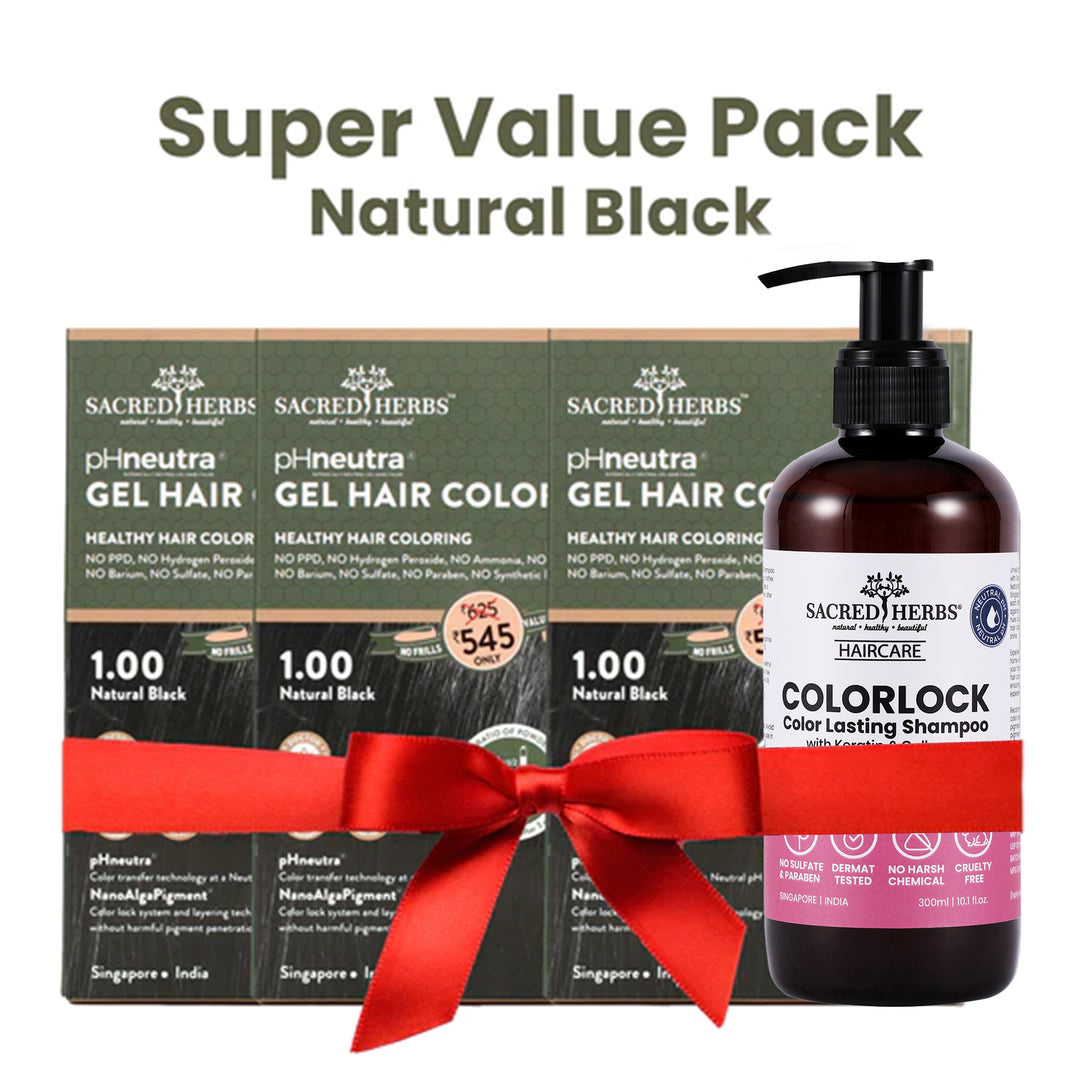
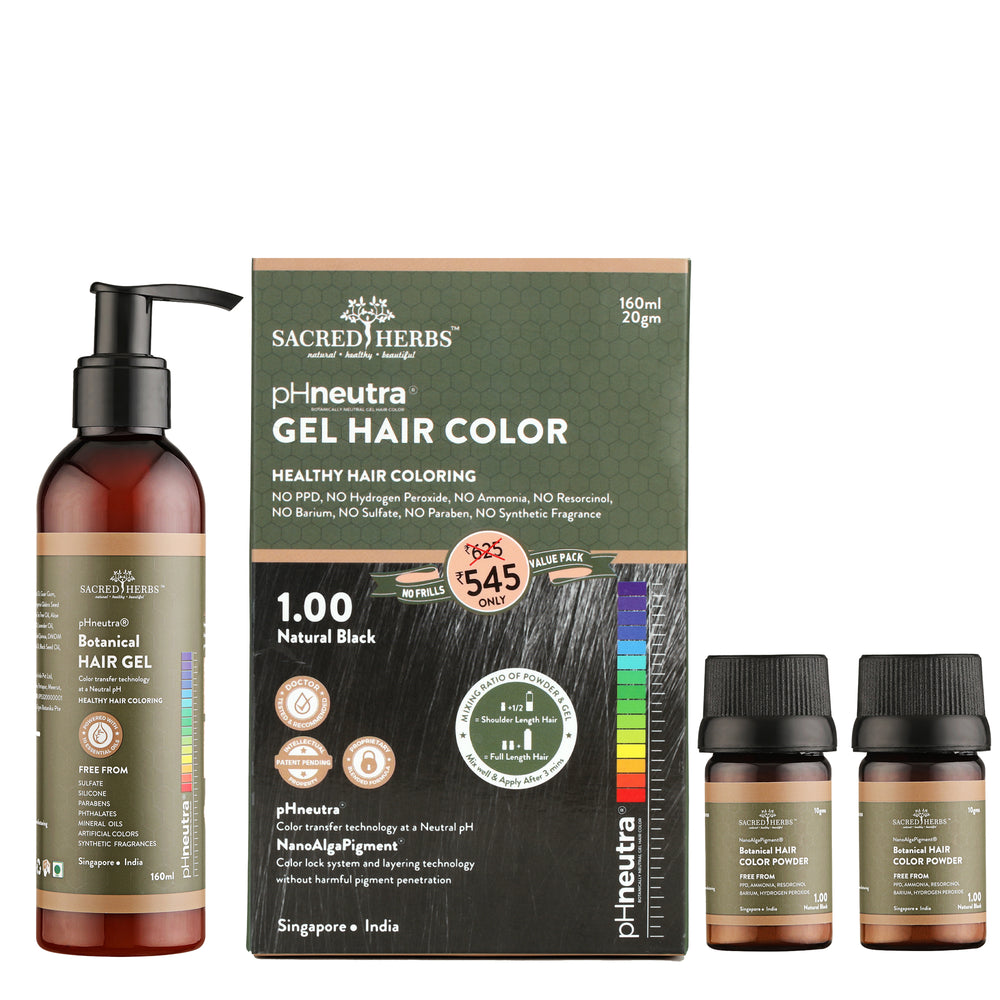


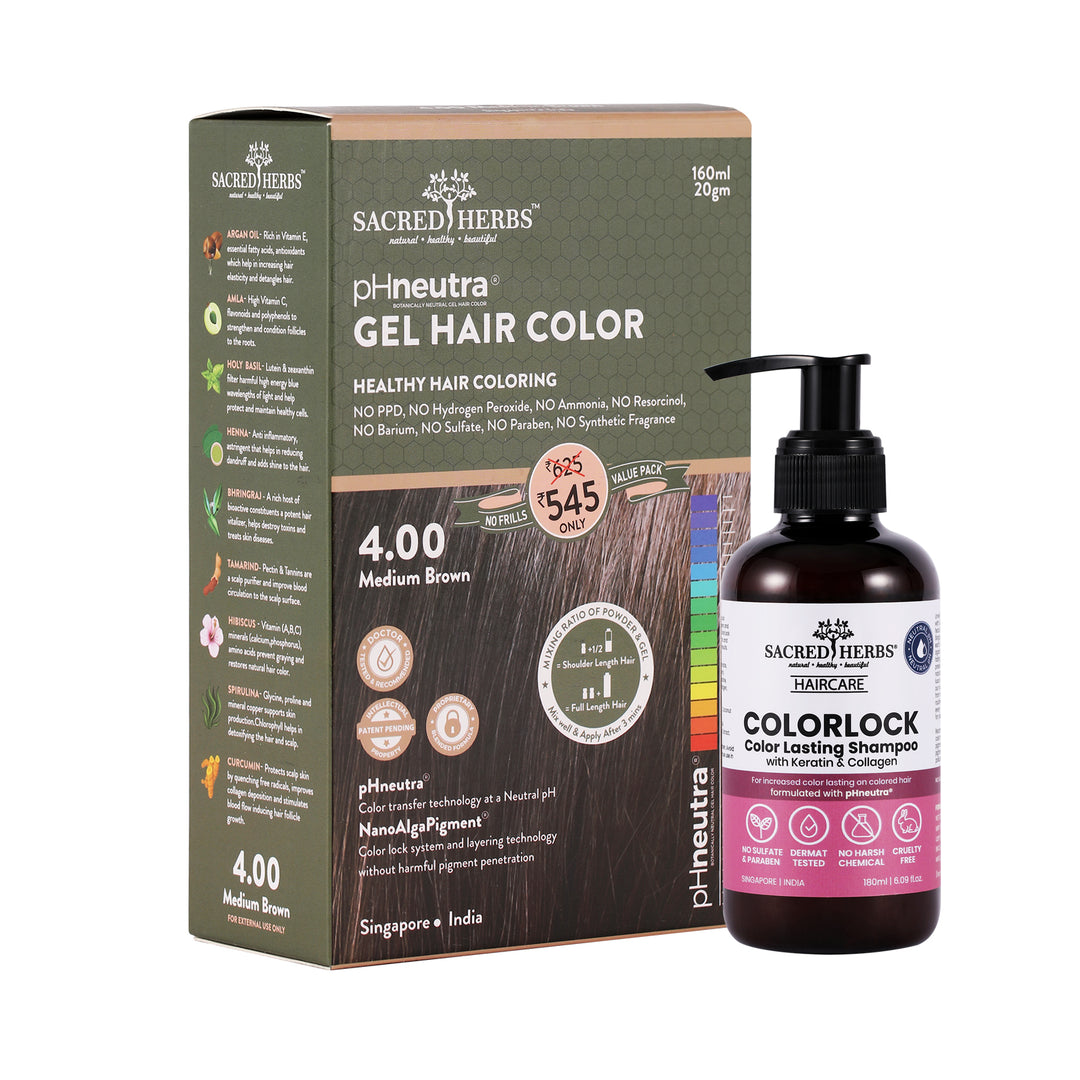
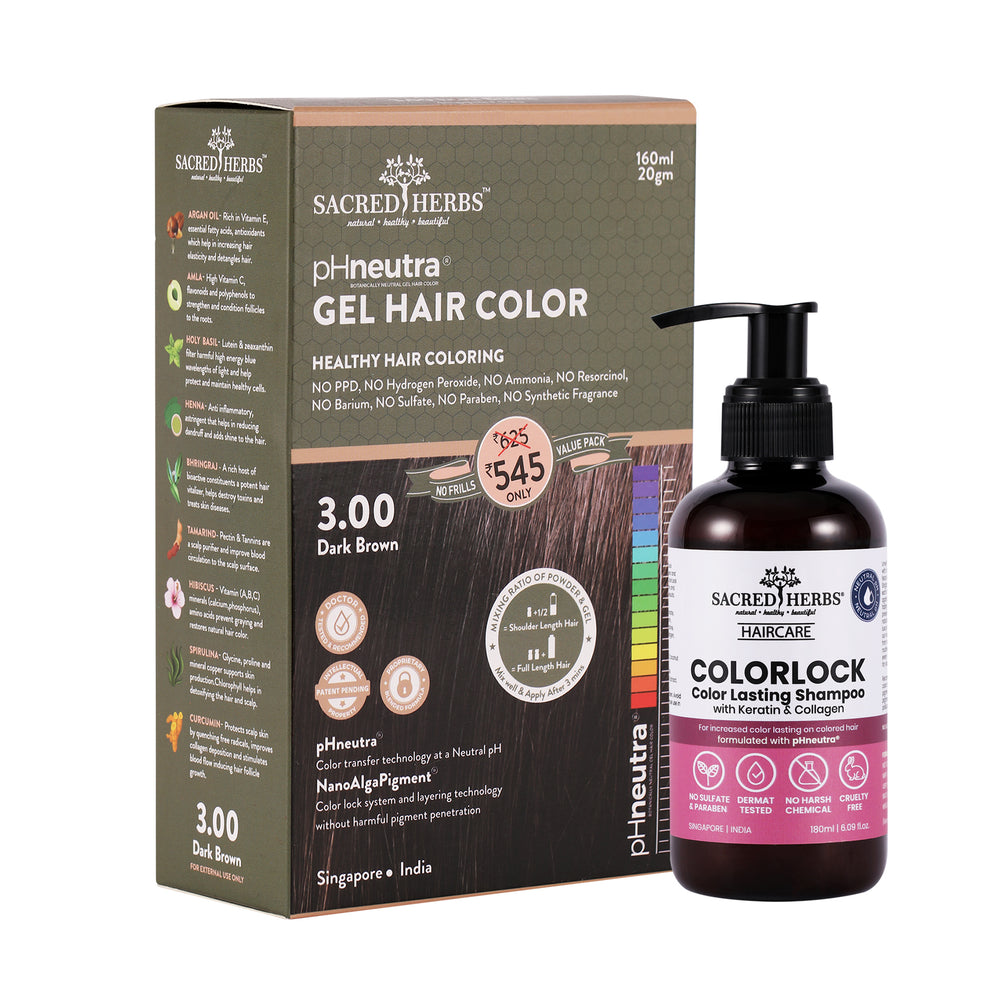
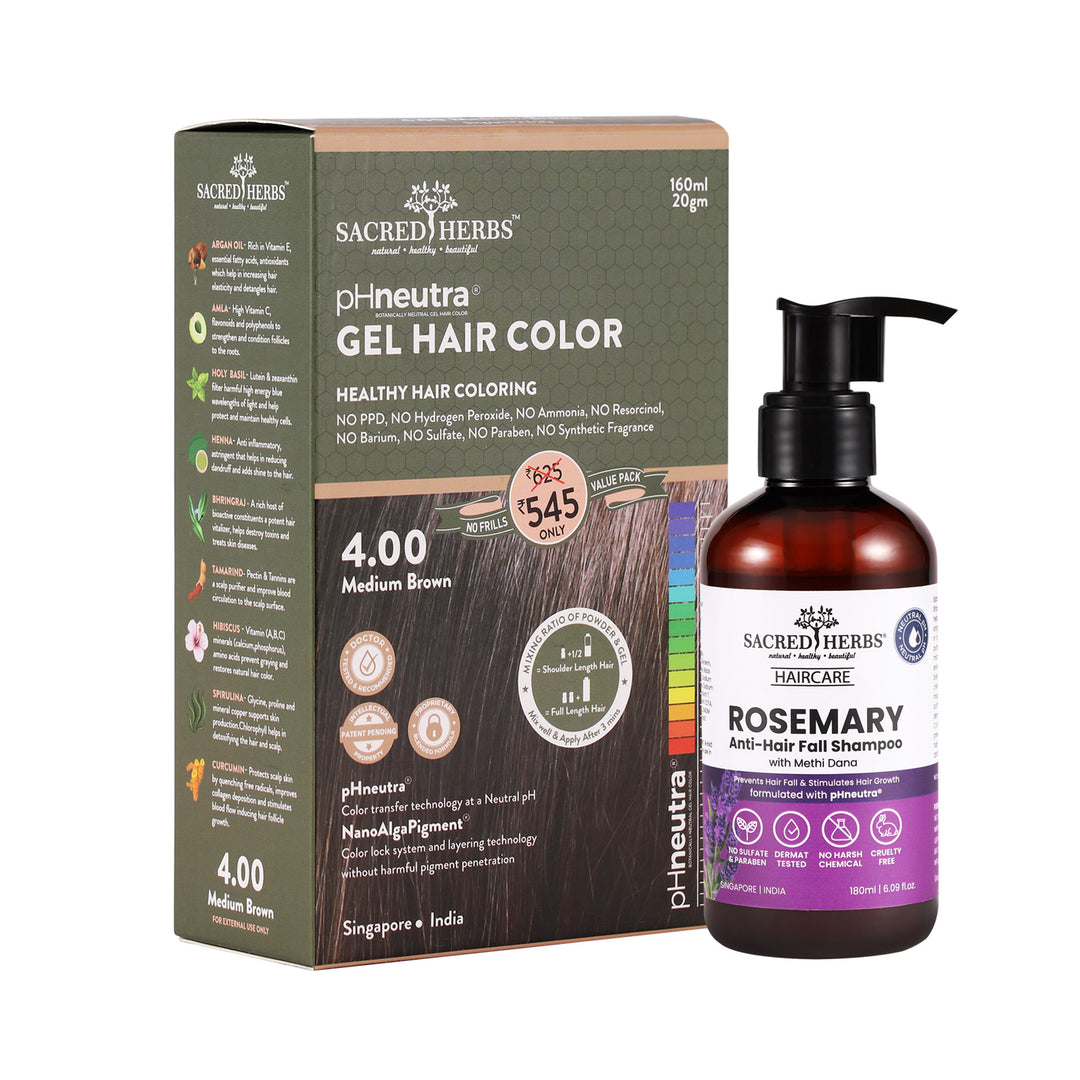
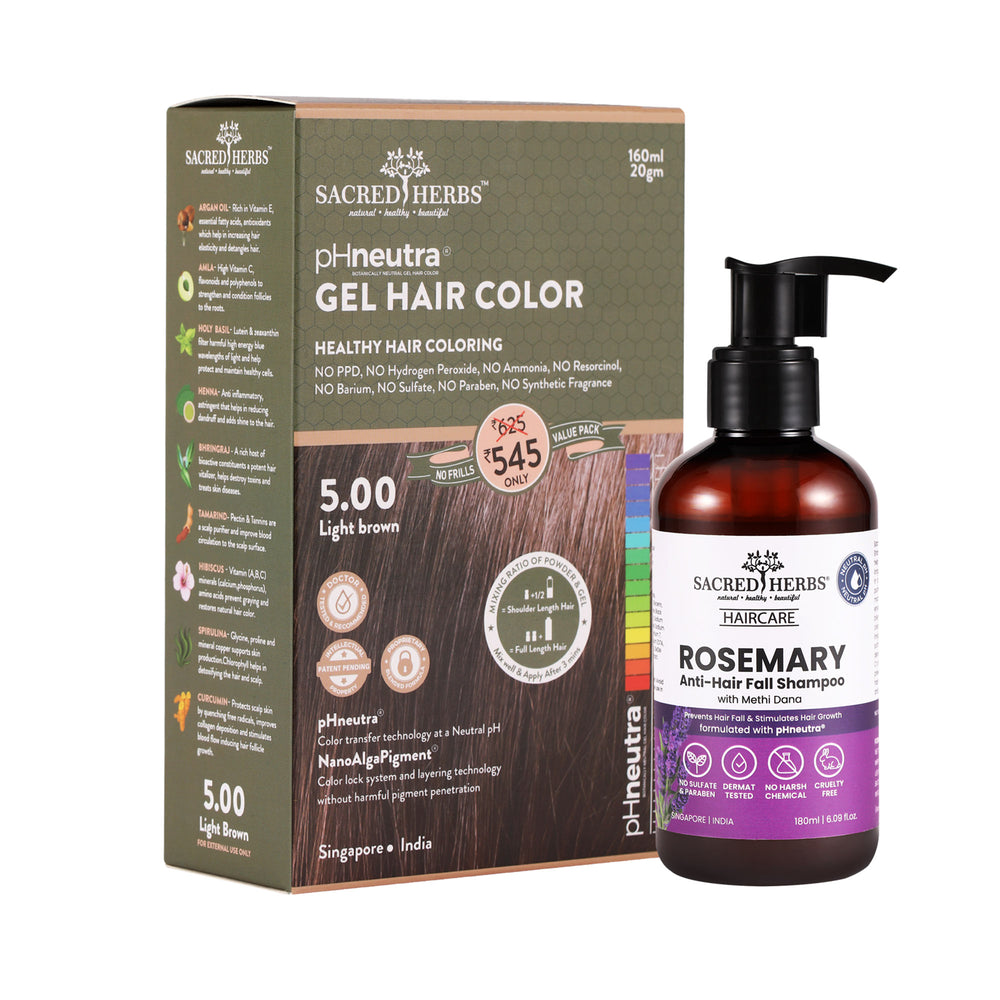


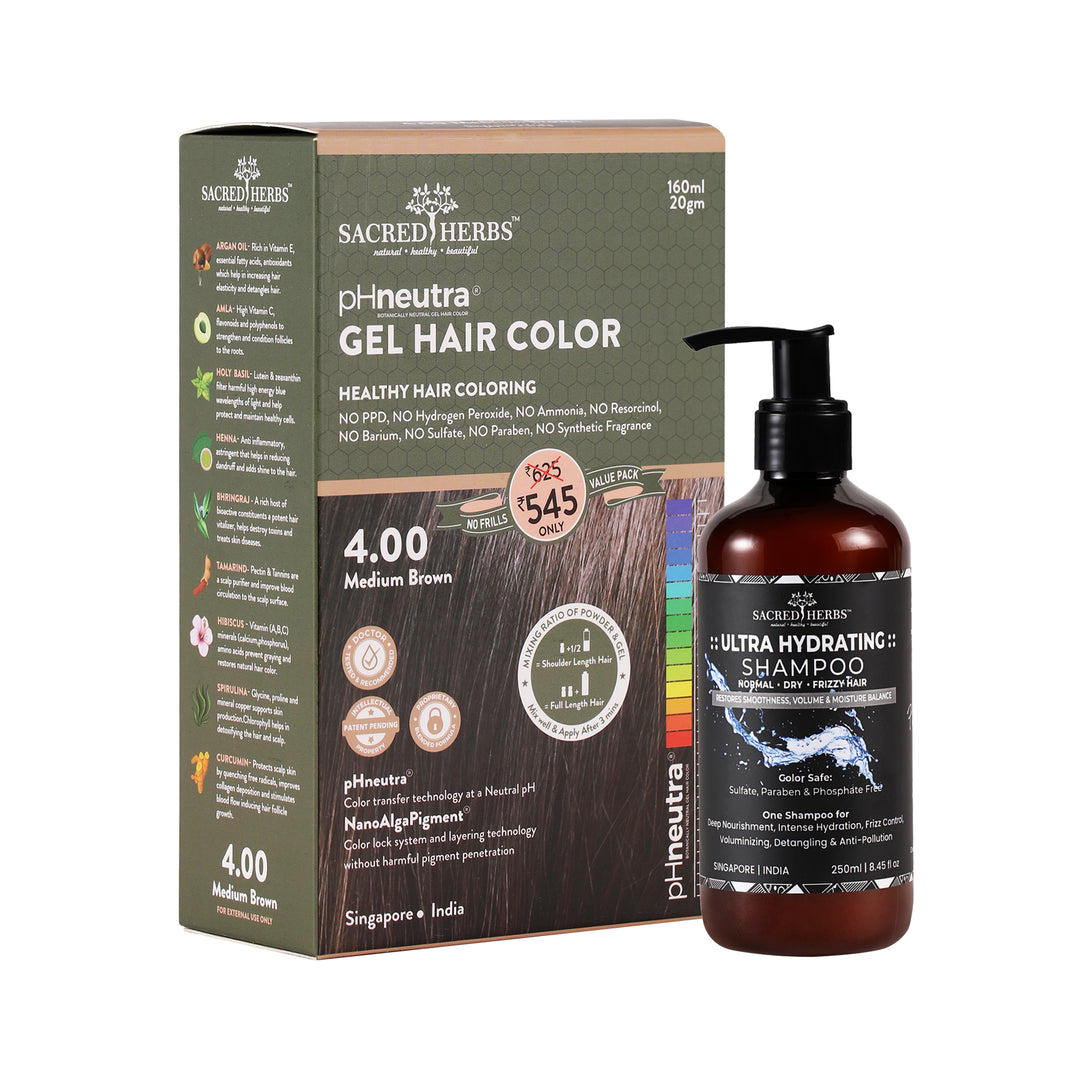
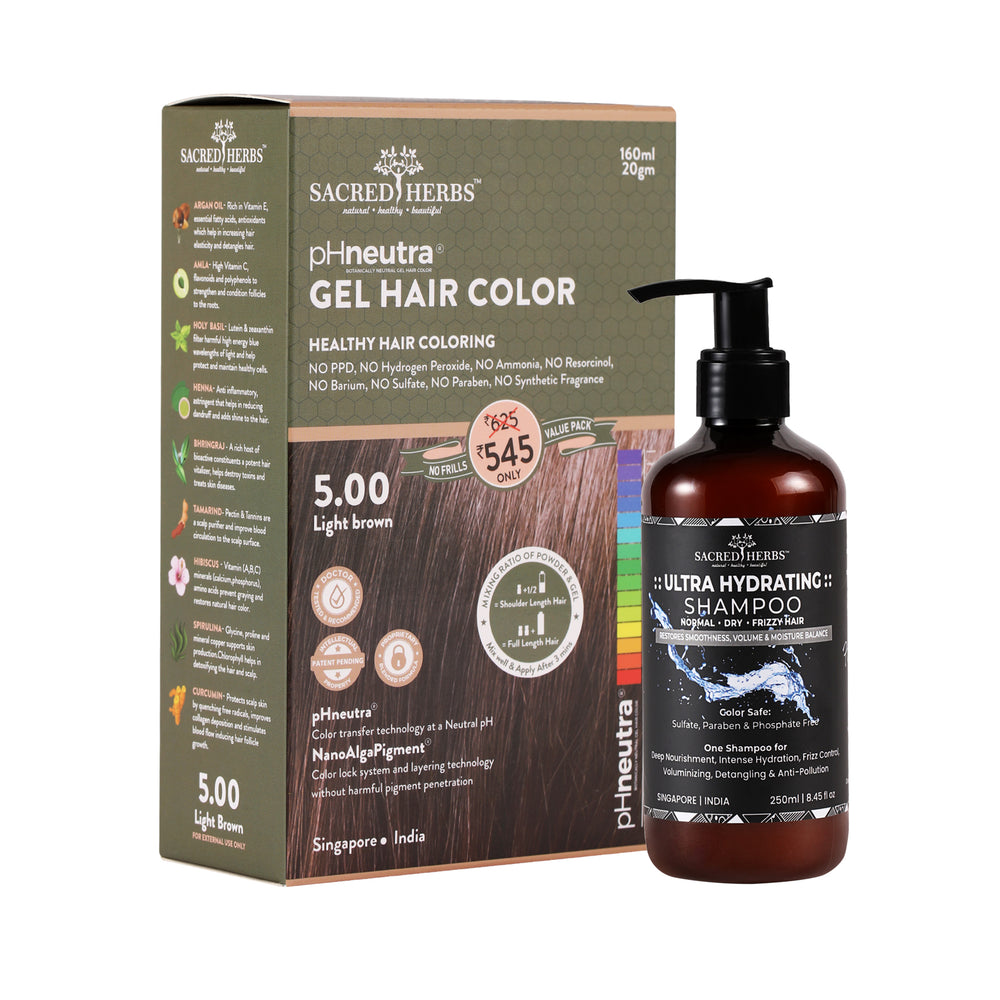
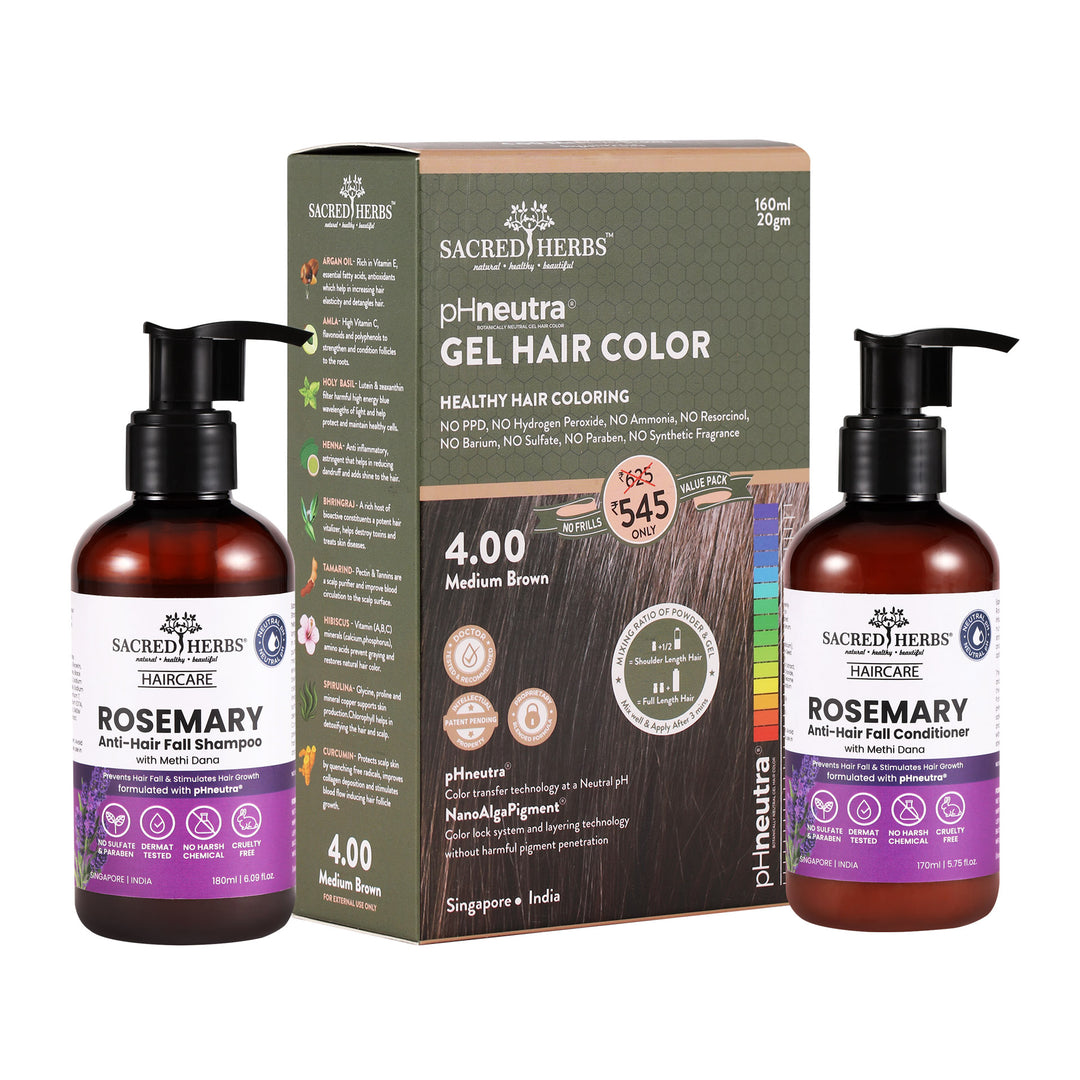
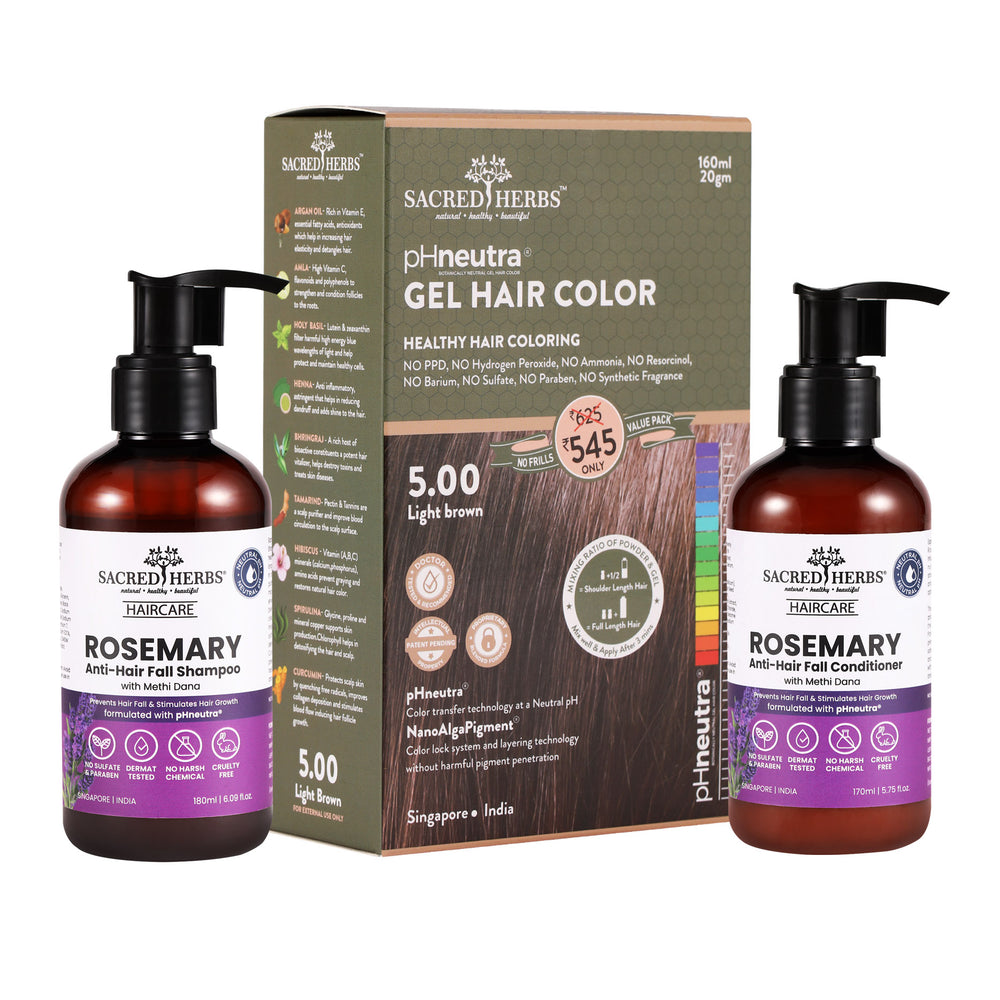
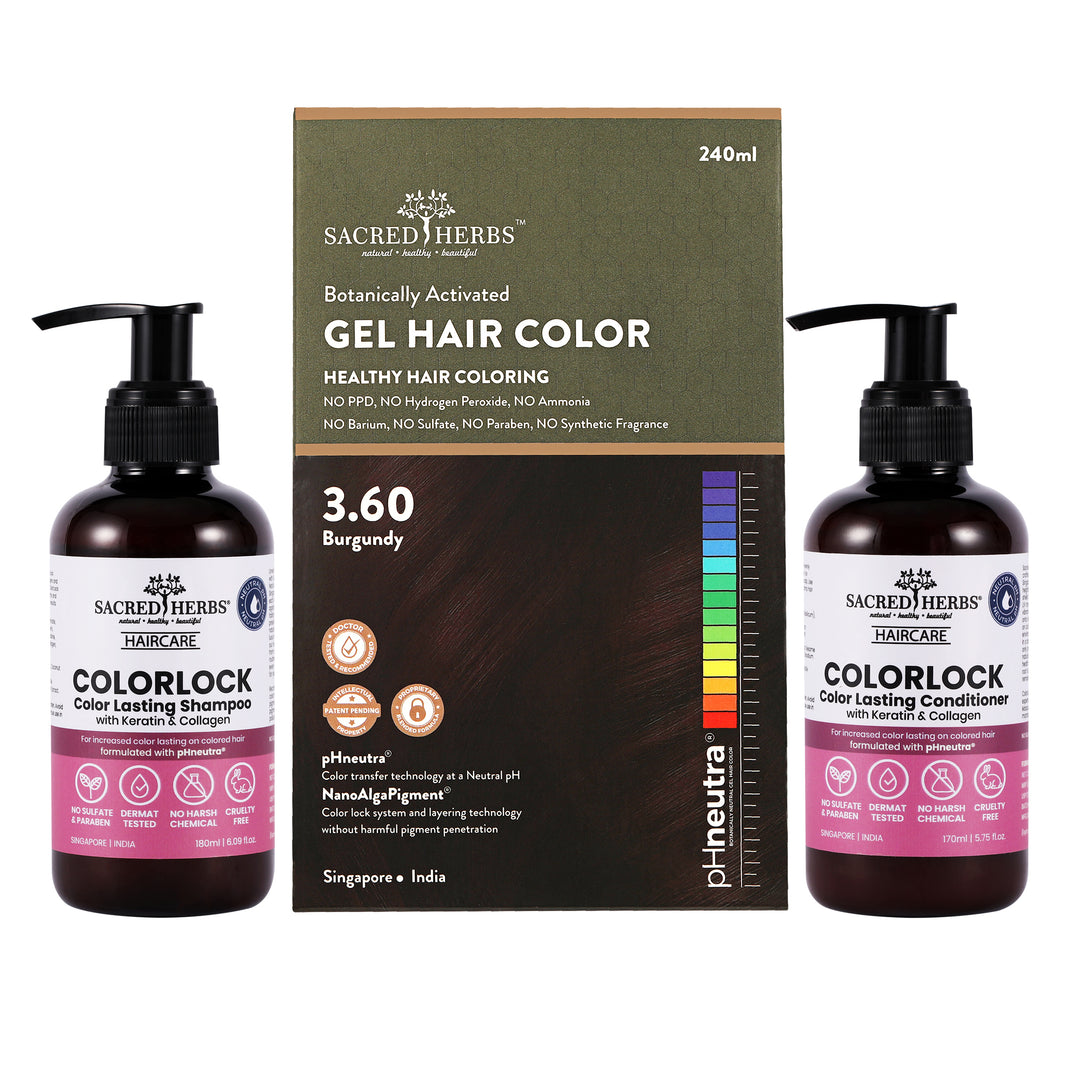
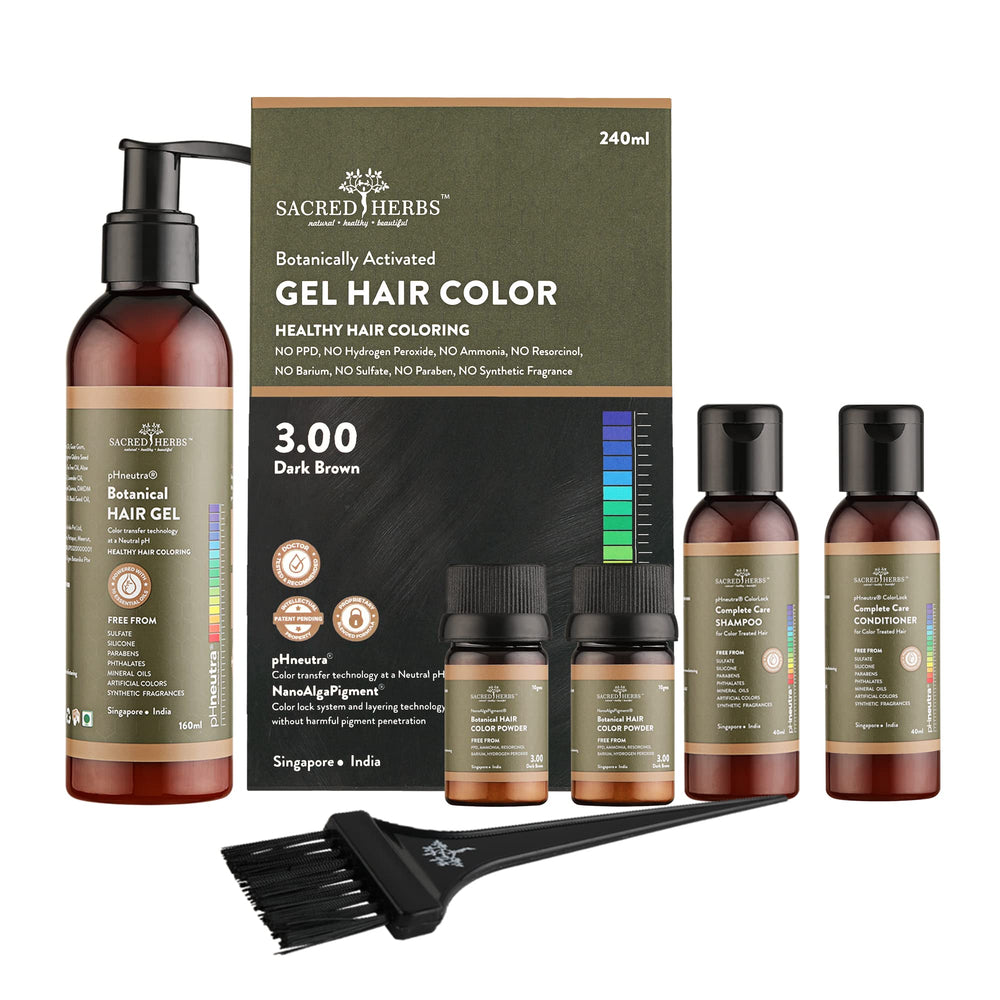


Non-Toxic Hair Color: A Complete Guide to Ingredients, Safety and Alternatives
Core Question 1: What Makes a Hair Color "Toxic" in the First Place?
... Read MoreNon-Toxic Hair Color: A Complete Guide to Ingredients, Safety and Alternatives
Core Question 1: What Makes a Hair Color "Toxic" in the First Place?
The word "toxic" in the context of hair colour refers to the specific compounds in conventional hair dye formulas that carry established risks to human health through the primary route of exposure: dermal absorption through the scalp.
The three main categories of toxicity concern in conventional hair colour are:
Acute toxicity and sensitisation: Para-phenylenediamine (PPD) is the clearest example. It is a strong contact sensitiser with a well-documented profile of causing contact dermatitis, ranging from mild to anaphylactic. The first reaction may be mild. Subsequent reactions escalate. This is acute sensitisation toxicity.
Cumulative toxicity with repeated exposure: The evidence linking long-term, frequent hair dye use to certain cancers is epidemiological rather than mechanistic, but it is consistent enough to merit attention. Research into hair dye exposure and cancer has produced mixed findings. Some studies have reported associations between long-term occupational exposure and certain cancers, while evidence for personal hair dye use is less consistent. Risk depends on the specific exposure, formulation and population studied.
Endocrine disruption: Resorcinol has demonstrated thyroid hormone interference in animal studies. Certain phthalates used as stabilisers in some hair colour formulas are classified as endocrine disruptors. These are chronic, low-dose toxicity concerns relevant for people who colour their hair regularly over many years.
Barrier disruption and inflammatory toxicity: Ammonia's destruction of the scalp's acid mantle, repeated with every application, creates chronic scalp inflammation. Inflammation at the follicle level is itself damaging and is a contributing factor in follicle ageing and premature hair fall.
Lower-exposure formulations can be designed to avoid specific ingredients of concern and reduce exposure to certain irritants and sensitising agents.
Core Question 2: How Do the Botanical Alternatives Work Without Creating Toxicity?
The mechanism of botanical colouring is fundamentally different from oxidative chemical colouring, and this difference is the source of its safety advantage.
Henna's lawsone: Lawsone migrates into the hair shaft through the hair's natural intercellular lipid channels and bonds covalently to the hair's keratin protein. It does not require the hair's pH to be raised, it does not require any oxidative chemistry, and it does not involve any aromatic amine compounds. Lawsone has been used on human skin and hair for at least 5,000 years. It does not carry the carcinogenic, sensitising, or endocrine-disrupting profile of PPD.
Indigo's indigotin: Indigotin is deposited in the hair shaft's cuticle and intercellular matrix without oxidative chemistry. It has a centuries-long safety record in both textile and personal care applications.
NanoAlgaPigment: Microbial pigments from algae, processed to nano-scale. These pigments are derived from biological sources, are biodegradable, and do not carry the toxicological profile of aromatic amine synthetic dyes.
Oil-gel delivery at neutral pH: The carrier system that delivers these colourants maintains the formula at near-neutral pH, which means no acid mantle destruction, no cuticle forced opening, and no alkaline stress on scalp cells. The oil base conditions rather than strips.
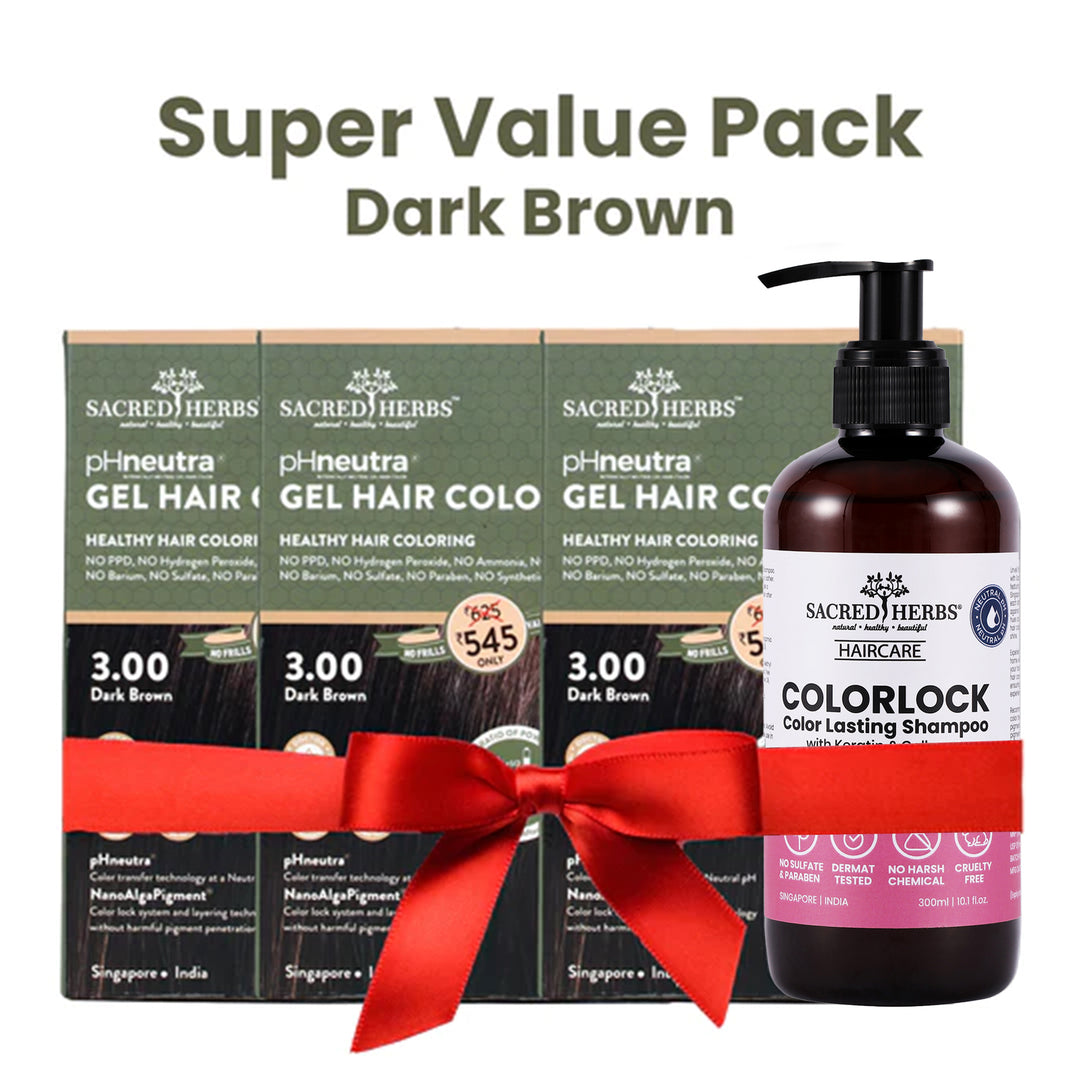
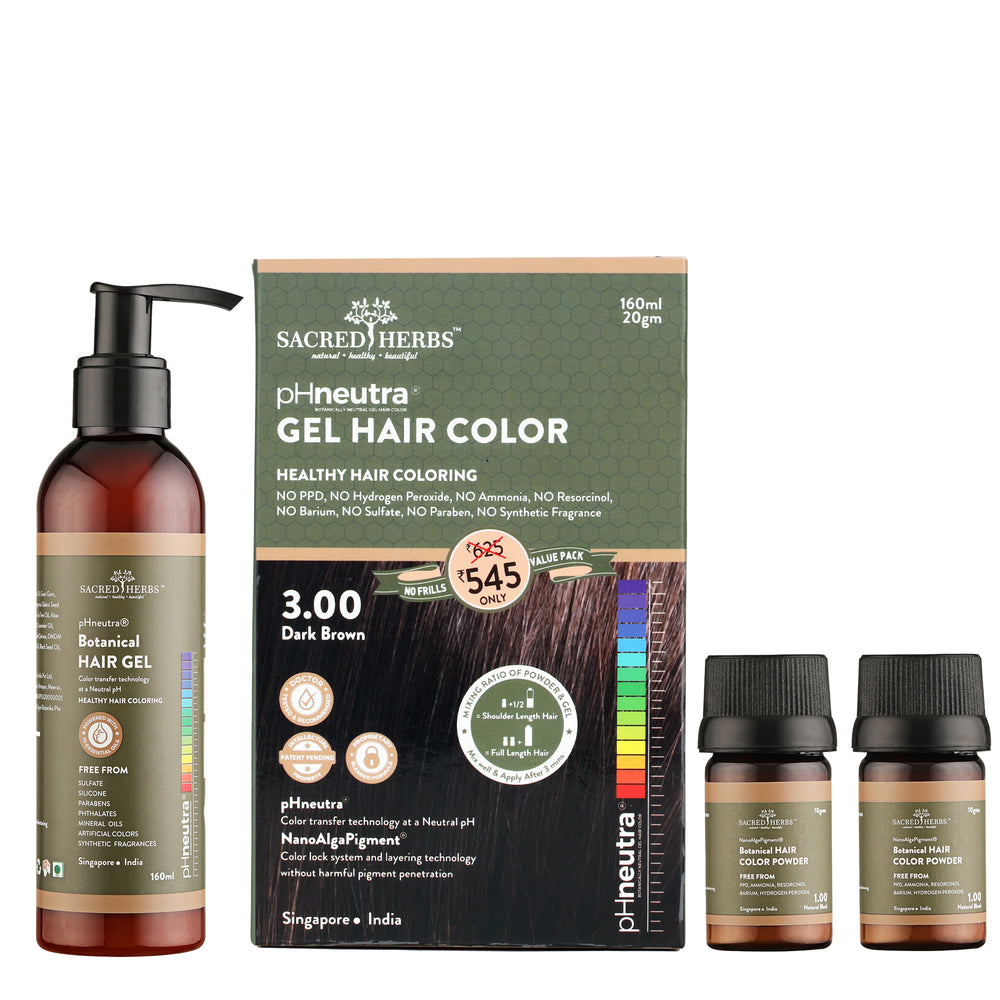
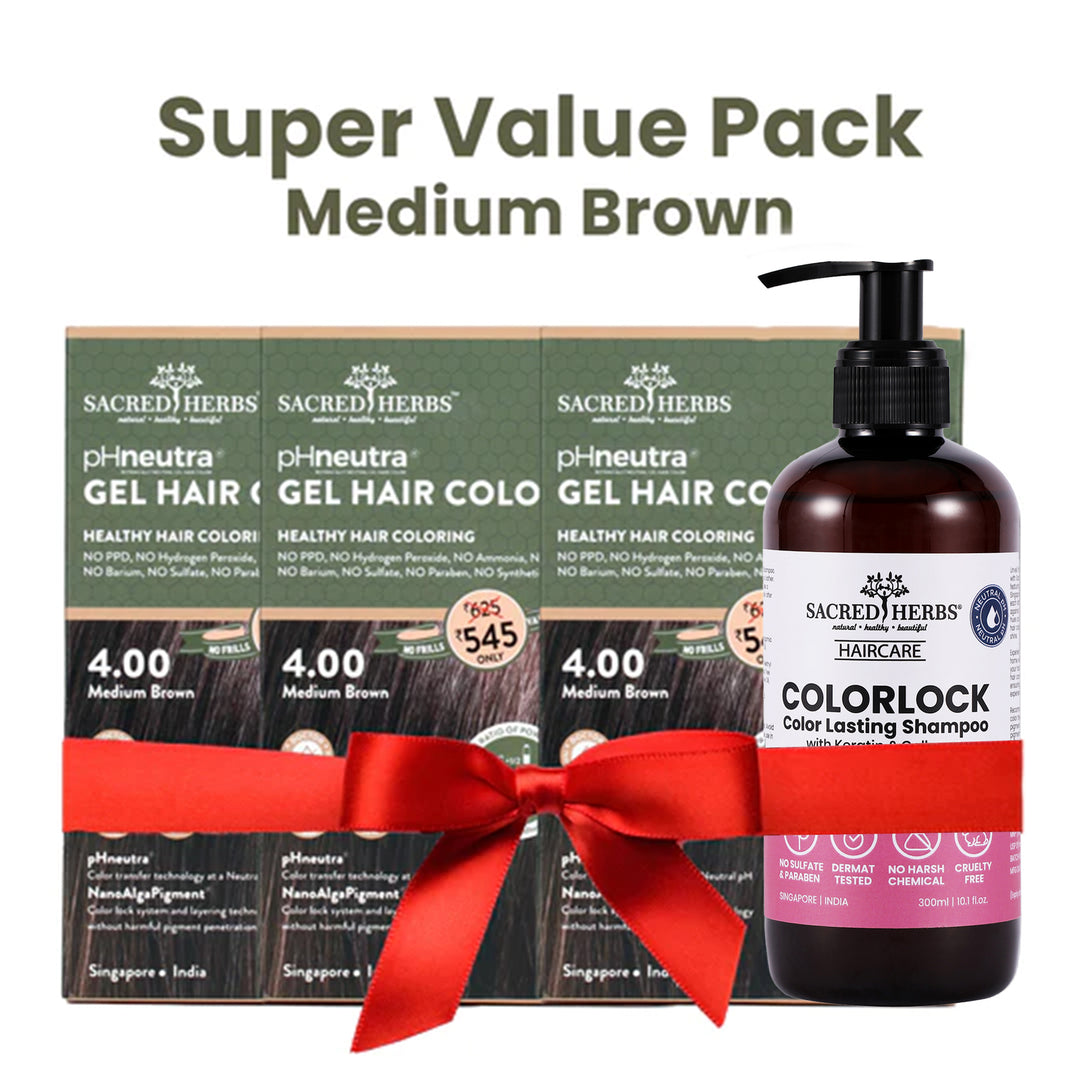
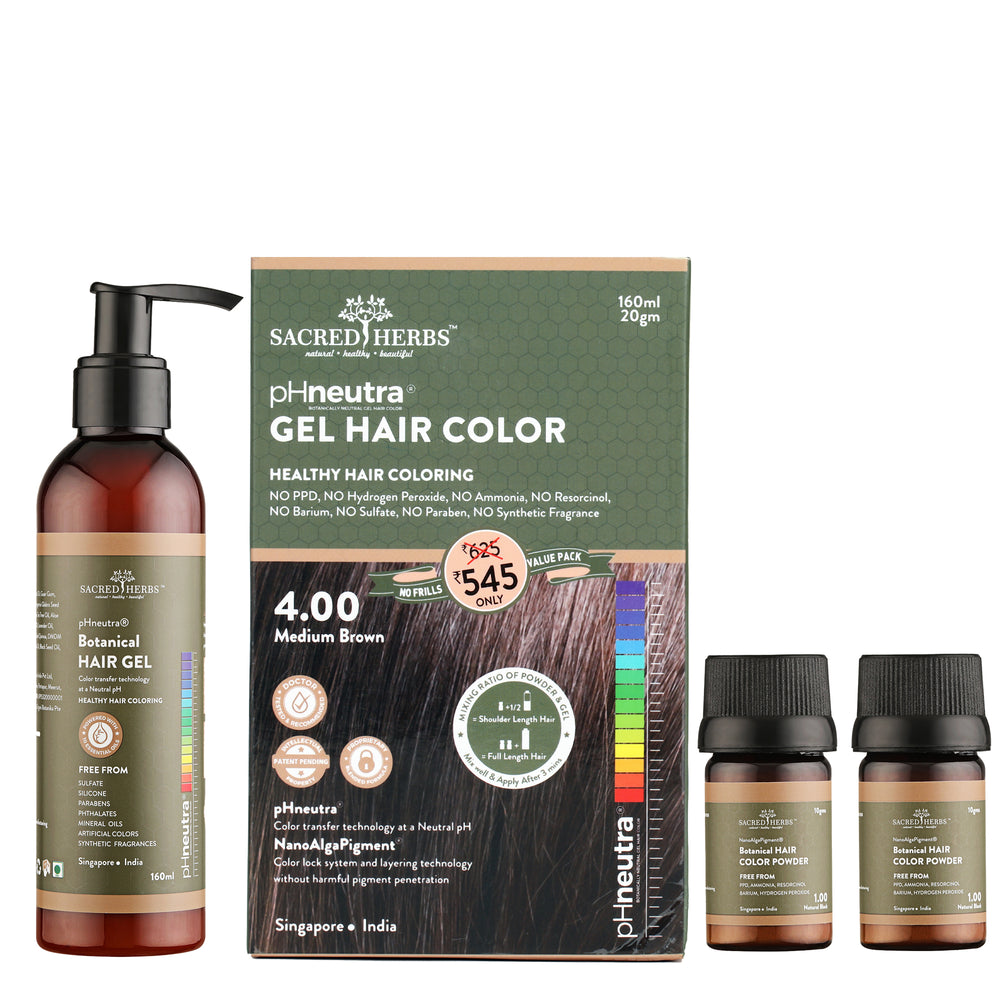
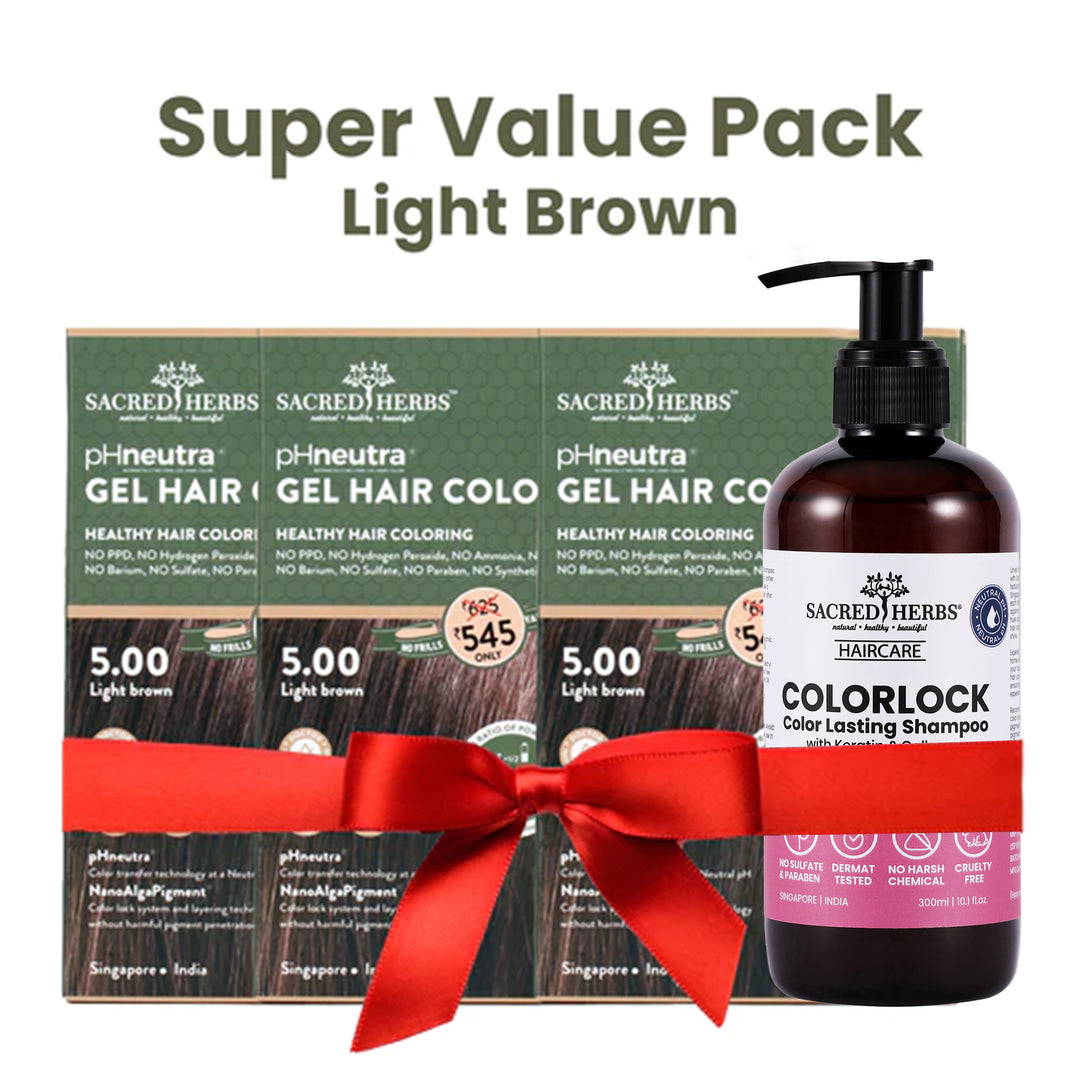
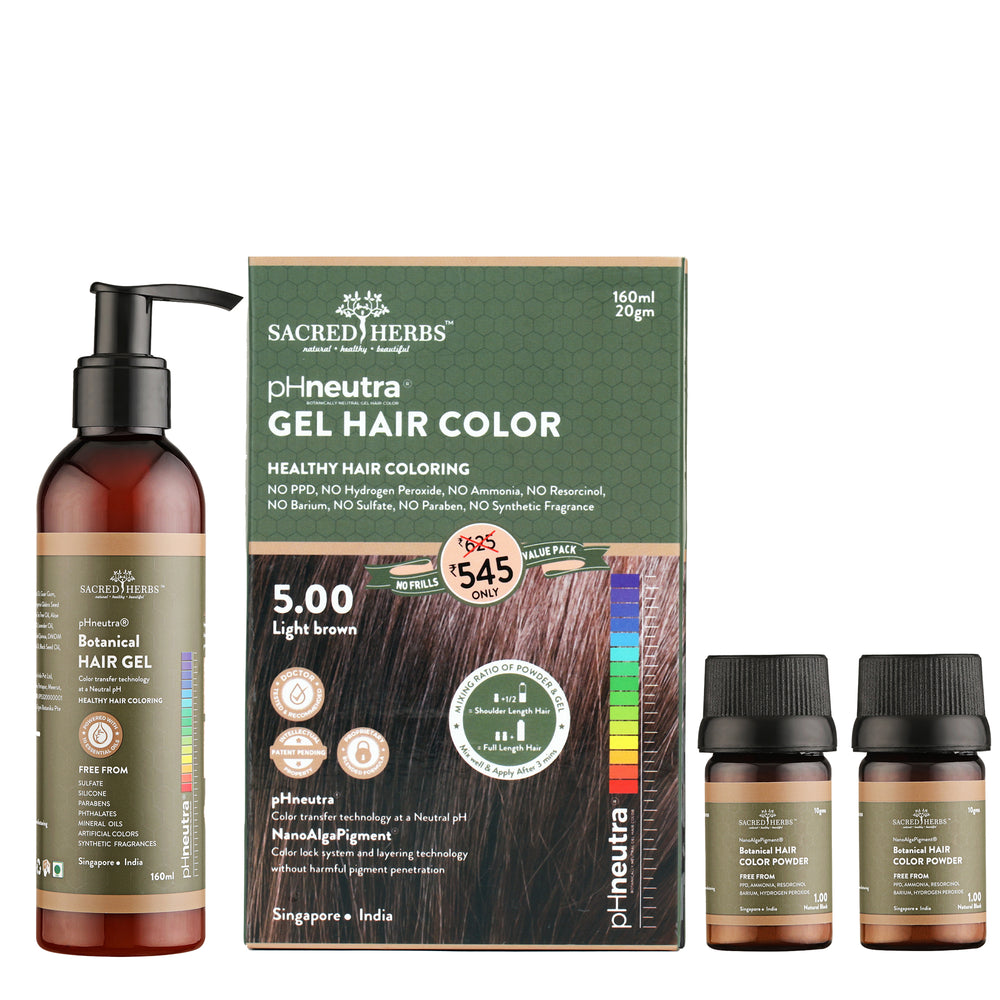
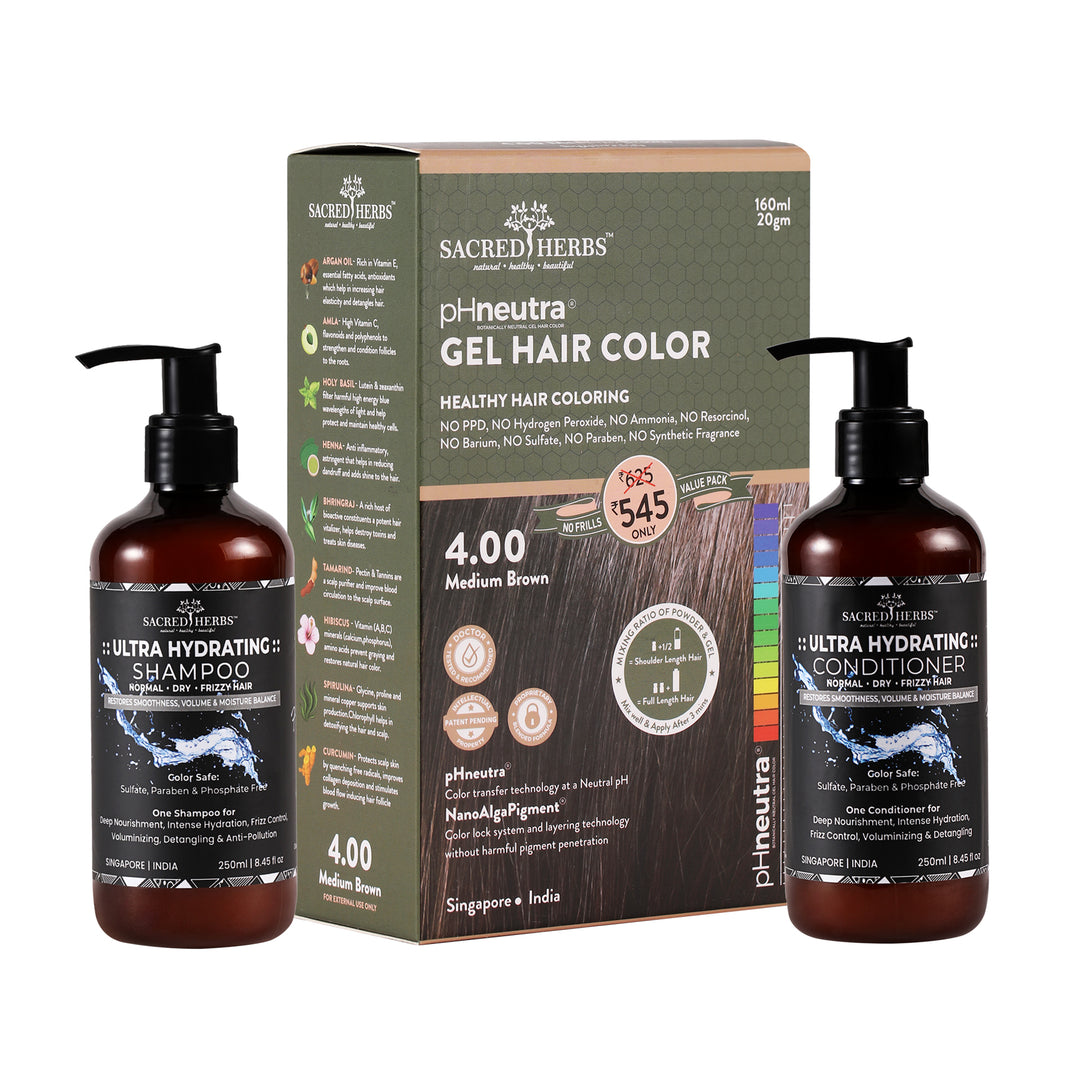
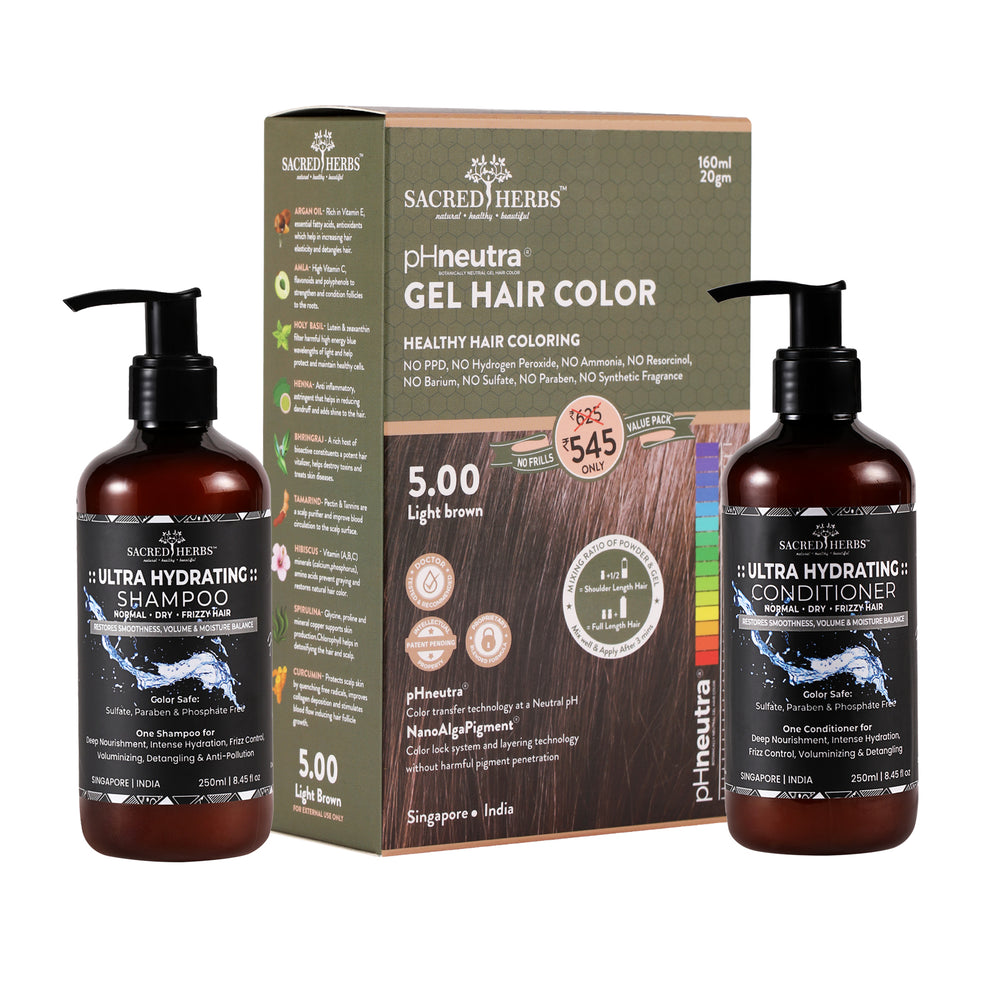
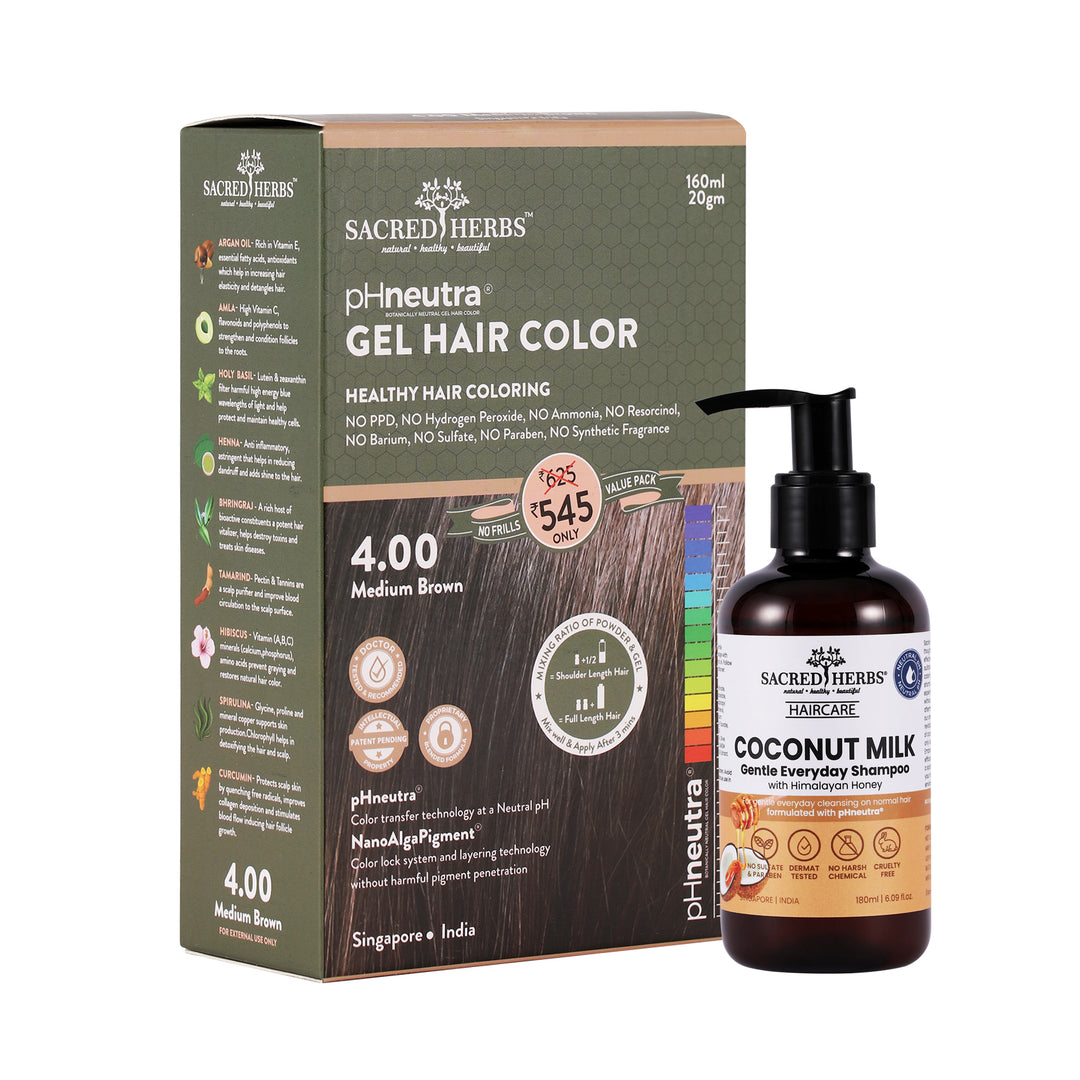
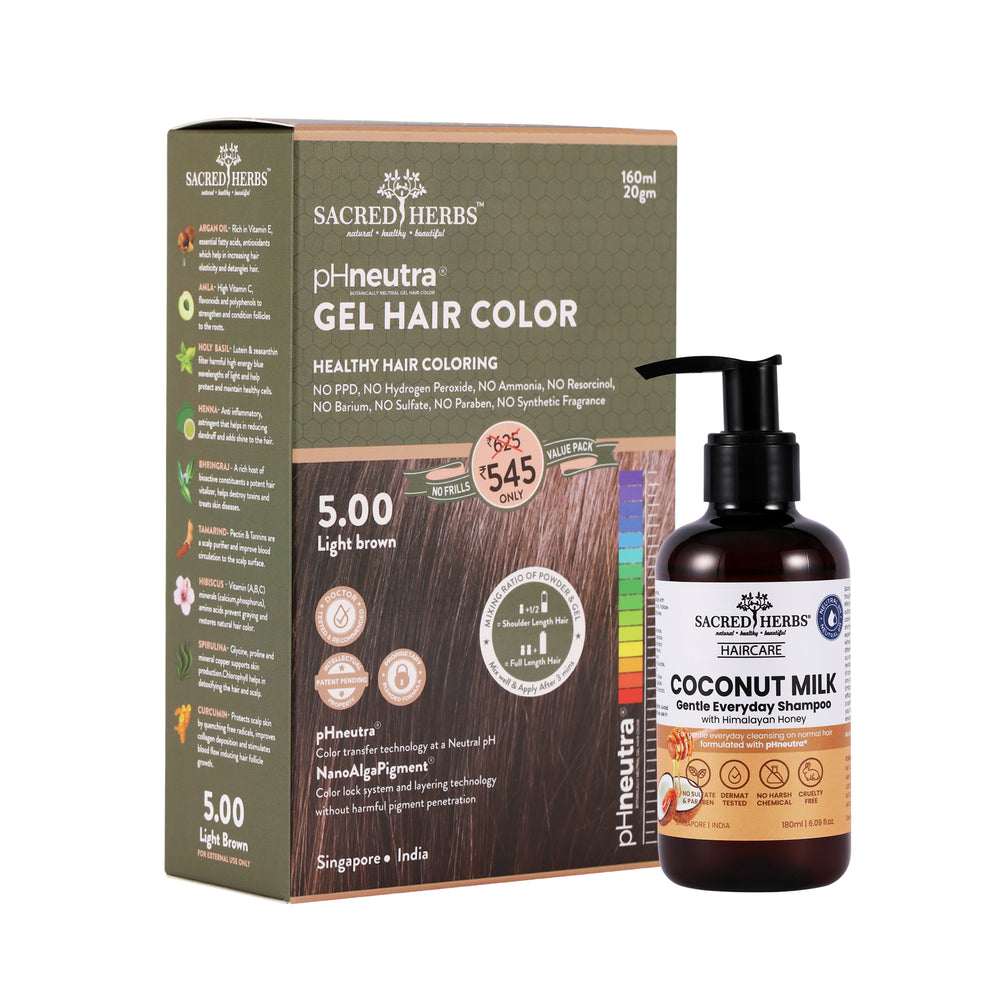
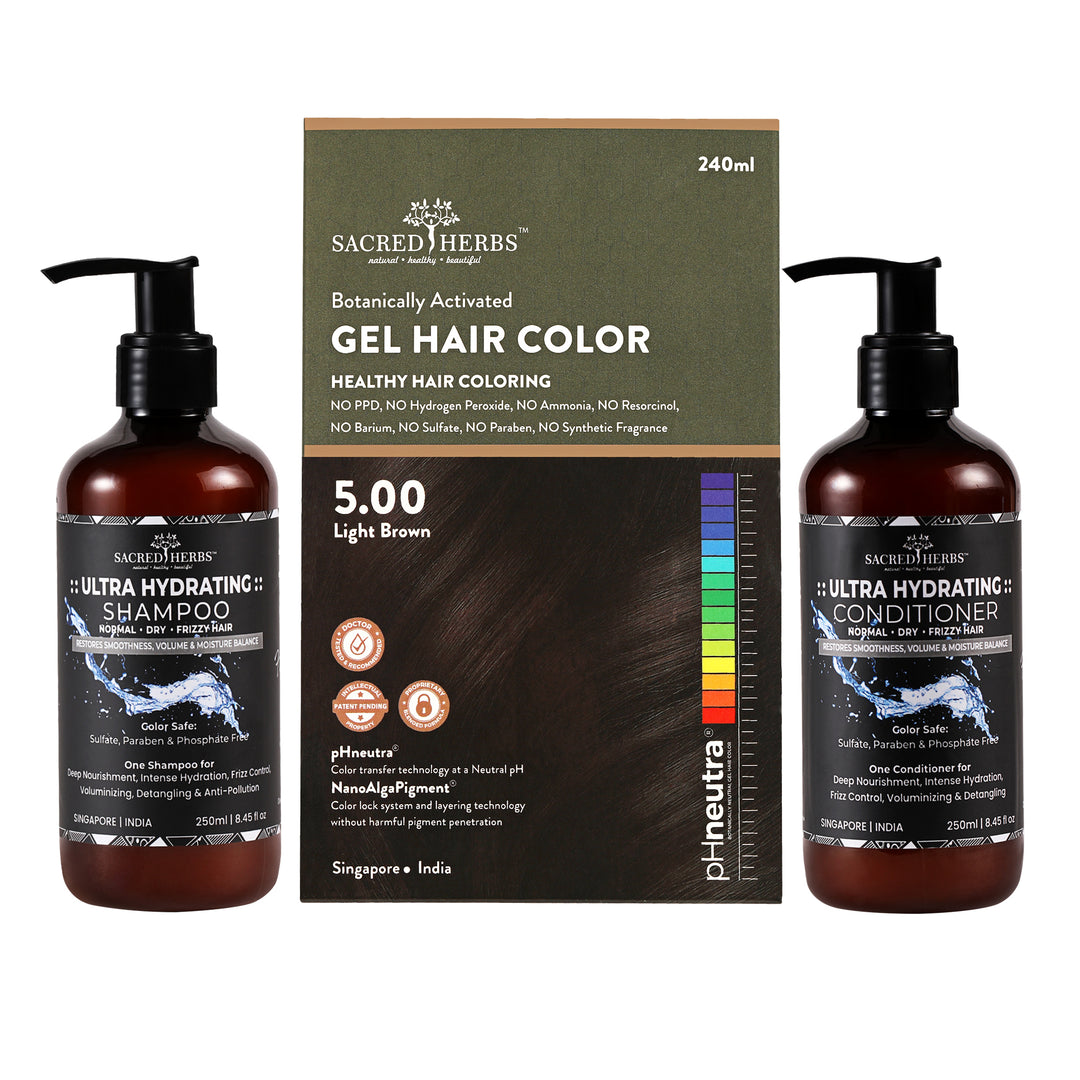
Explore the Hair Color Collection at Sacred Herbs to see how these mechanisms are applied across five precisely formulated shades.
Core Question 3: Is "Non-Toxic" a Claim That Can Be Verified?
This is the critical question that separates informed consumers from those who rely on marketing.
"Non-toxic" has no regulatory definition in cosmetics. Any brand can print it on a label. The verification method is reading the full ingredient list and checking each ingredient against known toxicity databases.
Reliable databases for ingredient verification:
EWG Skin Deep: the Environmental Working Group's cosmetics ingredient database, which rates ingredients on a 1-10 hazard scale based on available research.
IARC Monographs: the International Agency for Research on Cancer, which classifies compounds by their evidence for carcinogenicity.
EU CosIng: the European Commission's cosmetics ingredient database, which lists regulatory status and restrictions for cosmetics ingredients in the EU.
NICNAS (Australia): the National Industrial Chemicals Notification and Assessment Scheme, which assesses chemical safety.
The verification checklist for non-toxic hair color:
When evaluating a product claiming to be non-toxic, check each of the following against the full ingredient list:
PPD or any "phenylenediamine" compound: present = not non-toxic.
Resorcinol: present = endocrine disruption concern.
Ammonia or ammonium hydroxide: present = barrier-disrupting, irritant toxicity.
Hydrogen peroxide above trace: present = oxidative damage, barrier disruption.
Parabens (methylparaben, propylparaben, butylparaben, ethylparaben): present = endocrine disruption concern.
DMDM hydantoin or Quaternium-15: present = formaldehyde-releasing, carcinogen concern.
Synthetic fragrance: present = allergen load, potential neurotoxin concern from some fragrance compounds.
Phthalates: present = endocrine disruption concern.
Heavy metals (lead acetate, bismuth citrate): present in some older men's hair dye formulas. Neurotoxin concern.
What consumers often mean by 'non-toxic hair color' is a formula designed to avoid certain ingredients associated with irritation, sensitisation or other established safety concerns.
Core Question 4: Does Non-Toxic Hair Color Perform Equally Well?
Honestly and directly: in most performance dimensions, yes. In one specific dimension, there is a genuine trade-off.
Where non-toxic hair color performs comparably:
Grey coverage: when applied with correct technique (full saturation, 35-minute processing, heat step), botanical non-toxic hair color covers grey completely, including resistant grey at temples and hairline.
Colour depth and richness: the dark shade range (natural black, dark brown, medium brown, burgundy) is genuinely rich and multidimensional in botanical colour. The warm, natural-looking variation in botanical colour is actually an advantage over the flat uniformity of some synthetic dyes.
Longevity: four weeks. This is comparable to conventional dye for practical grey coverage maintenance purposes.
Hair condition: this is where non-toxic hair color is clearly superior. Hair is in better condition after botanical colouring than before. Conventional dye damages hair structure with each application. The cumulative effect of non-toxic botanical colour is progressively healthier hair.
Scalp safety: completely superior. No burning, no acid mantle disruption, no PPD sensitisation risk, no post-application inflammation.
Where there is a genuine trade-off:
Processing time: 35 minutes for non-toxic botanical colour versus 25-35 minutes for conventional dye. This is not adjustable; it is the time required for botanical pigment diffusion without the forcing mechanism of alkaline chemistry.
Shade range: non-toxic botanical colour covers black through light brown plus burgundy. It does not cover vivid fashion colours, significant lightening, or platinum. For the majority of grey coverage applications, this is not a limitation. For fashion-forward colouring beyond the natural range, it is.
Core Question 5: Who Benefits Most from Non-Toxic Hair Color?
Regular grey colourists (every 4-6 weeks):
This group has the highest cumulative exposure to conventional dye chemistry. Each application adds to the lifetime PPD dose, the total ammonia scalp exposure, and the structural damage to the hair shaft. The argument for switching to non-toxic hair color is strongest for this group.
People with any scalp sensitivity:
The scalp's barrier is the primary defence against chemical absorption and sensitisation. Any compromise in this barrier (eczema, psoriasis, seborrheic dermatitis, dry skin, previous chemical damage) increases toxicological risk from conventional dye. Non-toxic colour at neutral pH does not compromise the barrier further.
Older colourists:
As people age, metabolic detoxification capacity decreases (liver and kidney function gradually decline), the scalp's barrier becomes thinner and more permeable, and cumulative lifetime exposure to toxicants increases. The risk-benefit calculation for conventional hair dye shifts increasingly toward non-toxic alternatives as these factors accumulate.
Pregnant and breastfeeding women:
The foetal and neonatal period is a window of heightened sensitivity to chemical exposures, particularly endocrine disruptors. The precautionary principle strongly favours non-toxic botanical hair colour during pregnancy and breastfeeding. People who are pregnant or breastfeeding should discuss cosmetic hair coloring with their healthcare provider if they have concerns about particular ingredients or previous reactions.
People with a personal or family history of bladder cancer:
Given the epidemiological associations between PPD and bladder cancer, people with this risk factor have a specific reason to avoid PPD-containing products.
People who have had any reaction to conventional dye:
Any reaction (however mild) to conventional hair dye is an early warning signal that sensitisation may be occurring. Switching to non-toxic colour before a mild reaction becomes a severe one is the sensible response.
Core Question 6: How Does Non-Toxic Hair Color Fit Into a Broader Non-Toxic Personal Care Routine?
Non-toxic hair color is often the entry point into a broader reassessment of personal care products. The logic extends naturally: if you are concerned about toxicological exposure through the scalp via hair dye, the same concern applies to shampoo, conditioner, scalp treatments, and body care products applied to skin daily.
A complete non-toxic personal care routine for hair includes:
Sulphate-free, paraben-free, fragrance-free shampoo with botanical actives.
Conditioner without silicones (build-up), parabens, or synthetic fragrance.
Pre-wash scalp oil with cold-pressed carrier oils and botanical actives.
Leave-in serum with botanical actives rather than synthetic polymer film-formers.
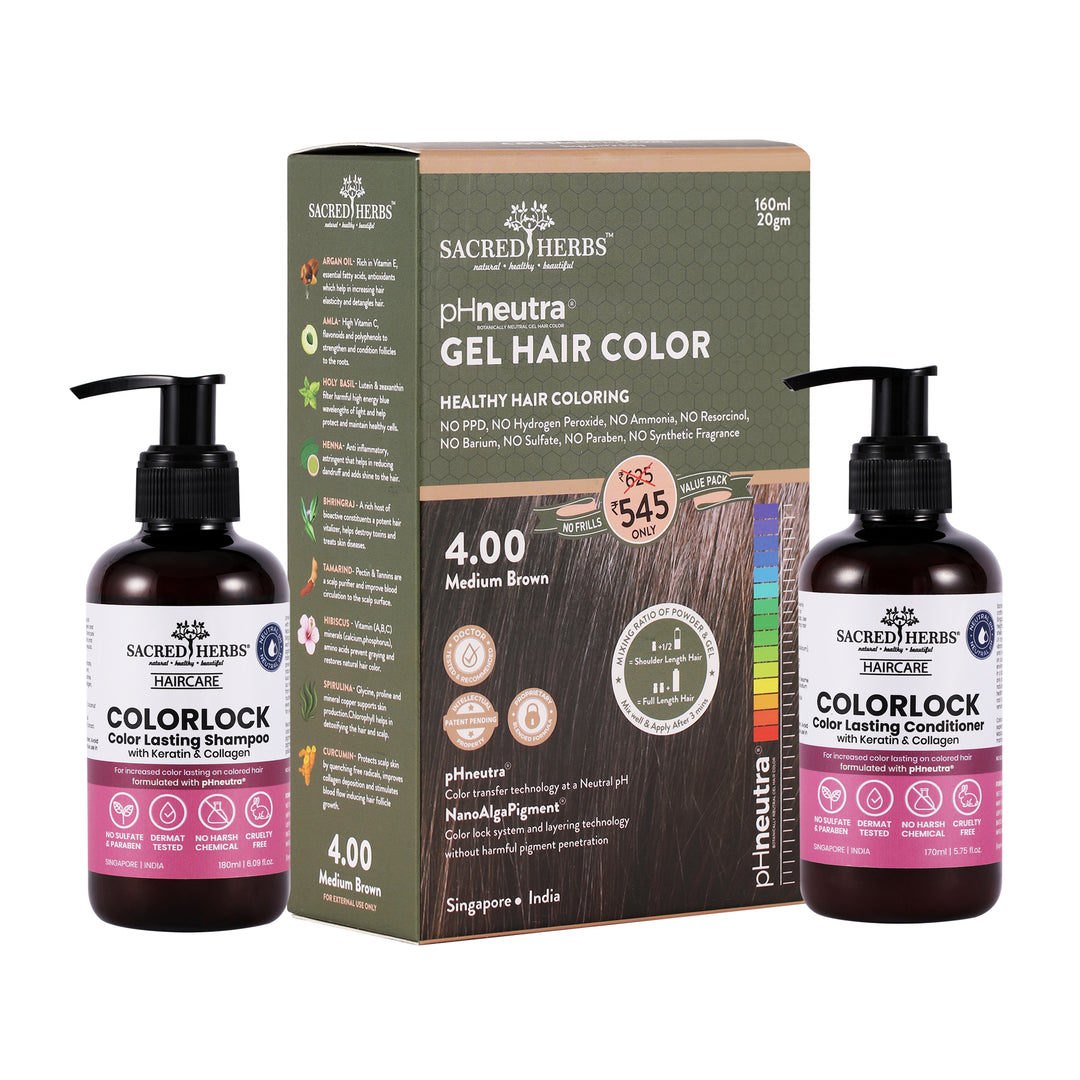
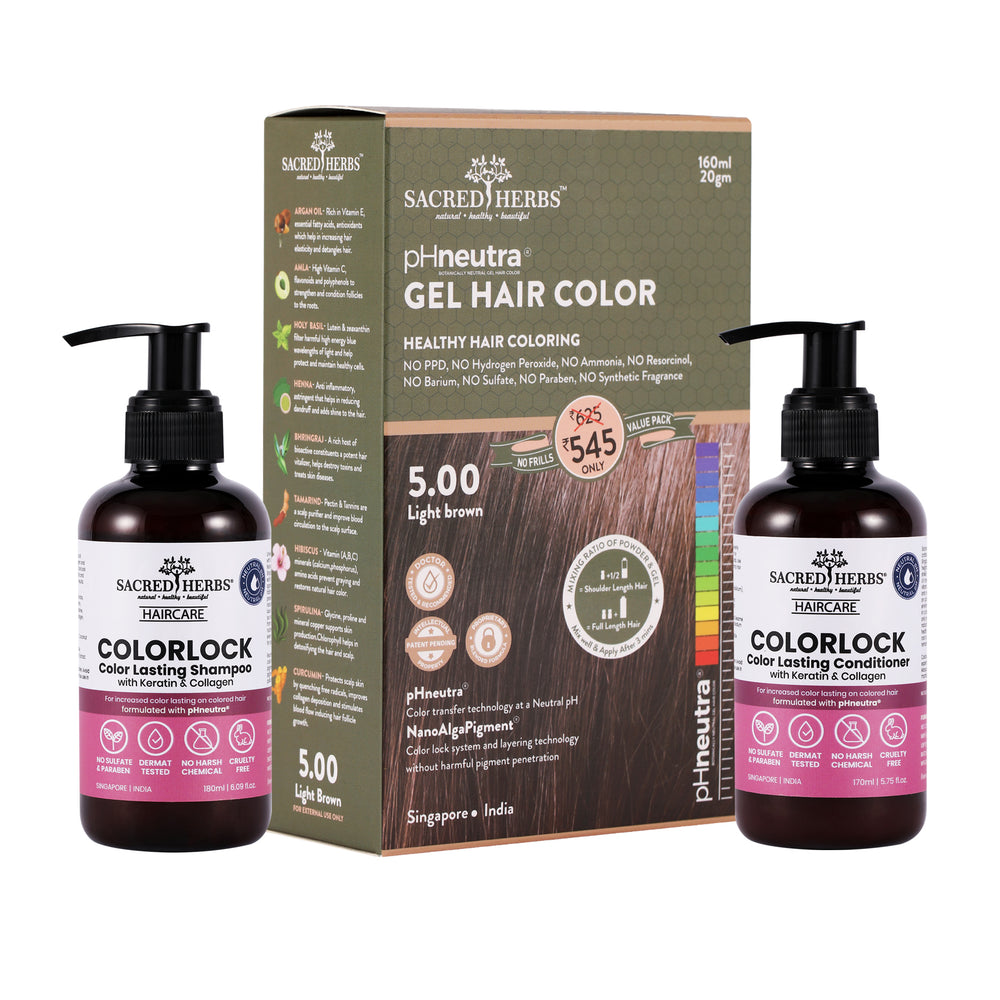
The Hair Care Collection at Sacred Herbs is formulated around this philosophy across all product lines: the Rosemary Anti Hair Fall Series, the ColorLock Series, the Coconut Milk Series, and the Ultra Hydrating Series all exclude the toxicological concerns that make conventional hair care products worth scrutinising.
Core Question 7: What Should the Application Experience Feel Like?
For someone switching from conventional to non-toxic hair colour, the application experience is one of the most immediately noticeable differences.
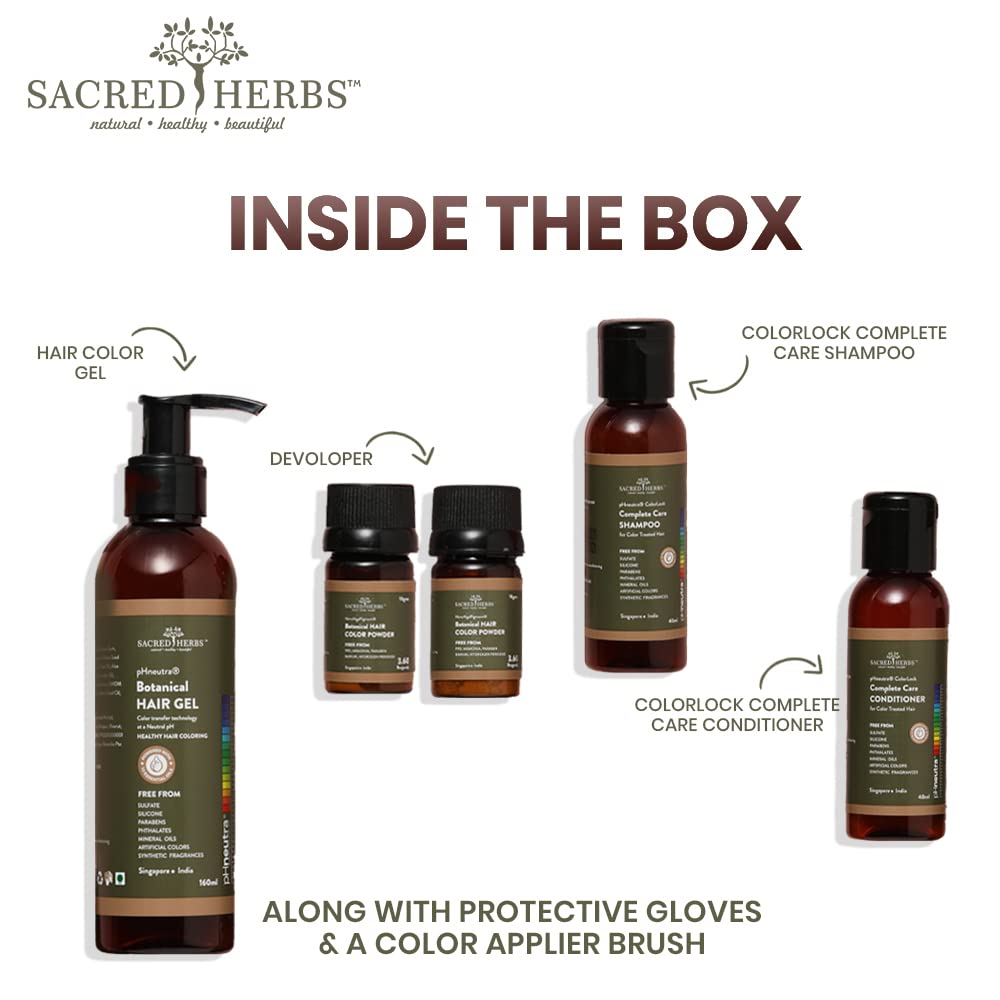
Mixing: The formula mixes to a thick gel consistency rather than the thin cream of conventional colour. It holds its shape on the brush and does not run off.
Application: Controlled, precise, without dripping onto forehead, ears, or clothing. The gel stays where it is applied.
During processing: No ammonia smell. No scalp burning. No eye irritation from fumes. The experience is entirely comfortable. Many people read, watch television, or work during processing without the discomfort that makes conventional colour processing unpleasant.
Rinsing: The gel rinses out thoroughly with lukewarm water. Takes slightly longer than conventional cream colour due to the thicker consistency. The hair emerges feeling soft and manageable.
Post-rinse: No characteristic post-dye dryness or roughness. Hair typically feels better than pre-application.
Core Question 8: How Do I Maintain Non-Toxic Hair Color for Maximum Longevity?
The investment in non-toxic hair color is protected by the right post-application routine.
Sulphate-free shampoo for every wash: the single highest-impact choice for colour longevity.
Cool water washing: closes the cuticle and retains colour.
48-hour post-application wash-free window: allows botanical pigments to fully bond.
UV protection: a UV-protective leave-in spray or hat during high-sun-exposure periods significantly extends colour life.
Deep conditioning every two weeks: maintains cuticle integrity and colour-holding capacity.
Frequently Asked Questions
Can non-toxic hair color cause any harm at all?
No product is completely without risk. Botanical sensitivities exist, though they are less common and generally less severe than synthetic dye sensitivities. Patch testing remains important. "Non-toxic" means the established toxicological risks of conventional dye are absent, not that the product is without any possible concern.
Is non-toxic hair color also good for the environment?
Yes. Botanical colourants are biodegradable. Conventional hair dye's aromatic amines, including PPD, are persistent environmental contaminants with documented aquatic toxicity. Non-toxic botanical colour has a significantly lower environmental footprint.
Does non-toxic hair color work for dark hair colouring in Indian climates?
Yes. The dark shade range in botanical colour performs well in India's varied climate conditions. Heat and humidity during the processing period (under a shower cap) actually improve pigment absorption. Colour longevity in hot, humid climates can be maintained with sulphate-free shampoo and reduced washing frequency.
Can non-toxic hair color be used on children?
No hair colour product is recommended for children under 16 without a dermatologist's guidance. The principle of a non-toxic formula is more important for children than adults (due to their higher surface-area-to-body-weight ratio and developing detoxification systems), but the safest position remains no colouring for children.