Natural Shampoo and Conditioner: What Makes a Wash Duo Genuinely Botanical
The shelves are full of them now. Leaves on the label, earthy colors, words like "botanical," "herbal," and "natural" in flowing fonts. The natural shampoo and conditioner category has exploded in India, driven by real consumer demand for gentler, plant-based hair care.
But here is the catch that most shoppers miss: "natural" is not a regulated term in cosmetics. A product can call itself natural with one plant extract added to an otherwise conventional formula. For anyone who genuinely wants natural hair care, learning to tell real botanical formulations from green-tinted marketing is an essential skill. This article teaches it.
The Problem With the Word "Natural"
In most markets, including India, there is no strict legal definition a product must meet to call itself natural. This means the word can appear on:
-
A genuinely botanical formulation built from plant-derived ingredients
-
A conventional product with one or two token botanical extracts
-
A product using natural-sourced ingredients that have been heavily processed
The word signals intent, not content. It tells you the brand wants you to associate the product with nature. It does not, by itself, tell you what is actually in the bottle. This is why the ingredient list, not the front label, is where the truth lives.
What a Genuinely Natural Shampoo Contains
Instead of trusting the word, examine the formulation.
Plant-Derived Cleansing Agents
A genuine natural shampoo uses surfactants derived from plants rather than harsh petrochemical sulfates:
-
Coco-glucoside, derived from coconut and fruit sugars
-
Decyl glucoside
-
Sodium cocoyl isethionate
-
Reetha (soapnut), a traditional Indian natural cleanser
Botanical Actives
Genuine natural shampoos are built around plant ingredients with real function:
-
Neem for scalp support
-
Bhringraj and amla for traditional hair nourishment
-
Shikakai, a traditional Indian cleanser
-
Hibiscus and aloe vera for conditioning
What Is Absent
A genuinely natural shampoo avoids sodium lauryl sulfate, sodium laureth sulfate, parabens, and often synthetic fragrance and drying alcohols.
What a Genuinely Natural Conditioner Contains
A natural conditioner delivers softness and detangling through plant-derived means.
Natural Conditioning Agents
While some conditioning agents are synthetically produced, natural conditioners emphasize plant-derived and gentle ingredients, along with botanical oils and butters that condition without heavy synthetics.
Botanical Moisturizers
-
Aloe vera for hydration
-
Coconut, argan, or jojoba oil for softness
-
Shea butter for richness on dry or coarse hair
-
Hibiscus for smoothing and slip
Traditional Ingredients
Indian hair care tradition offers many natural conditioning ingredients, from bhringraj to amla to hibiscus, that natural formulations draw on.
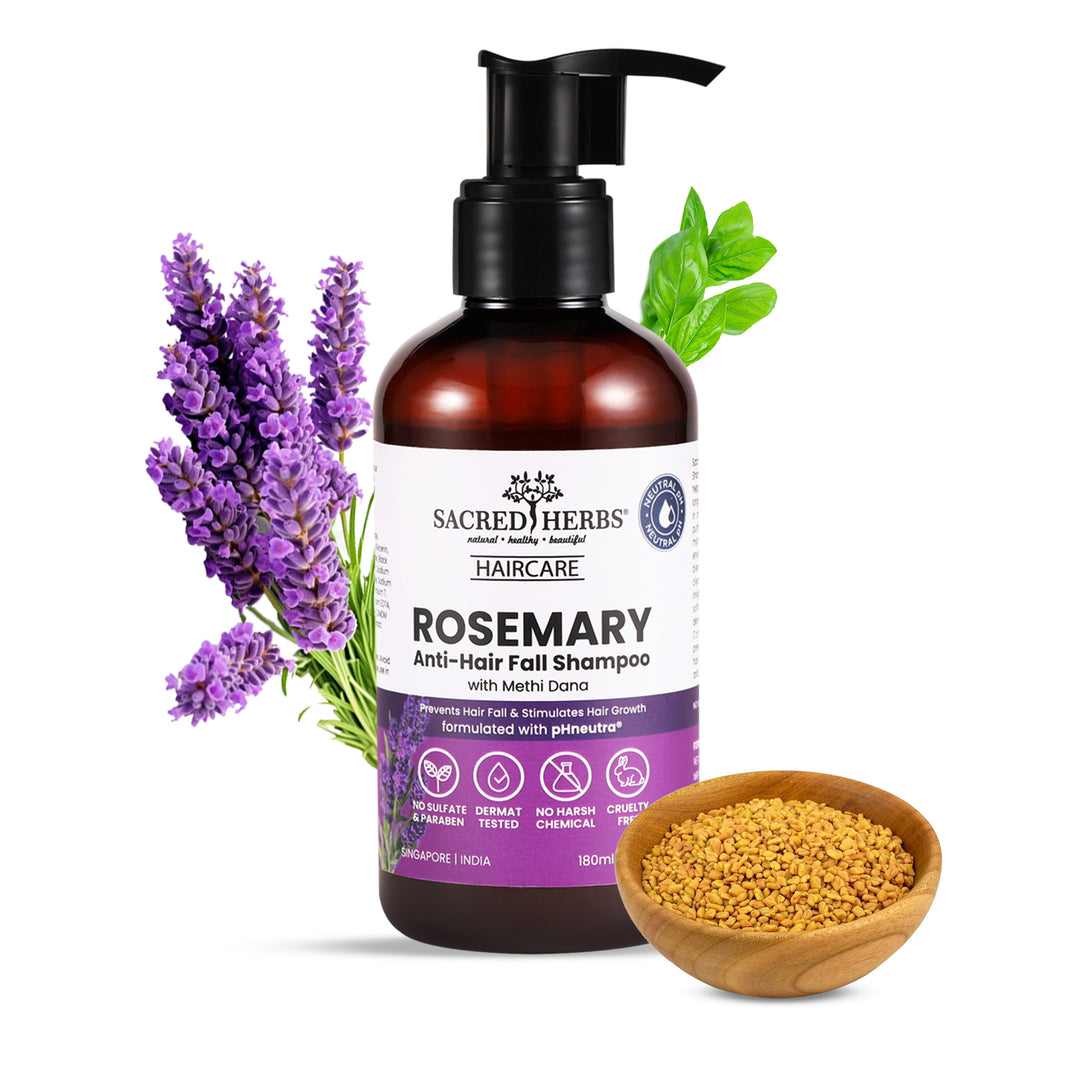
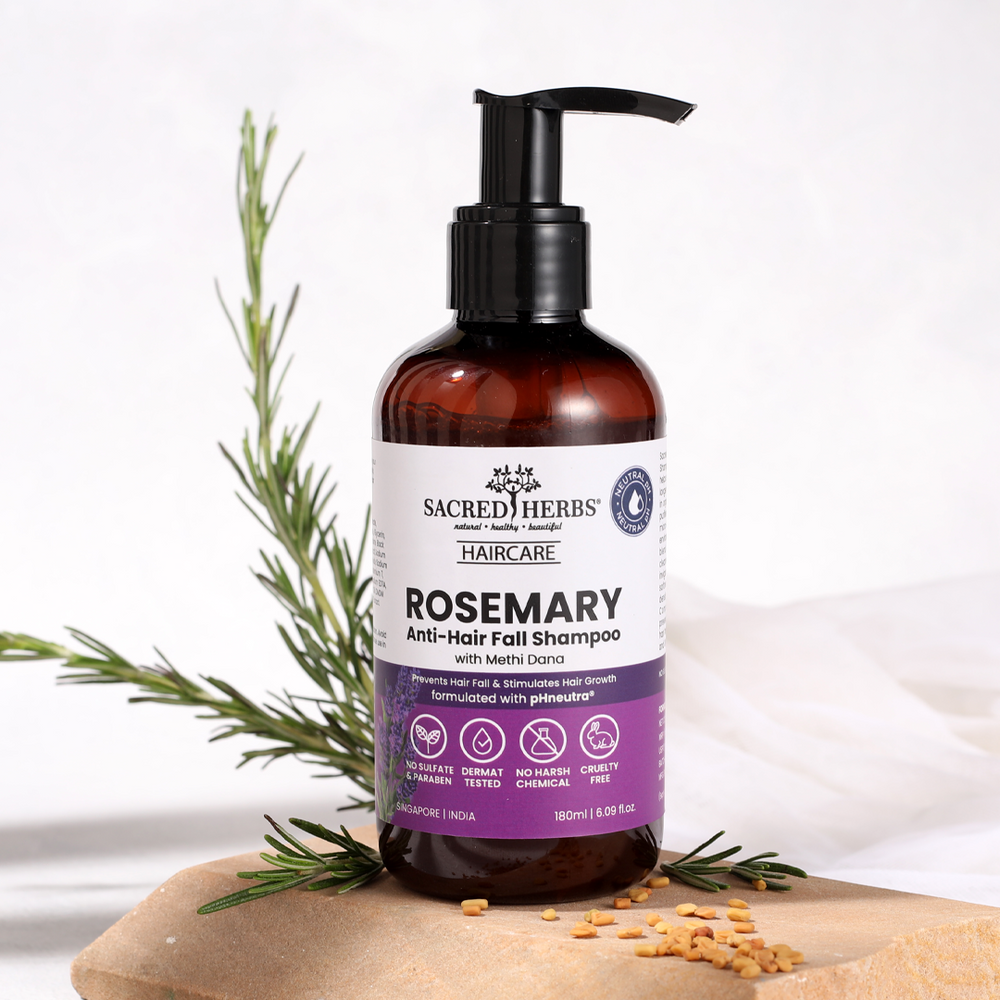
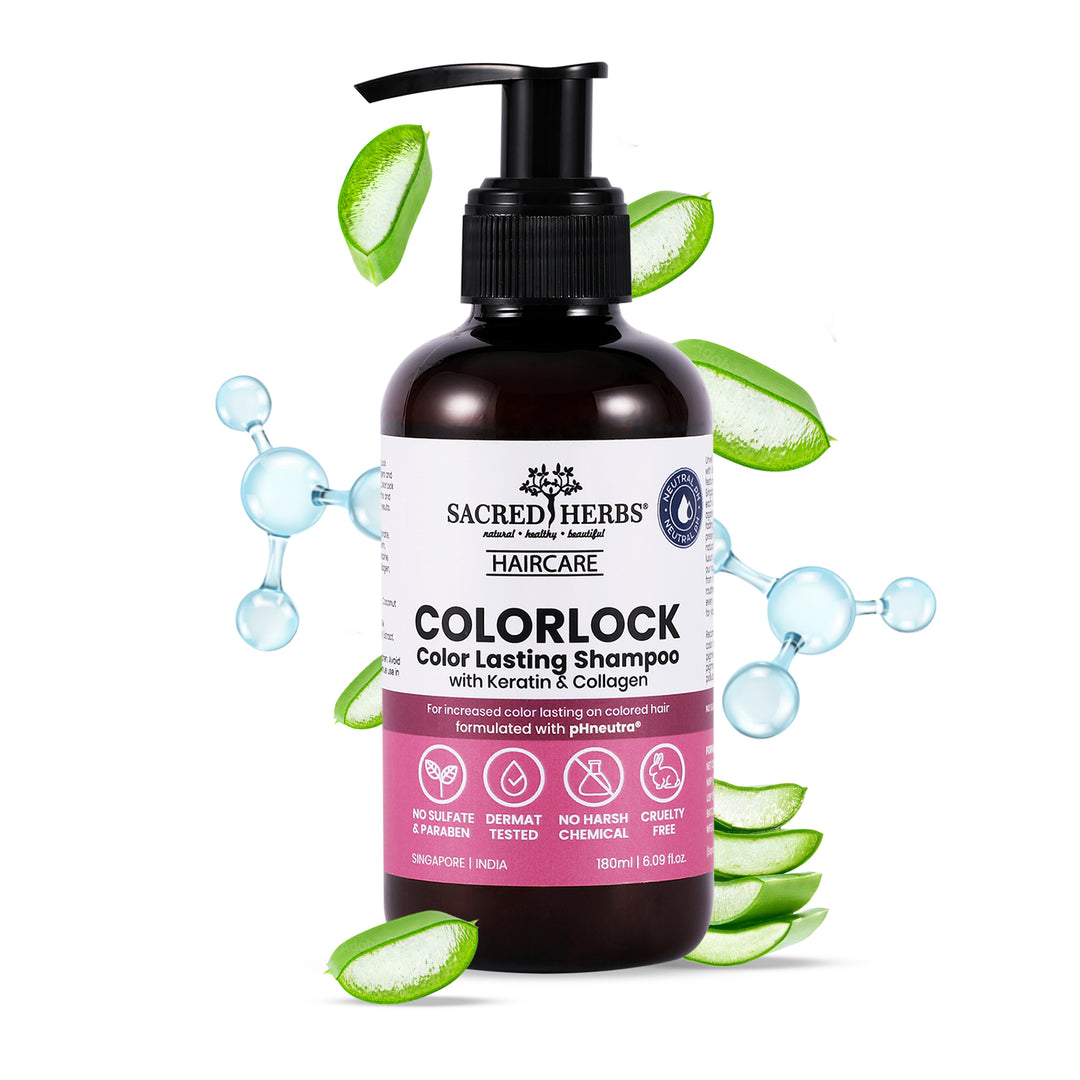
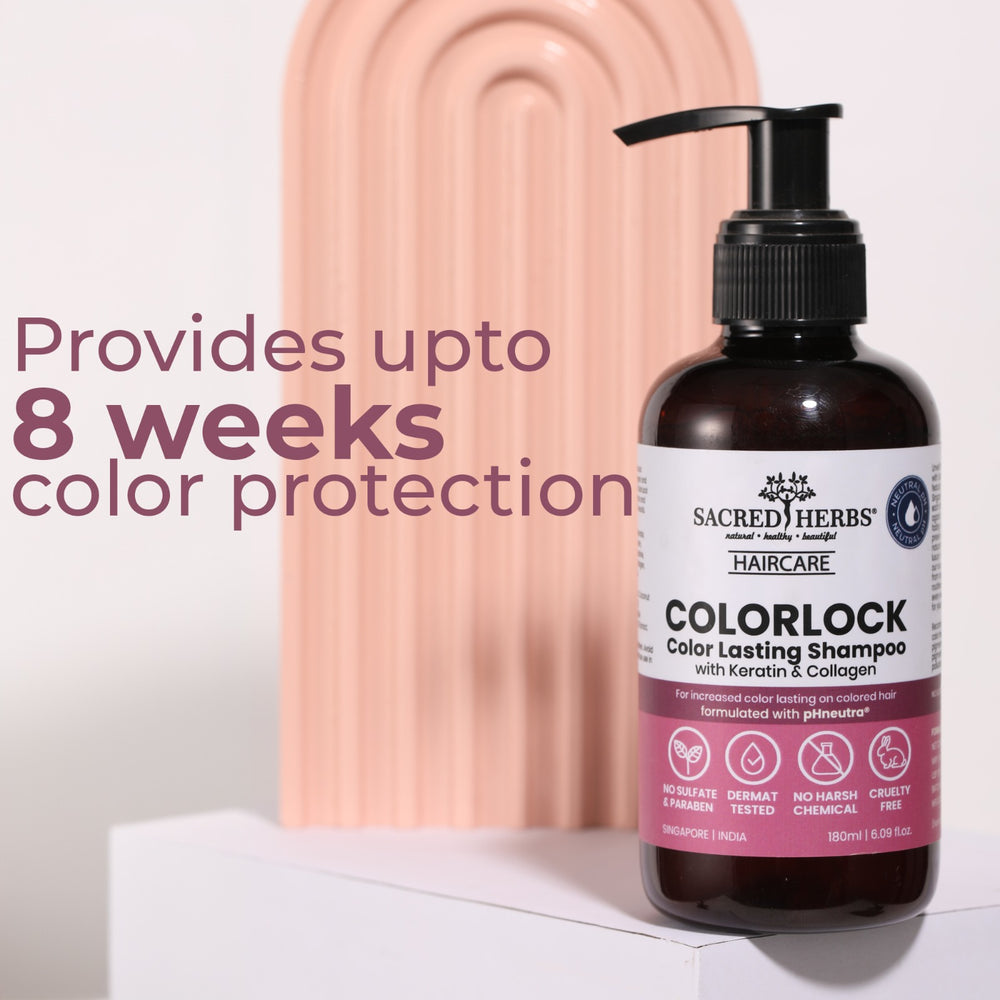
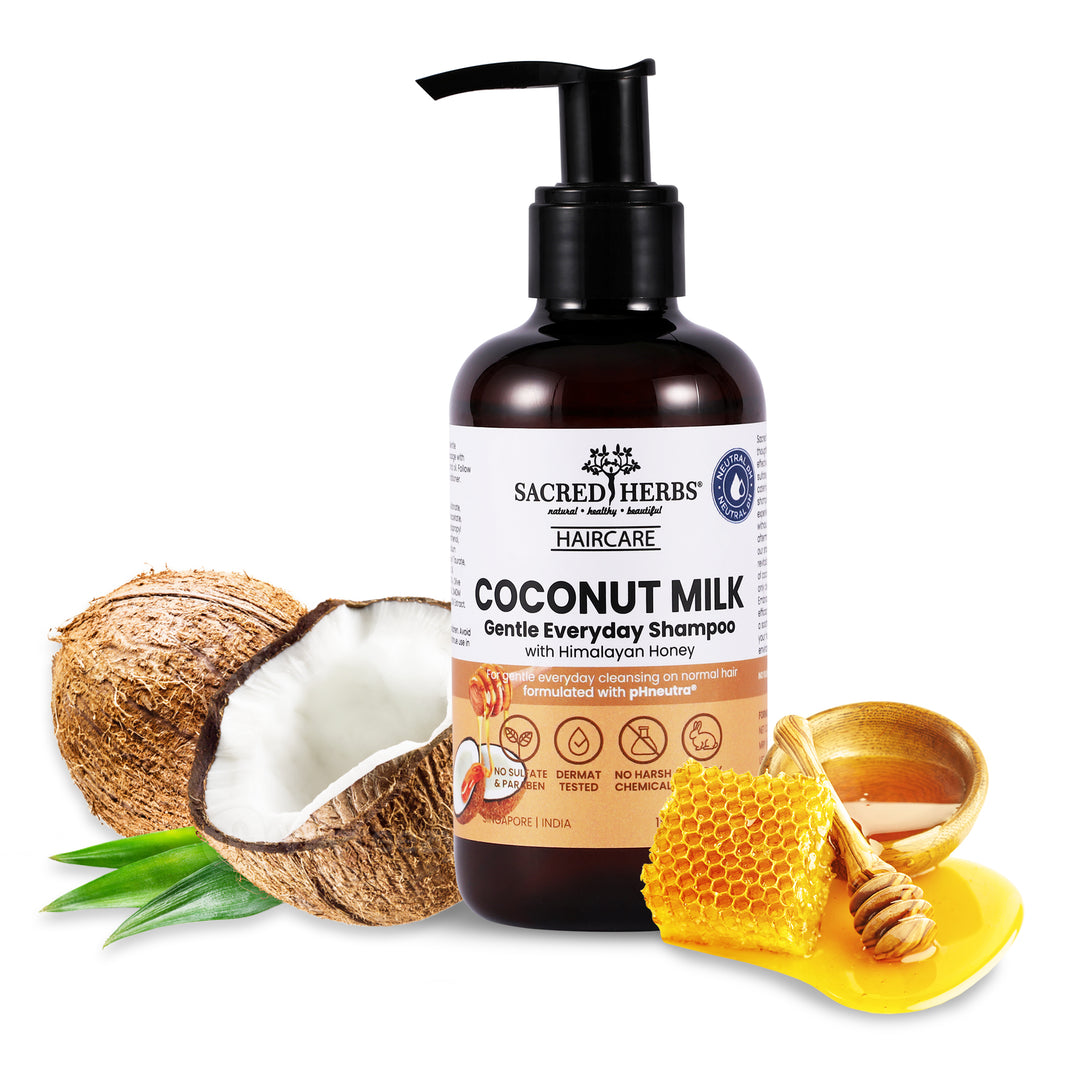
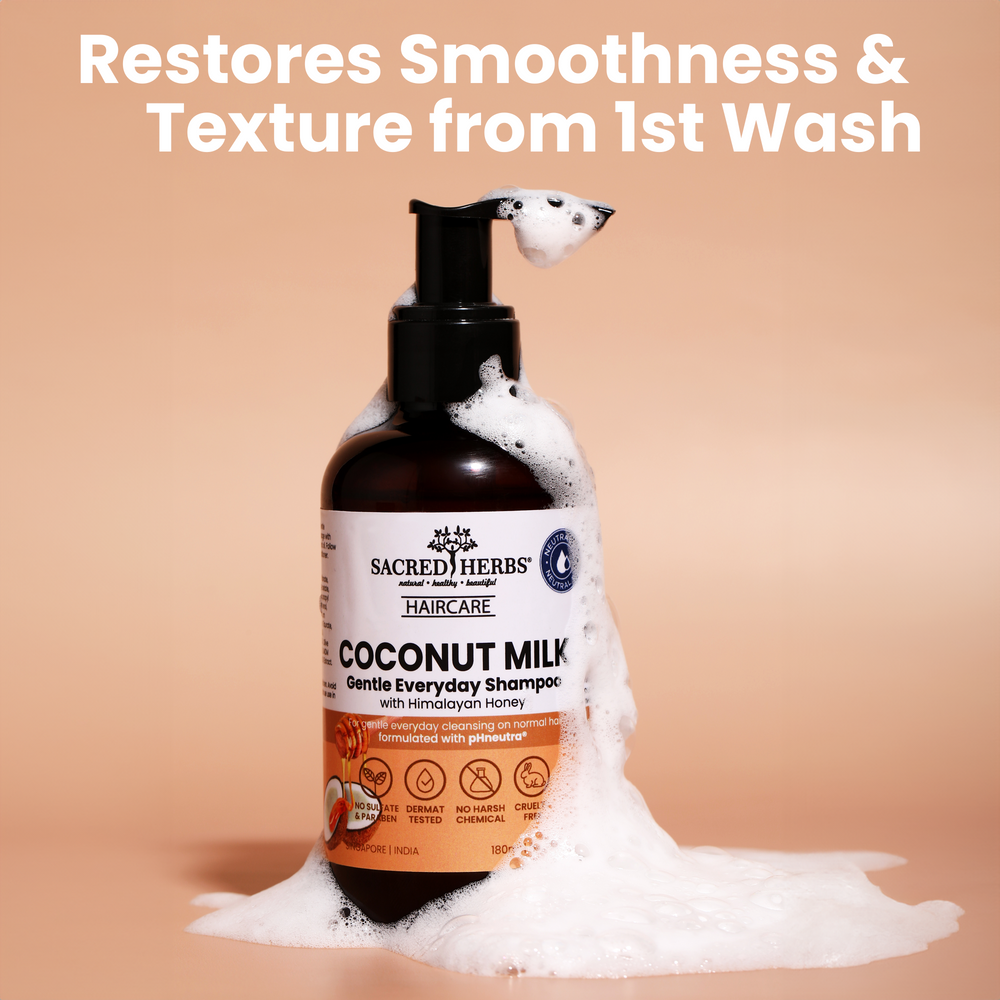
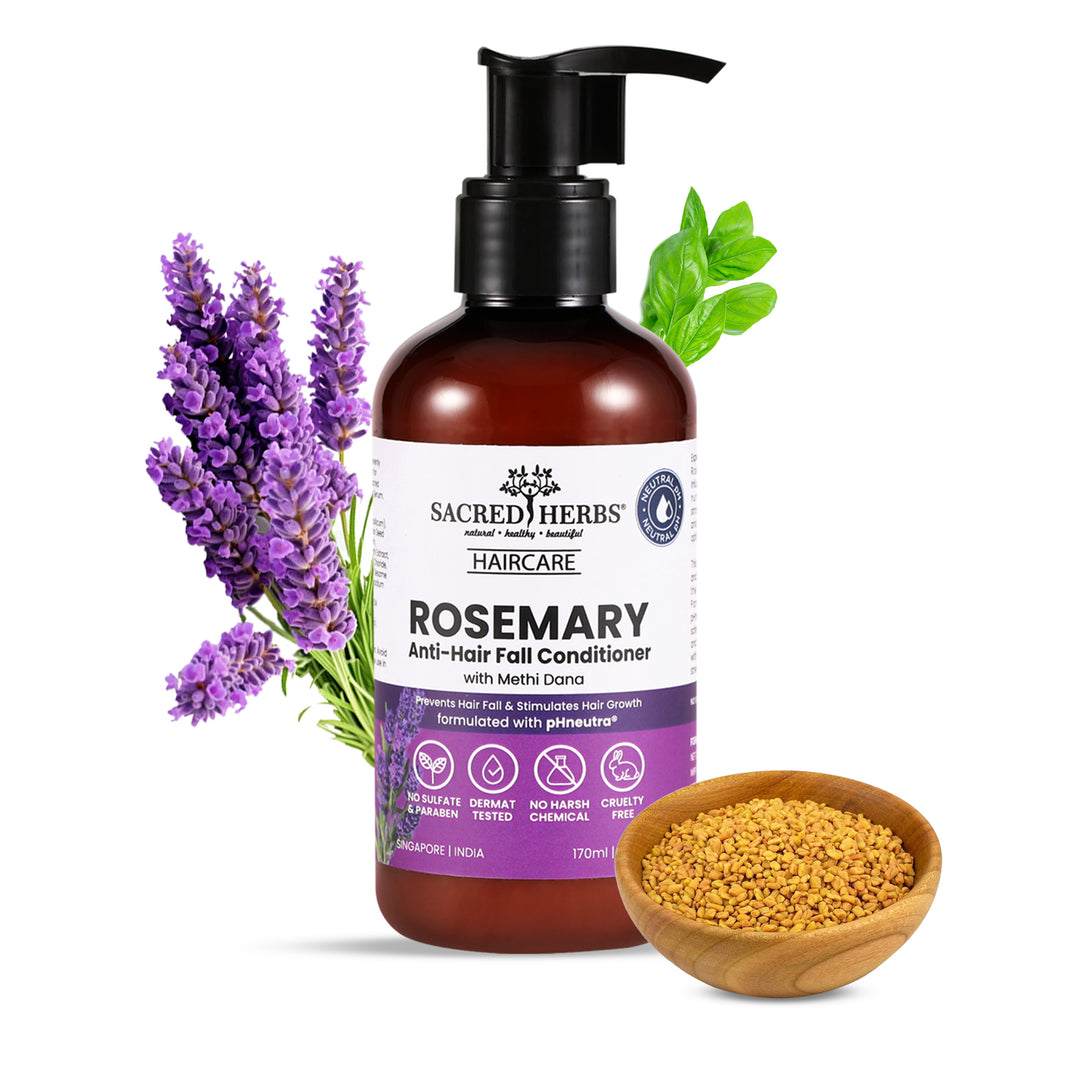
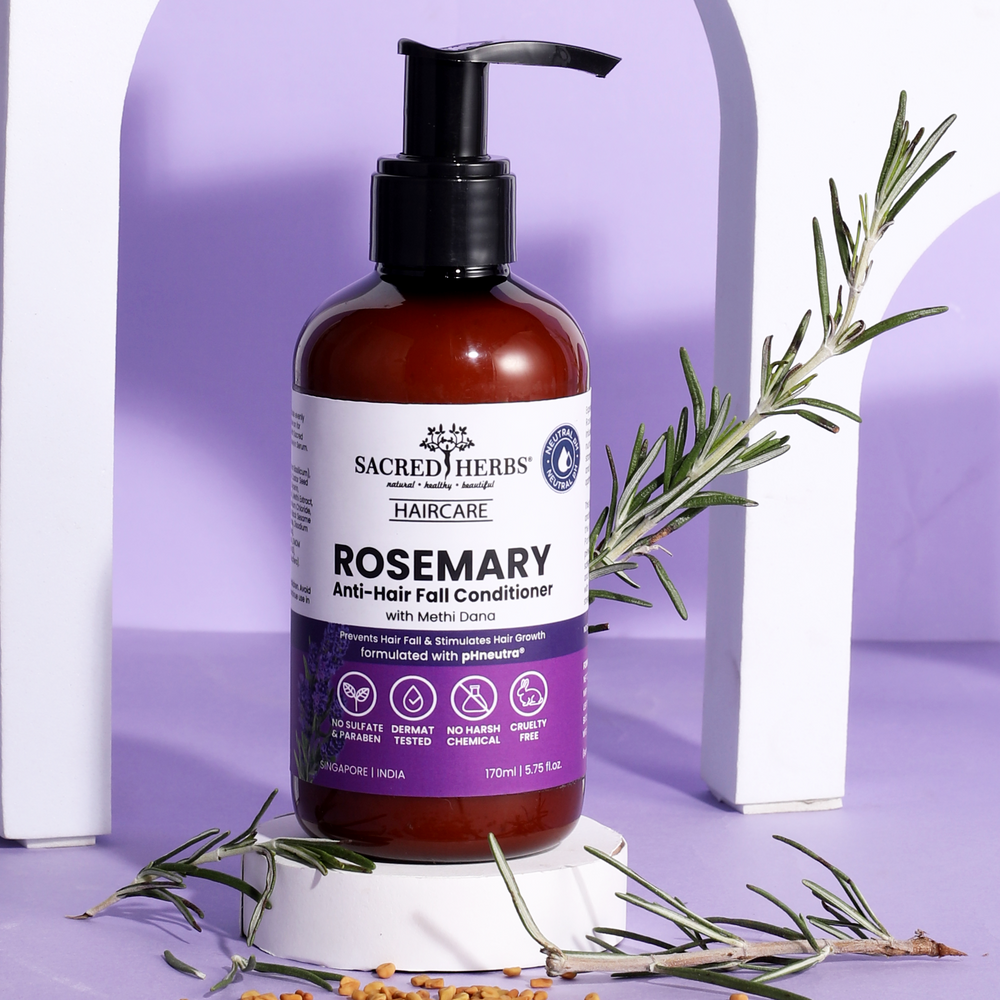
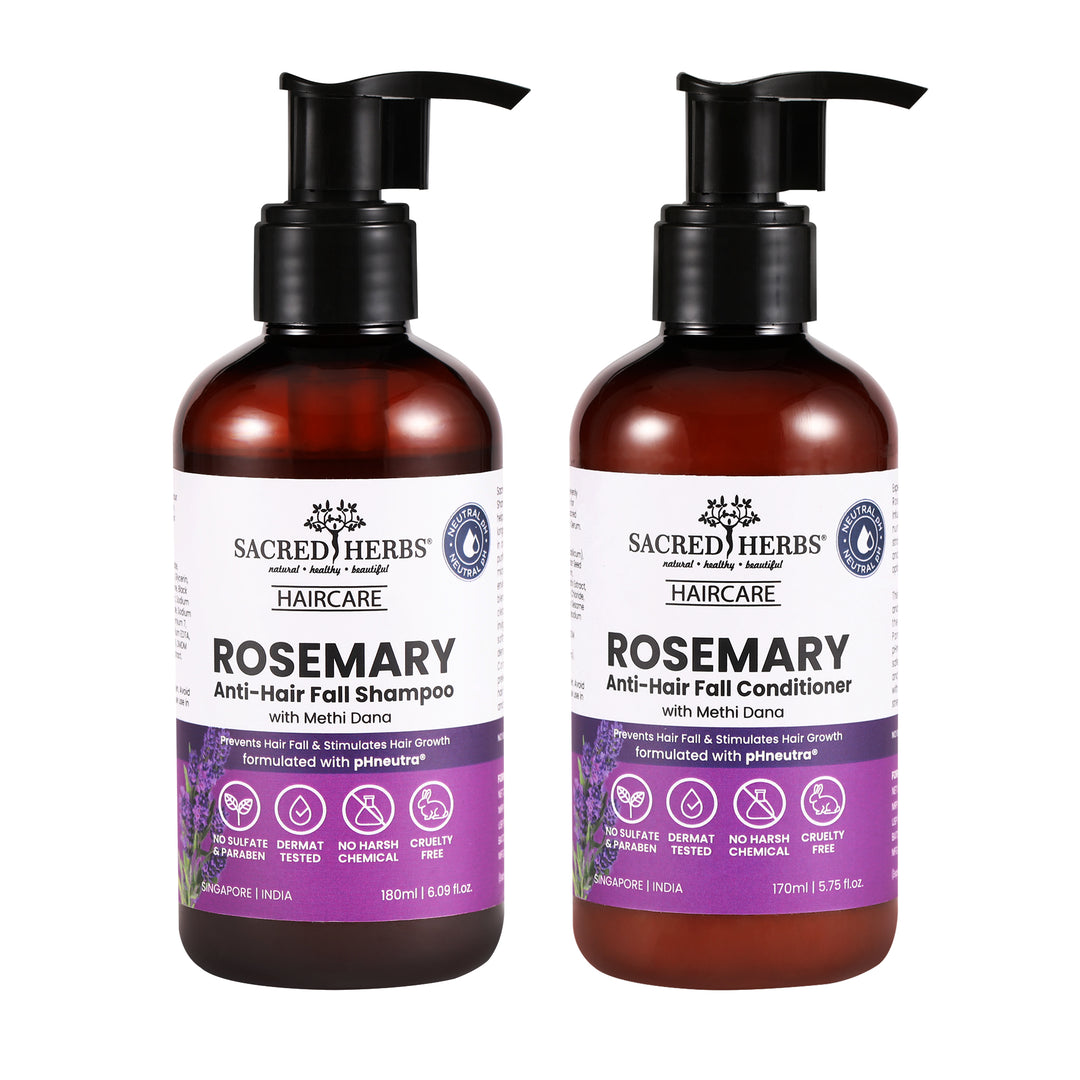
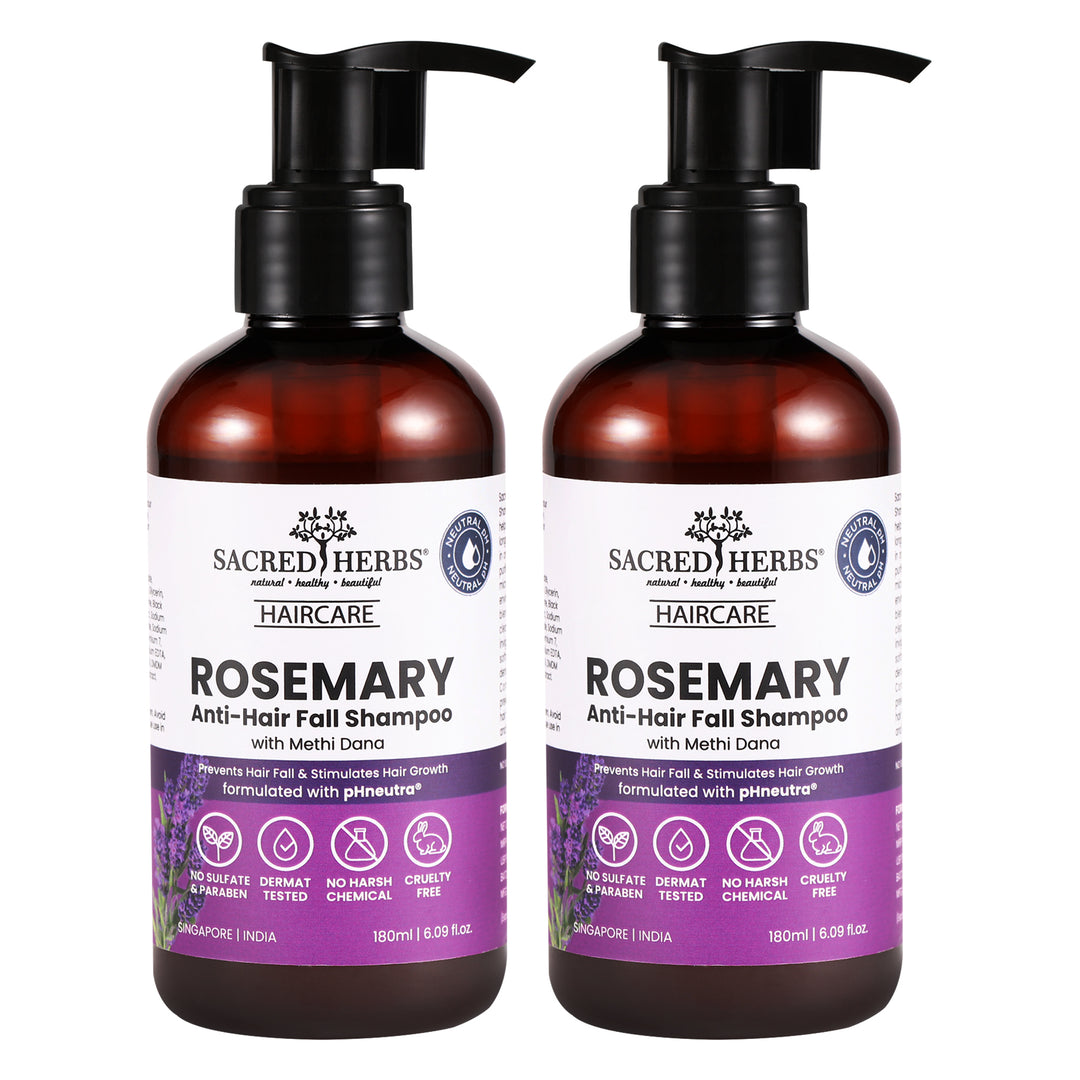
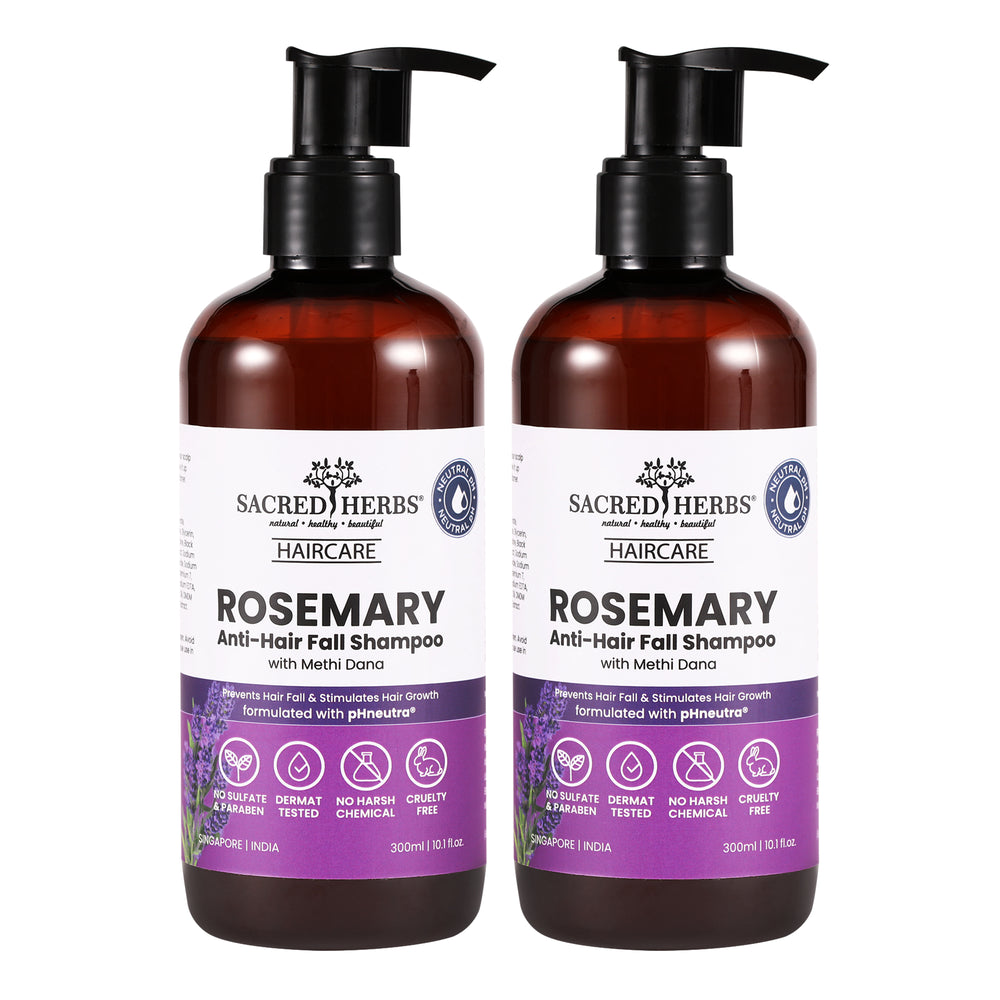
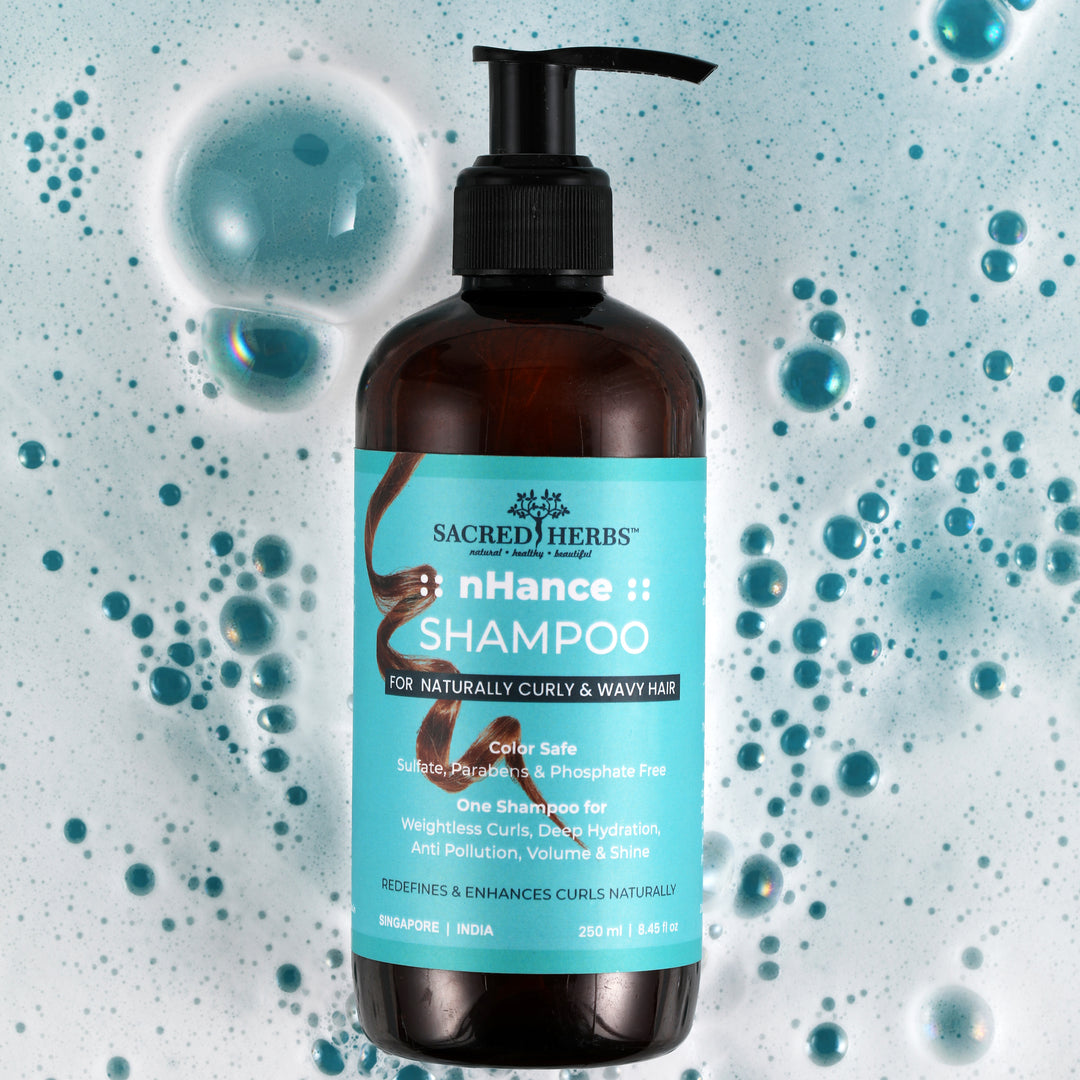
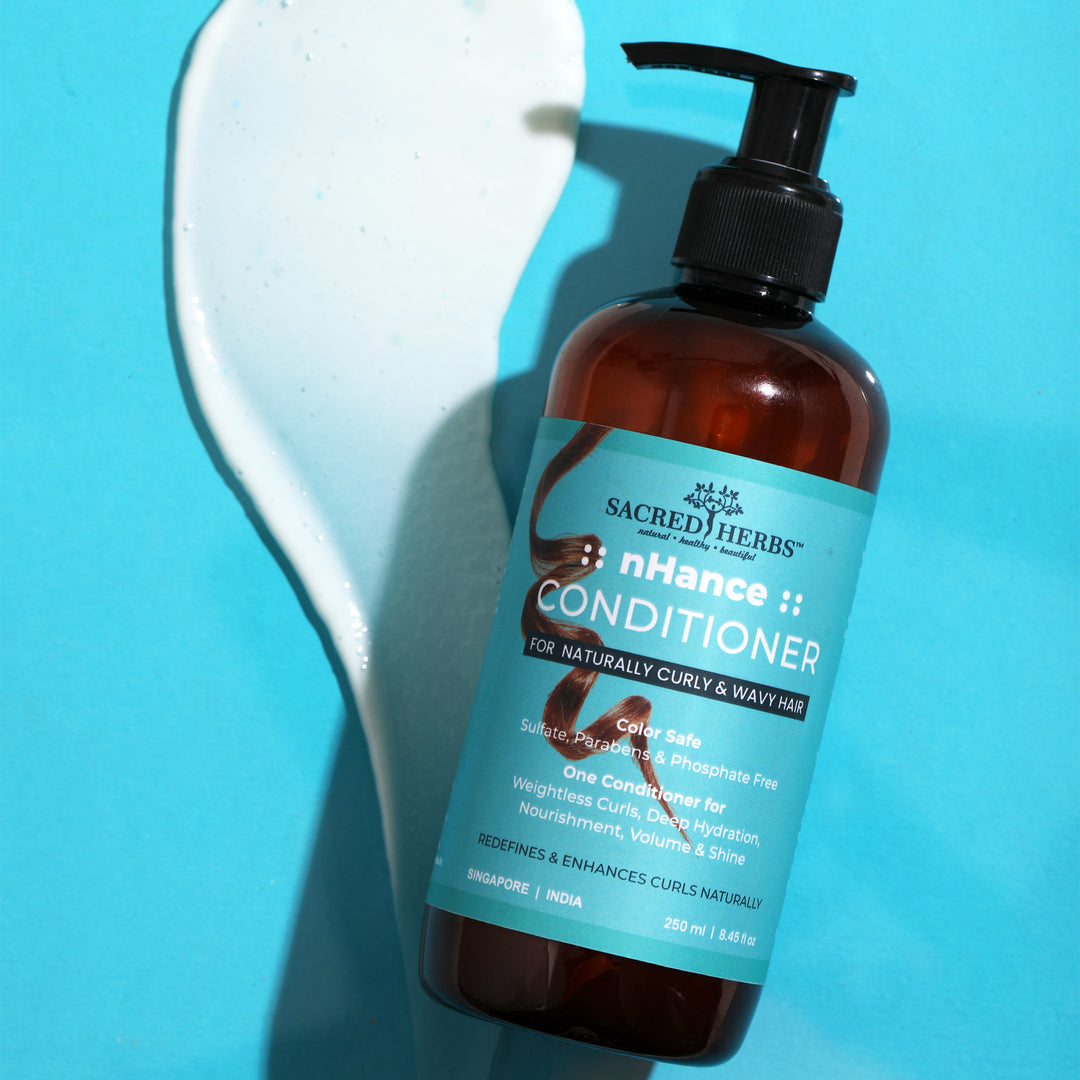
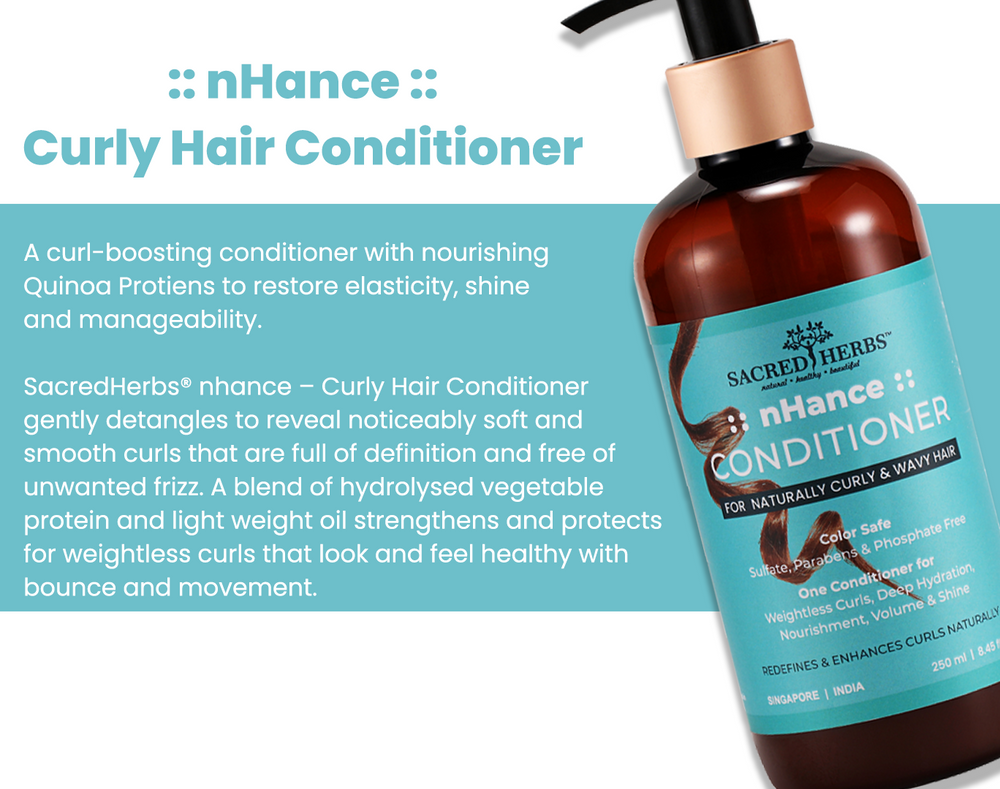
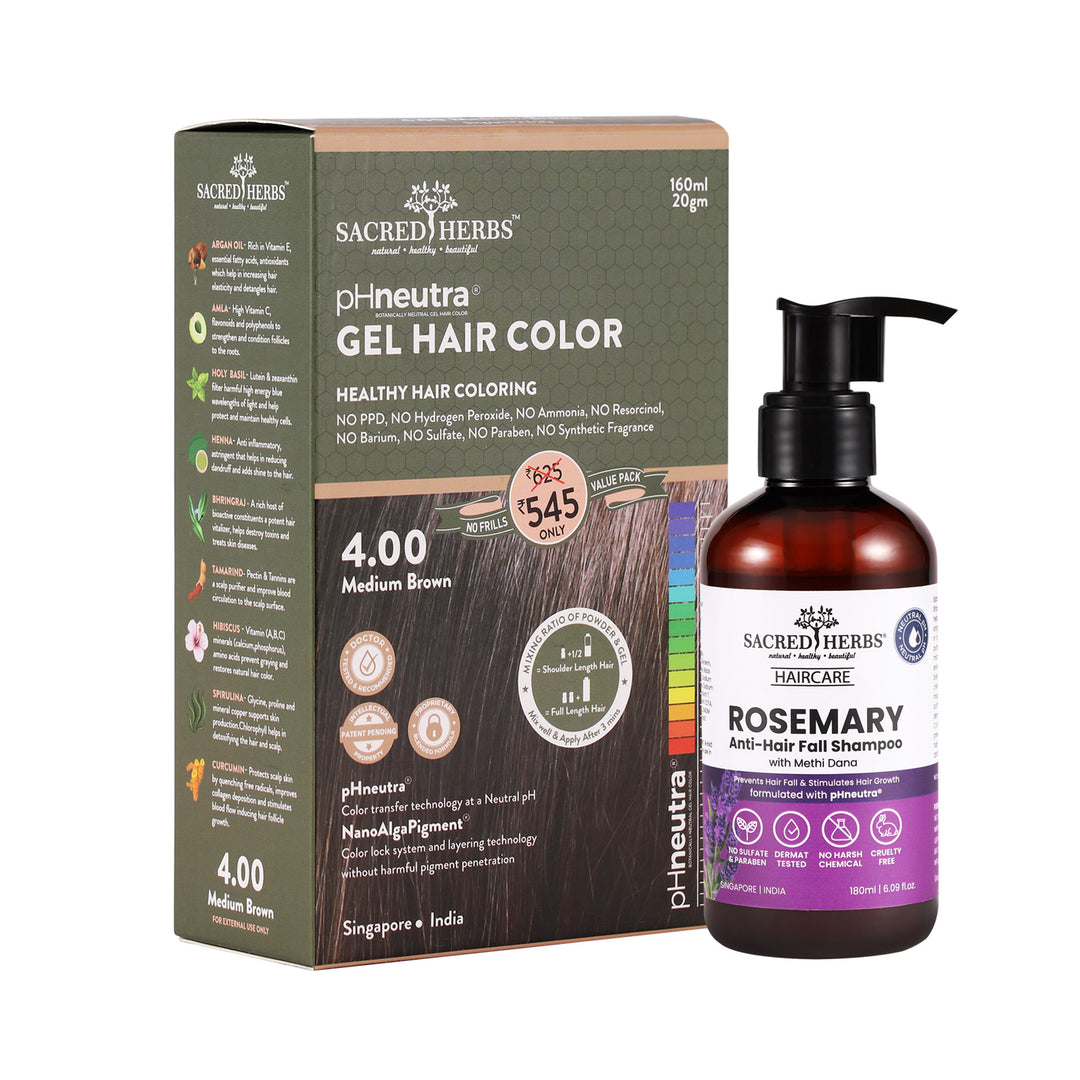
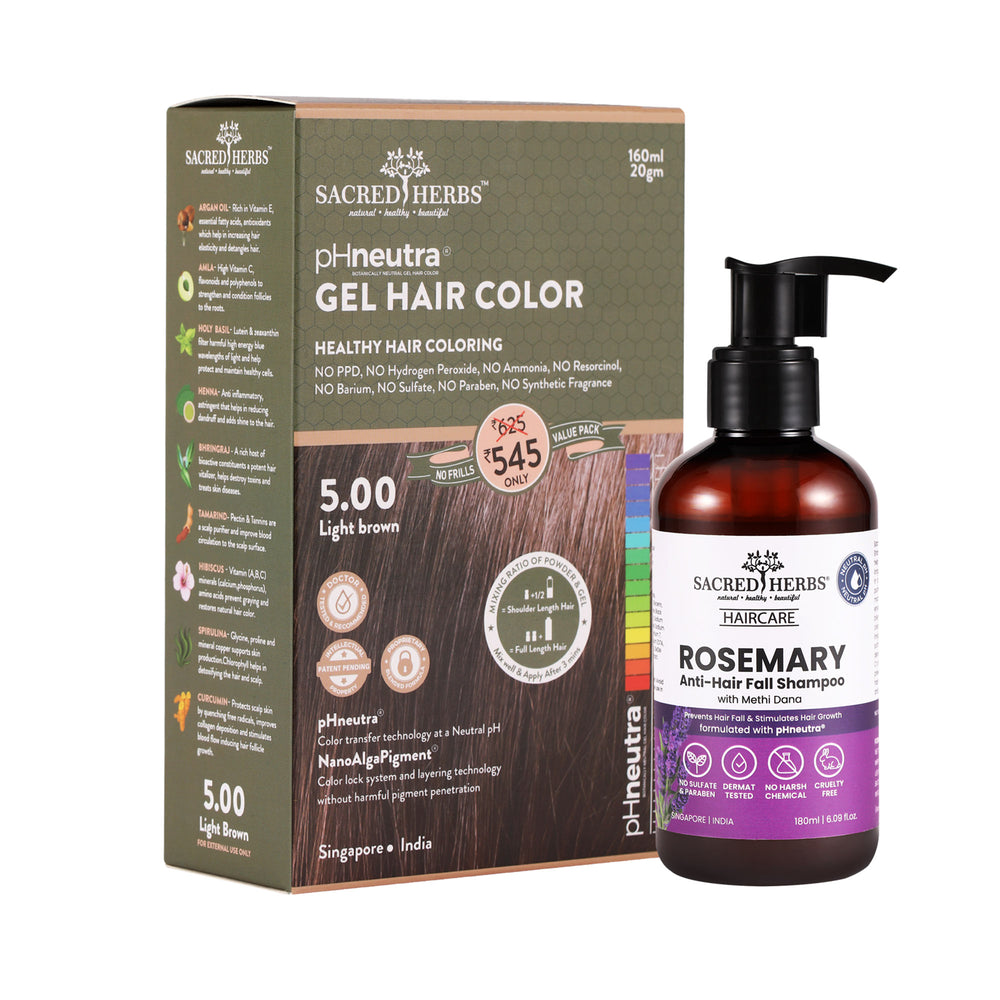
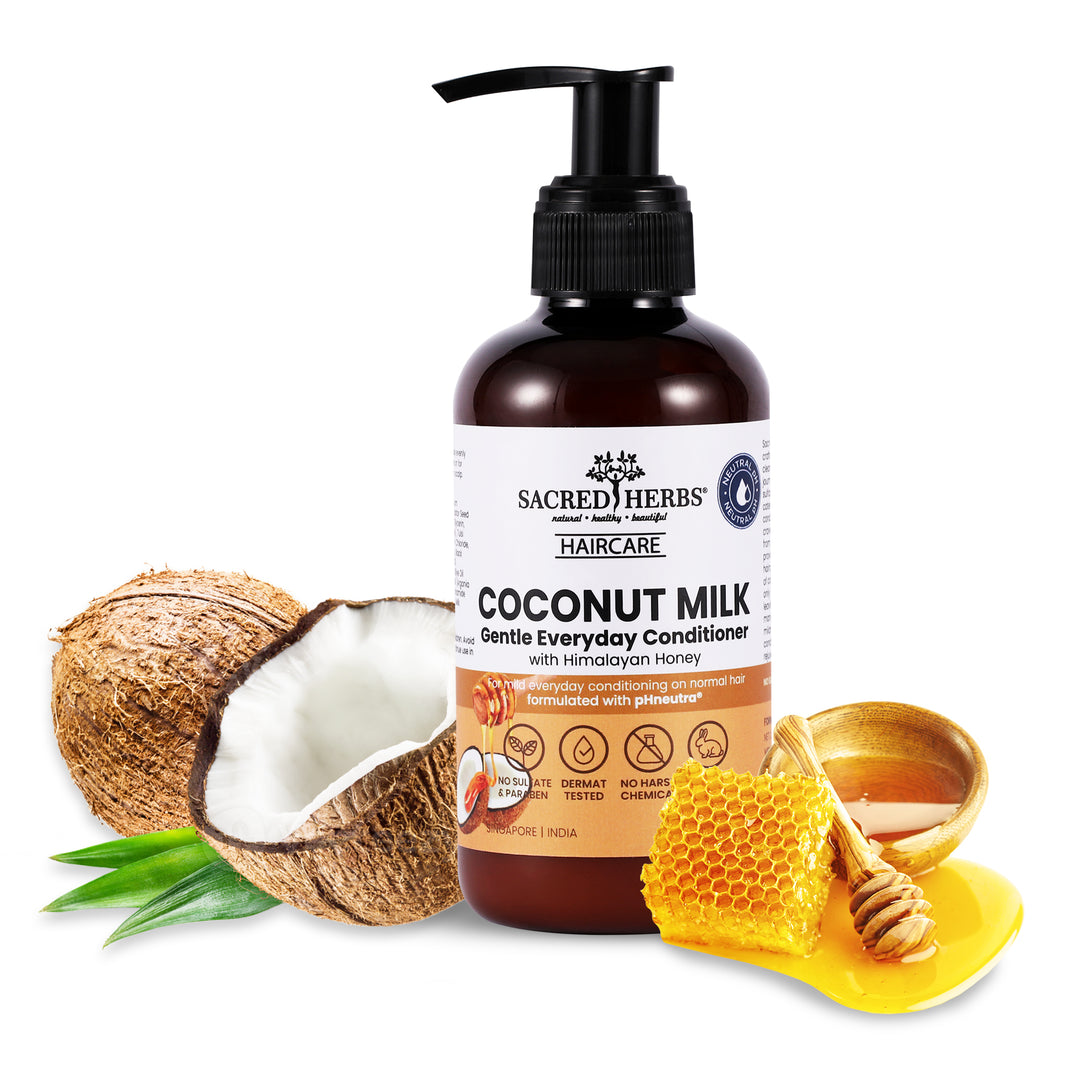
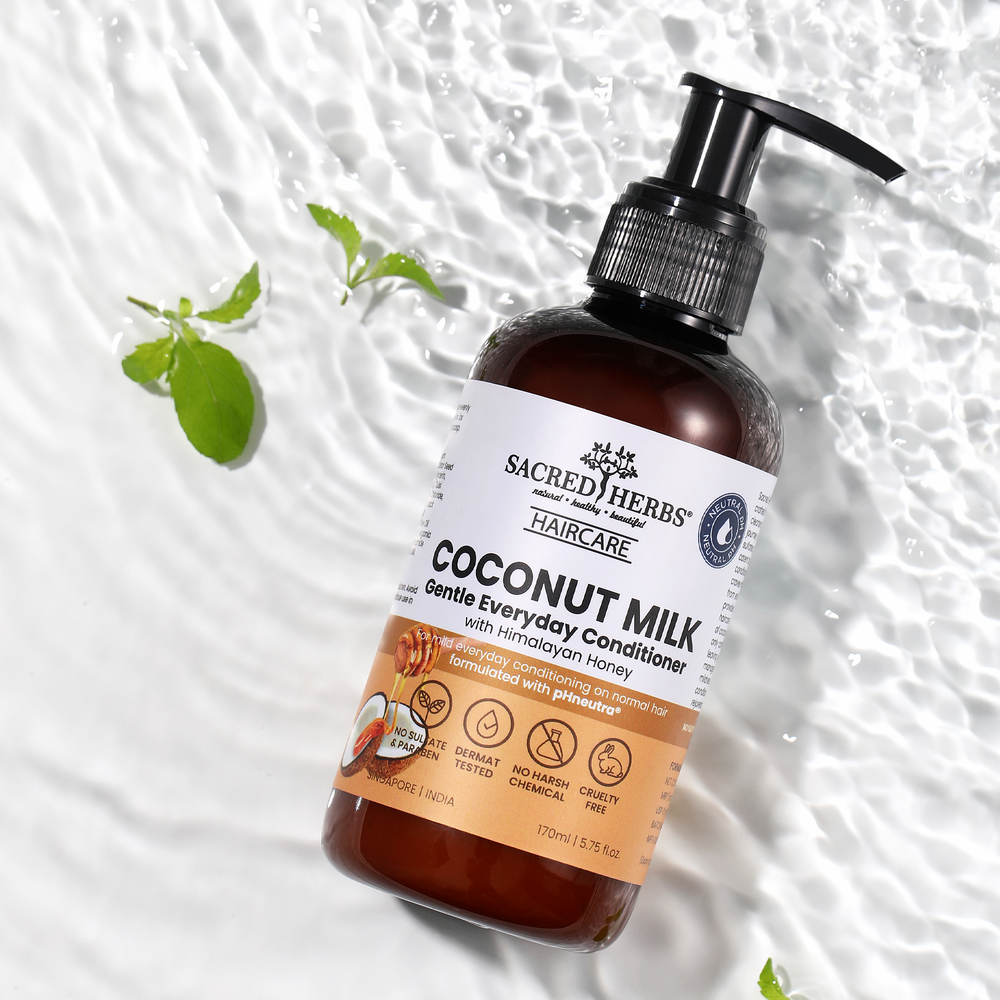
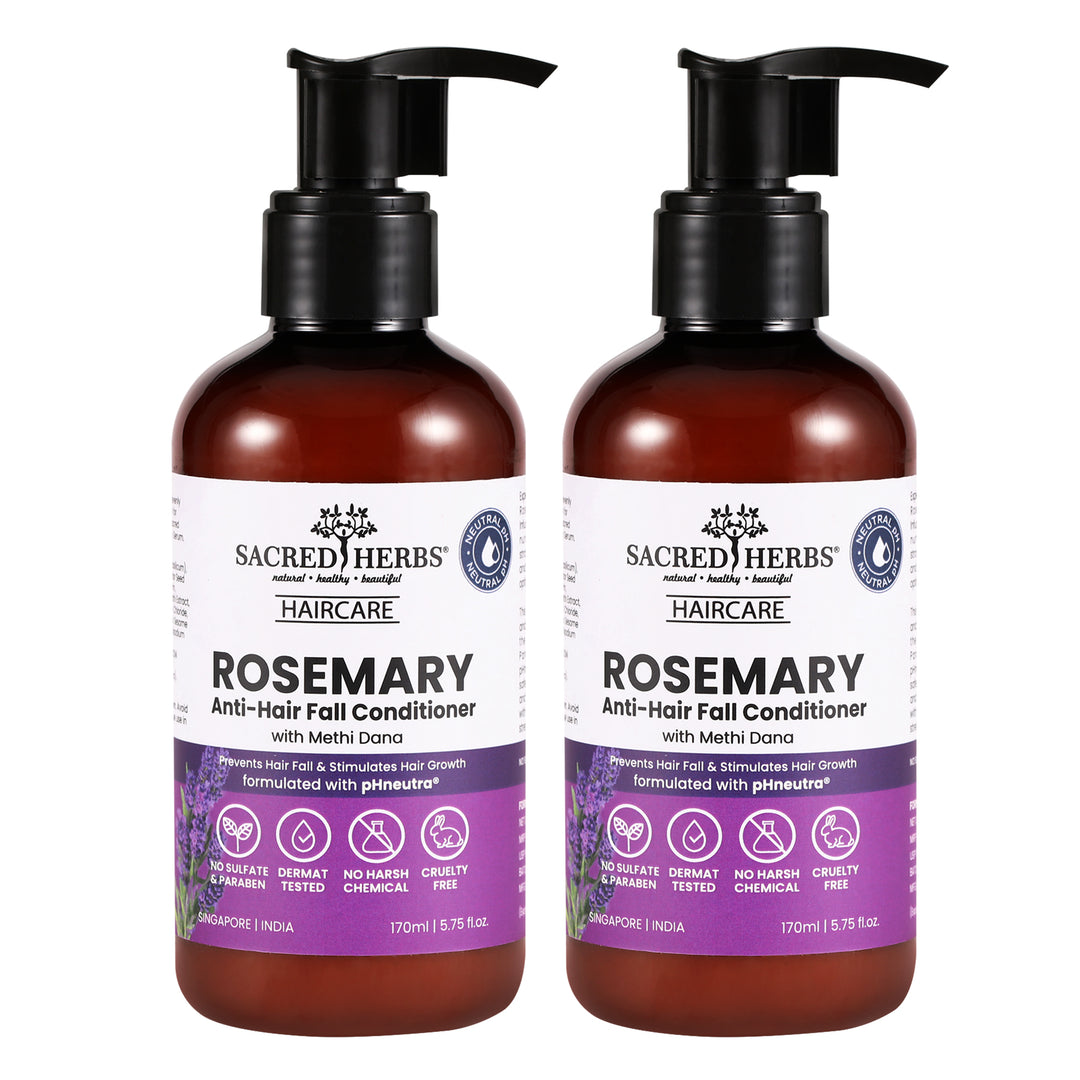
The Hair Care collection at Sacred Herbs is built around this genuinely botanical approach, formulating both cleansing and conditioning around plant-derived ingredients.
The Honest Limits of Natural Hair Care
A trustworthy discussion of natural products acknowledges the boundaries:
"Natural" does not automatically mean better for everyone. Some people react to botanical ingredients just as they might to synthetic ones. A patch test is still wise.
"Chemical-free" is a scientific impossibility. Everything, including water and plant extracts, is made of chemicals. No shampoo or conditioner can honestly be chemical-free.
Preservation is necessary. Water-containing products need preservatives to stay safe from microbial growth. Genuine natural products use gentle or naturally derived preservatives, but they are not preservative-free.
Natural does not mean unlimited gentleness. Some natural ingredients, like certain essential oils, can irritate sensitive skin and scalps.
An honest natural brand acknowledges these realities rather than making impossible claims.
How to Choose a Genuinely Natural Shampoo and Conditioner
On the shelf, run this check:
-
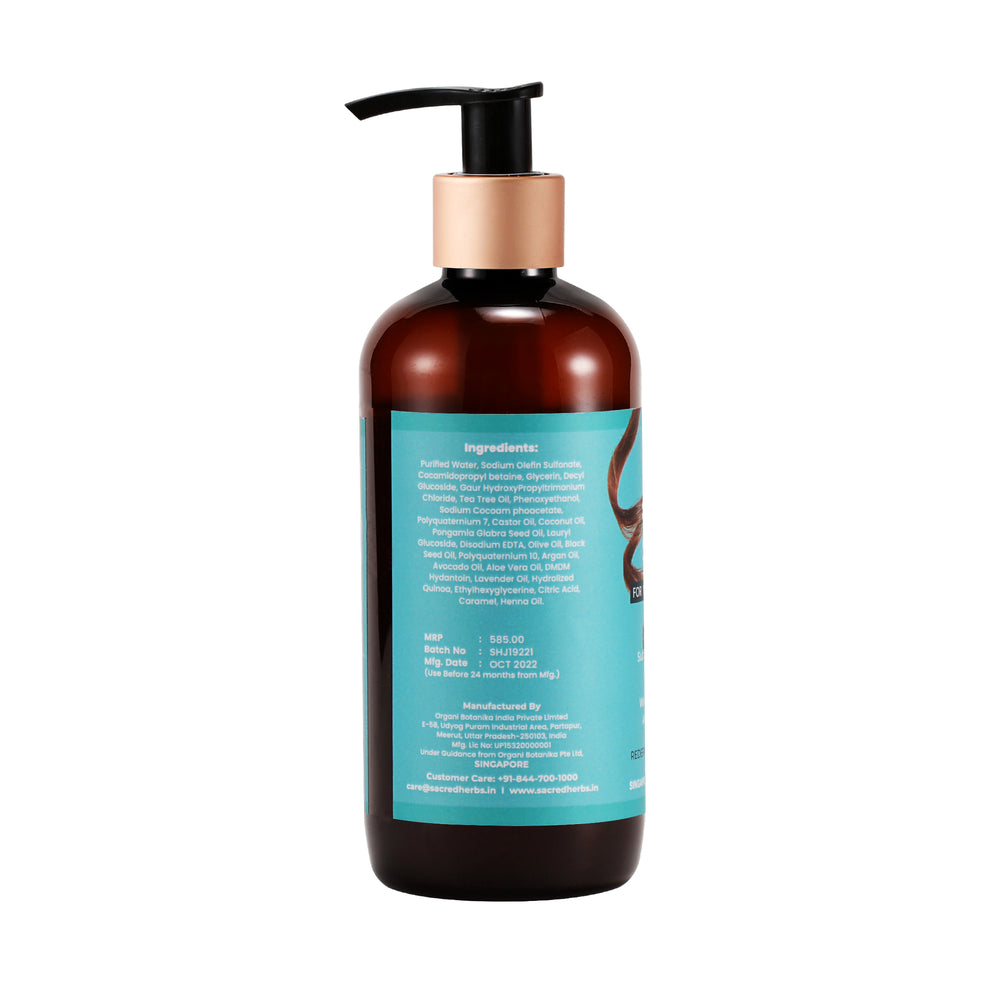
Read the full ingredient list, not just the front label
-
Confirm the shampoo's surfactants are plant-derived, not sulfate-based
-
Look for genuine botanical content high in both products, not a single token extract
-
Check what is absent: ideally sulfate-free and paraben-free
-
Be sceptical of impossible claims like chemical-free or preservative-free
-
Match the products to your hair type, since natural does not override the need for suitability
Using a Natural Shampoo and Conditioner Well
-
Wash two to three times weekly, since natural formulations support the scalp's natural balance
-
Use lukewarm water, never hot
-
Massage the shampoo into the scalp for two minutes
-
Apply conditioner to mid-lengths and ends
-
Rinse with cool water to seal the cuticle
For a complete natural hair care routine in one purchase, the Super Premium Pack from Sacred Herbs brings botanical products together as a coordinated system.
Extending the natural philosophy to grey coverage, the Hair Color range at Sacred Herbs offers botanical, ammonia-free formulations consistent with a natural hair care approach.
Why Sacred Herbs Formulates Naturally and Honestly
Sacred Herbs builds its hair care around genuinely plant-derived ingredients drawn from Indian botanical tradition, while being honest about what natural formulations can and cannot claim. This honesty matters as much as the ingredients, because a natural brand that overpromises undermines the trust that the natural category depends on.
Frequently Asked Questions
Q: Does "natural" on a shampoo mean anything specific?
Not legally, in most markets including India. The word is loosely used, so read the ingredient list rather than trusting the label.
Q: Can a shampoo or conditioner be completely chemical-free?
No. Everything, including water and plant extracts, is made of chemicals. "Chemical-free" is scientifically inaccurate.
Q: How do I know if a natural shampoo is genuine?
Check that its surfactants are plant-derived rather than sulfate-based, and that botanical ingredients feature high in the list, not as token additions.
Q: Are natural shampoos and conditioners gentler?
Often, yes, particularly sulfate-free ones. But some natural ingredients can still irritate, so a patch test is wise.
Q: Can a natural conditioner be preservative-free?
Water-containing products need preservation to stay safe. Genuine natural products use gentle or naturally derived preservatives rather than none.
Q: What traditional Indian ingredients appear in natural hair care?
Reetha, shikakai, amla, bhringraj, neem, and hibiscus all have long traditions in Indian natural hair care.