Natural Conditioner Shampoo: Making the Switch From Conventional Without the Frustration
You have decided to switch. Maybe it was reading an ingredient list that alarmed you, or a friend's recommendation, or a growing sense that your hair deserves gentler treatment. Whatever brought you here, you have decided to move from conventional shampoo and conditioner to a natural conditioner shampoo routine.
Here is what nobody tells you: the switch is not always instant magic. There can be an adjustment period, and understanding it in advance is the difference between sticking with your switch and giving up in frustration during week two. This article walks you through the transition honestly, so you know what to expect and how to make natural hair care work for you.
Why Switching Feels Different at First
If you have been using conventional, sulfate-heavy, silicone-rich products for years, your hair has adapted to them in ways you may not realize.
Silicone dependency. Many conventional conditioners and shampoos coat the hair in silicones that create instant, artificial smoothness. When you switch to a natural product without heavy silicones, your hair may temporarily feel different, sometimes less immediately slippery, as the silicone coating gradually washes away and your hair's true condition is revealed.
Buildup revelation. Years of silicone and product buildup may have been masking your hair's actual state. As natural products clear this buildup, your hair's real condition, whether dry, damaged, or healthy, becomes apparent. This is honesty, not deterioration, but it can feel surprising.
Scalp rebalancing. If harsh sulfates have been over-stripping your scalp, it may have been overproducing oil to compensate. When you switch to gentle cleansing, the scalp takes time to rebalance its oil production, and this transition can involve a temporary period of adjustment.
Understanding these mechanisms turns a confusing transition into an expected, manageable process.
The Realistic Transition Timeline
Week 1: Your hair feels different. This is normal. The silicone coating is washing away, and your hair is adjusting to genuinely conditioning rather than being superficially coated.
Weeks 2 to 3: The adjustment period. Hair may feel less predictable as buildup clears and the scalp rebalances. This is the stage where people wrongly conclude natural products do not work and give up. Push through it.
Weeks 4 to 6: Stabilization. The scalp settles into its natural oil balance, buildup is gone, and your hair begins reflecting its genuine, product-supported condition.
Beyond 6 weeks: Your hair, now free of buildup and supported by botanical ingredients, typically feels healthier, more balanced, and more genuinely conditioned than it did under the silicone illusion.
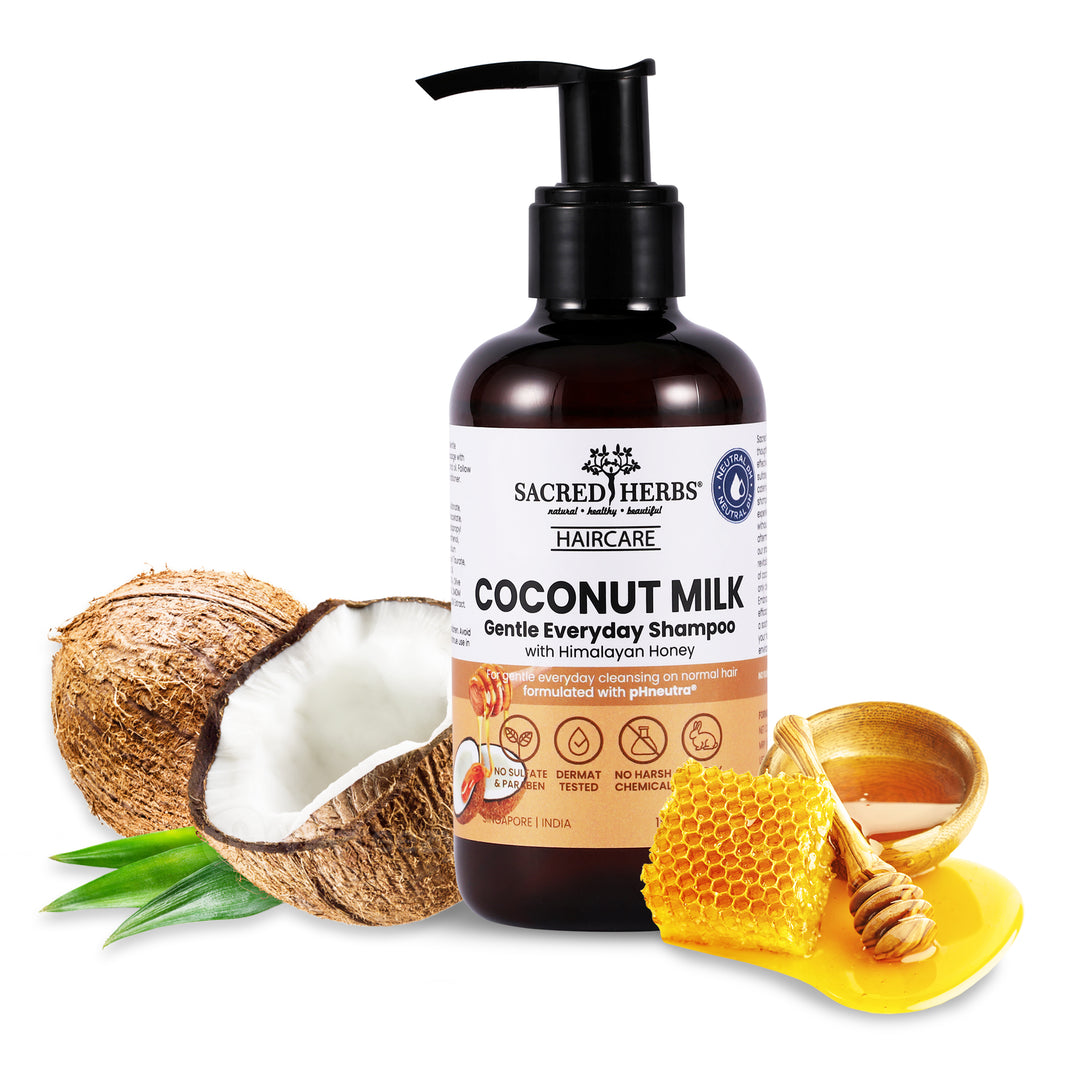
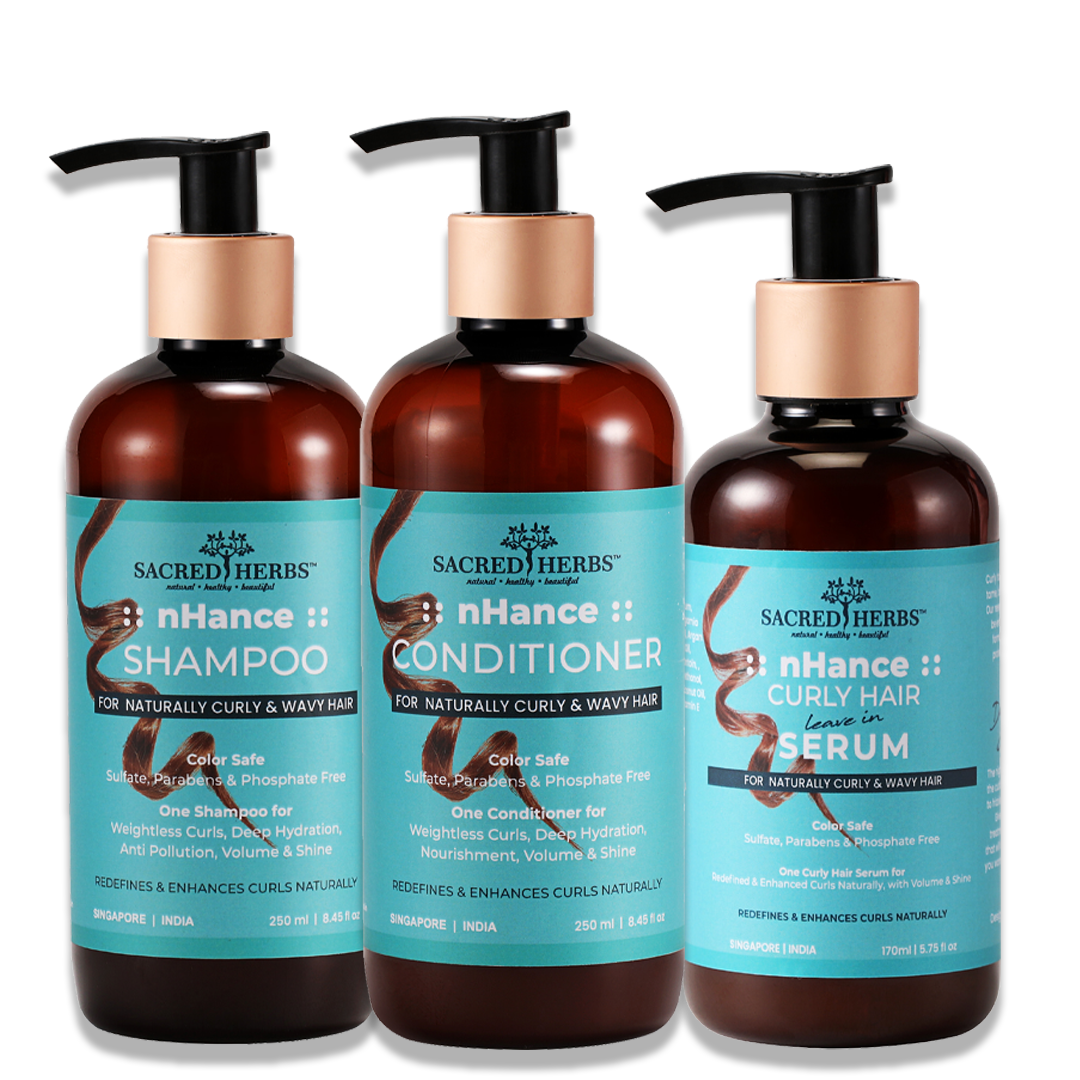
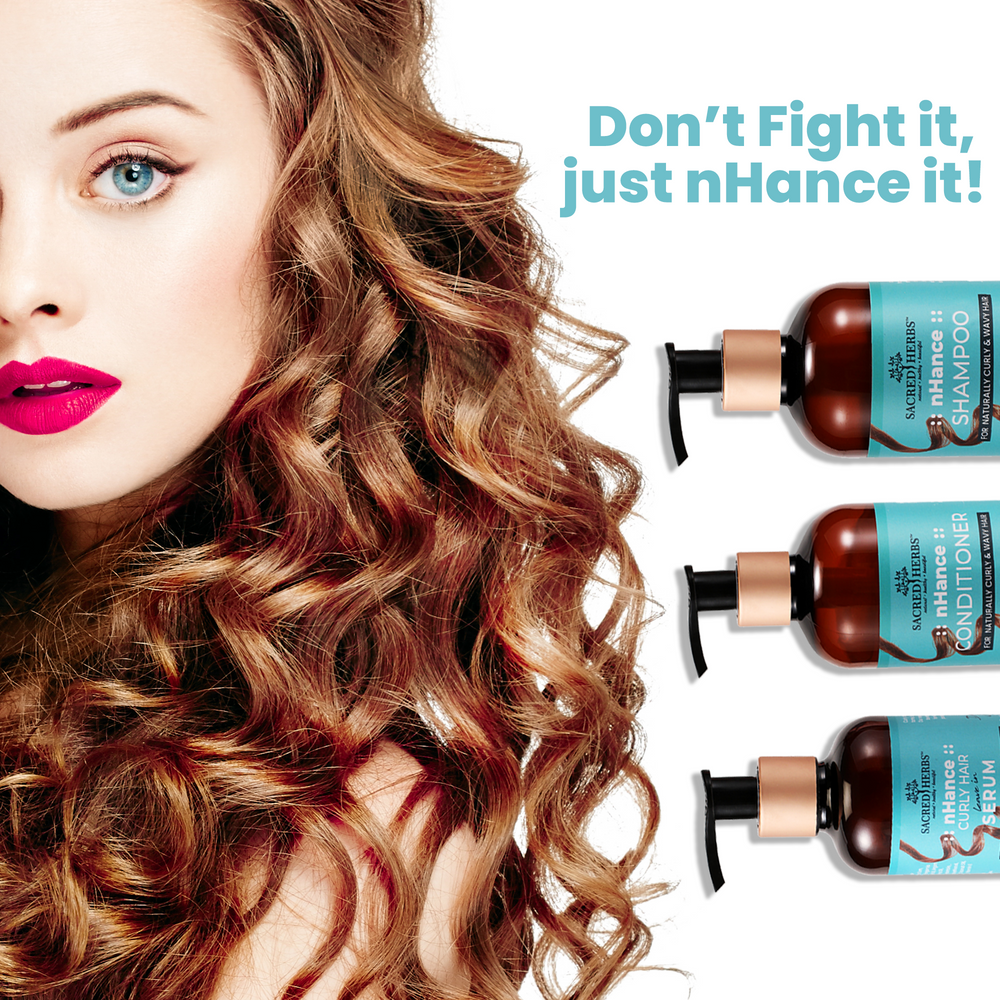
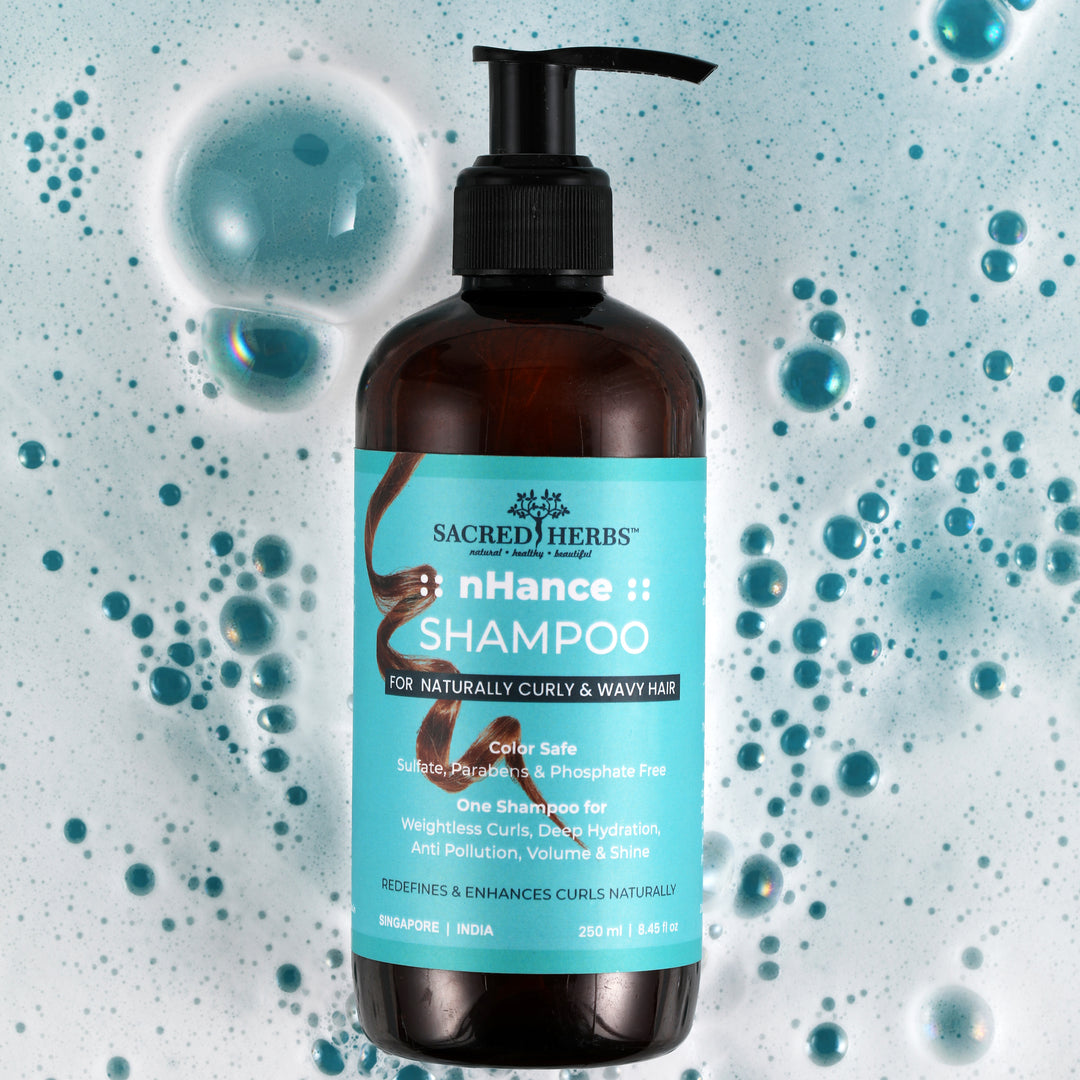
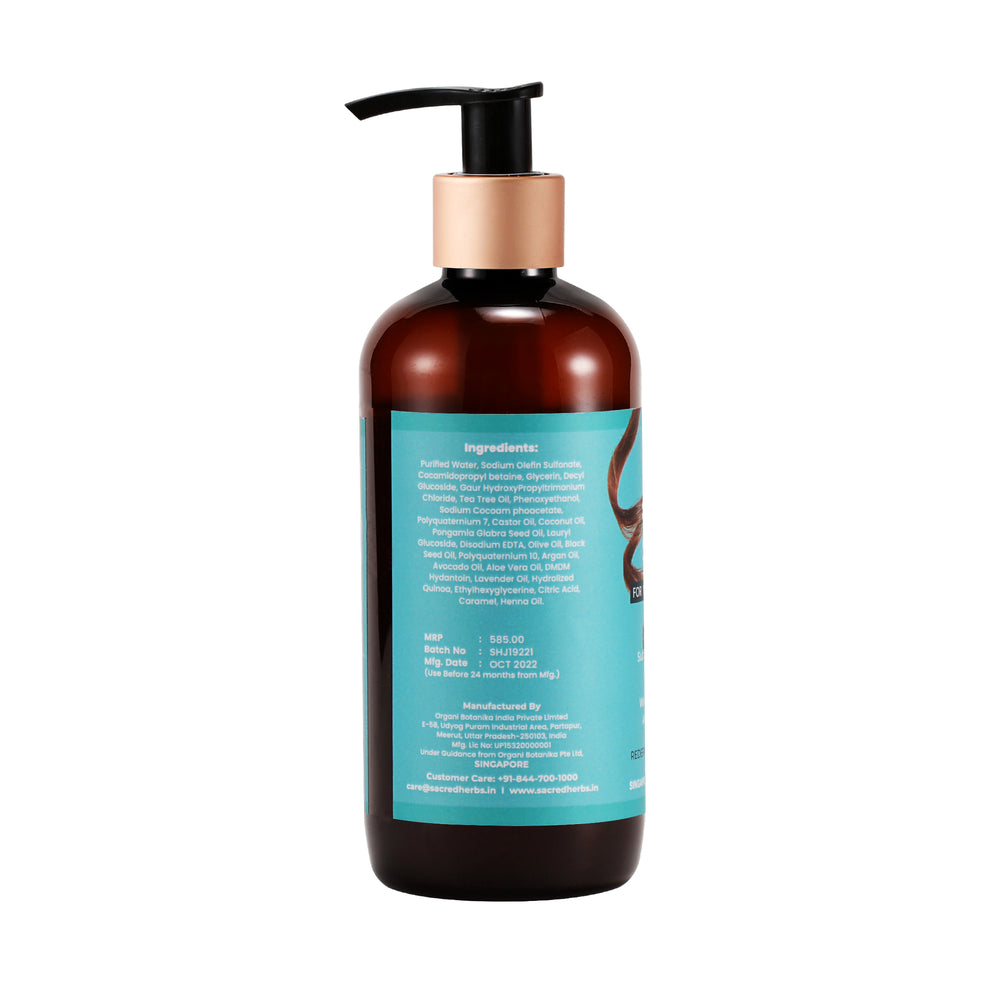
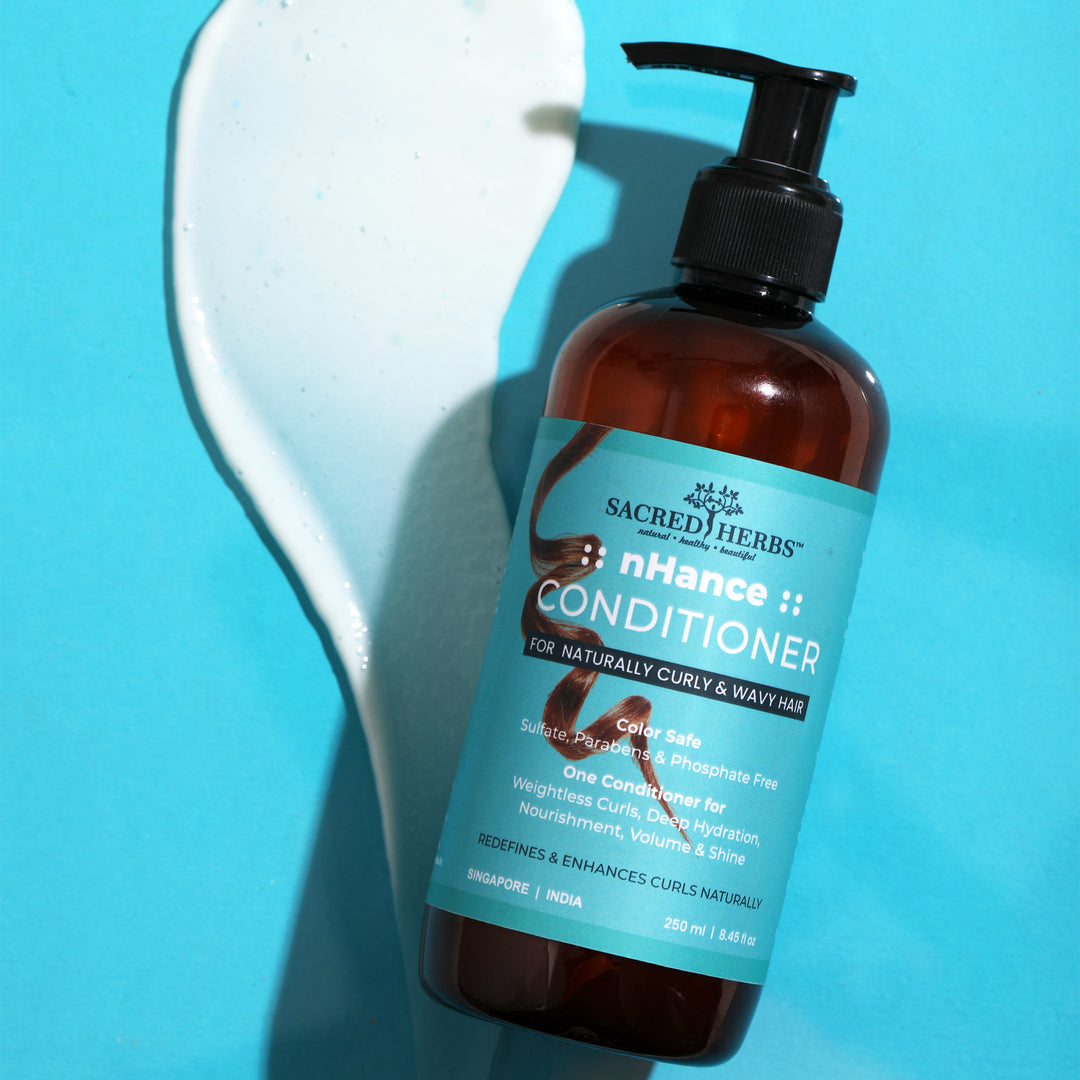
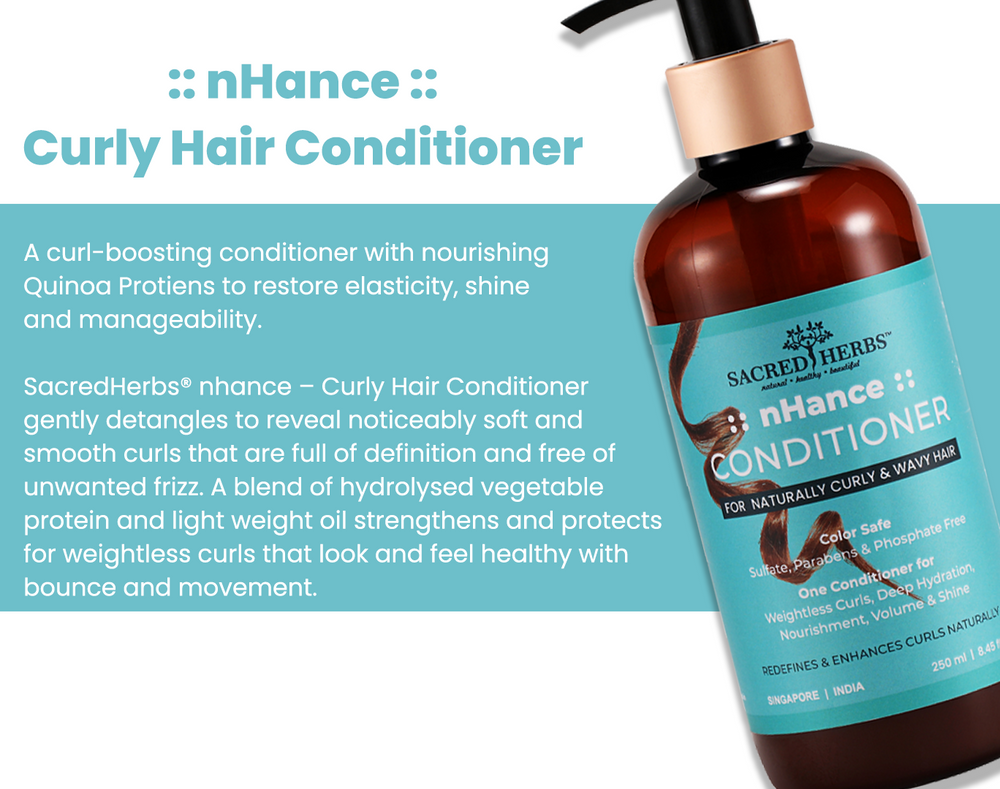
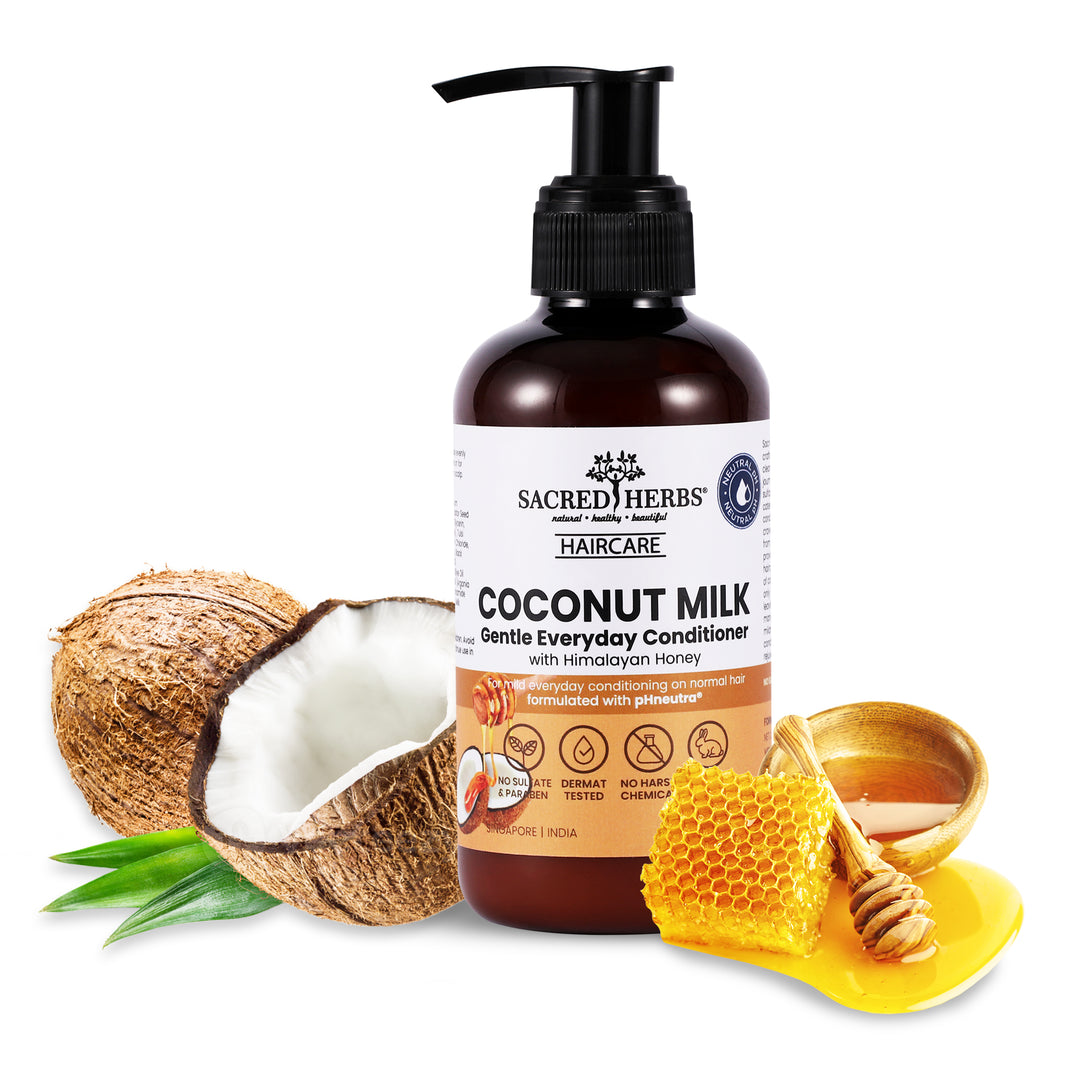
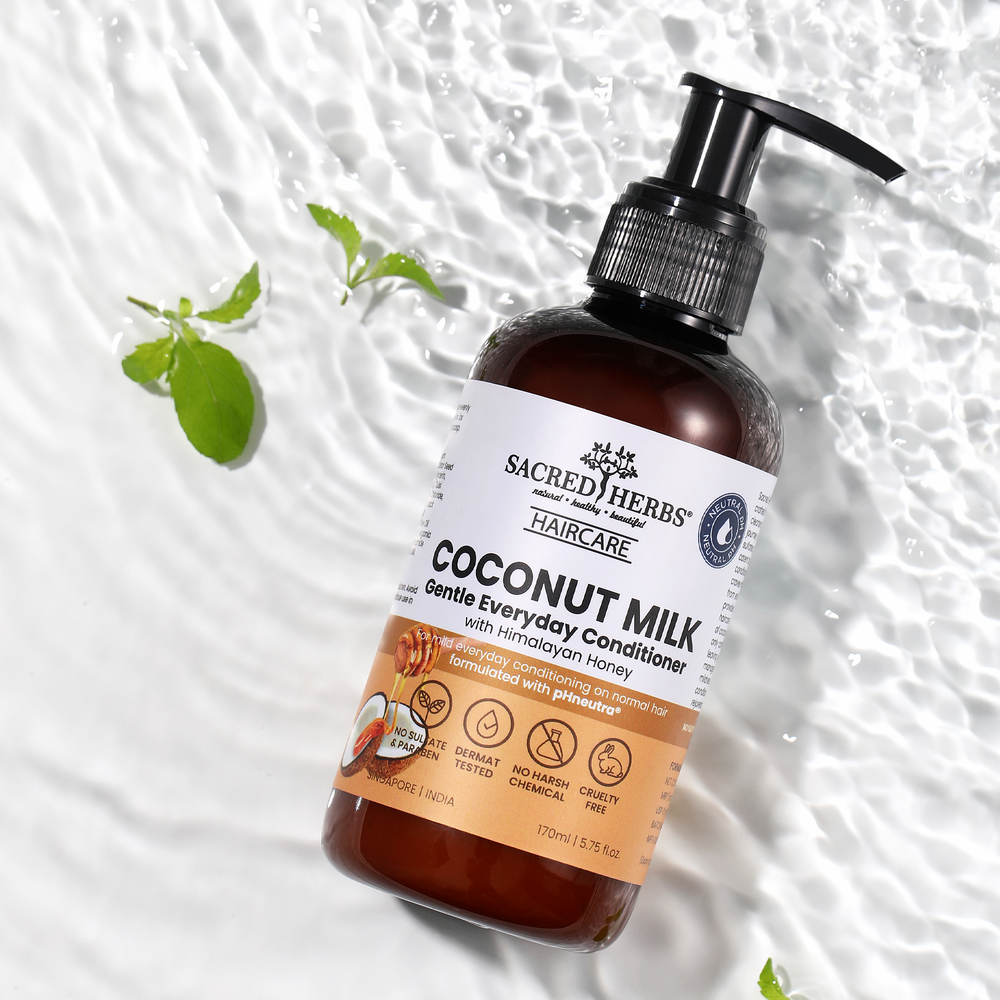
The Hair Care collection at Sacred Herbs offers botanical shampoo and conditioner formulations designed to support hair through and beyond this transition.
How to Make the Transition Smoother
Do a Clarifying Wash First
Before starting your natural routine, one gentle clarifying wash removes accumulated silicone and product buildup, giving your natural products a clean starting point. A diluted apple cider vinegar rinse can also help clear buildup.
Be Patient With the Adjustment
The single most important transition tip: do not judge natural products during the first three weeks. The adjustment period is temporary. Judging too early is the most common reason people abandon a switch that would have worked beautifully.
Support With the Full Routine
-
Use a weekly deep conditioning masque to provide extra moisture during the transition
-
Add a pre-wash oil treatment to support the hair as it adjusts
-
Use a leave-in product to manage any temporary dryness or frizz
Adjust Wash Frequency
As your scalp rebalances, you may find you can wash less frequently than before, as gentle cleansing does not trigger the oil overproduction that harsh sulfates did.
What to Expect After the Transition
Once your hair has adjusted, a natural conditioner shampoo routine typically delivers:
-
Hair that reflects its genuine condition rather than a silicone-coated illusion
-
A scalp with balanced, healthy oil production
-
Gentler cleansing that does not strip with every wash
-
The absence of ingredients that concerned you about conventional products
-
Hair that, with consistent care, often feels healthier over time
Results vary by individual, hair type, and the specific products used, but the transition, once complete, is what makes the switch worthwhile.
Building Your Complete Natural Routine
A natural conditioner shampoo routine works best as part of a complete botanical approach:
-
Natural, sulfate-free shampoo and conditioner as the core
-
A weekly deep conditioning masque
-
A weekly pre-wash oil treatment with amla or coconut oil
-
A leave-in serum or light oil for daily management
For those wanting the complete natural routine in one purchase, the Super Premium Pack from Sacred Herbs brings botanical hair care essentials together as a coordinated system that supports the transition and beyond.
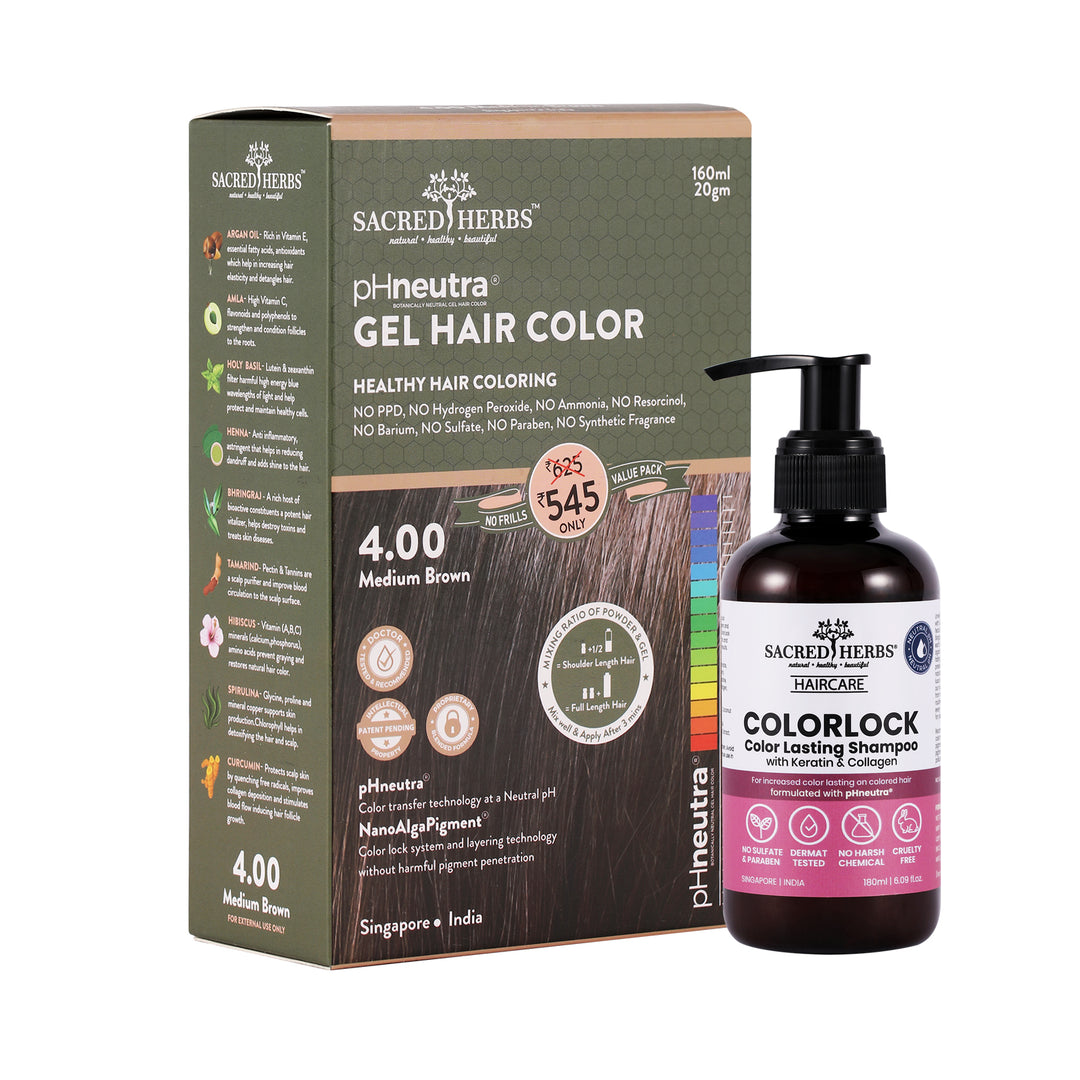
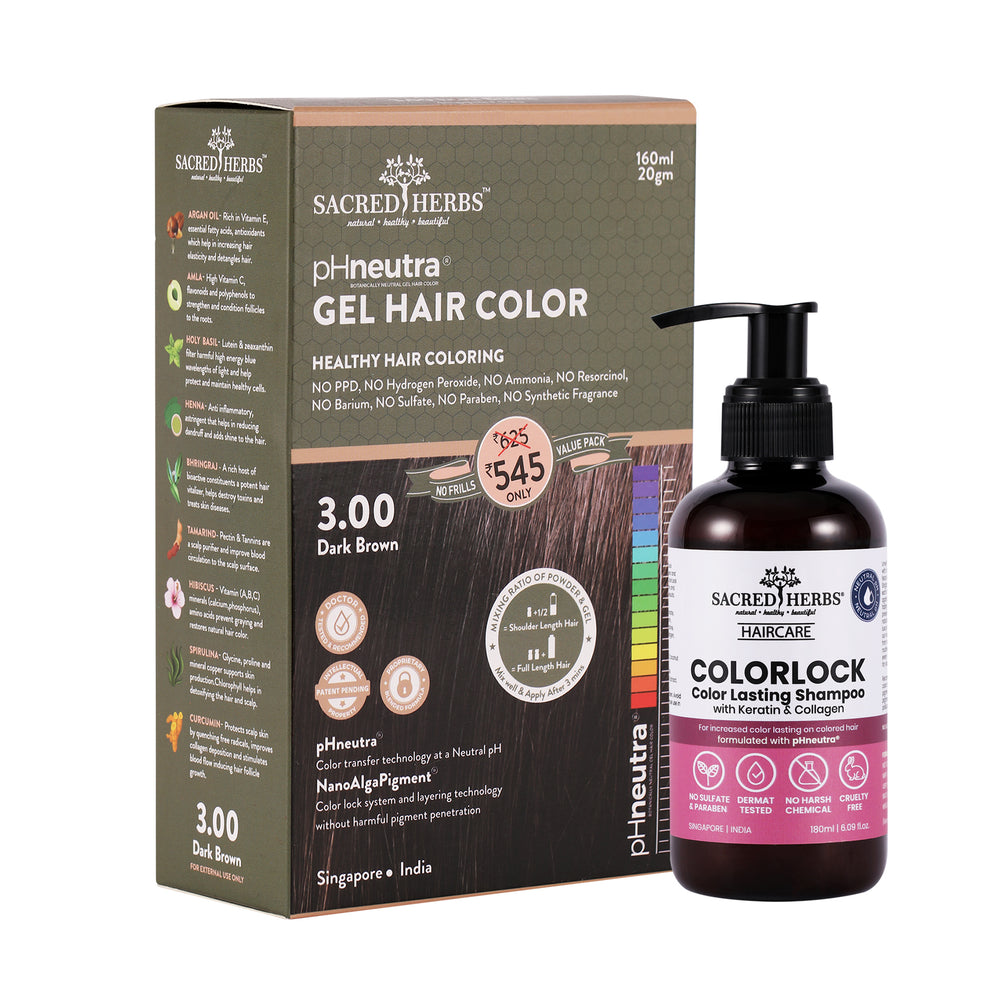
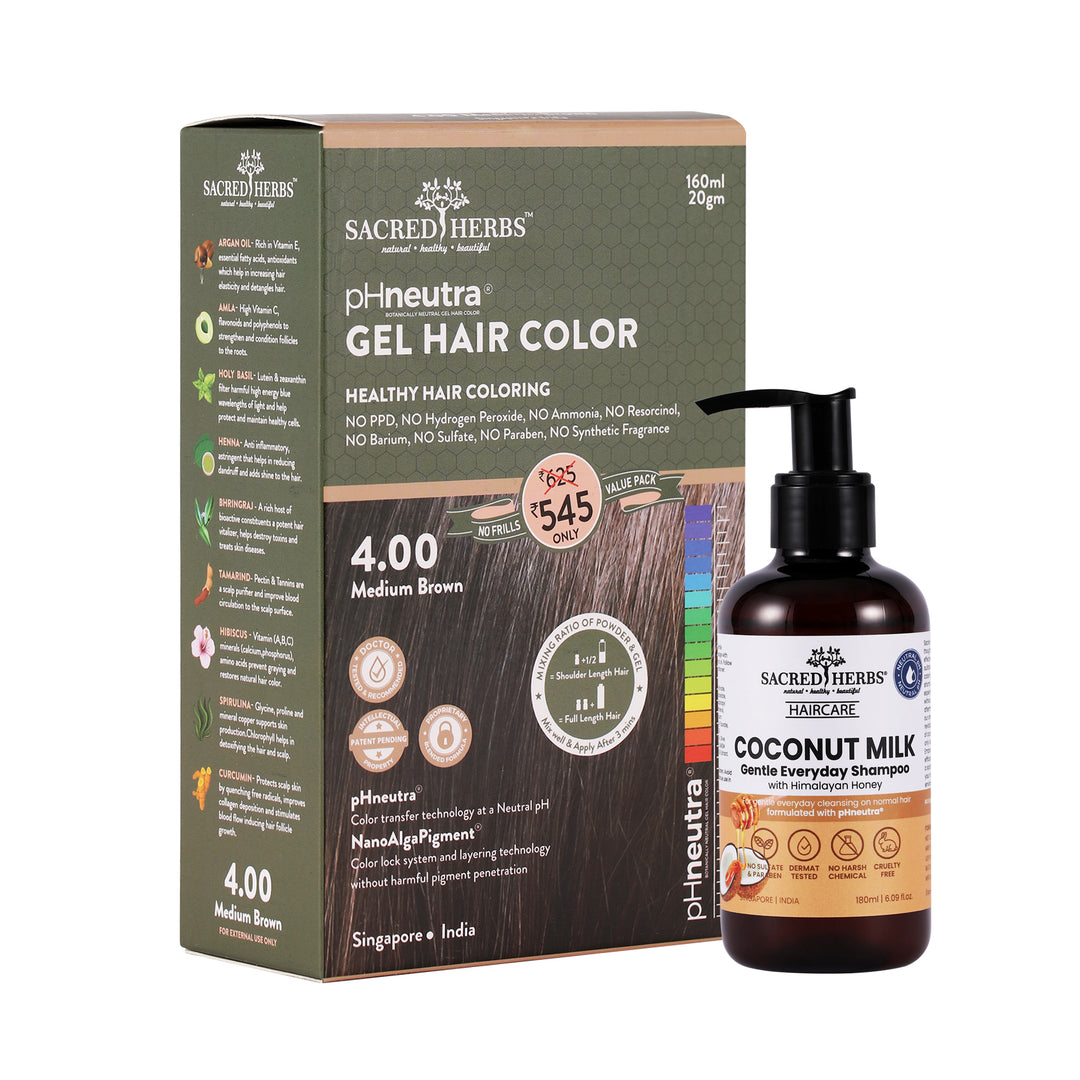
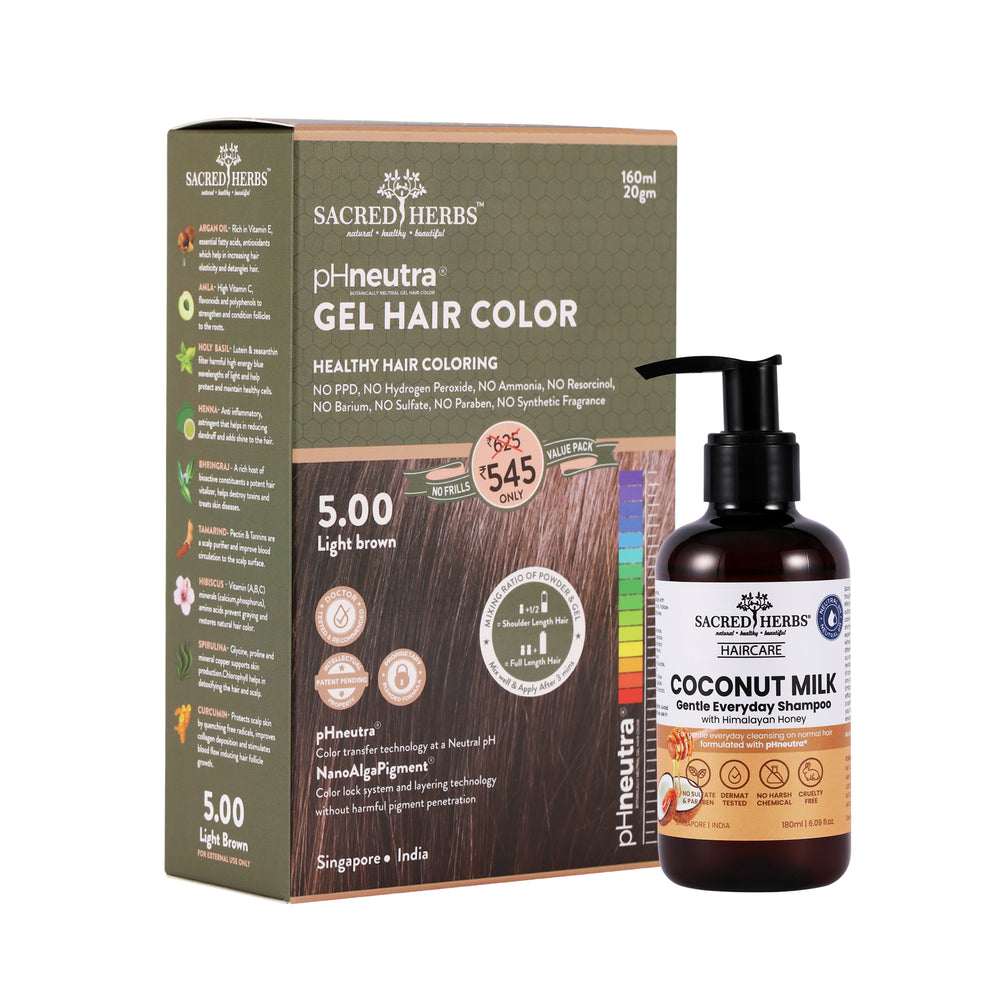
For those extending the natural switch to grey coverage, the Hair Color range at Sacred Herbs offers botanical, ammonia-free formulations consistent with a fully natural hair care philosophy.
The Mistakes That Derail a Switch
-
Giving up during the week 2 to 3 adjustment period, the single most common transition failure
-
Skipping the initial clarifying wash, leaving buildup that interferes with the natural products
-
Expecting instant silicone-like smoothness, which natural products deliver differently and more genuinely
-
Not supporting the transition with masques and treatments
-
Judging the products before six weeks, before the scalp has fully rebalanced
Frequently Asked Questions
Q: Why does my hair feel different when I switch to natural products? Conventional products coat hair in silicones that create artificial smoothness. Natural products let that coating wash away, revealing and then supporting your hair's genuine condition.
Q: How long does the transition to natural hair care take?
Typically four to six weeks. The first two to three weeks are the adjustment period, after which the scalp rebalances and hair stabilizes.
Q: Should I do anything before starting natural products?
A gentle clarifying wash removes accumulated silicone and buildup, giving your natural products a clean starting point.
Q: Why might my scalp feel oilier at first?
If harsh sulfates were over-stripping your scalp, it may have been overproducing oil. Gentle cleansing lets it rebalance over a few weeks.
Q: Will my hair be worse with natural products?
No. The transition may reveal your hair's genuine condition, which buildup had masked. After adjustment, hair is typically healthier and better supported.
Q: How do I avoid giving up during the transition?
Know that the week 2 to 3 adjustment is temporary and expected. Support your hair with masques and treatments, and judge the products only after six weeks.