


Methi Dana Shampoo for Hair Fall
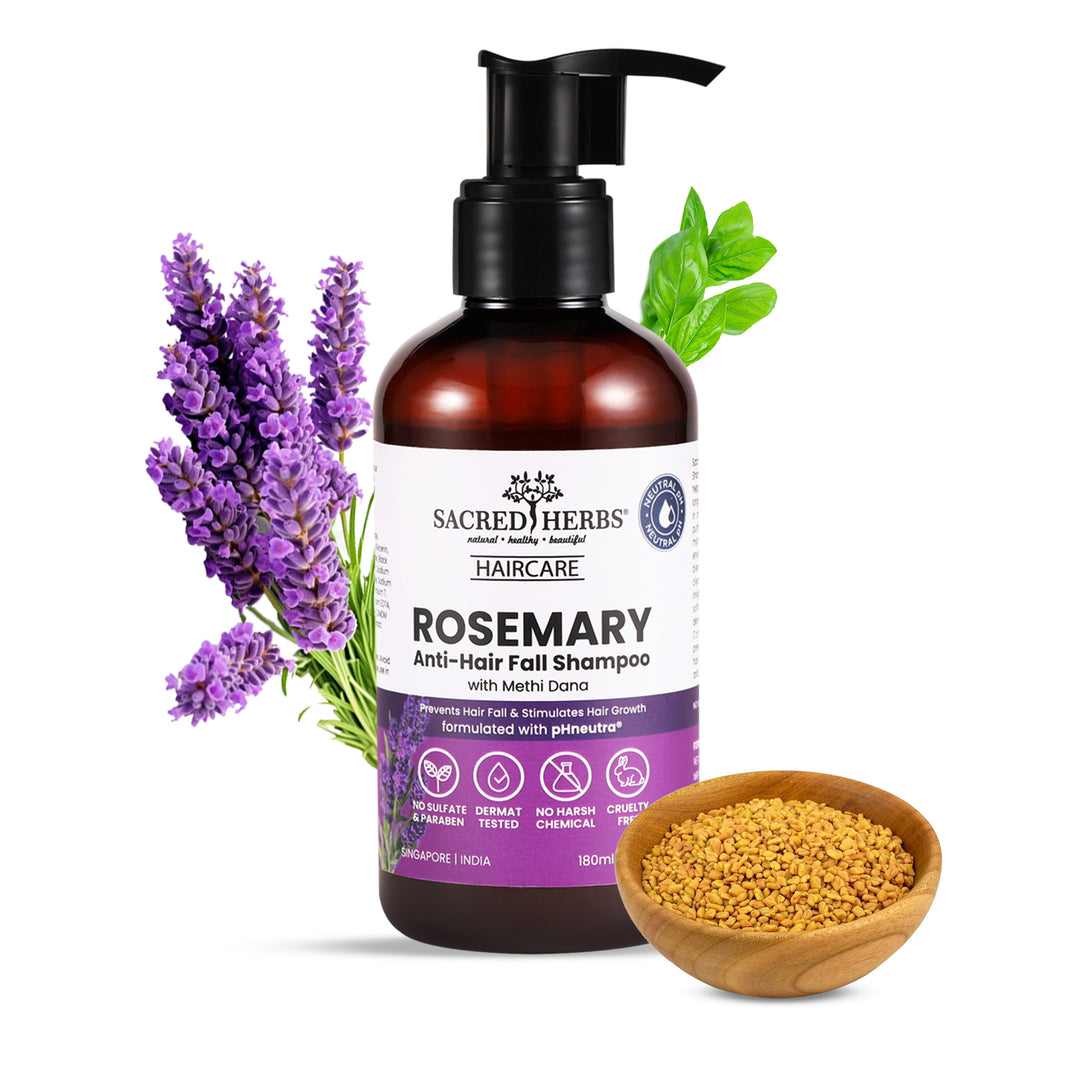
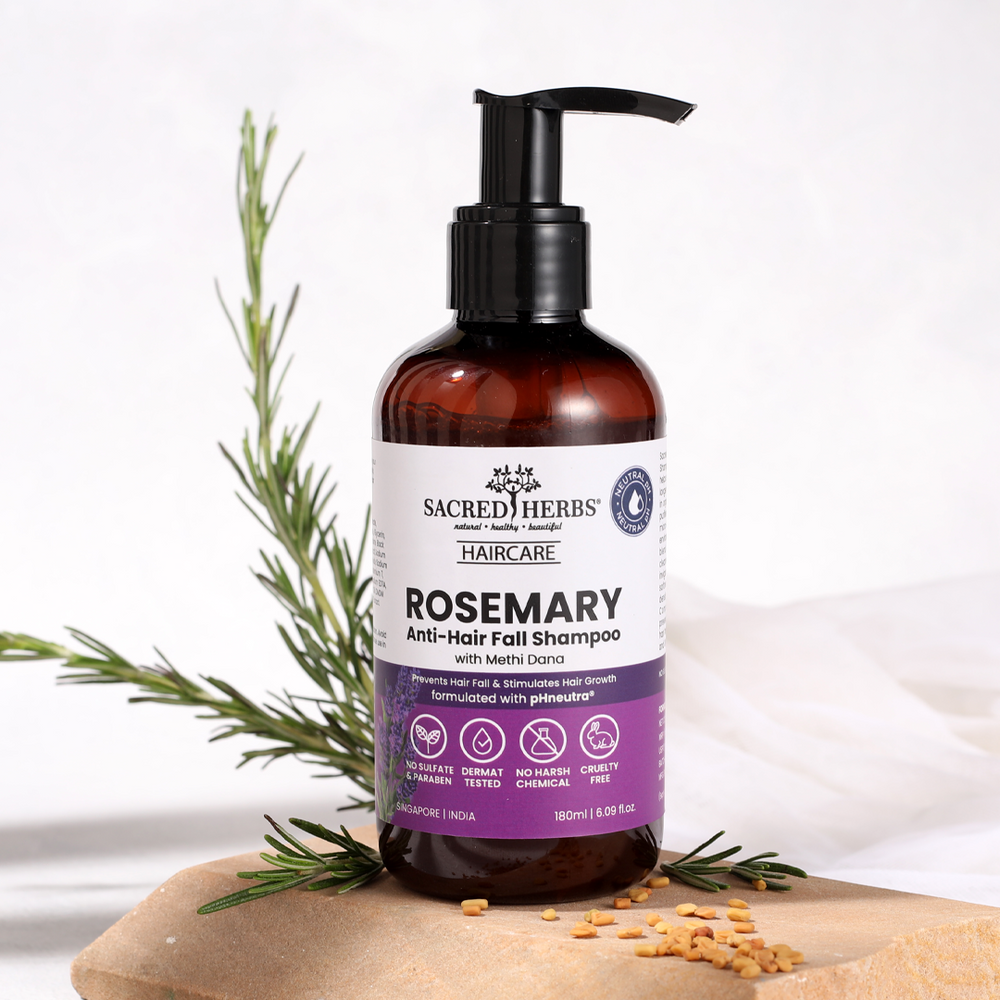
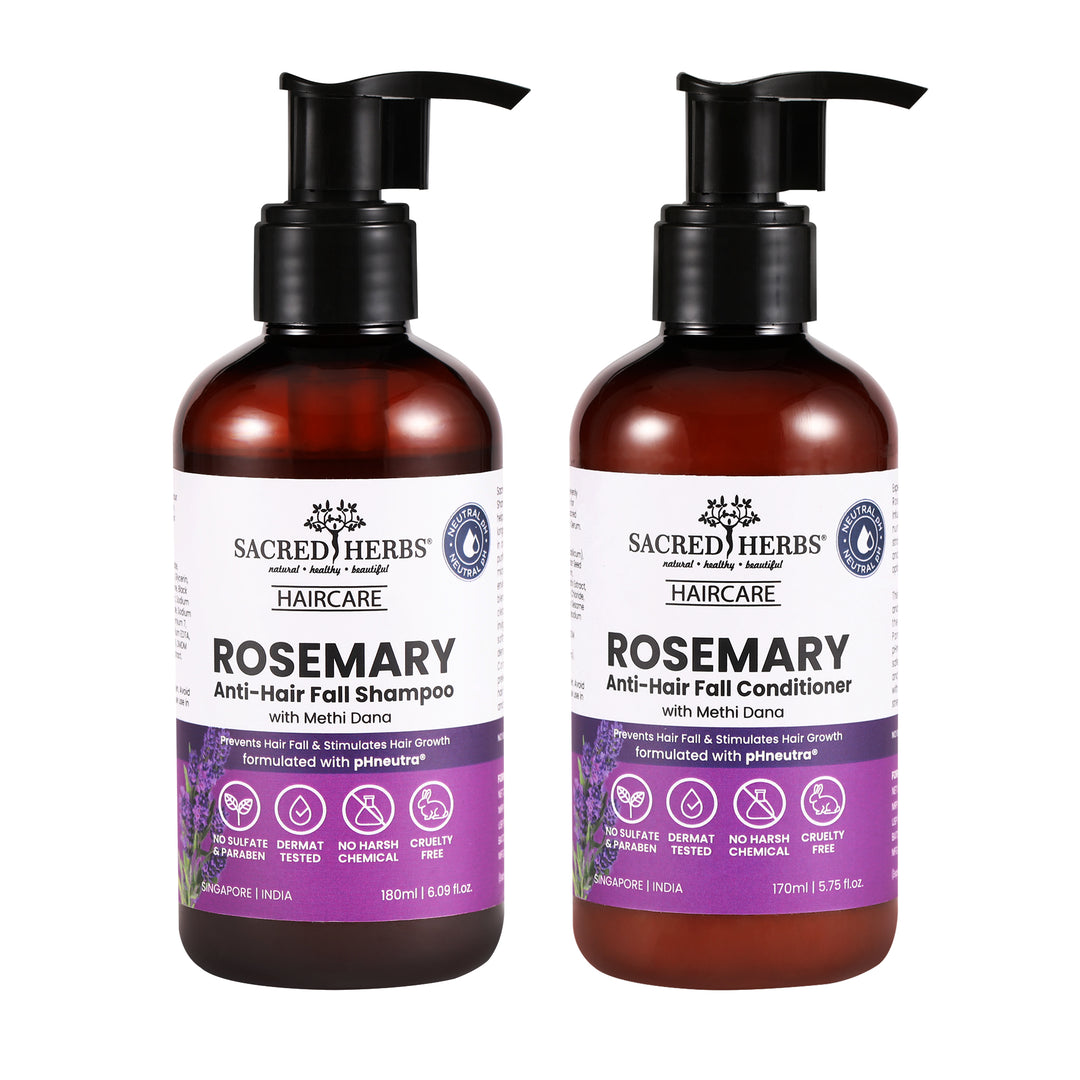

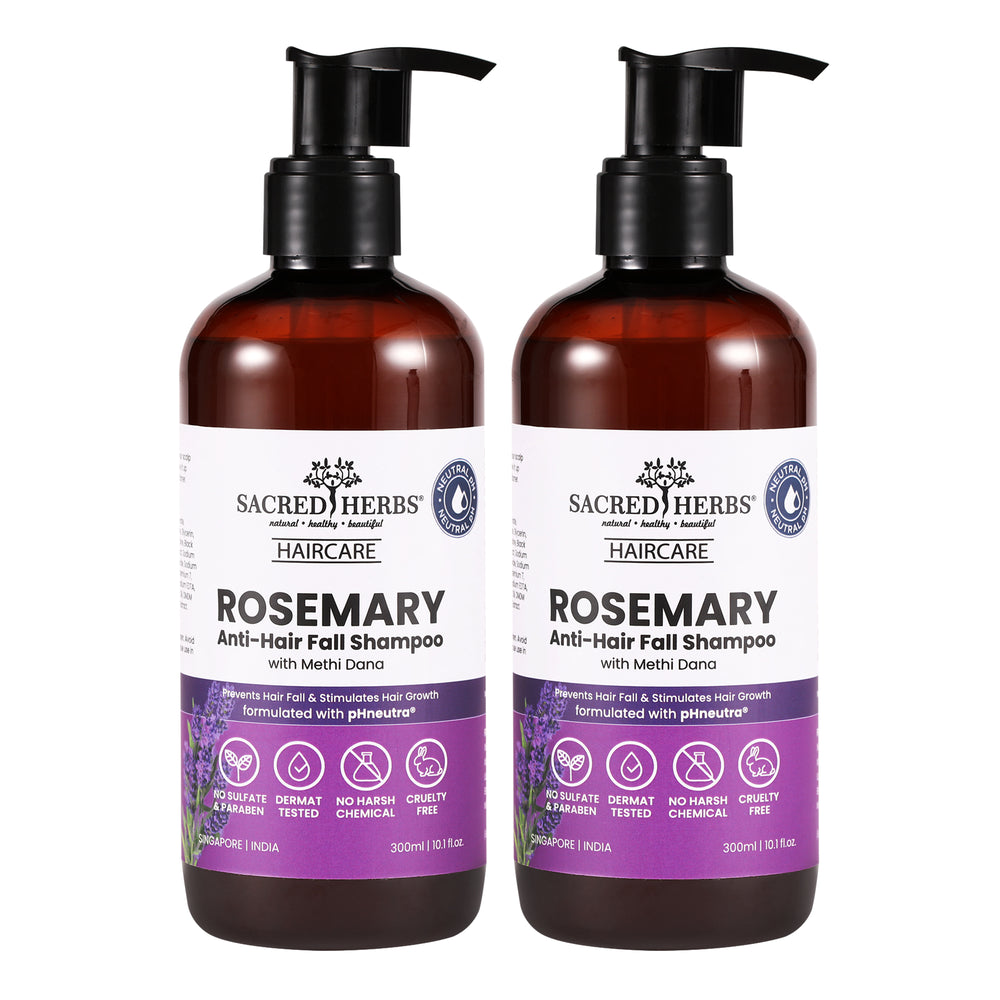
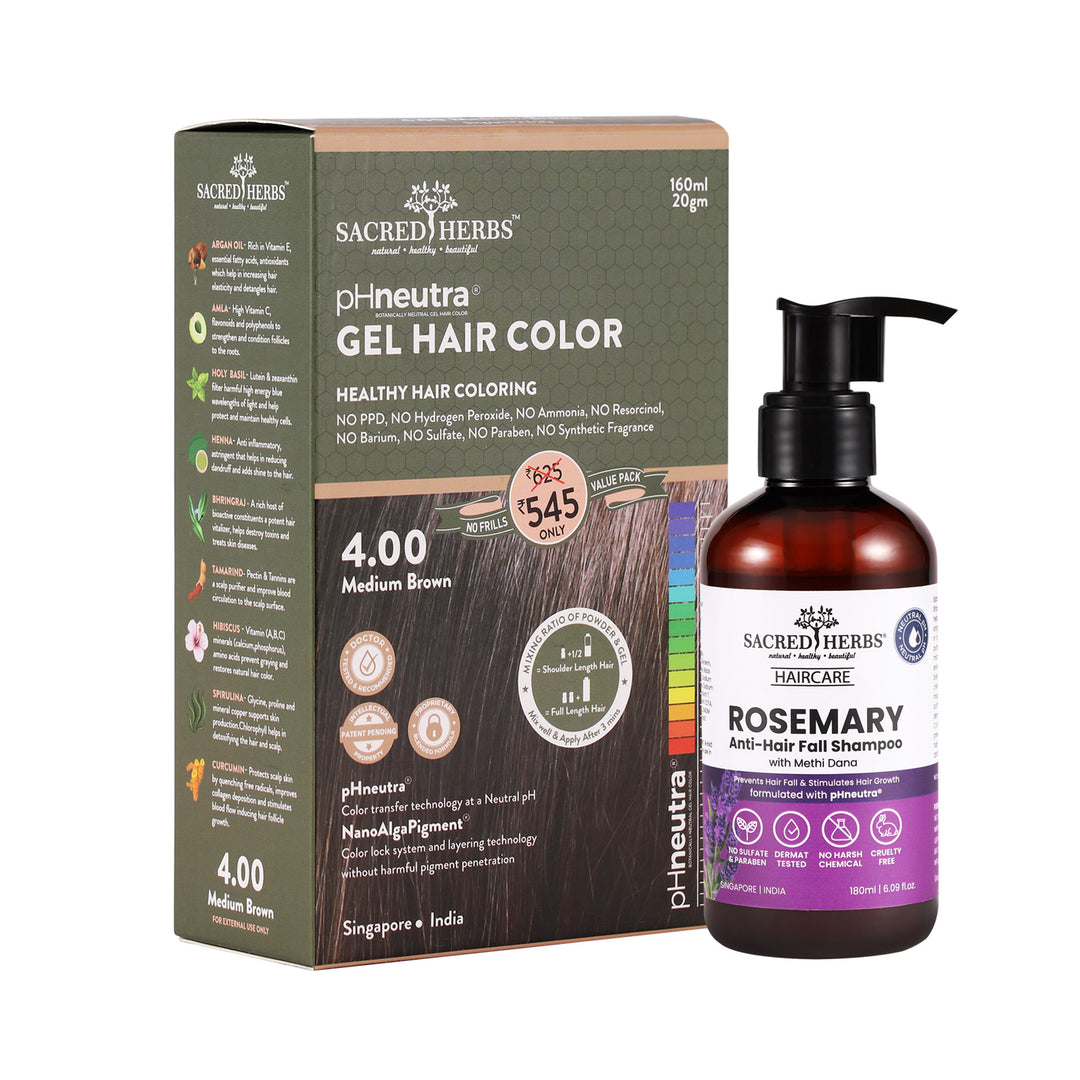

Methi Dana Shampoo for Hair Fall: India's Ancient Remedy Meets Modern Hair Care
Few ingredients in Indian hair care carry as much cultural and practical history as methi... Read More
Methi Dana Shampoo for Hair Fall: India's Ancient Remedy Meets Modern Hair Care
Few ingredients in Indian hair care carry as much cultural and practical history as methi dana. Fenugreek seeds, known as methi dana in Hindi, have been soaked, ground, and applied to hair and scalp in Indian households across generations. Grandmothers knew something that modern cosmetic science is now beginning to document. Fenugreek contains compounds that support scalp health, strengthen the hair shaft, and create conditions that may reduce the excessive shedding that affects millions of Indian consumers.
Methi dana shampoo for hair fall brings this traditional wisdom into a modern, convenient format. Instead of soaking and grinding seeds every week, a well-formulated fenugreek shampoo delivers the active compounds in fenugreek through a controlled, pH-balanced system that works every time you wash your hair.
This article covers why methi dana works for hair fall, what the science says, what to look for in a fenugreek shampoo, and how to build it into a complete hair fall management routine.
What Is Methi Dana and Why Has It Been Used for Hair for Centuries?
Fenugreek (Trigonella foenum-graecum) is a plant native to South Asia and the Mediterranean. Its seeds, methi dana, have been used in Indian cooking, Ayurvedic medicine, and traditional hair care for thousands of years. The Charaka Samhita, one of the foundational Ayurvedic texts, references fenugreek for its benefits to the body and hair.
From a modern ingredient science perspective, methi dana contains:
-
Nicotinic acid: A form of niacin (Vitamin B3) that is associated with scalp health and may support the scalp environment that affects hair growth
-
Lecithin: A natural emollient that conditions the hair shaft, adds shine, and supports moisture retention
-
Protein: Fenugreek seeds are approximately 26 per cent protein, which directly supports the structural integrity of the hair fibre
-
Saponins: Natural cleansing compounds that give fenugreek a mild detergent quality, making it historically effective as a hair cleanser in its raw form
-
Phytoestrogens (diosgenin): Plant compounds with hormonal similarity that have attracted research interest in the context of hormonal hair loss, particularly in women
This combination of protein, scalp-active compounds, and natural cleansing properties makes fenugreek an unusually versatile ingredient for a hair fall shampoo.
The Science Behind Methi Dana for Hair Fall
Protein Fortification at the Hair Shaft
Hair is made primarily of keratin protein. Hair fall caused by breakage, as opposed to follicle-level loss, involves hair that is weak, brittle, and snapping at the shaft before completing its natural growth cycle. Protein from fenugreek, when formulated for bioavailability in a shampoo, may coat the hair shaft and temporarily reinforce its structural integrity, reducing breakage-related shedding.
Scalp Environment Support
Scalp health is directly linked to the quality of hair that grows from each follicle. A scalp affected by dryness, fungal imbalance, inflammation, or product buildup produces hair that is weaker and more prone to shedding. Fenugreek's saponins provide gentle cleansing of the scalp, while its anti-inflammatory traditional properties may help create a calmer, less reactive scalp environment with consistent use.
Hard Water and Mineral Buildup
In Indian urban conditions, hard water mineral buildup is one of the most consistently underacknowledged contributors to hair fall. Mineral deposits on the scalp create a calcified layer that can interfere with healthy hair cycling. Fenugreek's mild acidic nature may help reduce mineral adhesion on the scalp and hair shaft over time with regular use.
Hormonal Hair Fall Considerations
Phytoestrogens in fenugreek, particularly diosgenin, have attracted interest for their potential role in hair fall associated with hormonal imbalance. Research in this area is ongoing and preliminary, and no established clinical claim can be made for methi dana shampoo as a treatment for hormonal hair loss. However, the presence of these compounds is one reason fenugreek remains a subject of genuine scientific interest beyond its traditional use.
What to Look for in a Methi Dana Shampoo for Hair Fall
Not every shampoo with "methi" or "fenugreek" on the label delivers meaningful levels of these compounds. Here is how to evaluate a product:
Ingredient list position: Active botanical ingredients should appear within the first ten ingredients on the list. An ingredient listed at the very end in tiny amounts is present more for marketing than for efficacy.
Formulation type: A sulfate-free base is important. If fenugreek extract is suspended in a high-sulfate formula, the scalp benefits of fenugreek are partially offset by the disruption caused by the sulfates.
Supporting botanical ingredients: The best methi dana shampoos combine fenugreek with complementary Ayurvedic ingredients. Look for:
-
Bhringraj: Traditional Ayurvedic scalp-supporting ingredient
-
Amla: Supports scalp health and may strengthen the hair shaft
-
Neem: Traditionally used for scalp conditions that contribute to hair fall
-
Shikakai: Traditional Indian cleanser with a gentle, low-pH cleansing action
-
Onion seed oil: Growing evidence base for scalp and hair fall application
Absence of harsh additives: Paraben-free, sulfate-free, and ideally free from synthetic fragrance for scalp-sensitive individuals.
The Hair Care collection at Sacred Herbs reflects a botanical ingredient philosophy that includes traditional Ayurvedic ingredients known for their hair and scalp benefits.
How to Use Methi Dana Shampoo for Best Hair Fall Results
Frequency: Three times per week is optimal for most hair fall types. Over-washing with any shampoo, even a gentle herbal formula, disrupts the scalp's natural oil balance, which can exacerbate shedding.
Application technique:
-
Wet hair and scalp thoroughly with lukewarm water
-
Apply shampoo to the scalp first, working it in with fingertips using gentle circular motions. Scalp massage during shampooing supports circulation and enhances the contact between fenugreek's active compounds and the scalp.
-
Allow the shampoo to sit on the scalp for one to two minutes before rinsing. This brief dwell time increases the active ingredient contact with the scalp.
-
Rinse thoroughly with cool water. A cool final rinse helps close the cuticle and reduces post-wash frizz.
-
Follow with a hydrating, sulfate-free conditioner applied to mid-lengths and ends.
The Complete Methi Dana Hair Fall Routine
Methi dana shampoo delivers its best results as part of a complete weekly routine:
-
Twice a week: Methi dana shampoo followed by hydrating conditioner
-
Once a week: Pre-wash oil treatment (amla or bhringraj oil preferred) left on for two to three hours before shampooing
-
Once a week: Deep conditioning hair masque after shampooing
-
Daily: A botanical leave-in serum or lightweight hair oil applied to mid-lengths and ends
Consistency over six to eight weeks is the minimum to assess whether a methi-based routine is producing visible results in reduced shedding.
For those seeking a complete system that addresses hair care from coloring through to daily maintenance, the Super Premium Pack from Sacred Herbs brings together botanically formulated products designed to work as an integrated routine.
For colour-treated hair experiencing hair fall, switching to a gentler botanical formulation for grey coverage reduces one significant source of chemical stress on the hair system. Explore the Hair Color range for ammonia-free options.
Extending the same botanical ingredient philosophy to daily body care supports a consistent, ingredient-conscious personal care routine. The Body collection from Sacred Herbs applies the same approach to skin and body formulations.
Frequently Asked Questions
Q: How quickly does methi dana shampoo show results for hair fall?
Most users notice a reduction in shedding after four to six weeks of consistent use, three times per week. Results vary depending on the underlying cause of hair fall.
Q: Can methi dana shampoo be used on a sensitive scalp?
Yes. Fenugreek's saponins provide gentle cleansing, making it generally suitable for sensitive scalps. Individuals with a known allergy to fenugreek should avoid it.
Q: Is methi dana shampoo safe for daily use?
Daily use is not recommended. Two to three times per week is the optimal frequency to allow the scalp to maintain its natural oil balance.
Q: Can I use methi dana shampoo if I have colour-treated hair?
Yes, provided the shampoo is sulfate-free. Sulfate-free methi shampoos will cleanse effectively without stripping hair colour between sessions.
Q: Does methi dana shampoo smell strongly of fenugreek?
The fenugreek scent in formulated shampoos is typically mild and dissipates after rinsing. Raw fenugreek paste has a stronger odour than formulated shampoo products.
Q: Should children use methi dana shampoo for hair fall?
Botanical fenugreek shampoos are generally gentle, but consulting a pediatric dermatologist before using targeted hair fall products on children is advisable.