


Leave-In Serum for Hair Fall in India
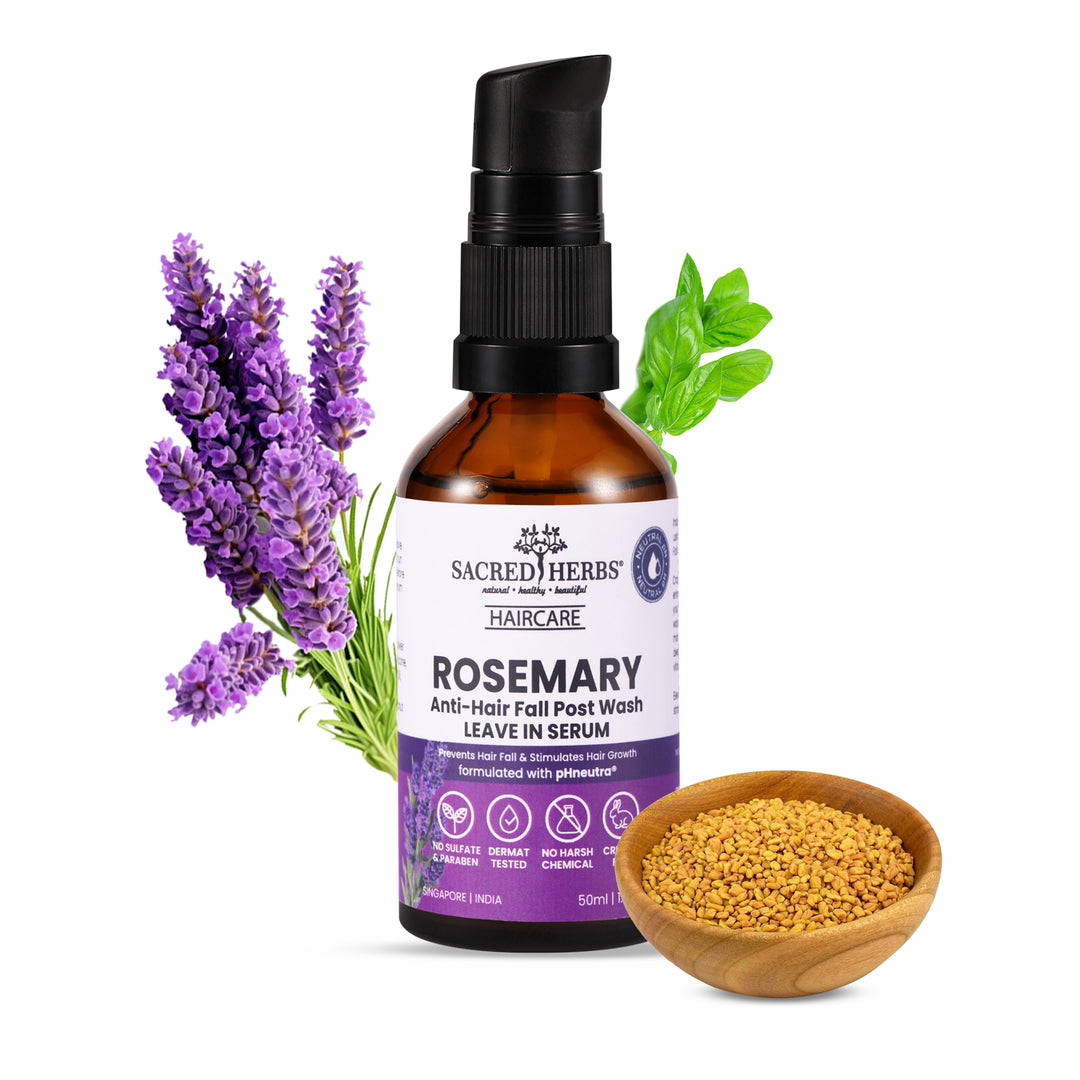
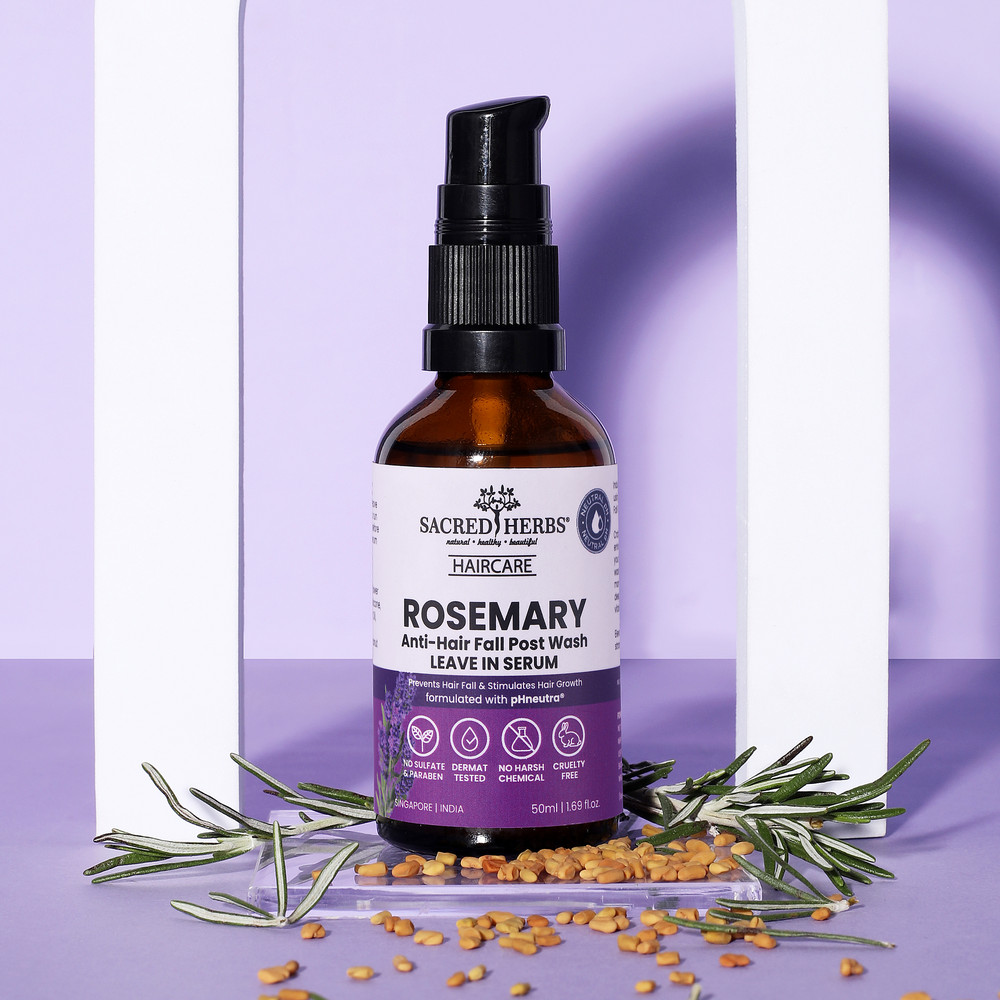
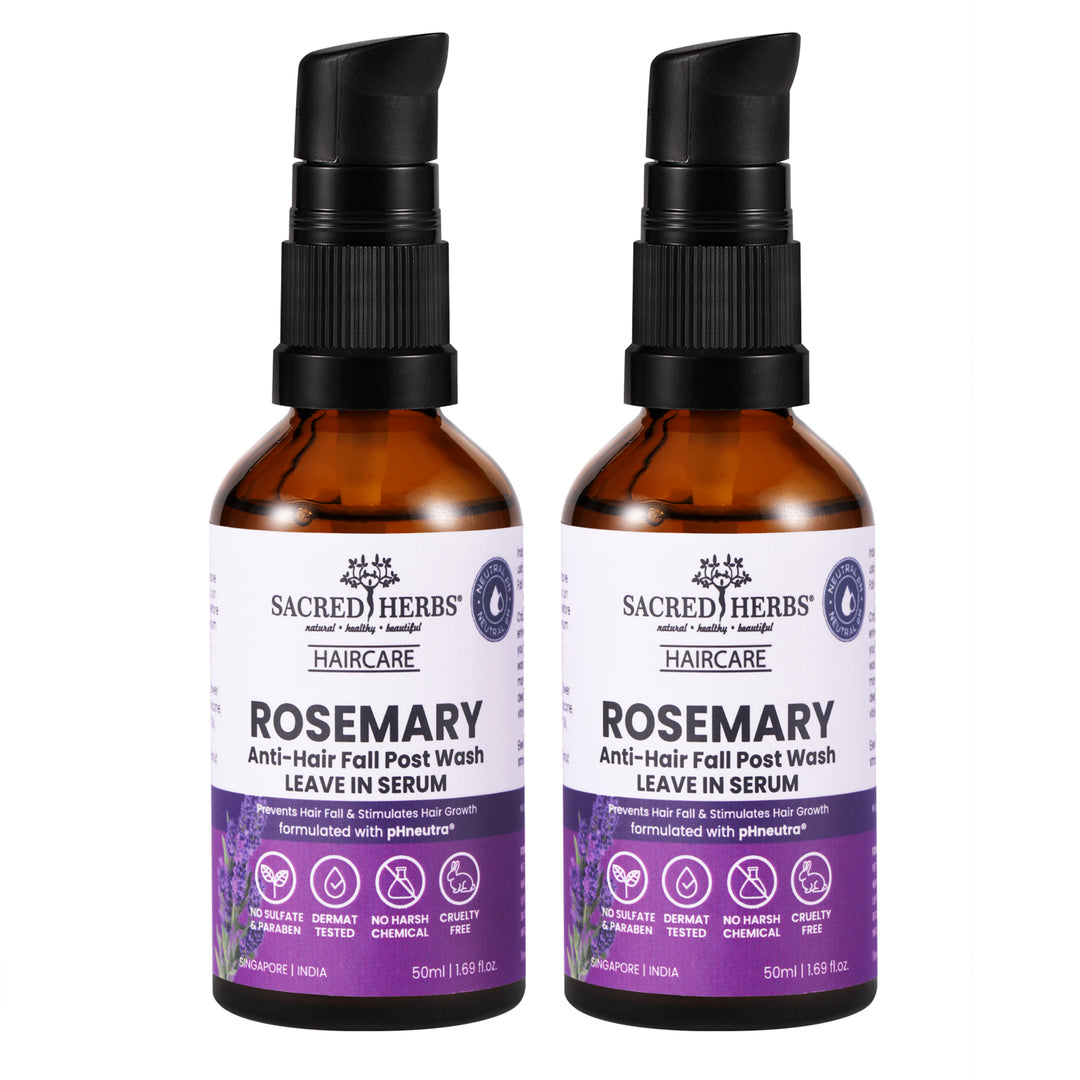
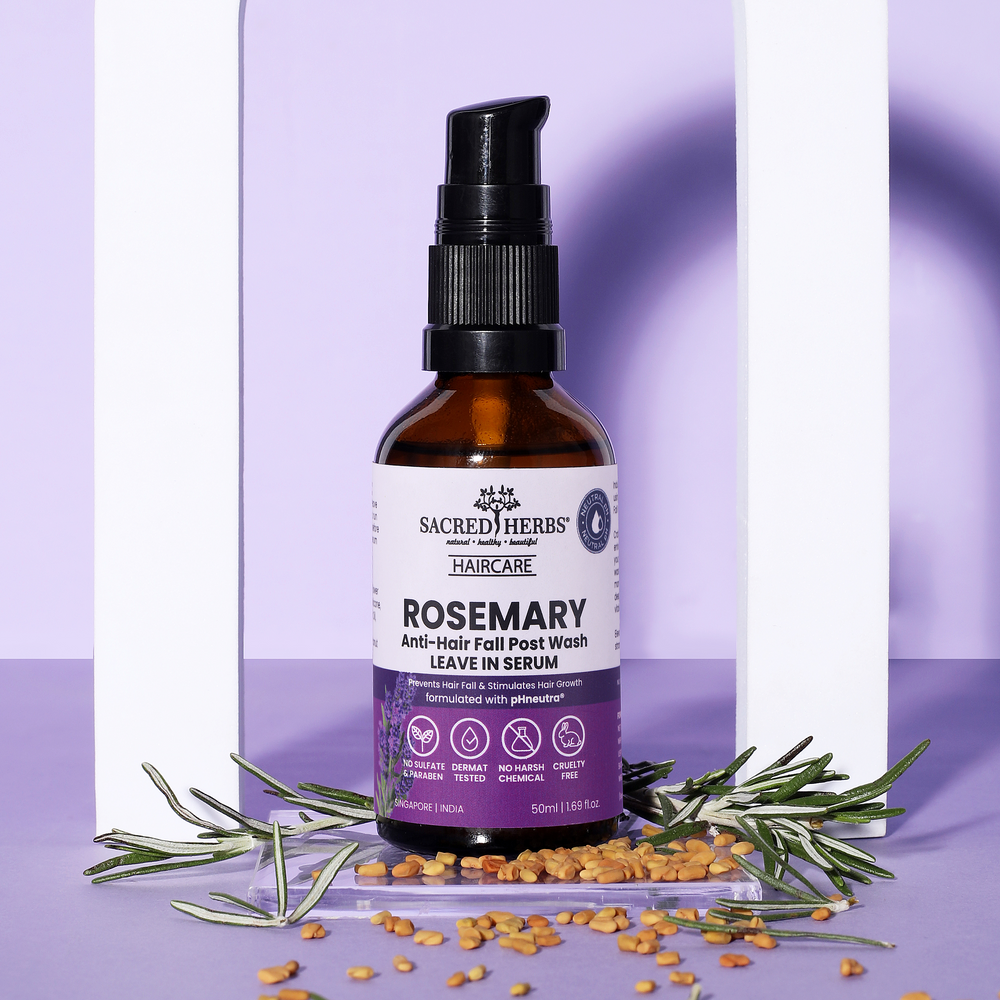
Leave-In Serum for Hair Fall in India: How the Right Formula Targets the Root of the Problem
India ranks among the highest globally in reported rates of hair... Read More
Leave-In Serum for Hair Fall in India: How the Right Formula Targets the Root of the Problem
India ranks among the highest globally in reported rates of hair fall. Dermatologists across the country consistently list nutritional deficiencies, hard water exposure, heat stress, hormonal shifts, and chronic scalp inflammation as the most common contributing factors. What makes hair fall particularly frustrating is that it is rarely caused by a single issue and rarely solved by a single product.
A leave-in serum for hair fall in India is not a cure. That is worth stating clearly from the start. No topical product can reverse hair loss caused by underlying medical conditions, severe nutritional deficiencies, or genetic factors. What a well-formulated leave-in serum can do is meaningful: support the scalp environment, strengthen the hair shaft to reduce breakage-related shedding, and deliver active botanical ingredients between wash sessions when the scalp is dry and the hair is most vulnerable.
This is a product category worth understanding properly.
What Makes a Leave-In Serum Different from Other Hair Fall Products
Rinse-Out vs Leave-In: The Contact Time Difference
The fundamental difference between a rinse-out treatment and a leave-in serum is contact time. A rinse-out conditioner or oil treatment that is washed away has a limited window to deliver its active ingredients. A leave-in product remains on the hair and scalp continuously until the next wash, giving its active ingredients hours and days of contact time rather than minutes.
For ingredients that need sustained contact to have an effect on the scalp or hair shaft, leave-in delivery is significantly more effective than rinse-out application.
Targeting the Hair Shaft for Breakage Reduction
A significant proportion of visible hair fall in India is not true hair loss from the follicle but mechanical breakage at the shaft. Hard water deposits, sulfate-based washing, heat styling, tight hairstyles, and rough towel drying all contribute to a level of mid-shaft and end breakage that looks like shedding but has a different cause.
A leave-in serum formulated with strengthening ingredients supports the hair shaft's structural integrity between washes, reducing the friction and mechanical stress that cause breakage.
The Ingredients That Matter in a Leave-In Serum for Hair Fall
Bhringraj (Eclipta alba)
Bhringraj is one of the most frequently referenced ingredients in Ayurvedic hair care. It has been traditionally used for its scalp-supporting properties and is a common inclusion in Indian hair fall treatment formulations. Regular scalp contact via a leave-in product maximizes the time this ingredient spends interacting with the scalp environment.
Methi (Fenugreek)
Fenugreek seeds contain lecithin, which is a natural emollient, alongside proteins and nicotinic acid, which are traditionally associated with scalp health. Methi extract in a leave-in serum supports scalp hydration and may help reduce the scalp environment disruptions that contribute to excessive shedding.
Amla (Phyllanthus emblica)
Amla is rich in natural tannins and is one of the most studied botanicals in Indian hair care. Its inclusion in leave-in formulations brings its antioxidant and conditioning properties into sustained contact with both the scalp and hair shaft.
Neem Extract
Neem's role in a leave-in serum for hair fall is primarily related to scalp health. Scalp conditions like dandruff, fungal imbalance, and chronic inflammation are contributing factors in hair shedding. Neem's traditionally recognized scalp-soothing properties make it a relevant inclusion in formulations targeting hair fall from a scalp health angle.
Onion Seed Oil (Nigella sativa or Allium cepa)
Onion-derived ingredients have gained significant attention in the Indian market for hair fall. Both Nigella sativa (black seed) oil and onion extract have been the subject of small-scale studies suggesting benefits for hair density in certain types of hair loss. Their inclusion in leave-in serums is based on this growing evidence base.
Hydrolyzed Proteins
Silk amino acids, rice protein, and wheat protein in a leave-in serum coat temporarily strengthen the hair shaft, reducing breakage from mechanical stress. This directly addresses the breakage component of visible hair fall.
The Hair Care collection at Sacred Herbs includes botanically formulated hair care products designed to support scalp and hair health as part of a consistent routine.
How to Use a Leave-In Serum for Hair Fall Correctly
Step 1: After washing and conditioning, gently towel-blot hair to remove excess water. Do not rub. The hair should be damp, not wet.
Step 2: Dispense a small amount of serum. A little goes a long way with the most concentrated leave-in serums. Over-application causes buildup on the scalp and weighs the hair down.
Step 3: Distribute the serum through the mid-lengths and ends of the hair first. This is where breakage most commonly occurs.
Step 4: For serums specifically formulated for scalp application, use fingertips to gently massage a small amount into the scalp. Scalp massage itself supports circulation and is worth doing for two to three minutes.
Step 5: Do not rinse. Allow hair to air dry where possible.
Frequency: Most leave-in serums are designed for use after every wash session.
Common Hair Fall Mistakes That a Leave-In Serum Cannot Fix Alone
A leave-in serum is one part of a system. These contributing factors need to be addressed alongside topical treatment for meaningful results:
-
Hard water exposure: Consider a shower filter or periodic chelating treatments to remove mineral buildup
-
Nutritional gaps: Hair fall linked to iron deficiency, B12 deficiency, or low protein intake requires dietary or supplementation intervention, not topical products
-
Hormonal triggers: Hair fall associated with PCOS, thyroid conditions, postpartum changes, or menopause requires medical evaluation
-
Mechanical stress: Tight hairstyles, aggressive brushing, and rough towel drying cause significant breakage that even the best serum cannot fully counteract
For a complete botanical hair care system that addresses hair fall from multiple angles, including post-colour care and daily wash routine, the Super Premium Pack from Sacred Herbs brings together herbal formulations designed to work as an integrated system.
For colour-treated hair that is also experiencing hair fall, switching to an ammonia-free botanical formulation removes one layer of chemical stress from the system. Explore the Hair Color range for gentler colouring options.
Extending consistent botanical care to the full daily routine, the Body collection from Sacred Herbs reflects the same plant-based ingredient philosophy across personal care.
Frequently Asked Questions
Q: Can a leave-in serum alone stop hair fall?
A leave-in serum supports the scalp environment and reduces breakage, but cannot address internal causes of hair loss like nutritional deficiencies or hormonal imbalance. It is one part of a broader approach.
Q: How long does it take to see results from a leave-in serum for hair fall?
Reduction in breakage-related shedding can be noticed within two to four weeks. Improvements in scalp-related hair fall take longer, typically six to eight weeks of consistent use.
Q: Should a leave-in serum for hair fall be applied to the scalp or just the hair?
This depends on the formulation. Serums designed for scalp application specifically indicate this and are formulated with lighter textures that do not cause buildup. Read the product instructions.
Q: Can I use a leave-in serum every day?
Most leave-in serums are designed for use after every wash, not necessarily daily. Overuse on unwashed hair can cause buildup.
Q: Is a leave-in serum suitable for oily scalp types?
A lightweight, water-based leave-in serum can be suitable for oily scalps if applied primarily to the lengths and ends rather than concentrated at the root.
Q: Can children or teenagers use leave-in serums for hair fall?
Many botanical leave-in formulations are gentle enough for teenage use. For young children, consult a dermatologist before introducing targeted hair fall products