Leave-In Conditioner for Dry Hair: Choosing the Right Format and Layering It Properly
It's 8 a.m. You washed your hair last night, and it already feels rough. The ends are tangled, the top is frizzy, and it looks drier than it did before you washed it. Sound familiar?
This is exactly the problem a leave-in conditioner solves. Rinse-out conditioner does its job in the shower, then washes away. A leave-in conditioner stays on your hair, giving it moisture and protection for hours afterwards.
Leave-ins come in several formats, though, and using the wrong one or applying it the wrong way can leave hair greasy or flat. This guide helps you choose the best leave-in conditioner for dry hair and shows you how to layer it with your other products.
Why Dry Hair Benefits From a Leave-In
Dry hair loses moisture quickly. Once it dries after washing, the cuticle can lift again, and frizz and tangles return.
A leave-in conditioner helps by:
-
Keeping moisture in throughout the day
-
Smoothing the cuticle, which reduces frizz
-
Making detangling easier, so fewer strands break
-
Adding a protective layer before heat styling or sun exposure
-
Softening ends that are older and drier than the rest of the hair
Leave-In Conditioner Formats Compared
Spray leave-ins
Texture: Light and watery.
Best for: Fine or straight hair, oily roots with dry ends, and quick refreshes.
Pros: Weightless, easy to spread evenly, good for detangling.
Cons: May not be rich enough for very dry or curly hair.
Lotion or milk leave-ins
Texture: Light cream, runny.
Best for: Wavy or medium-thickness hair with moderate dryness.
Pros: More moisture than a spray without feeling heavy.
Cons: Can weigh down very fine hair if overused.
Cream leave-ins
Texture: Thick and rich.
Best for: Thick, curly, coily, or very dry hair.
Pros: Deep moisture, good curl definition, strong frizz control.
Cons: Too heavy for fine hair, and easy to overapply.
Oil-based leave-ins
Texture: Light oil or oil-cream blend.
Best for: Very dry, frizzy ends and high-porosity hair.
Pros: Seals moisture in and adds shine.
Cons: Not ideal right after coloring, as oil should be avoided for at least one week afterwards.
What to Look for in a Leave-In Conditioner for Dry Hair
-
Humectants: Glycerin, aloe vera, and panthenol to attract and hold moisture
-
Lightweight oils: Argan, jojoba, or almond for softness and shine
-
Plant proteins: Wheat, rice, or silk protein to strengthen weak hair
-
Herbal extracts: Hibiscus for slip, brahmi for smoothness, amla for strength
-
Low fragrance: Better for the scalp and for sensitive skin
Matching a Leave-In to Your Hair: Three Examples
Example 1: Fine, straight hair with dry ends
The issue: Hair goes flat easily, but the ends feel rough.
What works:
-
A spray leave-in on the bottom half of the hair only
-
Two or three sprays, combed through
-
A lightweight formula without heavy butters
Example 2: Thick, wavy hair that frizzes
The issue: Hair looks fine when wet but frizzes once dry.
What works:
-
A lotion or milk leave-in applied to damp hair
-
Scrunching or smoothing it through, depending on the style you want
-
Air drying where possible
Example 3: Curly or coily hair that feels dry within hours
The issue: Hair drinks up moisture and loses it fast.
What works:
-
A cream leave-in applied section by section
-
Sealing with a light oil on the ends, when you aren't in the week after coloring
-
Refreshing with a water and leave-in spray mix on day two
How to Layer a Leave-In: Two Popular Methods
Dry and curly hair often benefits from layering products in a set order.
The LOC method (Liquid, Oil, Cream)
-
Liquid: Start with damp hair or a spray leave-in.
-
Oil: Add a few drops of light oil to seal.
-
Cream: Finish with a cream leave-in or styler.
Best for very dry, high-porosity, or coily hair.
The LCO method (Liquid, Cream, Oil)
-
Liquid: Start with damp hair or a spray leave-in.
-
Cream: Apply a cream leave-in.
-
Oil: Finish with a few drops of light oil.
Best for medium to low-porosity hair that feels weighed down by oil underneath.
Try both and see which leaves your hair softer for longer.
Applying a Leave-In Conditioner: Step by Step
-
Wash with a gentle shampoo. A sulphate-free formula keeps hair from feeling stripped before you even start.
-
Condition and rinse. Use your regular rinse-out conditioner on the lengths.
-
Blot gently. Press water out with a microfibre towel or soft T-shirt.
-
Apply to damp hair. Damp hair absorbs leave-in products better than soaking wet or fully dry hair.
-
Focus on mid-lengths and ends. Keep it away from the roots unless your scalp is very dry.
-
Comb through. Use a wide-tooth comb or your fingers.
-
Style as usual. If you're using heat, add a heat protectant.
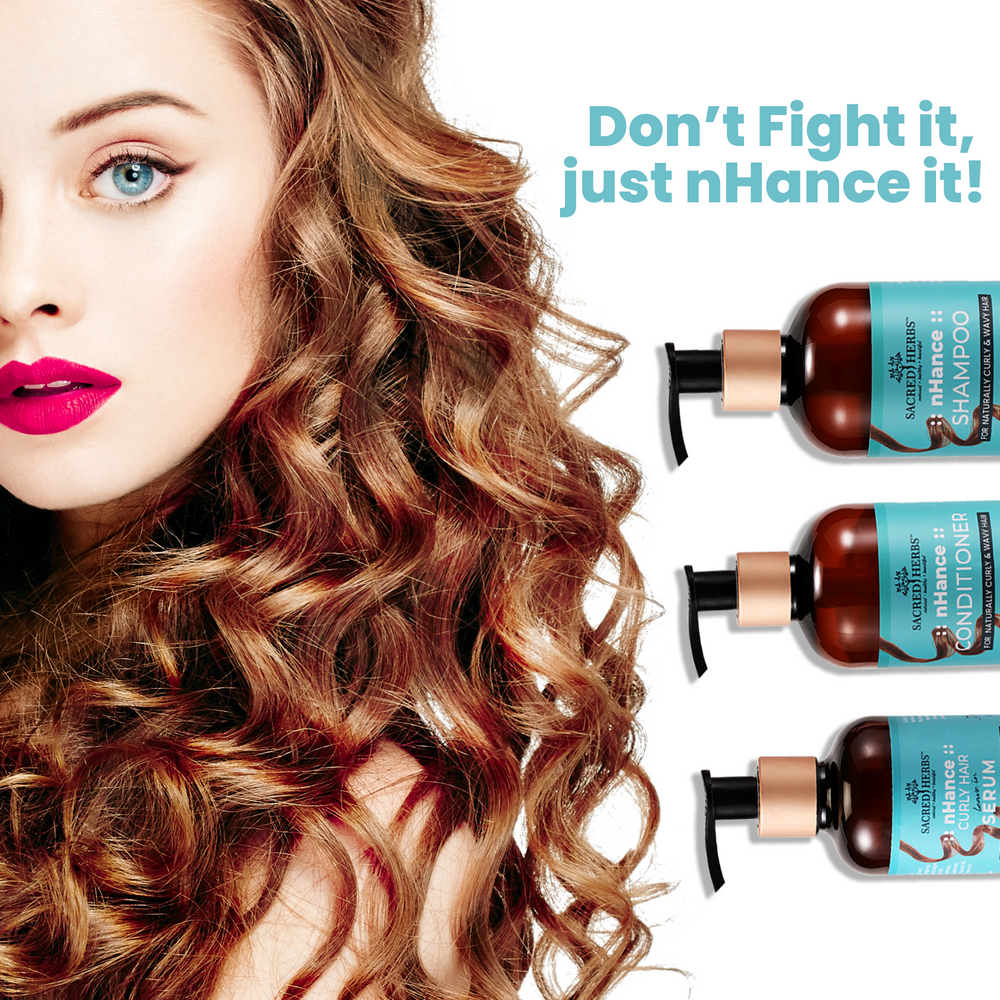
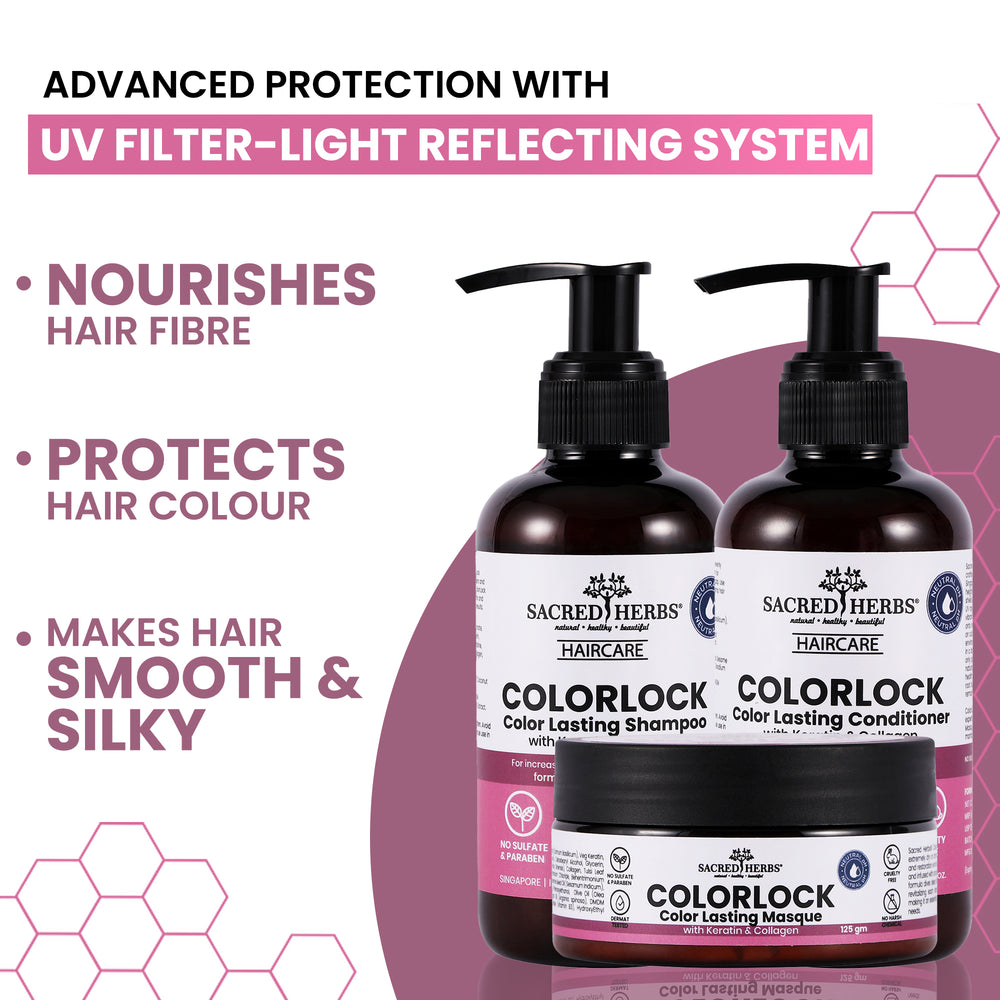
For gentle shampoos and conditioners that work well with leave-ins, explore the Sacred Herbs hair care collection.
Leave-In Conditioner and Color-Treated Hair
Colored hair often feels drier, especially when the color uses ammonia, which lifts the cuticle every session. A leave-in conditioner helps, but choosing a gentler color reduces dryness at the source.
Sacred Herbs is India's first pH-neutral hair color, made with pHneutra technology and powered by 20+ herbal extracts. It contains no PPD, no ammonia, no bleach, and no resorcinol, and it is dermatologically tested. NanoAlgaPigment technology delivers 100% grey coverage, and the color lasts up to 4 weeks. Explore the Sacred Herbs hair color range.
For leave-ins around coloring:
-
Leave the color on for 35 minutes in summer and 45 minutes in winter.
-
Wash with a sulphate-free shampoo afterwards.
-
Use a water-based spray or lotion leave-in for the first week, and avoid oil-based leave-ins and oils for at least one week after coloring.
-
Use Sacred Herbs Root Sure and Root Touch-up Powder between sessions to manage regrowth.
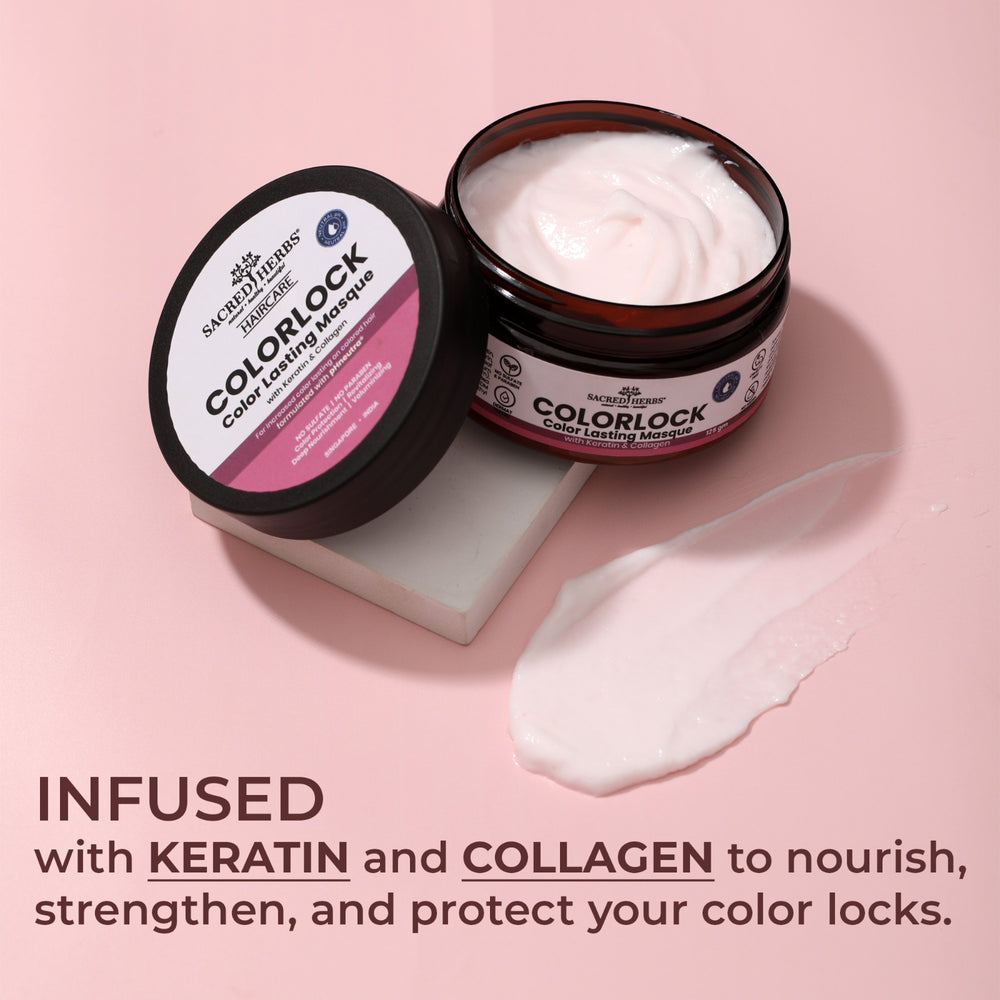
The Super Premium Pack includes a sulphate-free shampoo and conditioner to pair with your leave-in.
Common Leave-In Mistakes
-
Applying too much, which leaves hair greasy or stringy
-
Applying it to the roots of fine hair
-
Using a heavy cream on fine hair
-
Applying it to soaking wet hair, which dilutes it
-
Skipping heat protection when styling
Conclusion
Get the layering right and a leave-in conditioner can carry dry hair through the whole day. Wash gently, condition, blot, and apply your leave-in to damp lengths. If your hair is very dry, add oil and cream in the order that suits it best: LOC for thirsty, high-porosity hair, LCO for hair that's easily weighed down. Keep the first week after coloring oil-free.
Frequently Asked Questions
What is the best leave-in conditioner for dry hair?
It depends on texture: sprays for fine hair, lotions for wavy hair, and creams for thick or curly hair.
Can I use a leave-in conditioner every day?
Yes. Use a small amount daily, or refresh with a light mist on non-wash days.
Should I apply leave-in conditioner to wet or dry hair?
Damp hair is best. You can also apply a small amount to dry ends to tame frizz.
Can leave-in conditioner replace regular conditioner?
Not fully. Rinse-out conditioner smooths after shampooing, while a leave-in adds lasting protection.
Can I use a leave-in after coloring my hair?
Yes, but choose a water-based formula and avoid oils for at least one week after coloring.
Why does my hair feel greasy after using a leave-in?
You may be using too much or a formula that's too heavy. Use less and keep it off the roots.