Hypoallergenic Hair Colour: The Complete Medical and Practical Guide for Anyone Who Has Reacted to Hair Dye
Part One: The Medical Reality of Hair Dye Allergy
Hair dye allergy is not rare. Dermatologists estimate that contact dermatitis from hair dye affects between five and ten percent of people who colour their hair regularly, and the number is rising as cumulative PPD sensitisation increases across populations with decades of dyeing history.
What you are actually reacting to:
In the overwhelming majority of cases, hair dye allergy is a reaction to para-phenylenediamine (PPD). PPD is the primary oxidative colouring agent in most permanent and semi-permanent conventional hair dyes. It is present in nearly every dark shade of conventional hair colour because it is the chemistry that produces reliable, lasting dark pigment.
PPD allergy is a type IV hypersensitivity reaction (delayed-type hypersensitivity). This means:
The first exposure to PPD typically produces no visible reaction. The immune system identifies PPD as foreign, initiates a sensitisation response, and creates specific T-lymphocytes that "remember" the molecule.
Subsequent exposures trigger these sensitised T-cells to mount an inflammatory response at the contact site. This produces the classic symptoms of contact dermatitis: redness, swelling, intense itching, oozing, blistering, and in severe cases, anaphylaxis.
Each subsequent exposure after sensitisation typically produces a faster and more severe response. Someone who had a mild scalp reaction at the fifth application may have a severe generalised reaction at the tenth.
What makes PPD particularly problematic:
PPD is a strong sensitiser, meaning a relatively low dose can produce sensitisation in susceptible individuals. Unlike weaker sensitisers, where you need high or repeated doses to trigger sensitisation, PPD can sensitise after a small number of exposures.
PPD is also a cross-reactor. People sensitised to PPD often react to structurally related compounds: IPPD (in rubber products), DPPD (in latex), and para-aminobenzoic acid (PABA in some sunscreens). Developing PPD sensitisation from hair dye can create unexpected reactions to seemingly unrelated products.
Other potential allergens in conventional dye:
Resorcinol: another colour coupler used in darker shades. A secondary cause of hair dye contact dermatitis.
Ammonium persulphate: used in bleaching formulas and some highlighting products. Associated with asthma, contact urticaria, and anaphylaxis in hairdressers.
Hydrogen peroxide: can trigger irritant contact dermatitis (not allergic, but uncomfortable and problematic for sensitive scalps).
Propylene glycol: a carrier solvent in many hair products. A relatively common contact allergen.
Formaldehyde-releasing preservatives: less common but present in some formulas.
Part Two: What Hypoallergenic Hair Colour Actually Means
The term "hypoallergenic" means "below-normal allergy potential." It is not a regulatory designation. No government body certifies products as hypoallergenic. Any brand can apply the label.
However, the term has a meaningful technical definition in the context of hair colour: hypoallergenic hair colour minimises the allergen load by removing the compounds most likely to trigger immune reactions.
A genuinely hypoallergenic hair colour must, at minimum:
Be completely PPD-free. This is the non-negotiable baseline. A hair colour that contains PPD cannot be hypoallergenic by any reasonable definition.
Be free of resorcinol and other aromatic amine compounds that share structural similarities with PPD and cross-react with it.
Be ammonia-free and monoethanolamine-free, because these alkaline agents disrupt the scalp's barrier, increasing the penetration of any residual allergens and creating inflammatory conditions that facilitate sensitisation.
Be free of known contact allergens, including parabens, propylene glycol (or use it at concentrations below known sensitisation thresholds), and formaldehyde-releasing preservatives.
Additionally, the most genuinely hypoallergenic hair colour also:
Maintains a neutral pH that does not disrupt the scalp's protective barrier (an intact barrier is a significant defence against contact sensitisation).
Uses botanical colourants that have a significantly lower sensitisation rate than synthetic colourants.
Includes anti-inflammatory botanical actives that reduce the scalp's reactive potential during application.
Part Three: Botanical Colourants as Hypoallergenic Alternatives
The central challenge of hypoallergenic hair colour is producing effective colour without the sensitising compounds. The solution is botanical colourants.
Henna (Lawsonia inermis):
Henna's lawsone molecule has a significantly lower sensitisation rate than PPD. Genuine true henna sensitisation occurs but is less common and typically less severe than PPD reactions. Crucially, lawsone does not cross-react with PPD, meaning someone sensitised to PPD can typically use henna without reaction.
The important caveat: "black henna," often used in temporary tattoos and sometimes marketed as natural hair dye, is not pure henna. It typically contains PPD or other synthetic dyes added to produce the black colour that natural henna cannot. Black henna is responsible for many reported "henna allergies" that are actually PPD allergies from the adulterated product.
Pure Lawsonia inermis henna, verified by ingredient list, is a genuinely low-sensitisation colouring option.
Indigo (Indigofera tinctoria):
Indigo sensitisation rates are very low. The compound responsible for its colour, indigotin, does not share the structural features that make PPD a strong sensitiser. True indigo allergy is documented but uncommon.
Botanical actives with anti-inflammatory and barrier-supporting properties:
A well-formulated hypoallergenic hair colour includes botanicals that reduce the scalp's reactive potential:
Aloe vera reduces inflammation and supports barrier function. Chamomile has documented anti-allergic activity (bisabolol is a proven anti-inflammatory). Rosemary provides antioxidant protection that reduces oxidative stress-induced sensitisation risk. Amla and tulsi provide anti-inflammatory support through multiple pathways.
Part Four: The HerbaSafe Approach to Hypoallergenic Hair Colour
The most rigorous approach to hypoallergenic hair colour goes beyond simply removing PPD and adding botanical colourants. It involves systematically identifying and eliminating every compound with known or suspected sensitisation potential, then confirming hypoallergenic status through dermatological testing on sensitised individuals.
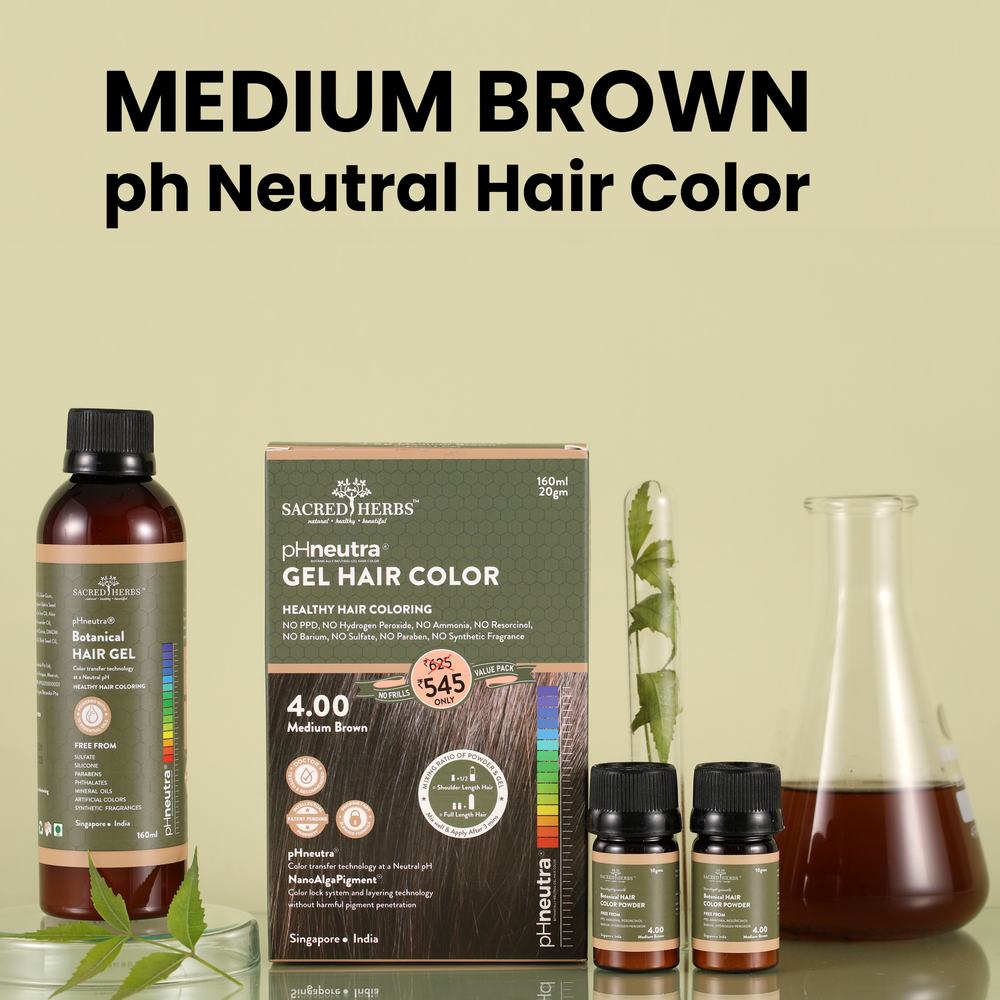
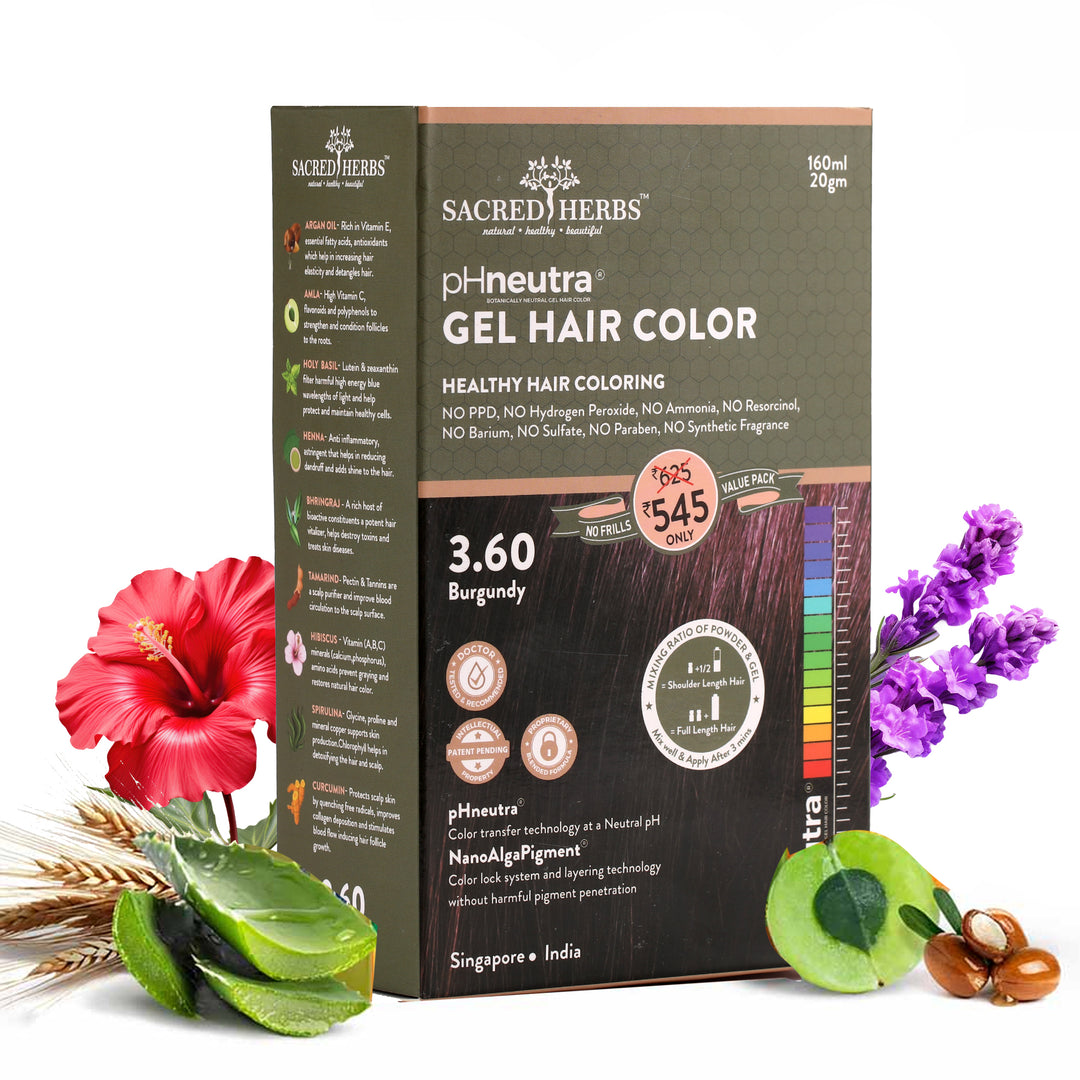
This is the philosophy behind truly hypoallergenic herbal hair colour formulas: not merely PPD-free, but formulated with attention to every component's allergenicity profile. The Sacred Herbs HerbaSafe Hypo-Allergic Herbal Hair Color takes this approach, producing a formula that has been specifically designed for people with reactive scalps and documented PPD sensitivity.
The Hair Color Collection at Sacred Herbs includes this hypoallergenic formula alongside the standard botanical range, providing options for both generally sensitive users and those with documented hair dye allergy.
Part Five: The Patch Test Protocol for Hypoallergenic Hair Colour
Even with hypoallergenic hair colour, patch testing is essential before first use. This is not a contradictory position. "Hypoallergenic" means lower allergen potential, not zero allergen potential. Botanical ingredients can trigger sensitivities in some individuals.
The standard patch test protocol:
Mix a small amount of the formula (the same way you would for application).
Apply a 10p coin-sized amount to the inside of the elbow or behind the ear.
Leave for 20 minutes.
Rinse thoroughly.
Observe the patch test site for 48 hours.
A negative reaction (no redness, no itching, no swelling) means you are clear to proceed with full application.
Any reaction (redness, itching, swelling, oozing) means the product contains something you are sensitive to. Do not proceed with full application.
For people with documented PPD sensitivity: ensure the patch test site is fully away from any areas previously exposed to PPD products, as pre-existing sensitisation may produce a reaction to even trace cross-reactive compounds.
For people with multiple chemical sensitivities: consider a modified extended patch test of 72 hours rather than 48.
Part Six: Managing the Transition from Conventional Dye to Hypoallergenic Hair Colour
People switching to hypoallergenic hair colour after a reaction to conventional dye are typically managing two concurrent situations: the immediate aftermath of the reaction (which may still be resolving) and the need to find a safe colouring alternative going forward.
If you have had a recent reaction:
Allow the skin to fully heal before attempting any new hair colour, including hypoallergenic options. This typically means waiting at least two to four weeks after the reaction has completely resolved.
See a dermatologist for patch testing to confirm exactly which compounds you reacted to. This is valuable information for choosing a hypoallergenic product and for identifying cross-reactors to avoid.
When you are ready to try hypoallergenic hair colour:
Start with the patch test protocol above, followed by a strand test on a small section of hair before full application.
Expect the colour result to be different from conventional dye. Botanical colour produces warm, multidimensional shades. If you have been using synthetic dark brown or black dye, the botanical equivalent will look similar but slightly warmer. This is a feature of botanical colouring, not a defect.
Expect the processing time to be longer. 40-50 minutes is normal for hypoallergenic botanical colour on grey hair. This is non-negotiable; rushing the process produces incomplete coverage.
Part Seven: Caring for Reactive Scalps Between Colour Applications
People with reactive scalps need to extend the same gentle, low-sensitiser philosophy to their everyday hair care products. The scalp that has developed PPD sensitivity is often more generally reactive and benefits from a comprehensive switch to botanical, fragrance-free, low-allergen products.
The Hair Care Collection at Sacred Herbs provides a complete hair care range formulated with botanical actives and without the sensitising compounds that trigger reactions in people with reactive scalps.
Frequently Asked Questions
Can I use hypoallergenic hair colour if I have had anaphylaxis from PPD?
This requires medical guidance. If you have experienced anaphylaxis (a life-threatening systemic allergic reaction) from PPD, any new hair colour product should be introduced only under medical supervision with access to emergency treatment. Even PPD-free hypoallergenic products require careful patch testing in this context.
Is henna definitely safe if I am allergic to PPD?
Pure Lawsonia inermis henna does not cross-react with PPD. However, "black henna" and some adulterated henna products contain PPD and are not safe. Always verify the ingredient list before use, and always patch test.
How do I know if my scalp reaction is PPD allergy or scalp irritation?
PPD allergy produces delayed reactions (appearing 12-72 hours after exposure), involving redness, blistering, and intense itching at the application sites and potentially spreading beyond them. Scalp irritation from ammonia produces more immediate burning and resolves within hours of rinsing. Both are reasons to switch to hypoallergenic colour; allergy is the more urgent reason.
Can hypoallergenic hair colour produce a positive patch test reaction?
Yes. Hypoallergenic means lower allergen potential, not zero. Sensitivities to botanical components are possible. A positive patch test to a hypoallergenic product means you are sensitive to one or more of the botanical ingredients.
Will my PPD sensitivity resolve over time if I avoid PPD?
PPD sensitisation is typically permanent. Avoiding PPD prevents future reactions but does not reverse the existing sensitisation. This is why finding a genuinely PPD-free hypoallergenic alternative is a long-term commitment, not a temporary switch.