Hypoallergenic Hair Color: A Complete Guide for Sensitive Scalp and Hair Dye Allergy
How This Article Is Structured
This piece takes a building-block approach. Rather than moving linearly through background, ingredients, and application, it builds the case for hypoallergenic hair dye from first principles, answering the foundational questions before addressing the practical ones. Each section builds on the previous.
If you already understand why PPD is the problem and want to skip to practical guidance, jump to Section 4. If you want the complete picture from the ground up, start here.
Section 1: First Principles - Why Hair Dye Allergy Exists
Allergy exists because the immune system is designed to protect. It identifies foreign molecules, remembers them, and mounts responses against future exposures. This is a survival mechanism. In the context of hair dye, it becomes a liability.
Para-phenylenediamine (PPD) is a small organic molecule belonging to the aromatic amine chemical family. When it contacts the scalp during hair dye application, it penetrates the skin's outer layer and encounters Langerhans cells, the immune sentinels of the skin. In susceptible individuals, these Langerhans cells identify PPD as a threat, process it, and present it to T-lymphocytes, which are the adaptive immune cells responsible for "remembering" specific molecules and mounting targeted responses.
This sensitisation process occurs silently. The individual has no symptoms during the sensitisation phase. But from this point forward, the immune system is primed. Future exposures to PPD trigger these sensitised T-cells to mount an inflammatory response: releasing cytokines, recruiting inflammatory cells, and producing the visible and symptomatic features of contact dermatitis.
The critical point: the sensitisation threshold for PPD is low. A relatively small number of exposures can sensitise susceptible individuals. And once sensitised, the response typically escalates with each exposure. The person who tolerated ten years of conventional hair dye without visible reaction may develop sudden, severe dermatitis at application eleven, because the immune system's tolerance threshold has finally been exceeded.
This is why hypoallergenic hair dye is not just for people who have already had reactions. It is relevant for anyone who colours their hair regularly and wants to prevent sensitisation from developing.
Section 2: The Allergen Landscape - It Is Not Just PPD
PPD is the primary sensitiser in conventional hair dye, but it is not the only one. A complete understanding of the allergen landscape in conventional hair dye helps explain what hypoallergenic hair dye must exclude.
Resorcinol: A colour coupler (helps PPD produce certain shade variations, particularly darker ones). A secondary contact allergen and endocrine disruptor. Cross-reactive with some PPD sensitisation.
p-Aminophenol: Another oxidative dye intermediate used in conventional colour. Shares structural features with PPD and can cross-react in sensitised individuals.
Ammonium persulphate: Present in bleach and highlighting formulas. Responsible for occupational asthma in hairdressers and anaphylaxis in sensitised individuals.
Hydrogen peroxide: At concentrations used in hair dye (3-12%), produces oxidative damage to scalp skin cells, disrupts barrier function, and creates conditions that facilitate sensitisation to co-applied allergens.
Propylene glycol: A common solvent and carrier. A contact allergen in some individuals, producing a weaker but real sensitisation response.
Fragrance compounds: Synthetic fragrances are among the most common causes of contact dermatitis across all personal care products. Hair dye with synthetic fragrance adds unnecessary allergen load.
Formaldehyde-releasing preservatives (DMDM hydantoin, Quaternium-15): Release formaldehyde gradually, which is both a sensitiser and a carcinogen at high concentrations.
For people concerned about hair dye allergy, a lower-allergen formulation should clearly disclose its ingredients and avoid ingredients known to cause reactions in the individual.
Section 3: The Skin Barrier Factor - Why Some People Sensitise Faster
Not everyone who uses conventional hair dye develops sensitisation. Genetics, immune profile, and skin barrier function all influence individual risk. One factor that significantly determines sensitisation rate is skin barrier integrity.
The skin barrier consists of the outermost layer of skin cells (corneocytes) and the lipid matrix between them. An intact barrier prevents allergens from penetrating to the Langerhans cells below. A compromised barrier, from eczema, atopic dermatitis, dry skin, over-washing, or previous skin damage, allows allergens to penetrate more easily, significantly increasing sensitisation risk.
This explains why people with existing skin sensitivities are disproportionately represented among those who develop hair dye allergy. Their compromised barrier makes sensitisation easier.
It also explains why repeated applications of ammonia-based hair dye increase sensitisation risk over time: each application disrupts the barrier and creates conditions that facilitate sensitisation, even when earlier applications were tolerated. The barrier gets progressively more compromised, and at some point, PPD penetrates deeply enough to sensitise.
Hypoallergenic hair dye that maintains neutral pH and avoids barrier-disrupting chemicals supports barrier integrity during application, reducing penetration of any remaining botanical ingredients and minimising sensitisation risk from both the botanical colourants themselves and any environmental allergens.
Section 4: What Genuinely Hypoallergenic Hair Dye Contains
With the allergen landscape and the skin barrier factor understood, we can specify what genuinely hypoallergenic hair dye must contain.
The colouring system:
Lawsonia inermis (henna) extract: the primary botanical colourant. Significantly lower sensitisation rate than PPD. Does not cross-react with PPD in most individuals.
Indigofera tinctoria (indigo) extract: the complementary botanical colourant for dark shades. Very low sensitisation rate.
NanoAlgaPigment: algae-derived microbial pigments at nano-particle scale. Even distribution, deep penetration, no known sensitisation concerns.
The carrier system:
Oil-based gel vehicle: maintains neutral pH, does not disrupt scalp barrier, uses the hair's natural lipid channels for delivery rather than chemical force.
Cold-pressed carrier oils (coconut, argan, castor): condition and protect the cuticle during application, support barrier function, no sensitisation concern.
The preservation system:
Phenoxyethanol at low concentration: effective, well-studied preservation with a lower sensitisation rate than parabens or formaldehyde-releasing alternatives.
Plant-derived antimicrobial extracts (rosemary, neem, thyme): natural preservation support that also provides beneficial scalp activity.
What it must not contain:
PPD, resorcinol, p-aminophenol, or any aromatic amine compound. Ammonia, monoethanolamine. Hydrogen peroxide in functional concentrations. Parabens. Synthetic fragrance. Formaldehyde-releasing preservatives. Propylene glycol (or strictly below sensitisation threshold).
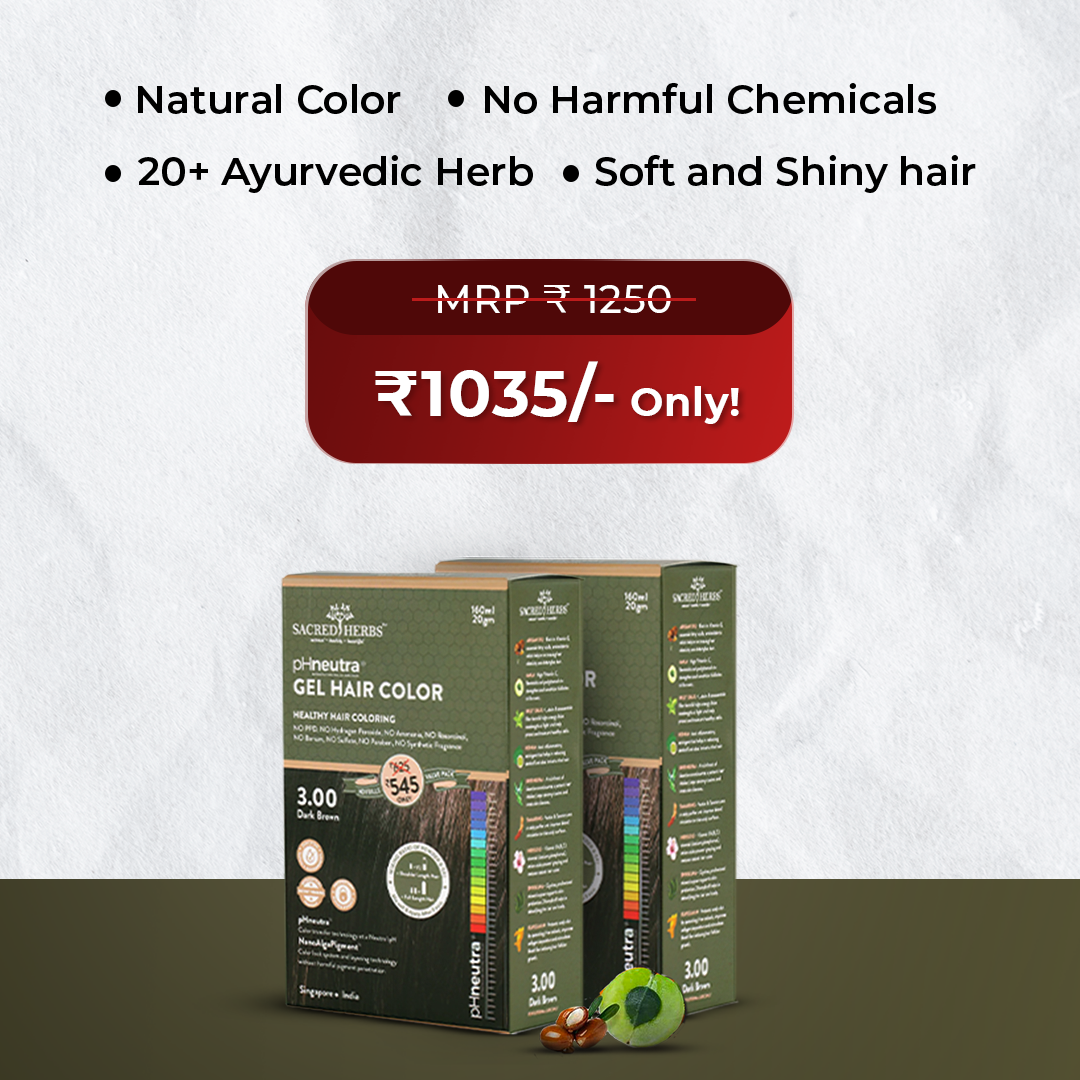
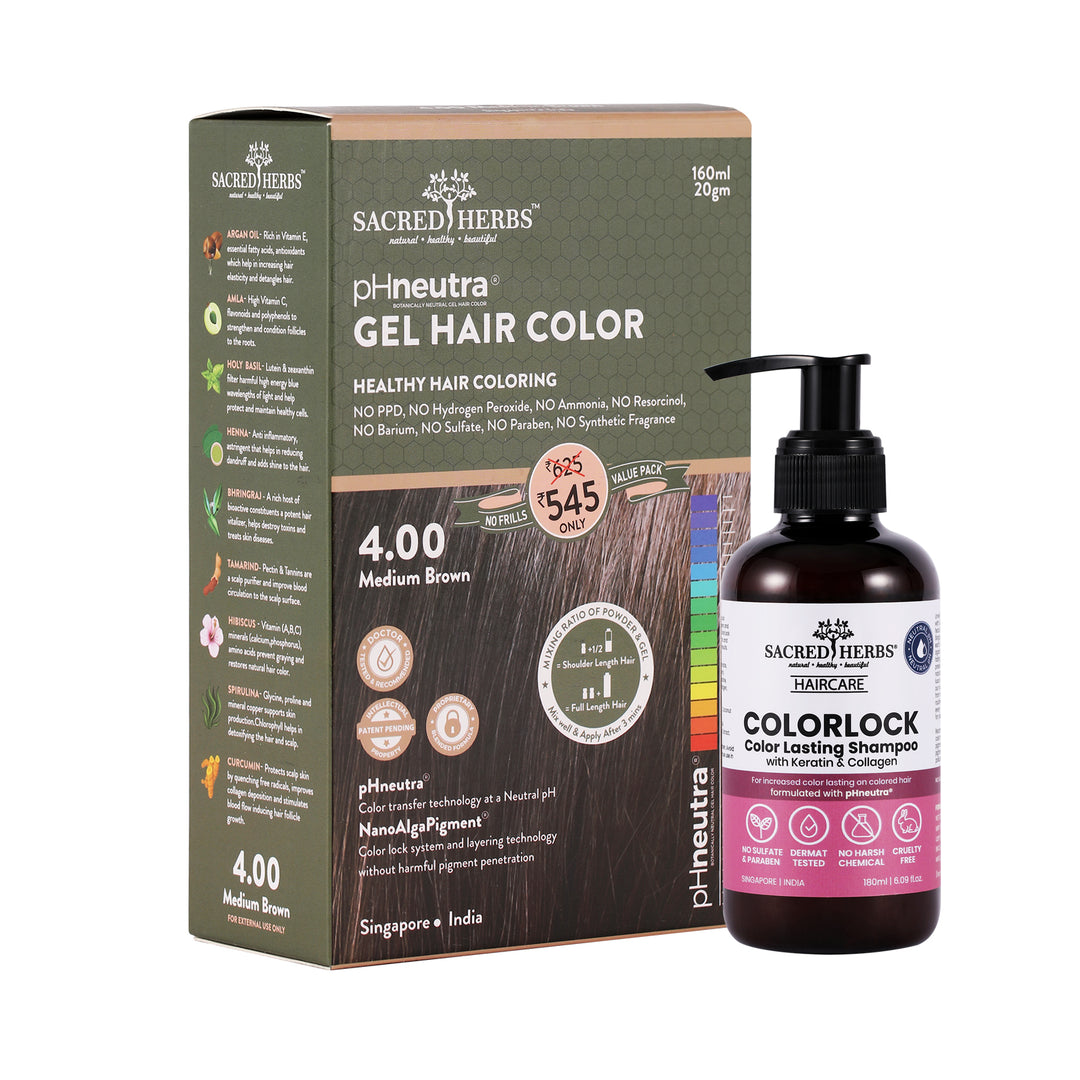
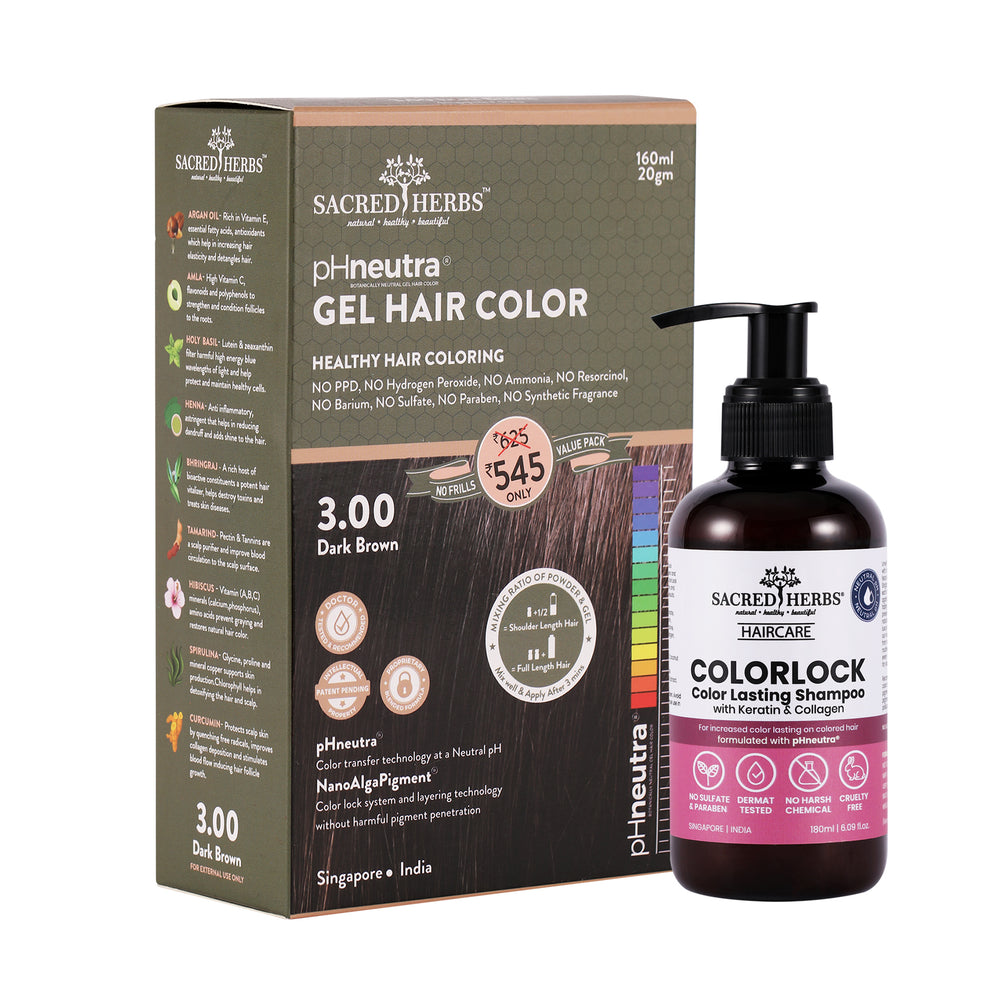
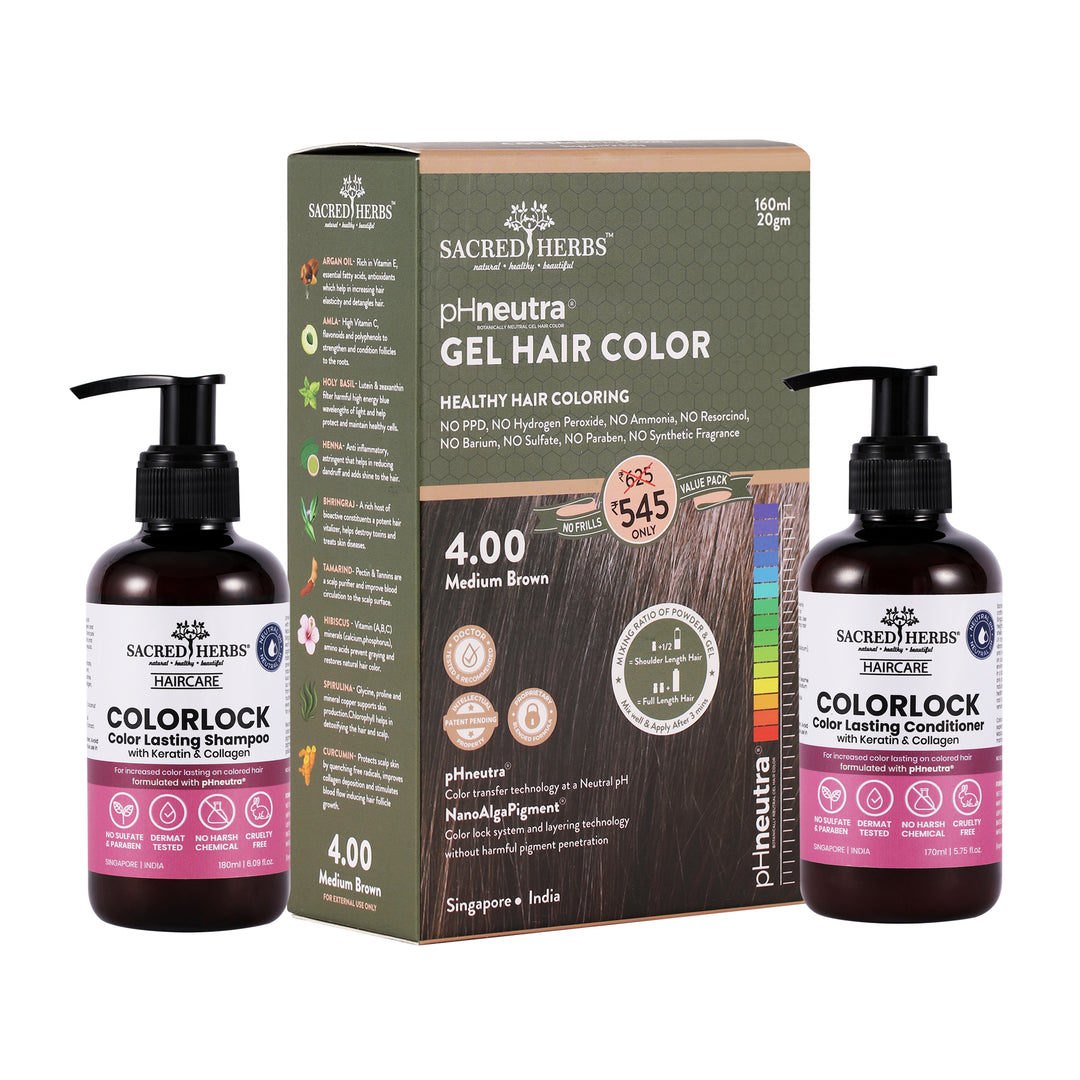
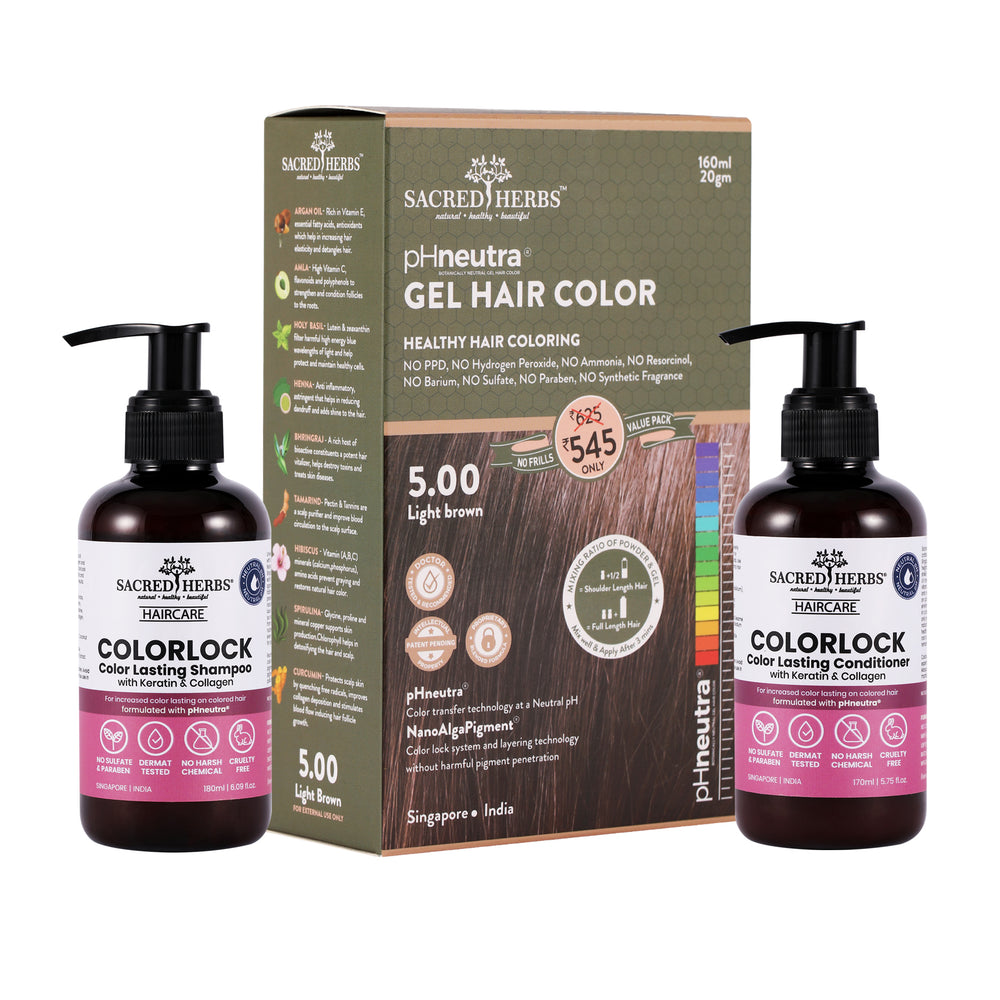
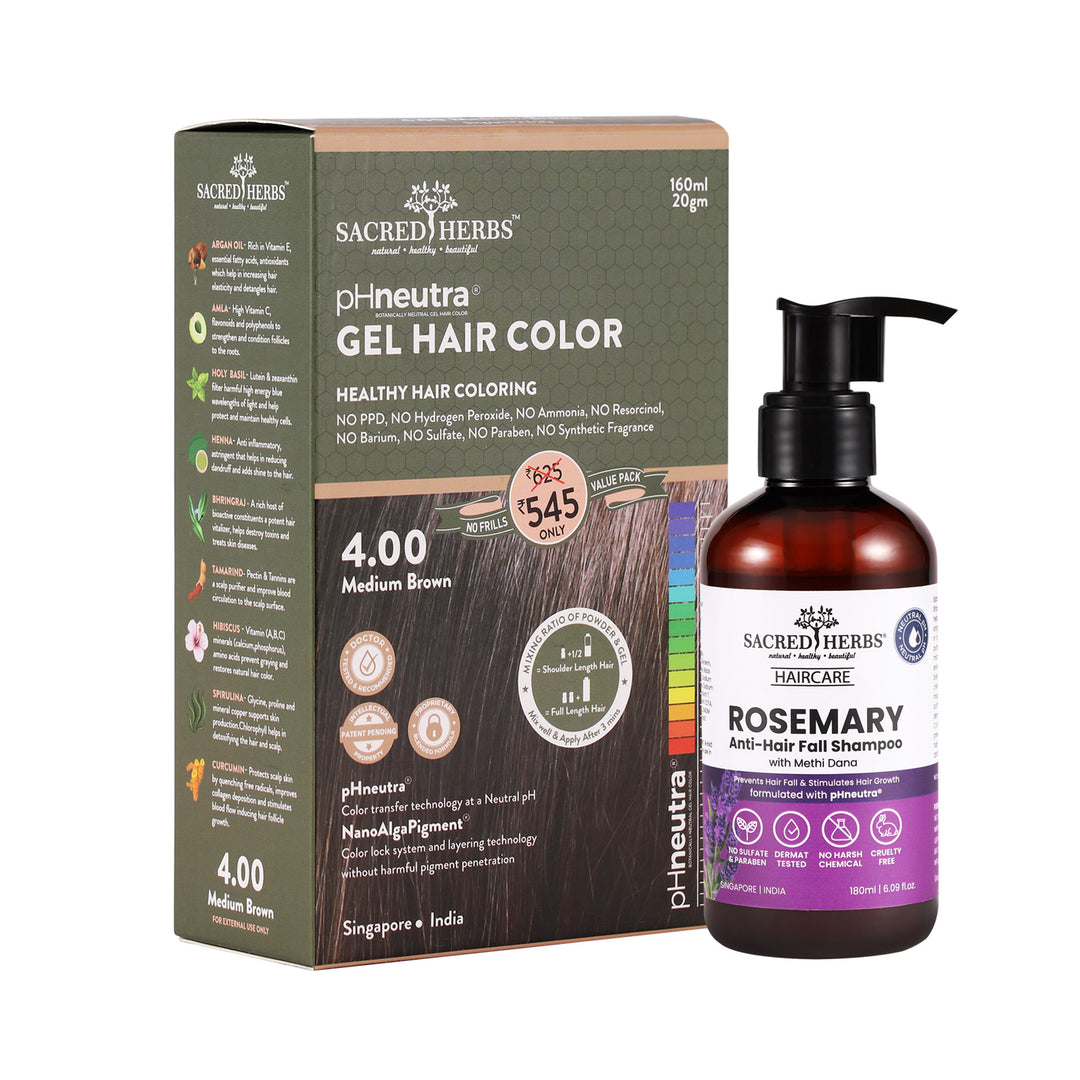
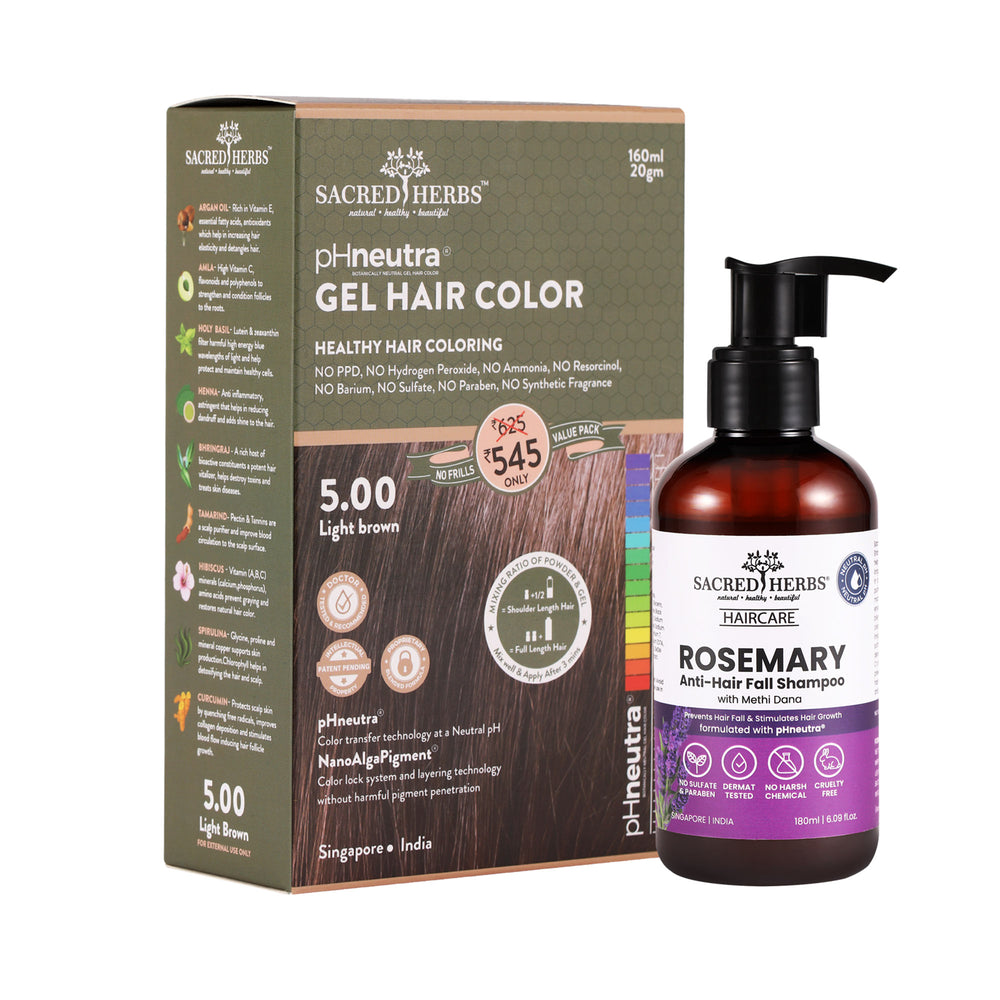
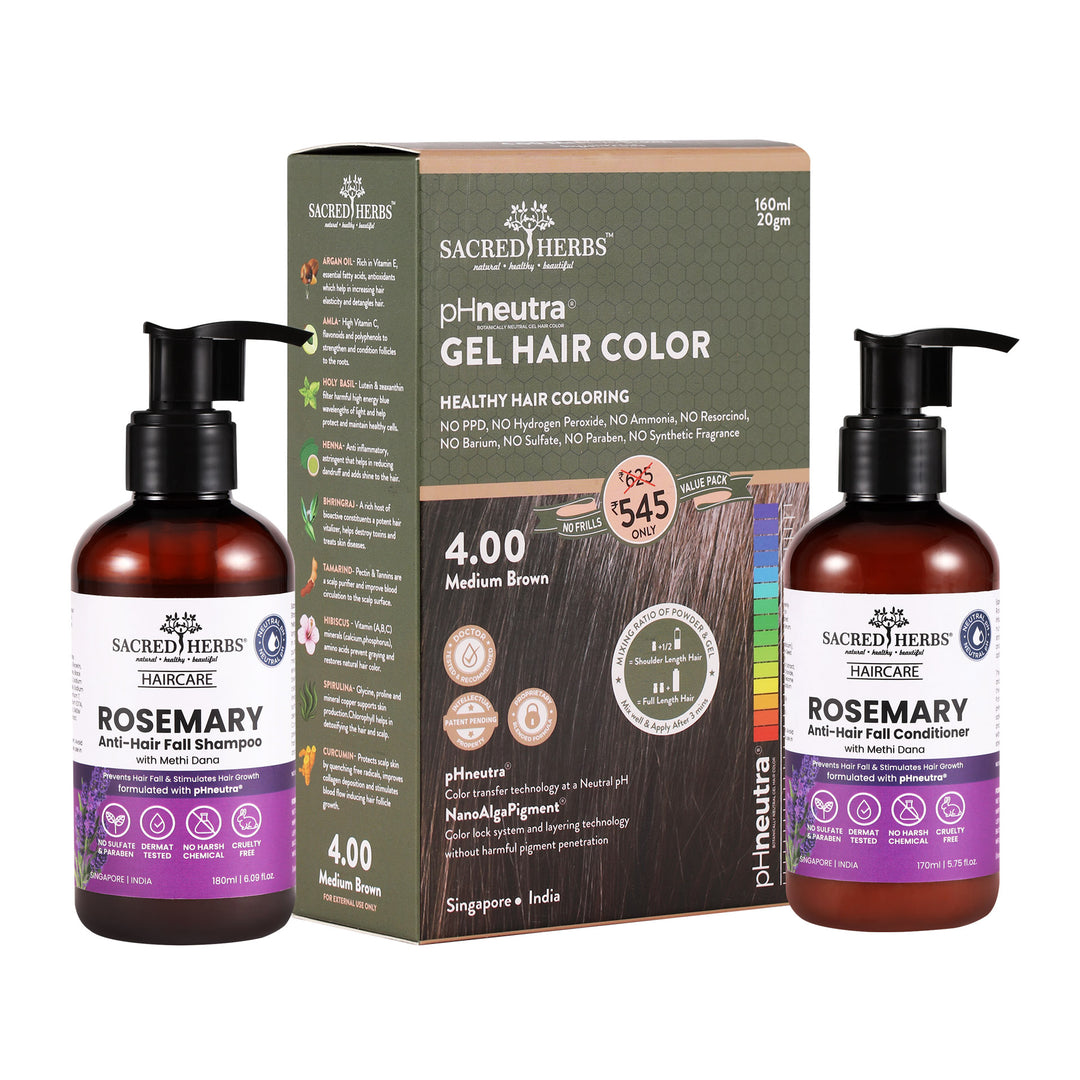
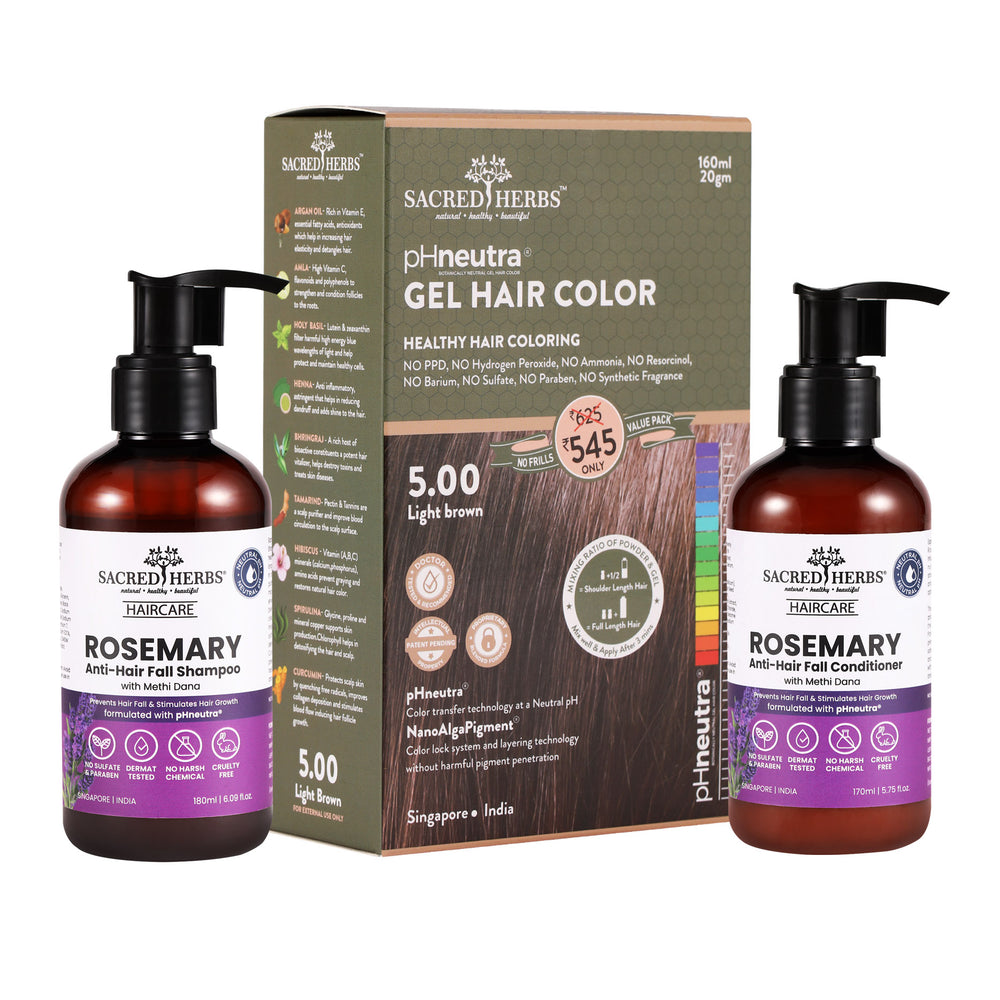
The Hair Color Collection at Sacred Herbs is formulated around these principles, with the HerbaSafe Hypo-Allergic Herbal Hair Color representing the most rigorously hypoallergenic option in the range.
Section 5: Application Protocol for People with Reactive Scalps
Applying hypoallergenic hair dye when you have a reactive or previously sensitised scalp requires additional care beyond the standard protocol.
Pre-application scalp preparation:
If your scalp has any active redness, inflammation, or open areas (scratches, sores), do not colour until these have completely resolved. An inflamed scalp has compromised barrier function and is more permeable to any topical product.
Apply a thin layer of an unfragranced barrier cream or petroleum jelly around the hairline and ears before application. This reduces direct skin contact at these sensitive border areas.
Patch testing (extended protocol for reactive individuals):
Mix a small amount of formula. Apply to the inside of the elbow and behind the ear. Leave for 20 minutes. Rinse. Observe for 72 hours (not 48). For people with documented PPD sensitivity, the extended observation window catches slower reactions.
Application:
Apply with a tinting brush. Minimise direct scalp contact where possible while ensuring root coverage. The gel consistency of modern botanical hair dye allows relatively precise application.
Process for the full recommended time (40-50 minutes). Resist the urge to shorten processing time to reduce scalp contact; under-processed botanical colour produces patchy coverage, which means another application sooner, increasing total contact time.
Rinsing:
Rinse immediately and thoroughly when the timer goes off. Lukewarm water only. Remove all product from the scalp and hairline carefully. Pat dry gently; do not rub aggressively.
Post-application care:
Apply a fragrance-free, low-allergen conditioner to mid-lengths and ends only. Avoid scalp contact with any additional products for at least 12 hours after rinsing. Monitor the scalp for any reaction over the next 48 hours.
Section 6: Building a Low-Allergen Complete Hair Care Routine
People who need hypoallergenic hair dye typically benefit from auditing their entire hair care routine for allergen load, not just their colour product.
Common allergens in standard hair care products:
Methylisothiazolinone (MI) and methylchloroisothiazolinone (MCI): preservatives that are extremely common causes of contact dermatitis. Widespread in shampoos and conditioners. Not present in botanical formulations.
Synthetic fragrances: the category responsible for the highest proportion of personal care product contact dermatitis. Any fragrance-containing product adds to the total allergen load on the scalp.
Cocamidopropyl betaine: generally well tolerated but a documented contact allergen in a subset of sensitive individuals.
Parabens: less commonly the primary sensitiser but contribute to total chemical exposure.
A complete low-allergen hair care routine uses botanical, fragrance-free, paraben-free products throughout. The Hair Care Collection at Sacred Herbs provides shampoos, conditioners, and scalp treatments formulated without the major sensitising compounds found in conventional products.
Section 7: Realistic Expectations for Hypoallergenic Hair Dye Users
On colour performance:
Hypoallergenic botanical hair dye delivers real colour. It covers grey. It produces rich, natural-looking results in the dark shade range. It lasts four to six weeks. These are genuine performance metrics, not "good for a natural product" concessions.
On what changes:
Processing time increases by 10-20 minutes compared to conventional dye. The application experience changes completely (no burning, no ammonia smell, no post-application discomfort). Hair condition improves over time rather than degrading.
On what stays the same:
The need to patch test before each new product. The importance of maintaining a healthy scalp between applications. The value of using colour-protective hair care products to extend longevity.
Frequently Asked Questions
Can I develop an allergy to hypoallergenic hair dye?
Hypoallergenic does not mean allergy-proof. Sensitivities to botanical components (henna, indigo, specific plant actives) are possible, though less common and typically less severe than PPD reactions. Always patch test.
How do I know if my reaction to conventional dye was PPD specifically?
A dermatologist can perform a patch test series using standardised concentrations of PPD, resorcinol, and other hair dye components to identify exactly which compound caused your reaction.
Does hypoallergenic hair dye work for all grey percentages?
Yes. Even 90-100% grey hair can be fully covered with botanical hypoallergenic hair dye when the formula is applied correctly with adequate processing time and the heat step.
Can I use hypoallergenic hair dye on recently bleached hair?
Yes, with a patch test and strand test first. Bleached hair is highly porous and absorbs botanical pigments rapidly, which may produce a more intense result than expected. Adjust processing time accordingly.