


Hydrating Conditioner for Dry Hair India


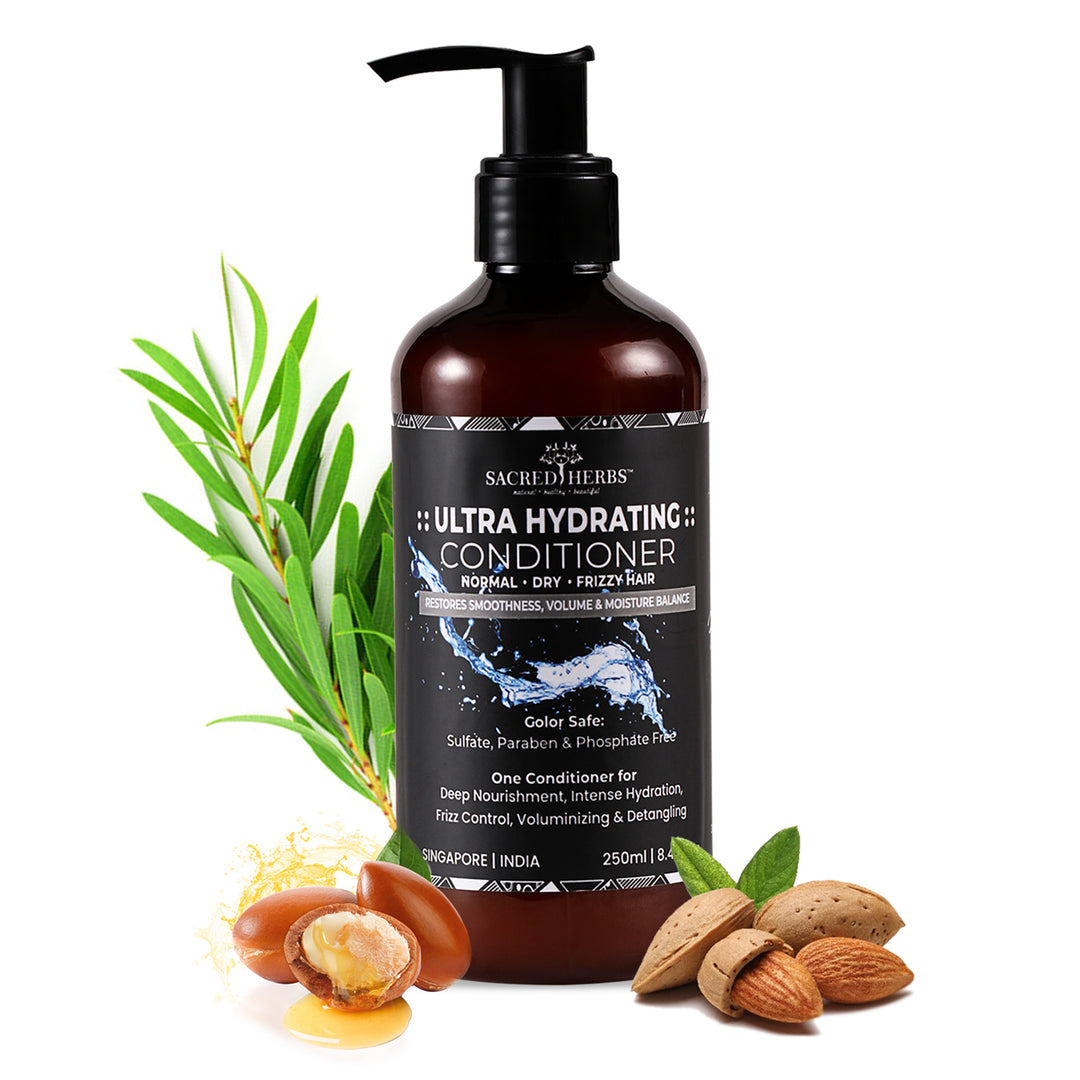
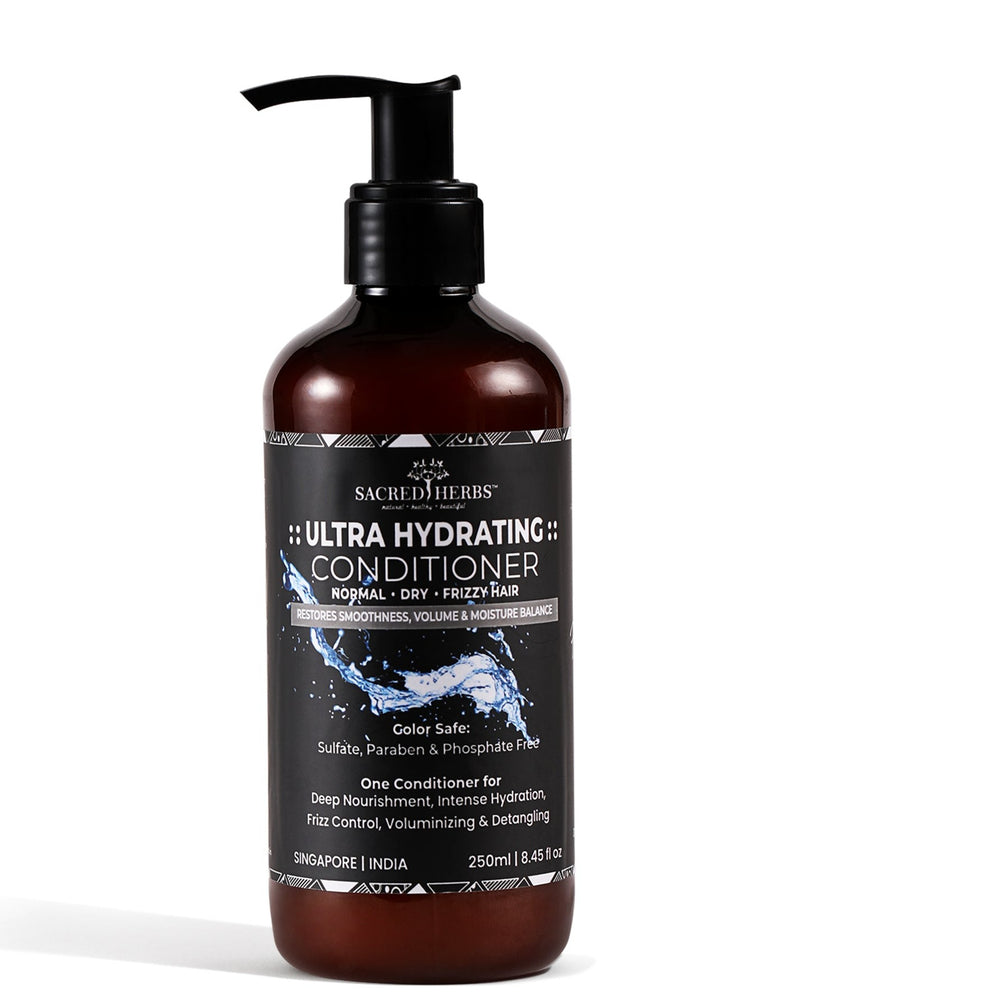
The Real Role of a Hydrating Conditioner for Dry Hair: Beyond Basic Detangling
Here is a question worth asking honestly. How are you currently using your conditioner?
The Real Role of a Hydrating Conditioner for Dry Hair: Beyond Basic Detangling
Here is a question worth asking honestly. How are you currently using your conditioner?
If the answer is "I apply it quickly after shampooing, leave it on for thirty seconds, and rinse it out," you are not alone, and you are also not getting anything close to the full benefit that a quality hydrating conditioner for dry hair can deliver.
Conditioner, when chosen correctly and used correctly, is one of the highest-impact steps in a hair care routine for dry Indian hair. It works at the cuticle level to smooth, seal, and support moisture retention in ways that a shampoo, however good, simply cannot. This article explains the science, the ingredients, the technique, and the complete system that makes a hydrating conditioner genuinely transformative for dry hair in India.
Why Dry Hair in India Needs More From Its Conditioner
The Cuticle Problem
After shampooing, the hair cuticle, the outer protective layer of each hair strand, is slightly raised. This is partly from the mechanical action of washing and partly from the change in pH caused by water contact. On healthy hair, the cuticle settles back down relatively quickly. On dry or damaged hair, it stays raised longer, which means moisture exits the fibre continuously and the hair remains rough, frizzy, and dull.
A hydrating conditioner works directly on this problem. It deposits conditioning agents that help the cuticle scales lie flat, sealing the hair surface and reducing moisture loss. It also introduces hydration at the surface level that temporarily fills gaps in the cuticle, improving the feel and appearance of the hair immediately after use.
Hard Water Compounds the Problem
Most Indian cities have hard water, which leaves calcium and magnesium deposits on the hair with every wash. These mineral deposits interfere with the effectiveness of conditioning products by creating a barrier between the conditioner's active ingredients and the hair fiber. A conditioner with chelating or acidifying properties can help counteract this, and some botanical conditioner formulations include natural acids, such as citric acid or apple cider vinegar-derived components, that address mineral buildup.
Heat and Environmental Dehydration
Year-round heat exposure, combined with air conditioning and seasonal dryness, continuously pulls moisture from the hair fiber. A conditioner used consistently after every shampoo session is one of the most practical tools for counteracting this ongoing environmental dehydration.
What to Look for in a Hydrating Conditioner for Dry Hair in India
Cationic Conditioning Agents
The science of how conditioner works centres on cationic (positively charged) conditioning agents that are attracted to the negatively charged surface of dry, damaged hair. The most common of these include cetrimonium chloride and behentrimonium chloride, which are found in most well-formulated conditioners. These agents deposit on the hair surface, reducing friction and smoothing the cuticle.
Deep Moisture Ingredients
-
Aloe vera: One of the most effective botanical humectants. Aloe vera's mucilaginous gel structure supports moisture retention in the hair fiber and has a calming effect on dry, sensitized scalps.
-
Hibiscus extract: Traditionally used in Indian hair care for softness and sheen. Hibiscus mucilage has natural conditioning properties that smooth dry, frizzy strands.
-
Glycerin: A powerful humectant that draws moisture from the environment into the hair shaft. Particularly effective in moderate humidity conditions.
-
Panthenol (Provitamin B5): Penetrates the hair shaft and binds moisture inside the cortex, reducing dryness from within rather than simply coating the surface.
Emollient Oils
-
Coconut oil, argan oil, amla oil, and jojoba oil are emollients that smooth the cuticle and improve the slip of the hair, making detangling easier and reducing breakage during combing.
Protein Balance
Dry hair often lacks not just moisture but structural protein. A conditioner that includes small amounts of hydrolyzed plant proteins, such as wheat protein or rice protein, helps fill micro-gaps in the cuticle caused by damage while supporting the hair's overall structural integrity.
The Hair Care collection at Sacred Herbs includes conditioners formulated with botanical ingredients suited to dry hair types in Indian conditions.
How to Actually Use a Hydrating Conditioner Correctly
The way conditioner is applied makes a significant difference to its effectiveness. Follow these steps:
Step 1: After shampooing, gently squeeze excess water from the hair. Do not apply conditioner to soaking wet hair, as excess water dilutes the product before it has a chance to deposit on the hair fibre.
Step 2: Apply conditioner to mid-lengths and ends only. The scalp produces its own oils. Applying conditioner to the roots can cause buildup and make the scalp feel heavy. On very dry hair with scalp dryness, a small amount can be applied close to the root, but the concentration should remain at the lengths and ends.
Step 3: Use a wide-tooth comb to gently distribute the conditioner through the hair. This ensures even coverage and reduces the risk of breakage during detangling.
Step 4: Leave the conditioner on for at least two to three minutes. If using a deep conditioning formula, five minutes is better. For intensively dry hair, leaving a regular conditioner on for ten minutes while covered with a shower cap amplifies the moisture uptake significantly.
Step 5: Rinse with cool water. A cool final rinse helps close the cuticle after conditioning, sealing in the moisture and leaving the hair smoother and shinier.
The Full Routine That Supports Your Conditioner's Work
A hydrating conditioner does its best work when supported by the rest of the routine:
-
Pre-wash oil treatment once a week prepares the hair for washing by protecting it from moisture loss during shampooing
-
A sulfate-free shampoo avoids stripping moisture before the conditioner even has a chance to work
-
A weekly deep conditioning mask provides a level of moisture input that a regular rinse-out conditioner cannot deliver on its own
-
A leave-in serum or lightweight oil on damp hair extends the conditioner's benefits through the drying process and into the following days
For those looking to combine their hair coloring and care routine using botanically formulated products, the Hair Color range pairs naturally with a hydrating conditioner system to support both color retention and hair health.
Bringing the same commitment to botanical care across a wider personal care routine, the Body collection from Sacred Herbs offers plant-based formulations for daily skin hydration that share the same ingredient philosophy.
Frequently Asked Questions
Q: How often should I use a hydrating conditioner for dry hair?
After every wash session, which for dry hair should ideally be two to three times per week.
Q: Can I leave a hydrating conditioner on overnight as a treatment?
Rinse-out conditioners are designed for short contact times. For an overnight treatment, use a dedicated deep conditioning hair mask or a botanical oil treatment instead.
Q: Why does my hair still feel dry immediately after conditioning?
This can indicate highly porous hair that absorbs product quickly, or hard water mineral buildup interfering with the conditioner's ability to deposit. Try a diluted apple cider vinegar rinse periodically to address mineral buildup.
Q: Should I condition before or after shampooing?
For most dry hair types, conditioning after shampooing is standard practice. However, a pre-shampoo deep oil treatment achieves a different benefit and can be used in addition to post-shampoo conditioning.
Q: Can using too much conditioner cause hair to feel heavy or limp?
Yes. Over-application or leaving conditioner too close to the roots can cause buildup and weigh the hair down. Apply generously but focus on mid-lengths and ends.
Q: Is a two-in-one shampoo-conditioner suitable for dry hair?
Two-in-one formulas are a compromise. For genuinely dry hair, using separate shampoo and conditioner products used correctly delivers significantly better results.