Herbal Hair Care Products: An Ingredient Glossary for Smarter Shopping
Pick up almost any herbal hair care product, and you will find a familiar list of names on the label: amla, bhringraj, neem, hibiscus. Most shoppers recognise them. Far fewer know what each one is actually meant to do, which makes it hard to tell a thoughtfully formulated product from one that simply borrows popular names for marketing.
Knowing your ingredients changes how you shop. Instead of choosing by packaging or price, you can choose by function, matching each herb to a specific need of your hair or scalp.
This guide works as a practical glossary. It explains the most common herbs in herbal hair care products, how to spot misleading labels, and how to choose a combination that suits your hair type.
Why Herbal Ingredients Are Back in Focus
Many of these herbs have been part of Ayurvedic and traditional Indian hair care for centuries. What has changed is the way they are used. Modern formulation allows herbal extracts to be standardised, combined with gentle cleansing agents, and delivered in textures that fit busy routines.
At the same time, more people are reading labels and actively avoiding harsh ingredients. Sulphates, heavy synthetic fragrance, and aggressive chemicals in hair color have all come under scrutiny. Herbal hair care products offer a way to keep hair clean, conditioned, and colored with a gentler overall load on the scalp.
The Herbal Ingredient Glossary
Amla (Indian Gooseberry)
What it does: Rich in vitamin C and antioxidants, amla is traditionally used to strengthen hair and support scalp health.
Best for: Weak, dull hair and anyone wanting a nourishing all-rounder.
Where you will find it: Hair oils, shampoos, masks, and serums.
Bhringraj
What it does: Often called the king of herbs for hair in Ayurveda, bhringraj is associated with scalp nourishment and reduced hair fall.
Best for: Thinning hair and scalp-focused routines.
Where you will find it: Hair oils and scalp serums.
Brahmi
What it does: Known for its calming properties, brahmi is used to soothe the scalp and condition the hair.
Best for: Dry, irritated scalps and frizzy hair.
Where you will find it: Oils and conditioning treatments.
Hibiscus
What it does: Hibiscus flowers and leaves contain natural mucilage that softens hair and adds slip, making detangling easier.
Best for: Dry, rough, or tangle-prone hair.
Where you will find it: Masks, conditioners, and hair rinses.
Fenugreek (Methi)
What it does: Fenugreek seeds contain protein and mucilage, traditionally used to condition hair and add softness.
Best for: Brittle hair and hair prone to breakage.
Where you will find it: Masks and scalp treatments.
Neem
What it does: Neem has well-known antimicrobial properties and is used to keep the scalp clean and calm.
Best for: Flaky, itchy, or dandruff-prone scalps.
Where you will find it: Shampoos, scalp tonics, and oils.
Aloe Vera
What it does: Aloe hydrates and soothes, making it useful for both the scalp and the hair lengths.
Best for: Sensitive scalps and dehydrated hair.
Where you will find it: Conditioners, leave-ins, and gels.
Shikakai and Reetha
What they do: Both contain natural saponins that cleanse gently without stripping. They have been used as traditional shampoo alternatives for generations.
Best for: Anyone wanting a mild cleanse, especially those with dry or sensitive scalps.
Where you will find them: Herbal shampoos and cleansing powders.
How "Herbal" Labels Can Still Mislead
A product can list several herbs and still not deliver much herbal benefit. Watch for these warning signs:
-
Herbs listed last: Ingredients appear in order of concentration. If the herbs come after fragrance and preservatives, they are present only in tiny amounts.
-
One hero herb, many harsh agents: A single botanical on the front label does not cancel out sodium lauryl sulphate or other harsh cleansers in the formula.
-
Vague wording: Phrases like "herbal blend" or "botanical essence" without named herbs tell you very little.
-
Unrealistic claims: Herbs support hair health gradually. Promises of overnight transformation should make you sceptical.
-
No testing information: Dermatological testing is a useful sign that a product has been checked for skin compatibility.
Matching Herbal Products to Your Hair Type
Use the glossary to build a routine that fits your hair:
-
Oily scalp: Neem and shikakai-based cleansers, with lightweight aloe on the lengths only
-
Dry, frizzy hair: Hibiscus masks, brahmi oil, and an aloe leave-in
-
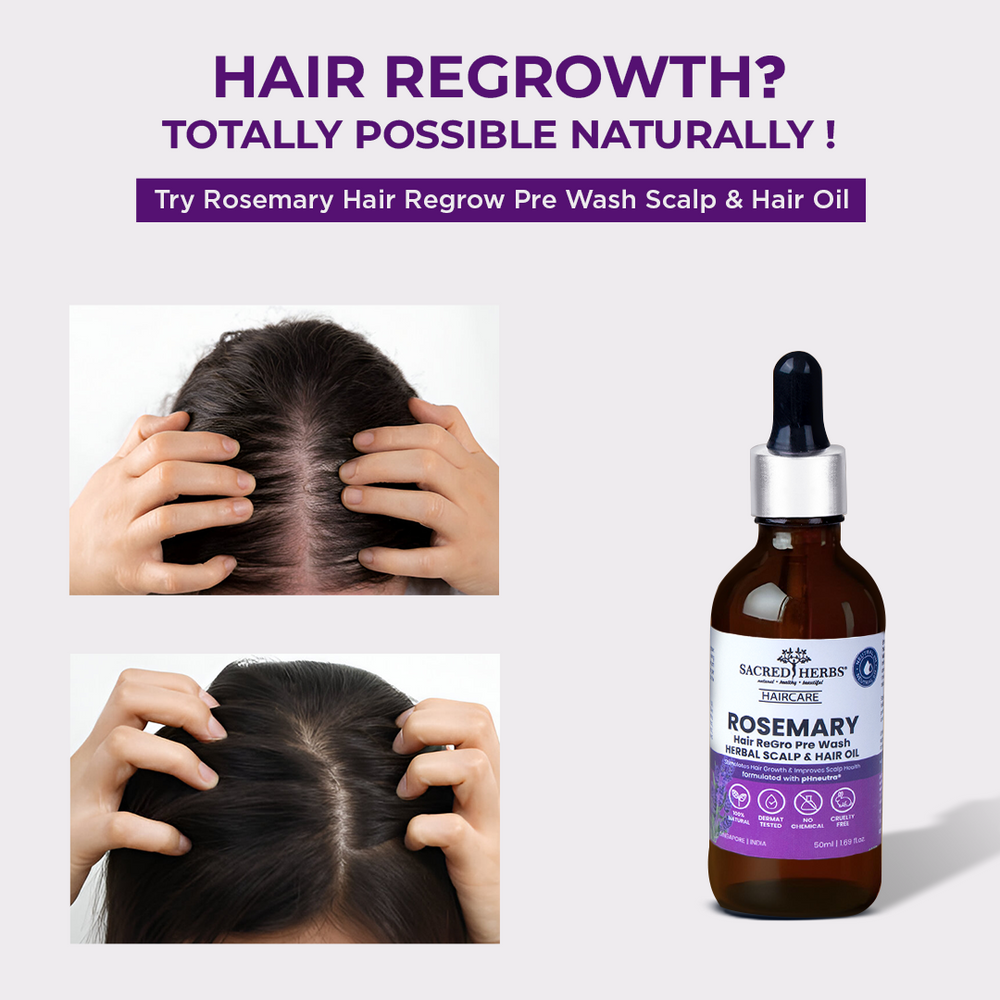
Thinning hair: Bhringraj and amla scalp serums, with a gentle sulphate-free shampoo
-
Breakage-prone hair: Fenugreek masks and conditioning treatments on the lengths
-
Sensitive scalp: Aloe, brahmi, and mild reetha-based cleansers, with minimal fragrance
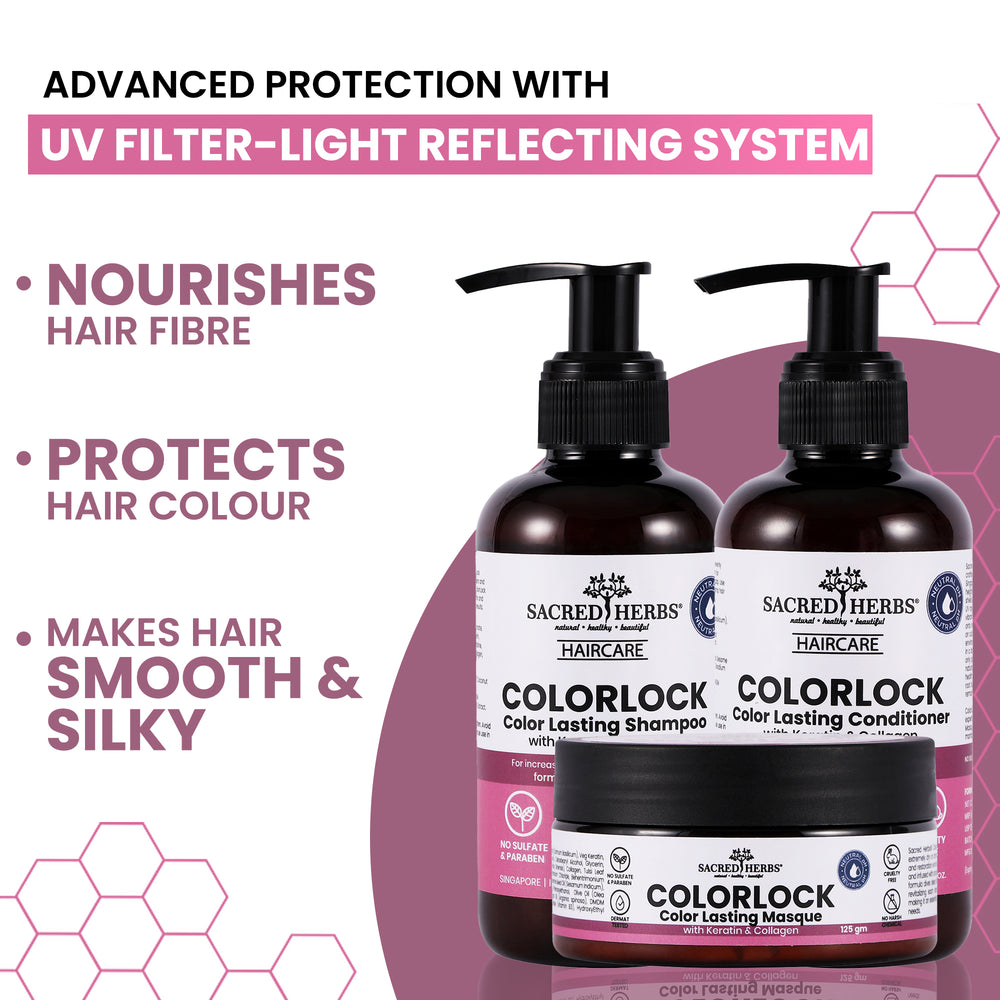
You can find gentle, herb-led options for these needs in the Sacred Herbs hair care collection.
Herbal Care for Color-Treated Hair
Hair color is where herbal principles are most often abandoned. Many people carefully choose herbal shampoos and oils, then color their hair with an ammonia-based dye that undoes much of that care.
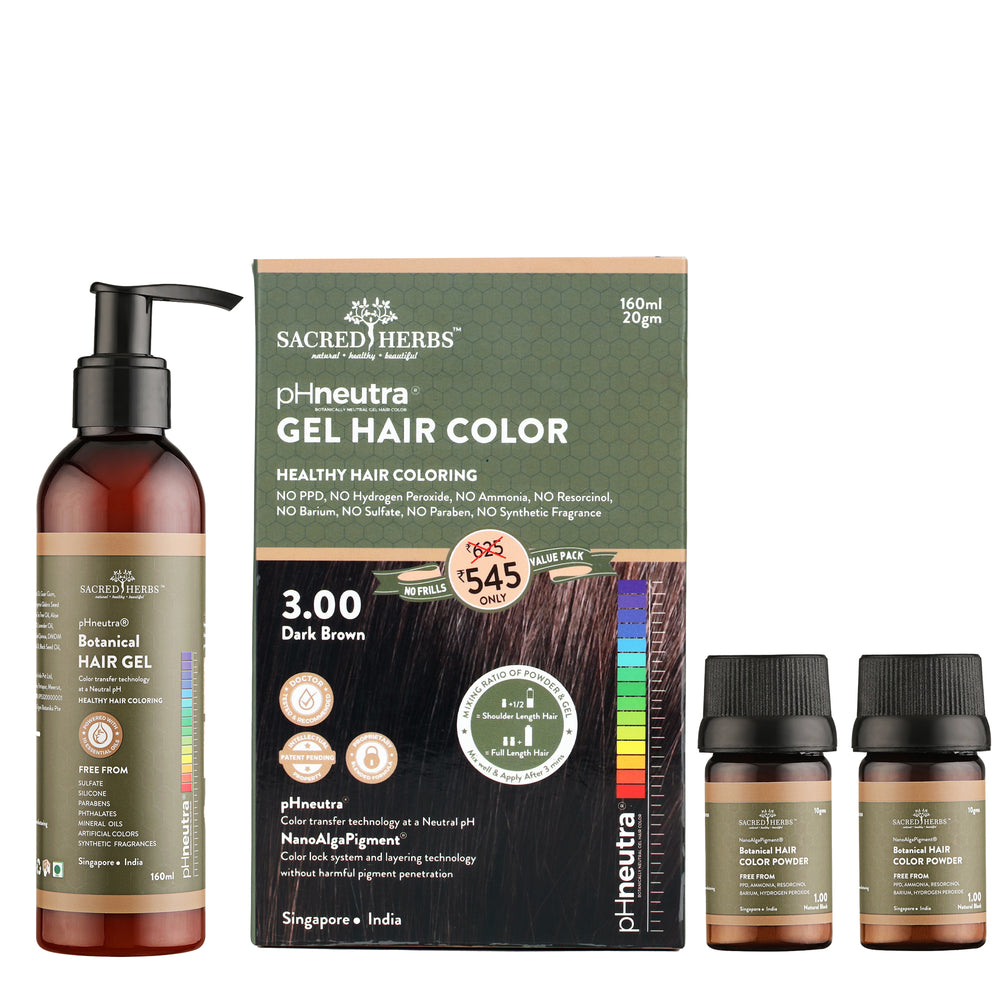
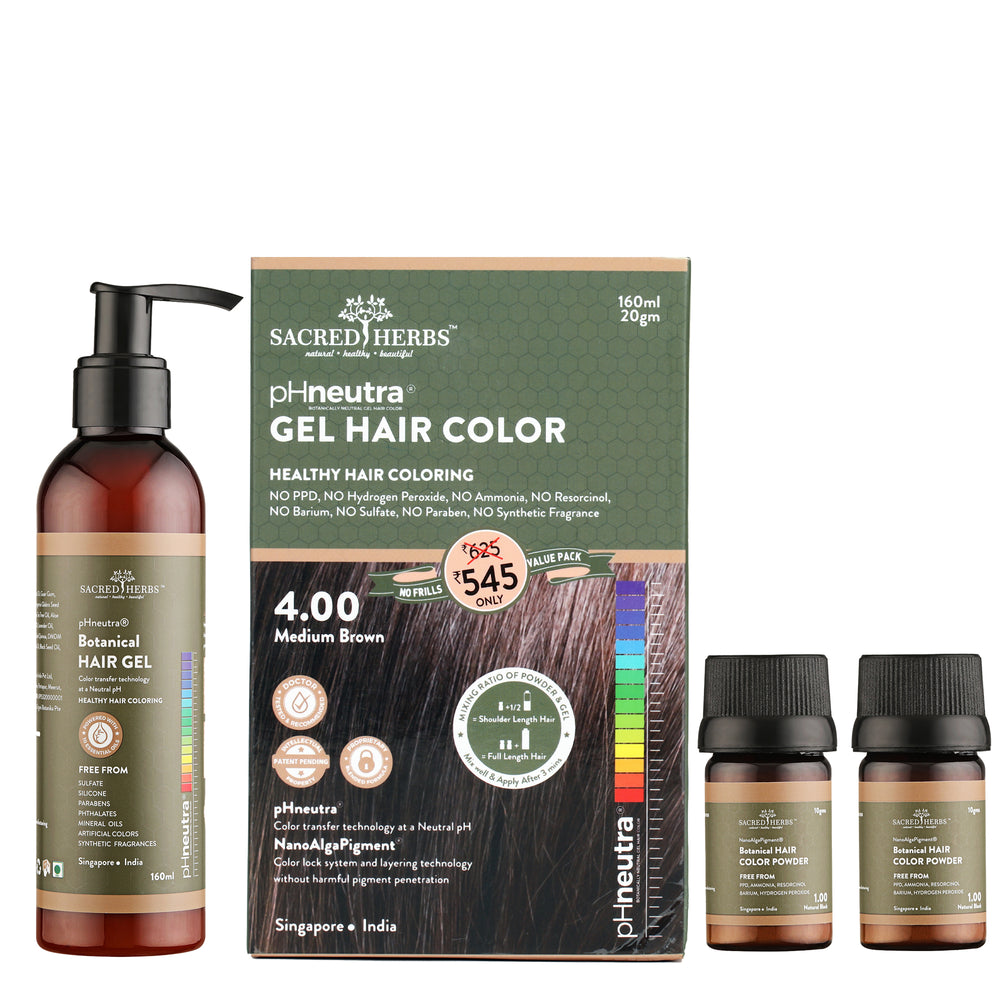
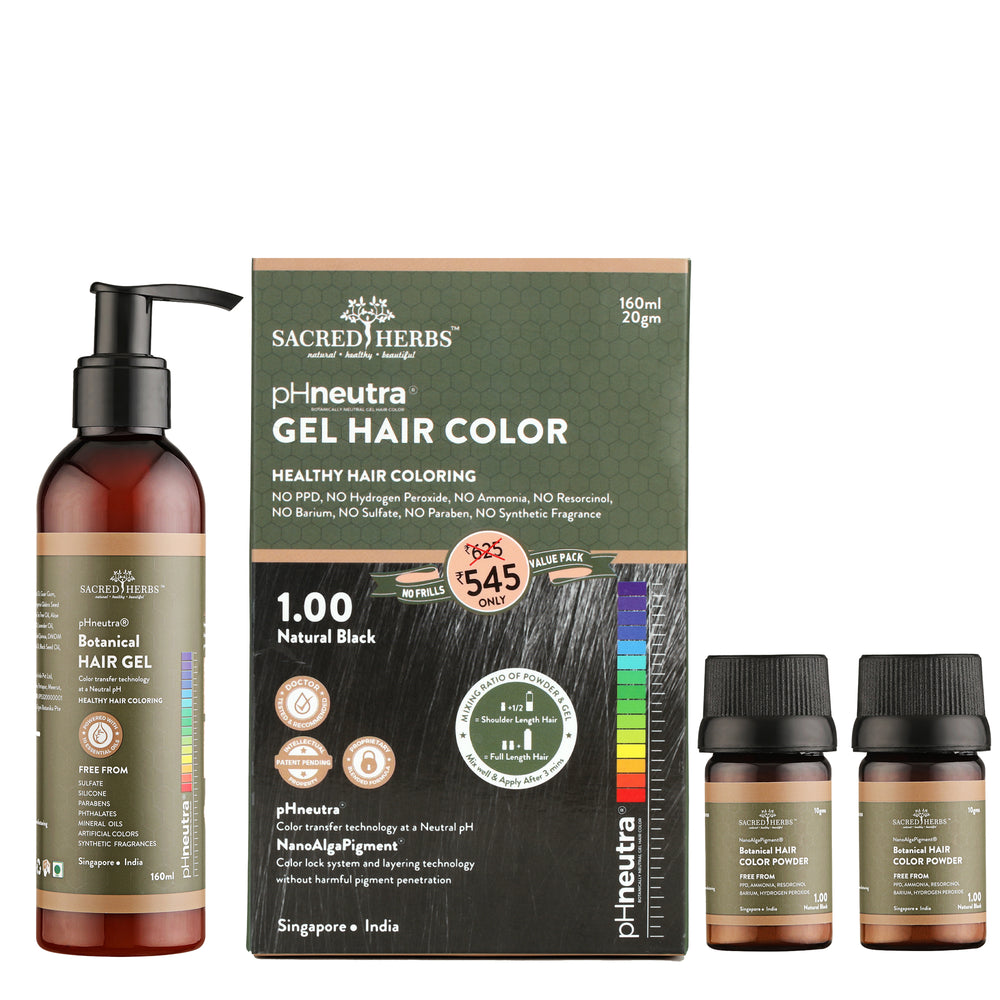
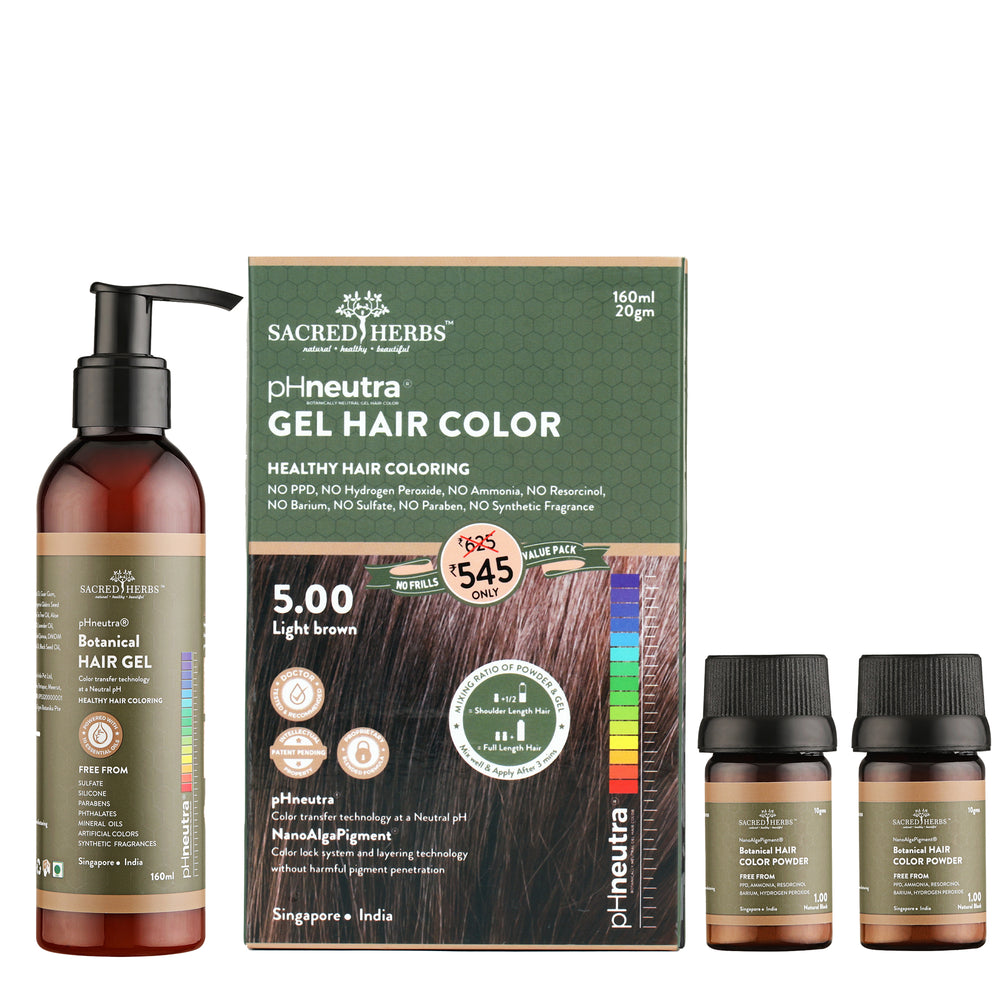
Sacred Herbs takes a different approach. It is India's first pH-neutral hair color, built with pHneutra technology and powered by 20+ herbal extracts. It contains no PPD, no ammonia, no bleach, and no resorcinol, and it is dermatologically tested. NanoAlgaPigment technology delivers 100% grey coverage, with color lasting up to 4 weeks. Shades include Natural Black, Dark Brown, Medium Brown, Light Brown, and Burgundy, all available in the Sacred Herbs hair color range.
A few aftercare points keep herbal color and herbal care working together:
-
Leave the color on for 35 minutes in summer and 45 minutes in winter.
-
Wash with a sulphate-free shampoo after coloring.
-
Pause oil treatments, including herbal oils, for at least a week after coloring.
-
Use Sacred Herbs Root Sure Root Touch-up Powder between sessions for regrowth.
If you would like color and aftercare together, the Super Premium Pack includes sulphate-free shampoo and conditioner.
Extending the Herbal Approach to Your Skin
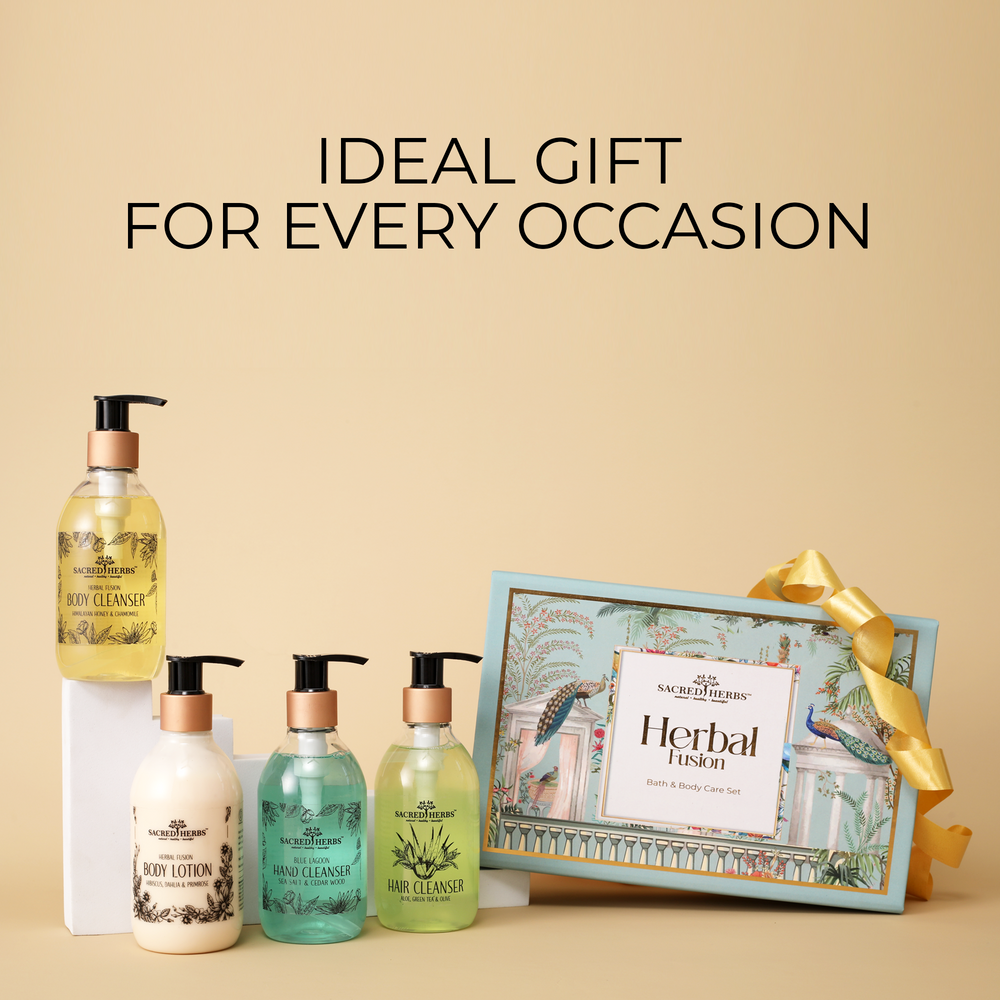
Once you start reading hair care labels closely, it becomes natural to apply the same standards to your skin. Many of the same botanicals, including aloe, neem, and turmeric, are valued in body care for their soothing and nourishing properties. The Sacred Herbs body collection brings that same plant-led thinking to everyday skin care.
Conclusion
Before your next purchase, ask three questions. What is each herb in this product meant to do? Does it appear high enough in the ingredient list to matter? And does everything else in your routine, including your hair color, follow the same gentle principles? If the answers line up, you have found herbal hair care products worth keeping. If not, the glossary above gives you everything you need to choose better.
Frequently Asked Questions
Are herbal hair care products better than regular products?
Well-formulated herbal products can be gentler on the scalp. The key is checking that herbs appear meaningfully in the ingredient list and harsh agents are absent.
Which herb is best for hair fall?
Bhringraj and amla are the most widely used herbs for supporting the scalp and reducing hair fall, ideally in a leave-in scalp serum.
Can herbal products cause allergies?
Yes, any ingredient, natural or synthetic, can cause a reaction. Patch test new products, especially leave-in treatments.
Do herbal shampoos lather less?
Often, yes. Gentle cleansers like shikakai and reetha produce less foam, but they still clean effectively.
Can I use herbal oil on color-treated hair?
Yes, but avoid oil for at least one week after coloring so it does not interfere with the color.
How long do herbal hair care products take to show results?
Expect softer, more manageable hair within a few weeks and scalp-related improvements over two to three months.