




Hair Strengthening Products


Hair Strengthening Products: 9 Myths Debunked
"Just eat more biotin and your hair will be fine." "Cutting your hair makes it grow stronger." "If a product tingles, it's... Read More
Hair Strengthening Products: 9 Myths Debunked
"Just eat more biotin and your hair will be fine." "Cutting your hair makes it grow stronger." "If a product tingles, it's working." Hair advice is full of confident statements like these, passed between friends, family, and social media until they sound like facts.
The trouble is that believing the wrong ones leads you to the wrong hair strengthening products, or to using the right ones in the wrong way. Months later, your hair is as fragile as ever, and you're left wondering why nothing works.
This article takes nine of the most common myths about hair strength, sets out what's actually true, and explains what that means for the products you choose.
What "Strong Hair" Actually Means
Before the myths, a quick definition. Strong hair isn't just thick hair. It is hair that can stretch slightly and bounce back without snapping. Strength depends on the cortex, the inner layer made of keratin protein, and the cuticle, the protective outer layer.
Hair strength depends on the structure and condition of the hair fibre, including its keratin-rich cortex and protective cuticle. Heat, chemical treatments, and repeated friction can weaken these structures, making hair more prone to breakage. Hair strengthening products work by reinforcing the cortex, smoothing the cuticle, and keeping the balance of protein and moisture right.
Myth 1: Strong Hair Is Purely Genetic
The reality: Genetics decide your hair's natural thickness and texture, but daily habits decide how much of that strength you keep. Heat, harsh chemicals, and rough handling can weaken even naturally strong hair.
What it means for you: Your products and routine have a real effect on how strong your hair is in practice, whatever you were born with.
Myth 2: More Protein Is Always Better
The reality: Protein-containing treatments can improve the feel and manageability of damaged hair, but using multiple intensive treatments may leave some hair types feeling stiff or coated. The effect depends on the formulation and frequency of use. Hair needs a balance of protein and moisture.
What it means for you: Don't use a protein treatment every wash. Alternate a protein-rich product with a moisturising one. If your hair starts feeling straw-like, cut back on protein.
Myth 3: Trimming Makes Hair Grow Back Stronger
The reality: Trimming does not affect the follicle, so it doesn't change how strong new hair grows. What it does is remove split ends before they travel up the strand and cause more breakage.
What it means for you: Trim split or severely damaged ends when needed. The ideal frequency depends on your hairstyle, hair condition, and styling habits, but don't expect it to change your hair's natural strength.
Myth 4: If It Tingles, It's Working
The reality: Tingling usually means irritation, not effectiveness. An irritated scalp isn't a better environment for strong hair.
What it means for you: Choose hair strengthening products that feel comfortable. Stinging, burning, or lasting redness means the product doesn't suit you.
Myth 5: Washing Less Always Makes Hair Stronger
The reality: Overwashing with harsh shampoo strips the hair, but underwashing lets oil and buildup sit on the scalp, which can affect the follicle environment and contribute to hair fall.
What it means for you: The answer is gentler washing, not less washing. Choose a shampoo suited to your scalp and hair type, and wash as often as needed to remove excess oil and buildup without leaving the hair excessively dry.
Myth 6: Natural Oils Alone Will Strengthen Hair
The reality: Certain oils, particularly coconut oil, may help reduce protein loss from hair and improve lubrication. However, oils do not replace conditioning products or reverse structural damage.
What it means for you: Use oil as one part of a routine, not the whole routine. Pair it with a conditioner and a strengthening treatment. If you color your hair, avoid oil for at least a week after each session.
Myth 7: Supplements Fix Weak Hair for Everyone
The reality: Nutritional deficiencies can contribute to some forms of hair loss, but supplements are most useful when a relevant deficiency has been identified. Unnecessary supplementation may offer no benefit and can sometimes cause harm.
What it means for you: If you suspect a deficiency, get a blood test before buying supplements. Keep your topical strengthening routine going regardless.
Myth 8: Hair Color Always Weakens Hair
The reality: Conventional ammonia-based dyes weaken hair over time because they force the cuticle open with every application. Not all hair color works this way, though.
Sacred Herbs is India's first pH-neutral hair color. Its pH-neutral technology colors without the alkaline stress of conventional dye, and it is powered by 20+ herbal extracts that condition the hair. It contains no PPD, no ammonia, no bleach, and no resorcinol, and it is dermatologically tested. NanoAlgaPigment technology delivers 100% grey coverage, with color lasting up to 4 weeks.
What it means for you: If you color your hair and want it to stay strong, the formula you choose is one of your most important hair-strengthening decisions. Explore the shades in the Sacred Herbs hair color collection.
To protect strength around coloring:
-
Leave the color on for 35 minutes in summer and 45 minutes in winter.
-
Wash with a sulphate-free shampoo after coloring.
-
Use Sacred Herbs Root Sure Root Touch-up Powder between sessions so you color less often.
Myth 9: One Product Will Do It All
The reality: No single product can cleanse, strengthen, moisturise, and protect equally well. Strong hair comes from a short routine where each product has its own job.
What it means for you: Build a simple routine like this:
-
Cleanse: Sulphate-free shampoo, two to three times a week
-
Condition: Conditioner on mid-lengths and ends after every wash
-
Strengthen: A protein or herbal strengthening treatment once a week
-
Protect: A leave-in product or serum on the ends, plus heat protection before styling
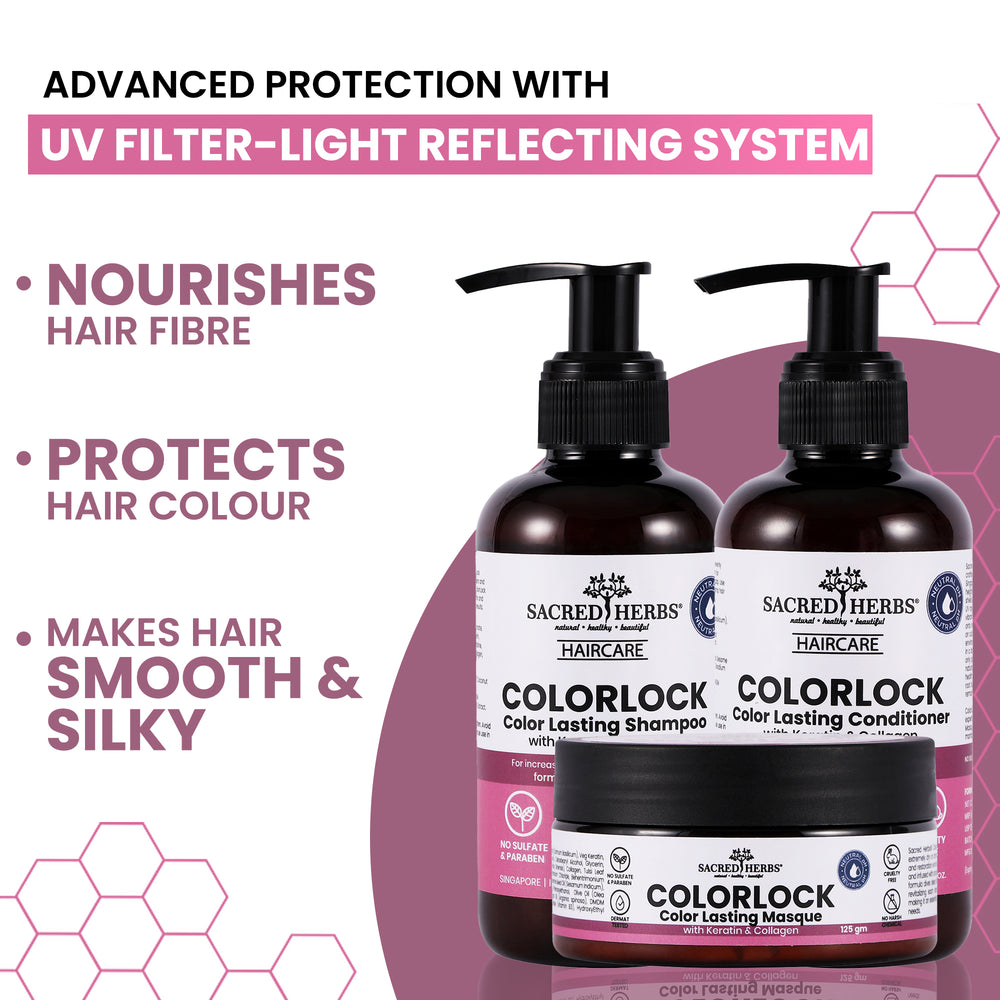
The Sacred Herbs hair care collection covers the cleansing and conditioning steps with gentle formulas. If you also color your hair, the Super Premium Pack includes sulphate-free shampoo and conditioner with the color.
Ingredients Worth Looking For
When comparing hair strengthening products, these ingredients have the strongest track record:
-
Hydrolysed keratin and plant proteins: May temporarily improve hair fibre feel, manageability and resistance to breakage, depending on the formulation
-
Panthenol: Improves moisture and flexibility
-
Amla and fenugreek: Traditional herbal strengtheners
-
Ceramides: Help seal the cuticle
-
Aloe vera: Hydrates without weighing hair down
Conclusion
Strong hair has less to do with miracle ingredients than with not believing the myths: balance protein with moisture, choose comfort over tingling, wash gently rather than rarely, and treat your hair color as part of your strengthening routine rather than a separate decision.
Frequently Asked Questions
What are the best hair strengthening products?
A sulphate-free shampoo, a good conditioner, a weekly strengthening treatment, and a leave-in protector together do more than any single product.
How do I know if I'm using too much protein?
If your hair feels unusually stiff, coated, or difficult to manage after using a treatment, review how often you use it and whether the formula suits your hair. These symptoms do not necessarily indicate protein overload.
Can hair strengthening products stop breakage?
They can significantly reduce breakage by reinforcing the strand and reducing friction, especially when combined with gentle handling.
How long until I see stronger hair?
Conditioning products may improve softness and manageability after the first few uses. Changes in breakage depend on the condition of your hair, products used, and styling habits. Most people notice less breakage within four to six weeks of consistent use.
Does biotin make hair stronger?
Biotin helps mainly if you're deficient. For most people, a balanced diet and a good topical routine matter more.
Is it safe to color hair while using strengthening products?
Hair colouring and conditioning products can generally be part of the same routine, but compatibility depends on the formulas and application instructions. Choose a pH-neutral color, wash with sulphate-free shampoo, and avoid oil for a week after coloring.