




Hair Serum for Frizzy Hair


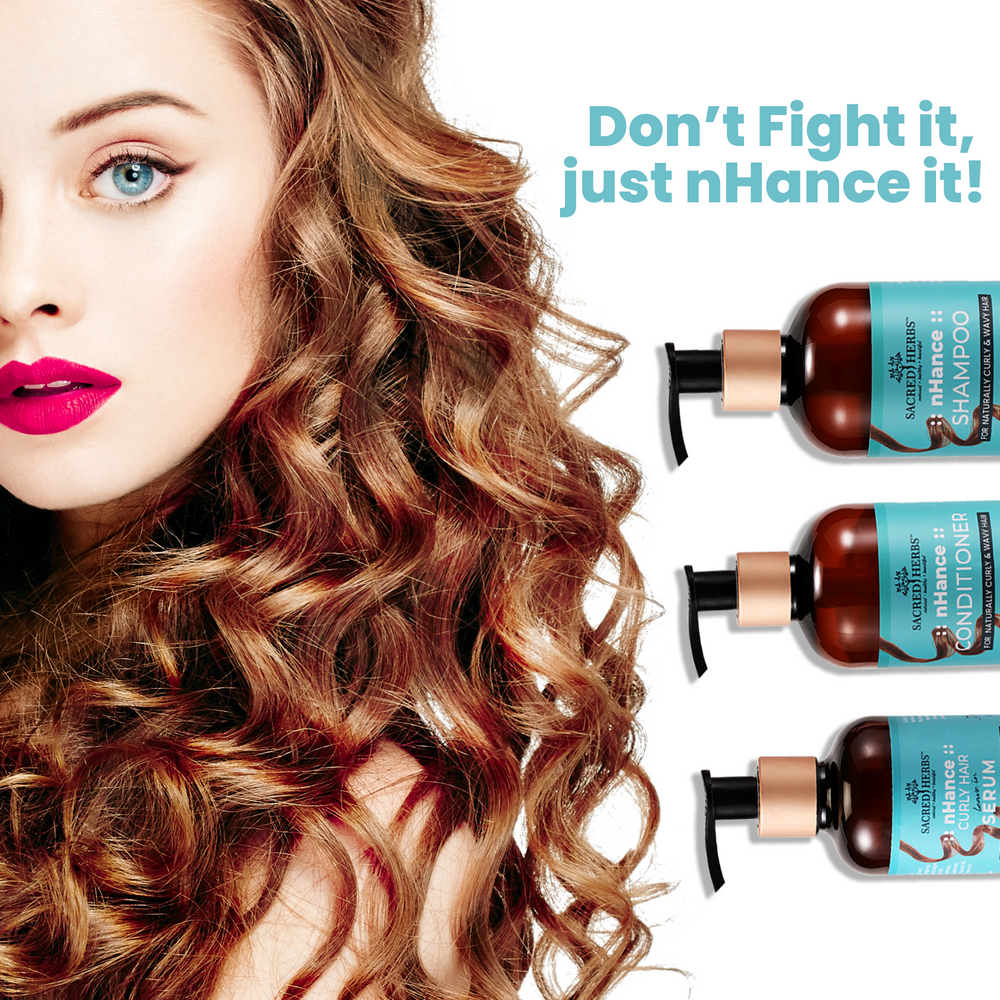
Hair Serum for Frizzy Hair: Answers to the Questions Everyone Asks
"A few drops of serum will make my hair greasy." Many people with frizzy hair avoid serum... Read More
Hair Serum for Frizzy Hair: Answers to the Questions Everyone Asks
"A few drops of serum will make my hair greasy." Many people with frizzy hair avoid serum altogether because of this belief, or they tried one once, used too much, and decided it wasn't for them.
Used correctly, a hair serum for frizzy hair is one of the quickest ways to get smooth, shiny hair, often in under a minute. The trick is knowing what serum actually does, which type to choose, and exactly how much to use.
This article answers the questions people ask most about hair serum, so you can get the smoothing benefits without the greasy downside.
What Is a Hair Serum, Exactly?
A hair serum is a lightweight leave-in product that coats the surface of the hair. Most serums contain silicones, light oils, or a blend of both. They form a thin, smooth layer over the cuticle that:
-
Flattens raised cuticle scales
-
Reflects light for shine
-
Reduces friction between strands
-
Slows down moisture from humid air getting into the hair, which reduces frizz
Unlike a mask or deep conditioner, serum works mostly on the surface. It doesn't repair the hair inside, but it changes how your hair looks and feels straight away.
How Is Serum Different From Hair Oil?
This is one of the most common points of confusion.
-
Serum: Usually lighter, often silicone-based, designed to smooth and shine the surface. It works as a finishing product.
-
Hair oil: Plant-based oils like coconut, argan, or almond. Some can absorb into the hair, and they're often used as pre-wash treatments as well as finishing products.
Many modern serums blend both. If you want instant smoothing and frizz control, a serum is usually the better choice. If you want nourishment, oil has an edge. Many people use both: oil before washing and serum after.
Are Silicones in Serum Bad for Hair?
Silicones have a mixed reputation, but they aren't harmful in themselves. They're one of the most effective ingredients for frizz because they create a smooth, humidity-resistant coating.
The concern is buildup. Heavy silicones used every day without proper cleansing can make hair feel coated, flat, or dull over time.
To get the benefits without the downside:
-
Use only a small amount
-
Choose lighter silicones, often listed as cyclomethicone or similar volatile silicones that evaporate
-
Wash two to three times a week with a gentle shampoo
-
Use a mild clarifying wash every couple of weeks if you use serum daily
Should I Apply Serum to Wet or Dry Hair?
Both work, but for different purposes.
On damp hair
-
Helps smooth hair as it dries
-
Makes detangling easier
-
Offers some protection during blow-drying
On dry hair
-
Tames flyaways and frizz instantly
-
Adds shine as a finishing touch
-
Good for midday touch-ups
Many people use a small amount on damp hair after washing and a tiny extra amount on dry hair to finish.
How Much Serum Should I Use?
Too much serum is the main cause of greasy hair. Use this guide:
-
Short hair (above chin): One to two drops
-
Shoulder-length hair: Two to three drops
-
Long hair (below shoulders): Three to four drops
-
Very thick or curly hair: Four to five drops
Start with less. You can always add more, but removing excess means washing your hair again.
How Do I Apply Serum Without Making Hair Flat?
-
Dispense into your palm. Never apply serum directly onto your head.
-
Rub your palms together to spread a thin layer.
-
Start at the ends, where frizz and dryness are usually worst.
-
Work upwards to the mid-lengths, stopping well below the roots.
-
Smooth over the top layer with whatever remains on your hands to catch flyaways.
-
Comb through with a wide-tooth comb for even coverage.
Keeping serum away from the roots is the single most important step for avoiding flat, greasy hair.
What Should I Look for in a Hair Serum for Frizzy Hair?
-
Light, non-greasy texture that absorbs quickly
-
Smoothing agents such as light silicones or plant oils like argan
-
Heat protection, if you style with hot tools
-
Vitamin E for added nourishment
-
Herbal extracts, such as amla or hibiscus, for extra conditioning
-
Light fragrance that won't irritate the scalp
Can Serum Help With Frizz Caused by Hair Color?
It can help with the symptoms. Ammonia-based dyes open the cuticle with every session, so colored hair often becomes more porous and frizz-prone over time. Serum smooths that surface, but a gentler color reduces frizz at the source.
Sacred Herbs is India's first pH-neutral hair color, made with pHneutra technology and powered by 20+ herbal extracts. It contains no PPD, no ammonia, no bleach, and no resorcinol, and it is dermatologically tested. NanoAlgaPigment technology delivers 100% grey coverage, and the color lasts up to 4 weeks. Explore the shades in the Sacred Herbs hair color collection.
Around coloring:
-
Leave the color on for 35 minutes in summer and 45 minutes in winter.
-
Wash with a sulphate-free shampoo afterwards.
-
Avoid oil-based serums and oils for at least one week after coloring.
-
Use Sacred Herbs Root Sure and Root Touch-up Powder between sessions.
The Super Premium Pack includes a sulphate-free shampoo and conditioner, which keeps frizz-prone colored hair cleansed gently.
What Else Makes Serum Work Better?
Serum works best on hair that's already reasonably moisturised. If your hair is very dry underneath, a serum can only do so much. Support it with:
-
A gentle, sulphate-free shampoo
-
Conditioner after every wash
-
A weekly deep conditioning mask
-
A leave-in conditioner under your serum
-
A silk or satin pillowcase to reduce overnight frizz
For gentle cleansing and conditioning products, browse the Sacred Herbs hair care collection.
Conclusion
When it comes to hair serum for frizzy hair, less really is more. A few drops, warmed between your palms, applied from the ends upward and kept well away from the roots, will give you smoother, shinier hair without the greasy finish. Support it with gentle cleansing and regular conditioning.
Frequently Asked Questions
What is the best hair serum for frizzy hair?
A lightweight serum with light silicones or argan oil, ideally with heat protection, works well for most frizzy hair.
Can I use hair serum every day?
Yes, in small amounts. Wash regularly with a gentle shampoo to prevent buildup.
Does hair serum cause hair fall?
No. Serum works on the hair lengths, not the follicle. Keep it off the scalp to avoid buildup.
Can I apply serum to my scalp?
Frizz serums are meant for the lengths and ends, not the scalp.
Is serum better than oil for frizz?
Serum usually gives faster, stronger frizz control, while oil offers more nourishment. Many people use both.
Can I use serum after coloring?
Yes, but avoid oil-based serums for at least one week after coloring.