


Hair Masque for Damaged Hair


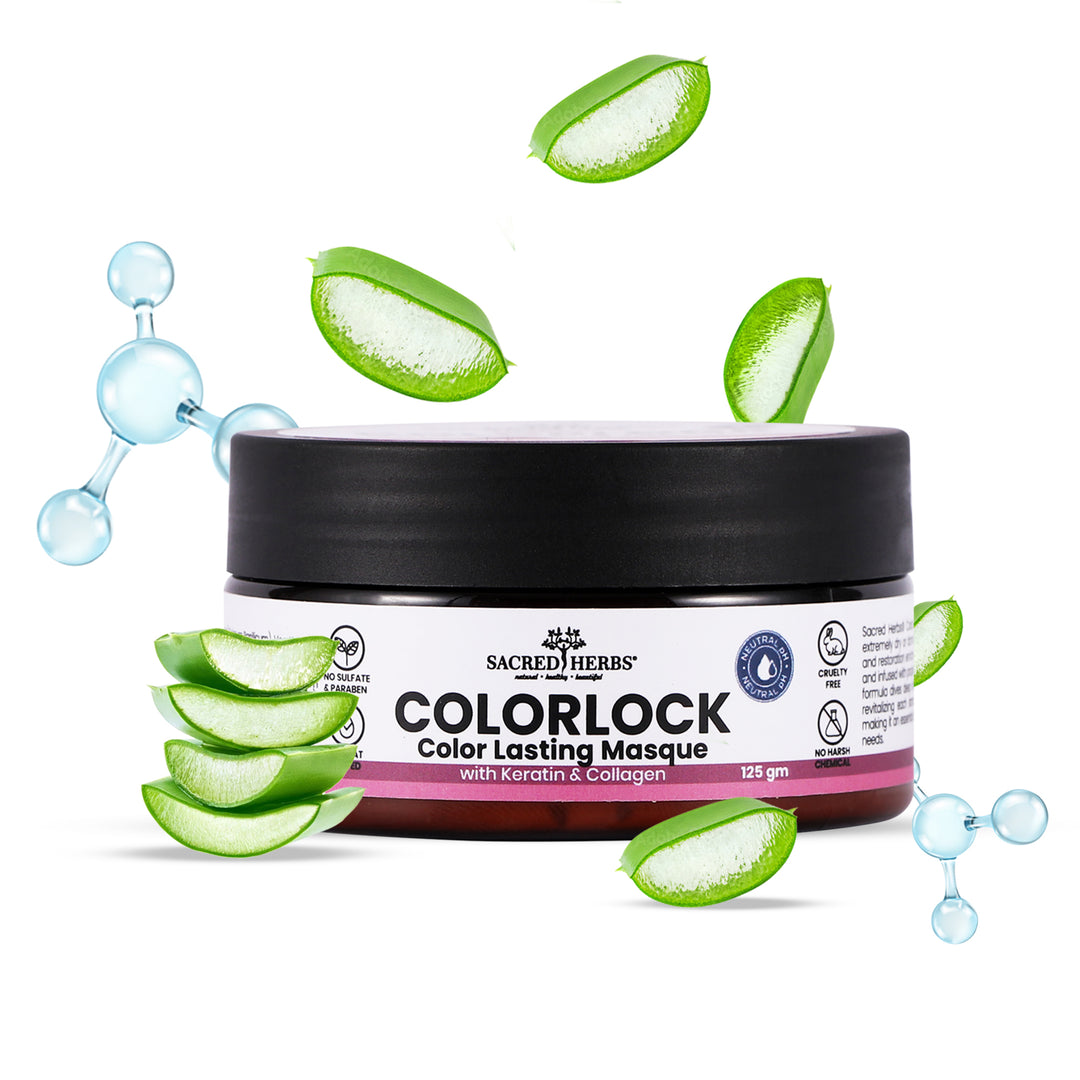
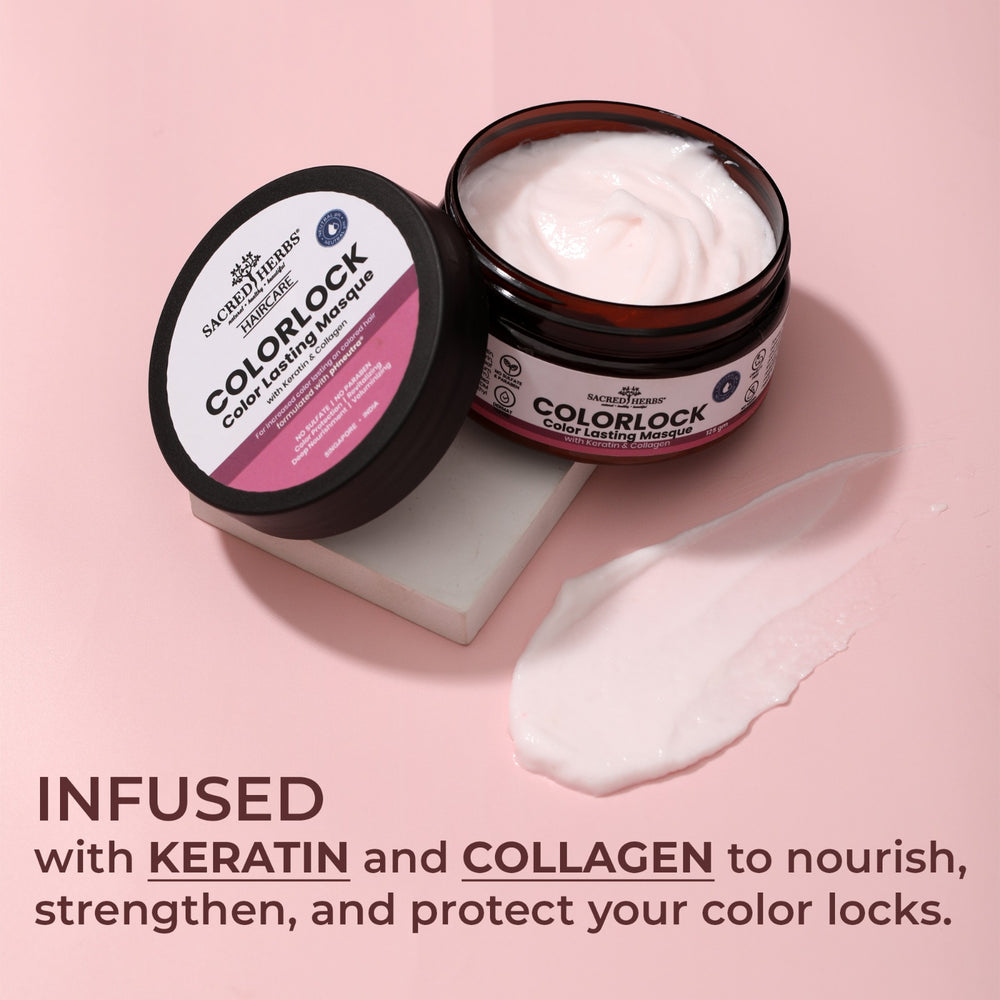
Hair Masque for Damaged Hair: The Weekly Treatment Your Hair Actually Needs
There is a difference between a conditioner and a hair masque, and that difference is substantial... Read More
Hair Masque for Damaged Hair: The Weekly Treatment Your Hair Actually Needs
There is a difference between a conditioner and a hair masque, and that difference is substantial enough that using one when you need the other produces noticeably different results. A significant number of people with genuinely damaged hair in India are relying on rinse-out conditioner alone, wondering why their hair continues to break, stay dry, and resist all attempts at improvement.
This article is specifically about hair masks for damaged hair in India: what they are, how they work differently from conditioners, which ingredients to look for, how to use them correctly, and how to build them into a complete hair restoration routine that actually produces results over time.
Conditioner Versus Hair Masque: A Distinction That Matters
Rinse-out conditioner is designed for use after every wash. It deposits a thin layer of conditioning agents on the hair surface, smooths the cuticle, improves detangling, and provides a short-term improvement in the hair's feel and appearance. It is a maintenance product.
Hair masque is designed for deeper, less frequent treatment. It contains higher concentrations of conditioning and restorative ingredients, often with added proteins, intensive humectants, or botanical actives that penetrate more deeply into the hair shaft. It is a treatment product, not a maintenance one.
For damaged hair that is already compromised at the structural level, a rinse-out conditioner addresses the surface but does not reach the deeper problems. A hair masque, used consistently once a week, works at a level that conditioner alone cannot.
The Science Behind Why Damaged Hair Responds to Masque Treatment
Damaged hair is characterized by:
-
A raised, incomplete cuticle that cannot seal properly
-
High porosity, meaning moisture enters and exits the hair fibre rapidly
-
Reduced protein content in the cortex, leading to weakness and breakage
-
Loss of natural lipids that contribute to smoothness and flexibility
A well-formulated hair masque addresses multiple points of this profile simultaneously.
High-concentration humectants draw significant moisture into the hair fibre and support its retention over several days after application.
Hydrolyzed proteins are protein fragments small enough to penetrate the hair shaft and temporarily fill the gaps left by protein loss. This reduces porosity and improves strength.
Emollient oils and butters smooth the cuticle surface and replace some of the lipid loss associated with chemical or heat damage.
Botanical actives such as amla, hibiscus, bhringraj, and aloe vera work synergistically to support the scalp environment and the hair fibre condition simultaneously.
One weekly masque session, applied correctly and consistently, produces compounding improvements in hair condition over four to six weeks that no daily conditioner routine can replicate.
Key Ingredients to Look for in a Hair Masque for Damaged Hair in India
For Protein Restoration
-
Hydrolyzed wheat protein or rice protein: small molecular weight allows penetration into the hair shaft
-
Egg-derived hydrolyzed protein: traditional in Indian hair care for strengthening purposes
-
Silk amino acids: add strength and smoothness to damaged strands
For Moisture Recovery
-
Aloe vera gel: humectant and cuticle-soothing properties
-
Honey or honey extract: natural humectant with antimicrobial scalp benefits
-
Glycerin: draws moisture from the environment and retains it in the hair fiber
-
Panthenol (Provitamin B5): penetrates the cortex and binds moisture internally
For Cuticle Smoothing and Lipid Replacement
-
Coconut oil: one of the few oils with documented evidence of penetrating the hair shaft
-
Argan oil: rich in vitamin E and fatty acids that support cuticle health
-
Amla oil or amla extract: a traditional Ayurvedic ingredient for hair nourishment
-
Shea butter: an emollient that smooths the cuticle surface and improves flexibility in dry, brittle hair
For Scalp Support
-
Bhringraj (Eclipta alba): traditionally used in Ayurvedic hair care for its scalp-associated properties
-
Neem extract: supports scalp health and may help manage product buildup
-
Hibiscus: traditional conditioning and scalp-soothing properties in Indian hair care
The Hair Care collection at Sacred Herbs includes botanically formulated treatment products designed to support damaged hair recovery through consistent weekly care.
How to Apply a Hair Masque for Maximum Results
Most of the benefits people miss from their hair mask come from incorrect application technique. Follow this process:
Before the masque: Apply a warm oil pre-treatment to the scalp and hair the night before masque day. This prepares the cuticle and helps the masque ingredients penetrate more effectively.
On masque day:
-
Shampoo hair once with a gentle, sulfate-free shampoo
-
Squeeze out excess water, but do not towel dry fully. Damp hair is the ideal starting point for masque application.
-
Divide hair into four sections for thorough coverage
-
Apply masque generously from mid-lengths to ends. For severely damaged hair, a small amount can be applied closer to the roots as well.
-
Cover with a shower cap to trap warmth, which enhances ingredient penetration significantly
-
Leave on for a minimum of 20 minutes. For severely damaged hair, 30 to 45 minutes is appropriate.
-
Rinse with cool water. A cool rinse closes the cuticle after the treatment, sealing in the moisture deposited by the masque.
After the masque: No additional rinse-out conditioner is necessary on masque days. A lightweight leave-in treatment or serum on damp hair before air drying supports the masque's work as the hair dries.
Building a Complete Damaged Hair Recovery Routine
A hair masque is most effective as part of a complete weekly routine rather than a standalone treatment. Here is what a full week of damaged hair care looks like:
-
2 to 3 times per week: Sulfate-free shampoo followed by rinse-out conditioner
-
Once a week: Pre-wash oil treatment followed by sulfate-free shampoo and deep hair masque
-
Daily: Avoid heat styling. Use a wide-tooth comb only. Apply a light serum or oil to ends if they feel dry.
Alongside this routine, avoiding tight hairstyles that pull on already-weakened strands, sleeping on a silk or satin pillowcase to reduce friction overnight, and protecting hair from direct sun exposure with a scarf or hat all support the recovery process.
For those who also color their hair, choosing a botanical, ammonia-free formulation is essential for damaged hair. Using a harsh conventional dye on compromised hair while trying to restore it simultaneously is counterproductive. The Hair Color range at Sacred Herbs offers botanically formulated options designed for gentler coloring.
For a complete herbal hair care system designed to work as an integrated restorative routine, the Super Premium Pack from Sacred Herbs brings color, care, and treatment products together under one botanical philosophy.
Frequently Asked Questions
Q: How often should I use a hair masque on damaged hair in India?
Once a week is the standard recommendation. Very severely damaged hair may benefit from twice-weekly use during an intensive restoration period.
Q: Can I use a hair masque instead of conditioner every day?
Hair masks are formulated for weekly use. Using them daily can cause protein overload or buildup and is not recommended. Use a lighter rinse-out conditioner on non-masque wash days.
Q: How soon can I expect to see results from weekly mask use?
Most users notice improved softness and manageability within two to three weeks. More significant recovery from damage typically becomes visible after four to six weeks of consistent weekly use.
Q: Is it safe to leave a hair masque on for longer than the recommended time?
For moisture-only masks, leaving them on longer is generally safe. For protein-heavy masques, exceeding the recommended time can lead to hair feeling stiff or brittle. Follow product instructions.
Q: Can a hair masque help with breakage?
Yes. Regular masque use that includes hydrolyzed proteins and intensive conditioning ingredients reduces porosity and improves elasticity, both of which directly reduce breakage over time.
Q: Should I apply a hair masque to the scalp as well?
For most hair types, masques are best applied to the lengths and ends where damage is most concentrated. If the scalp is very dry, a small amount can be used close to the roots, but should be rinsed out thoroughly to prevent buildup.