Peptide complexesHair Growth Serum: What It Can Do, What It Cannot, and How to Use One Properly
Somewhere between miracle cure and marketing scam sits the truth about hair growth serums. The category has exploded across India in the past five years, filling online carts and bathroom shelves, generating equal volumes of devoted testimonials and frustrated one-star reviews. Both reactions usually trace back to the same root: mismatched expectations.
A hair growth serum is neither a cure nor a con. It is a specific tool with a specific job, and it performs that job well when three conditions are met: the right ingredients, the right underlying cause, and the right usage. This article covers all three honestly.
What a Hair Growth Serum Actually Is
A hair growth serum is a leave-on scalp treatment, typically water- or light-oil-based, that delivers concentrated active ingredients to the scalp and follicle environment. The leave-on format is the entire point: unlike a shampoo that contacts the scalp for minutes, a serum works for hours between applications, giving active ingredients sustained contact time.
That contact time is spent on three legitimate mechanisms:
Mechanism 1: Supporting scalp circulation. Follicles are fed by blood supply. Ingredients like rosemary extract and caffeine are associated with supporting microcirculation in the scalp skin, maintaining the delivery of nutrients that follicles depend on.
Mechanism 2: Calming the follicle environment. Chronic low-grade scalp inflammation, from dandruff, product buildup, pollution, or barrier damage, pushes follicles into premature shedding. Soothing botanicals like aloe vera and bhringraj support a calmer environment in which follicles complete their natural growth cycles.
Mechanism 3: Strengthening the emerging strand. Ingredients like hydrolyzed proteins and fenugreek-derived compounds condition the hair shaft at and above the scalp line, reducing the breakage that masquerades as poor growth.
Notice what is absent from this list: creating new follicles, reversing genetic miniaturization, or overriding hormonal signaling. Those sit beyond cosmetic serums, in the territory of clinical treatment.
The Ingredient Guide: What to Look For
The Evidence-Backed Tier
-
Rosemary extract: The standout botanical, following a 2015 published trial in which rosemary oil performed comparably to 2% minoxidil for androgenetic alopecia over six months, with less scalp itching reported.
-
Caffeine: Laboratory studies suggest it stimulates follicle activity and counters some effects of DHT, the hormone behind pattern thinning.
-
Peptide complexes (Redensyl, Anagain, Procapil): Supported primarily by manufacturer studies. Reasonable inclusions, best viewed as supporting rather than headline evidence.
The Traditional Tier
-
Bhringraj (Eclipta alba): Centuries of Ayurvedic standing for scalp nourishment, now a staple of Indian growth formulations
-
Amla: Tannin and antioxidant rich, traditionally linked to root strength and scalp health
-
Fenugreek (methi): Protein and lecithin content that conditions and strengthens strands
-
Onion and black seed: Small published studies plus strong traditional use for shedding concerns
The Base Check
The best actives fail in a bad base. Reject serums with high alcohol content near the top of the ingredient list, heavy silicones that occlude a scalp product, or aggressive fragrance loads on the reactive scalp skin the serum is meant to calm.
How to Use a Hair Growth Serum Correctly
Application errors quietly sabotage more serum trials than bad formulations do.
The correct method:
-
Start with a clean or reasonably clean scalp. Serums applied over heavy buildup sit on the buildup, not the skin.
-
Part the hair in sections and apply the serum directly to the scalp, not the hair lengths.
-
Massage it with fingertips for two to three minutes. The massage itself supports circulation and is part of the treatment, not an optional extra.
-
Do not rinse. Leave-on means leave on.
-
Apply at the frequency directed, typically once daily or after every wash. Consistency is the active ingredient nobody lists.
The timeline to hold yourself to:
-
Weeks 1 to 4: Scalp feel improves; shedding may begin settling
-
Weeks 5 to 8: Reduced daily fall becomes noticeable for responders
-
Weeks 9 to 12: Fine new growth at the hairline and improved density become assessable
-
Week 12: The honest decision point. Visible progress means continue. Nothing means this product, or a serum at all, is not the answer for your cause.
The Foundation a Serum Cannot Replace
A serum is the top layer of a system. Beneath it must sit:
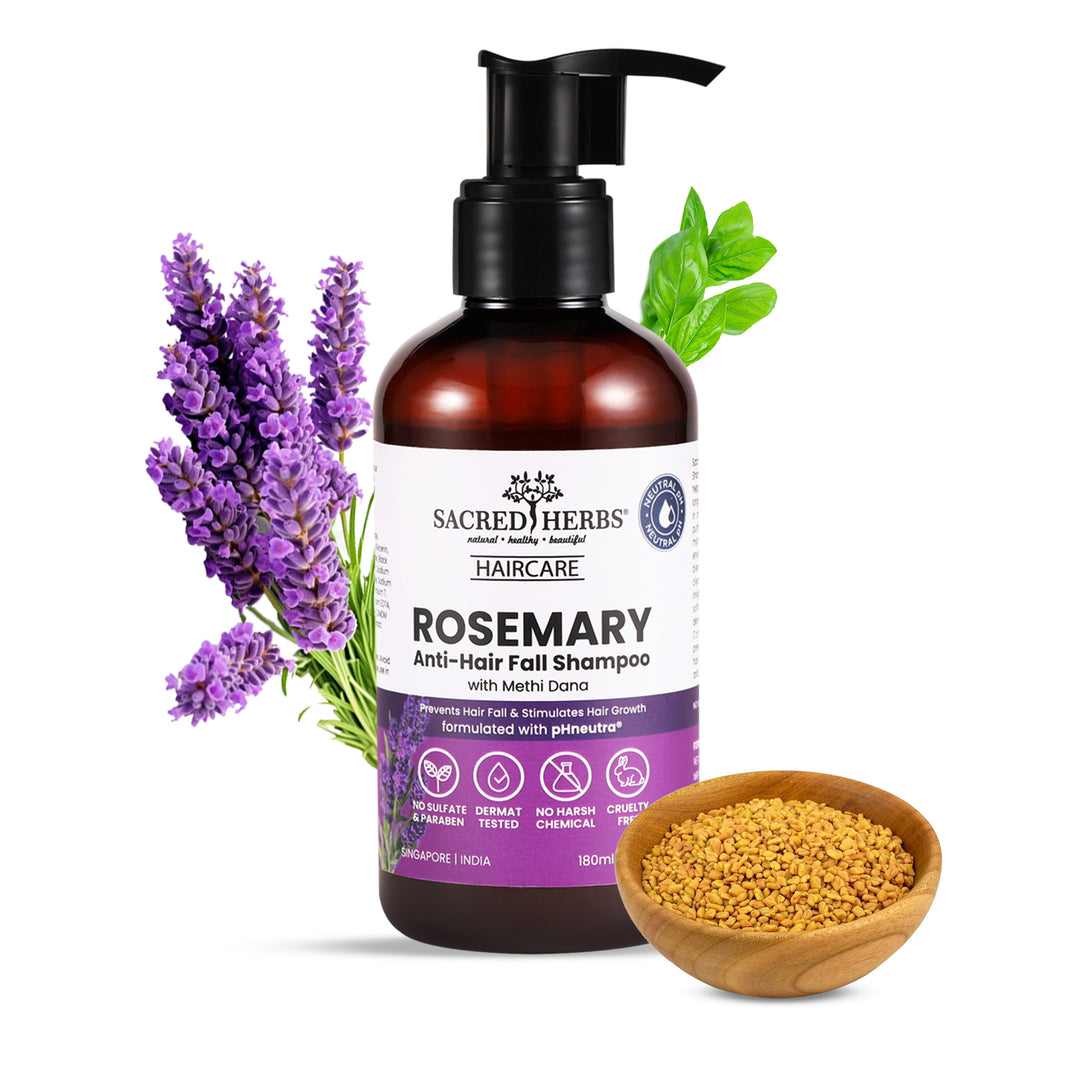
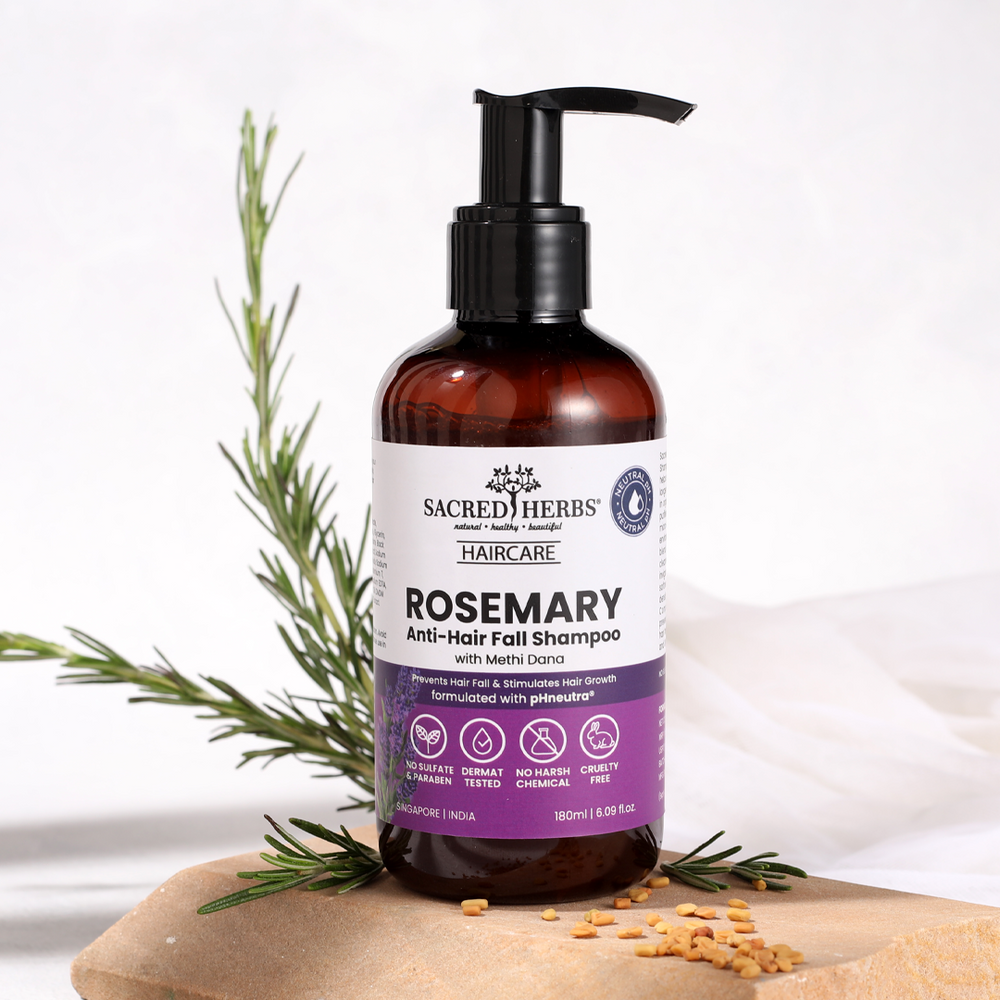
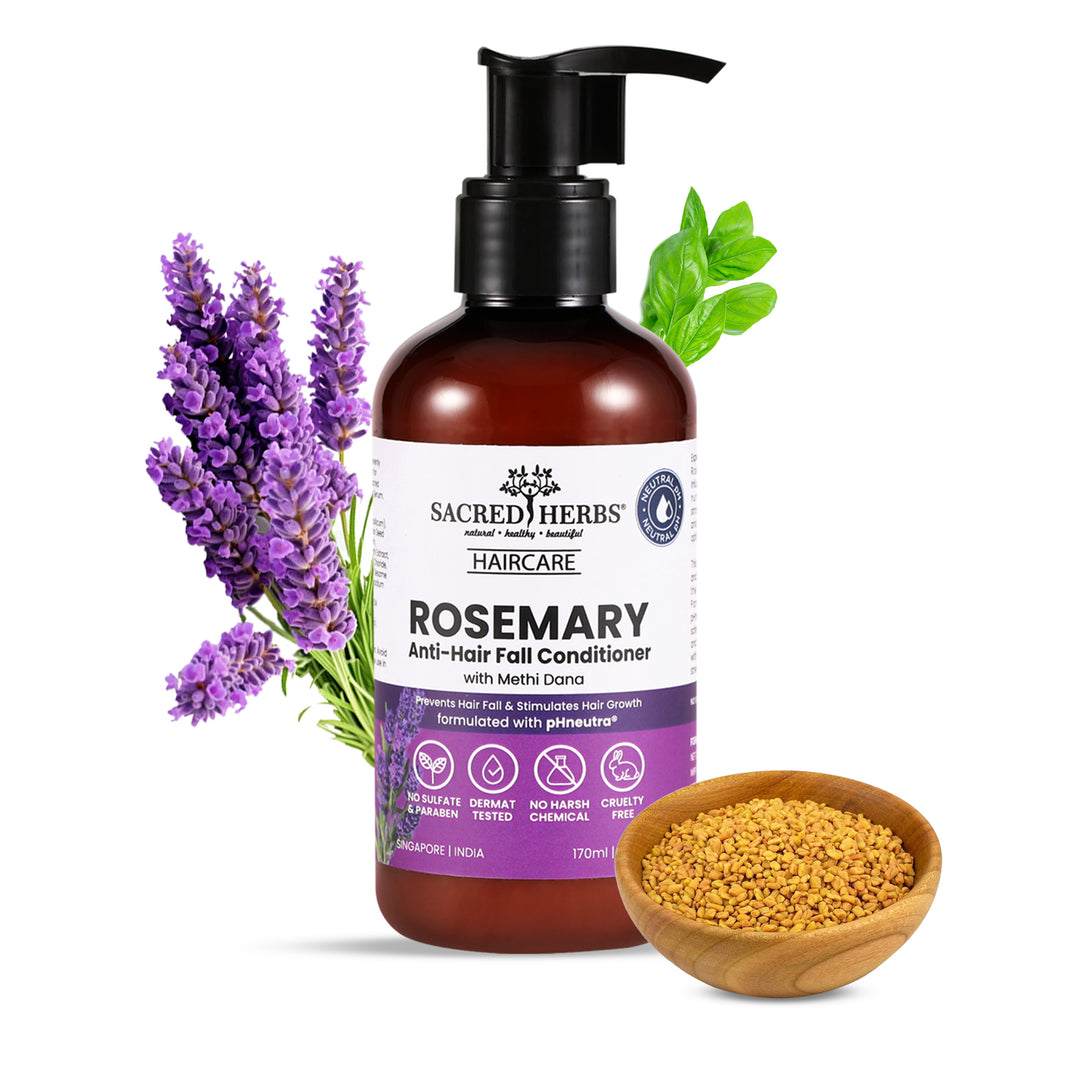
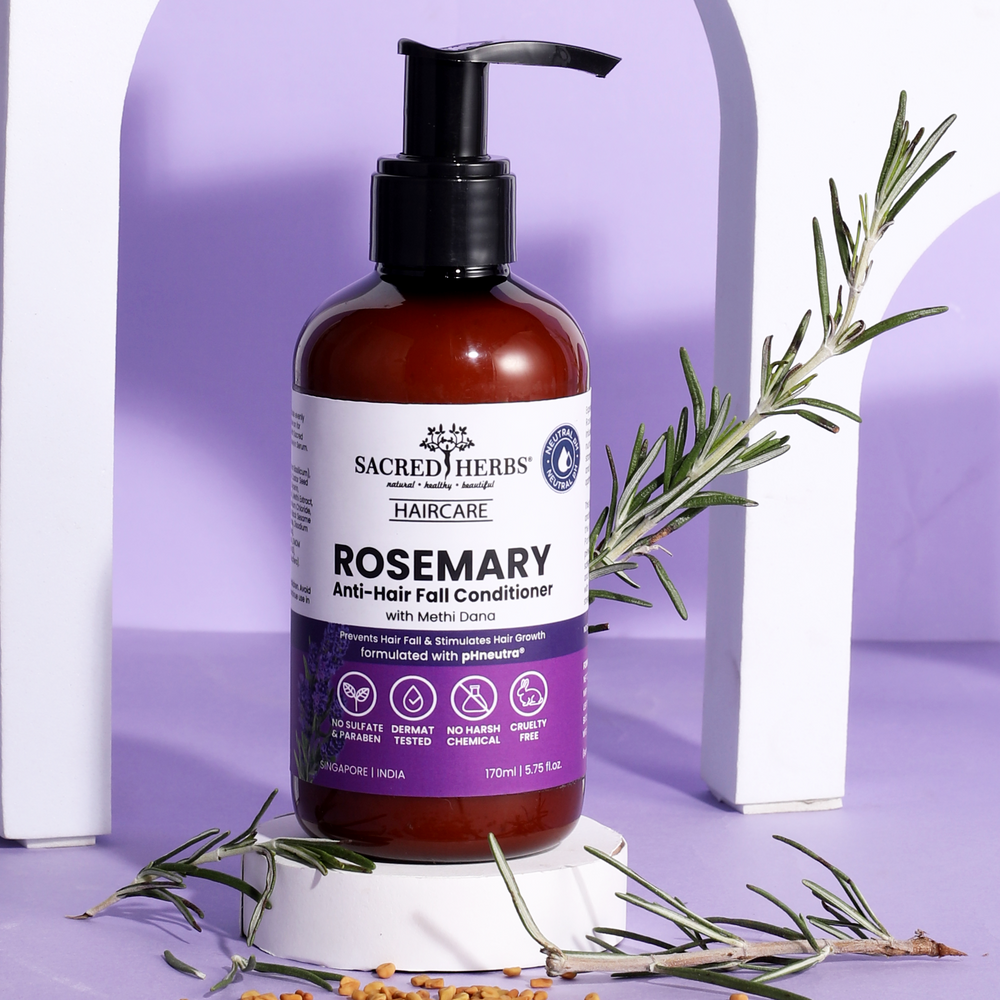
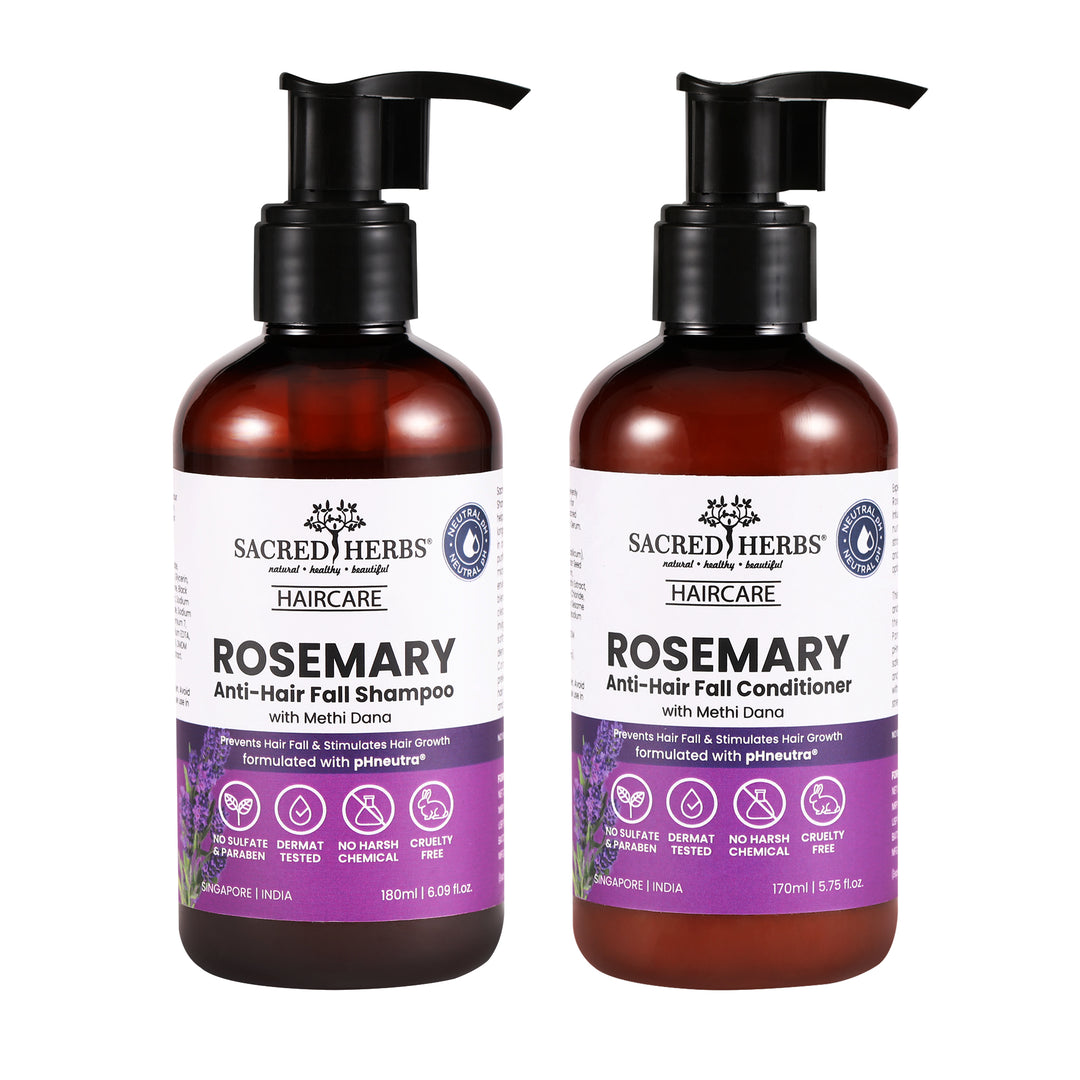
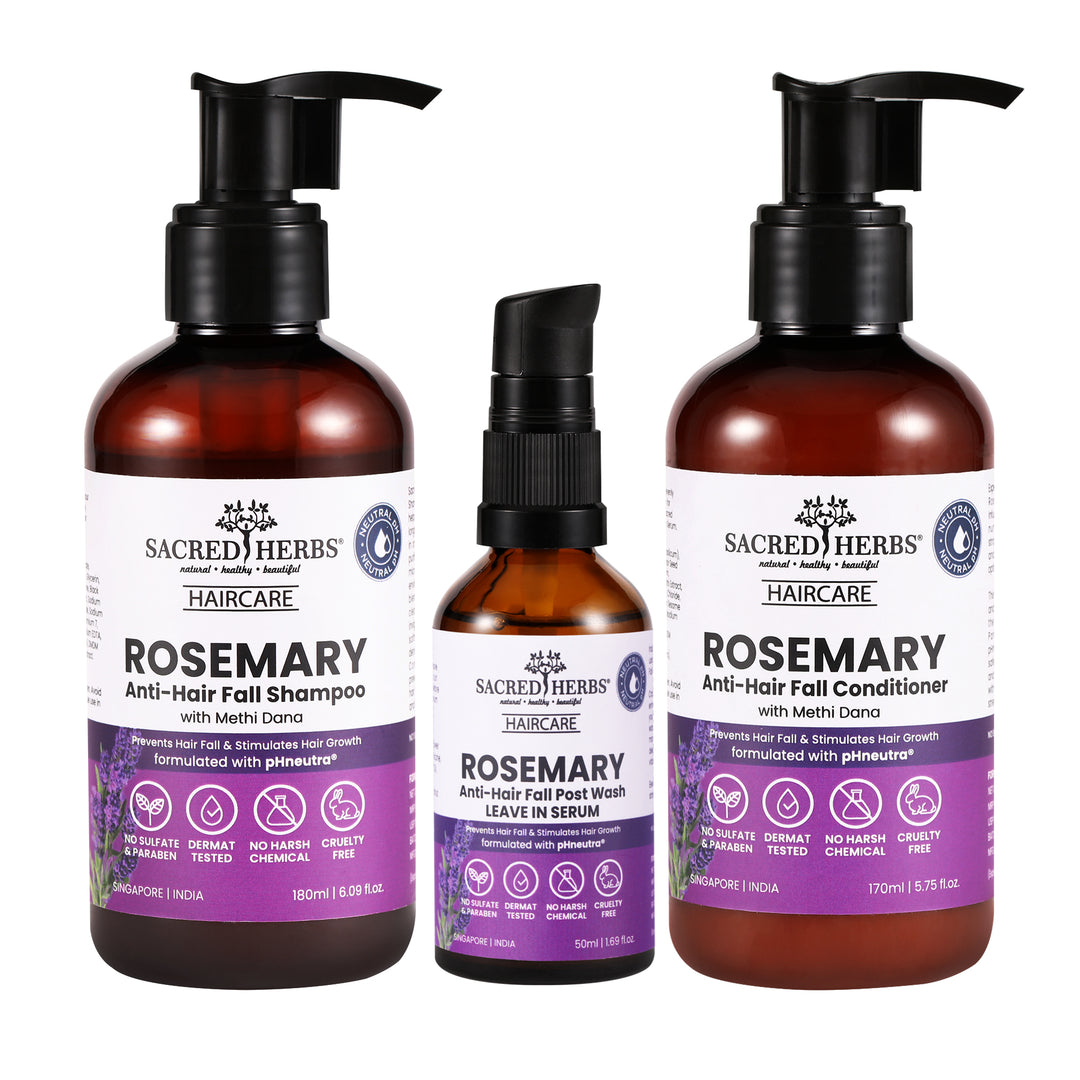
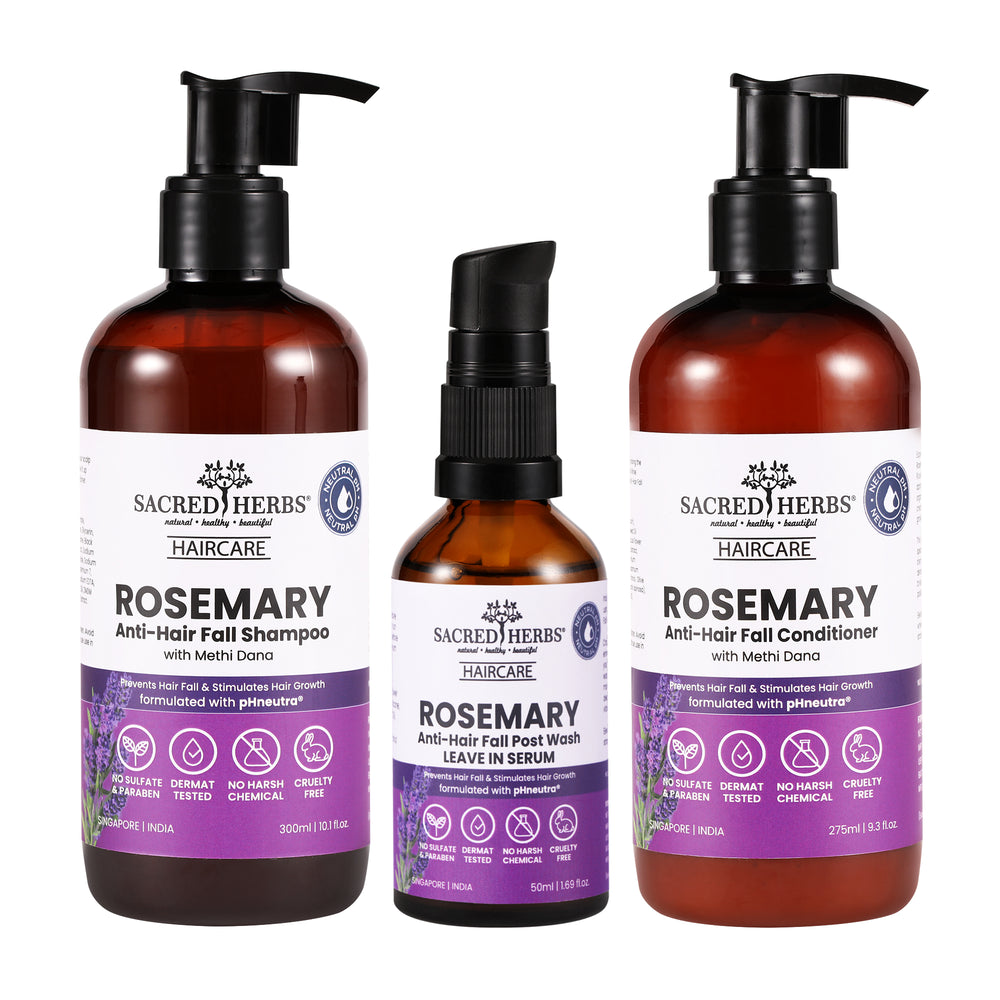
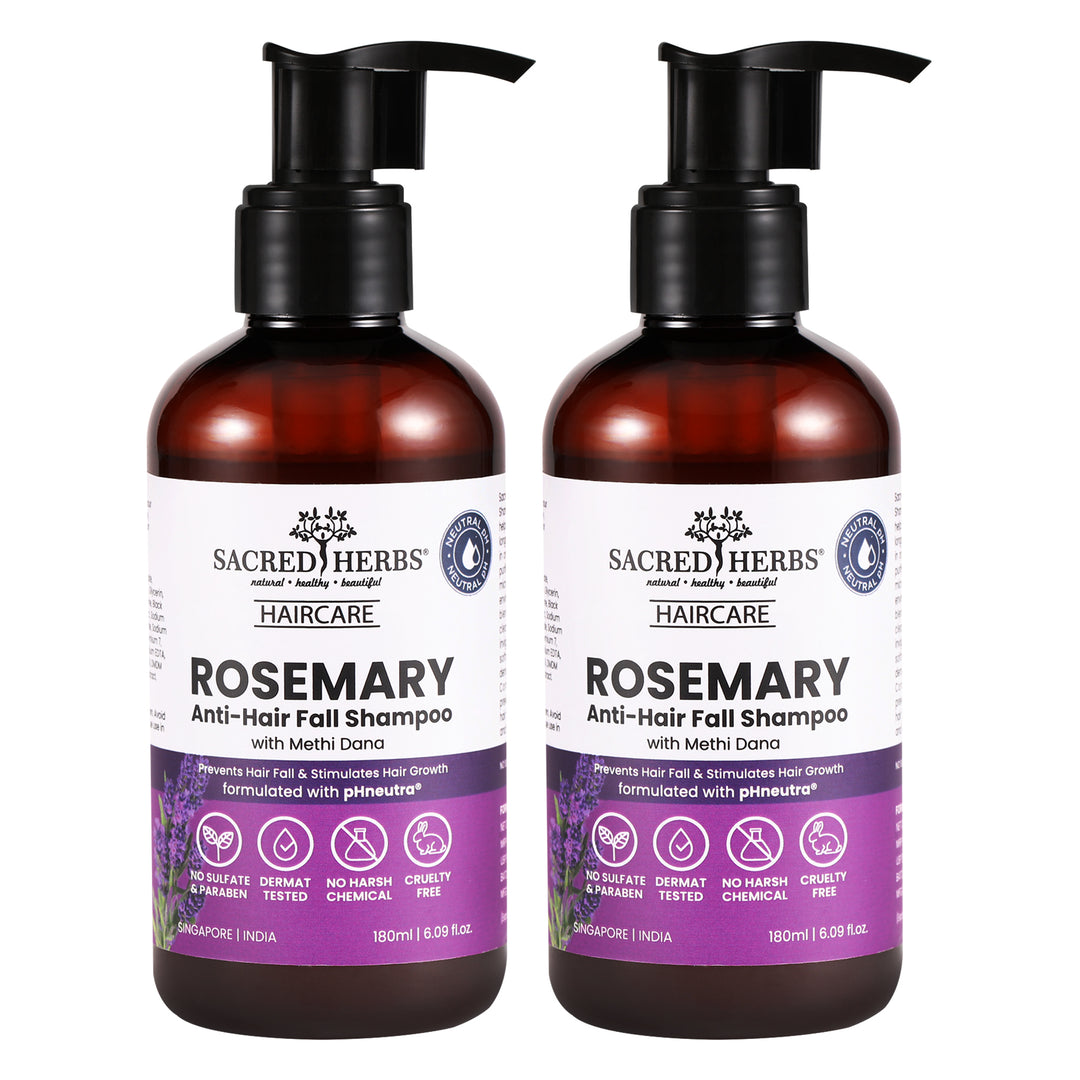
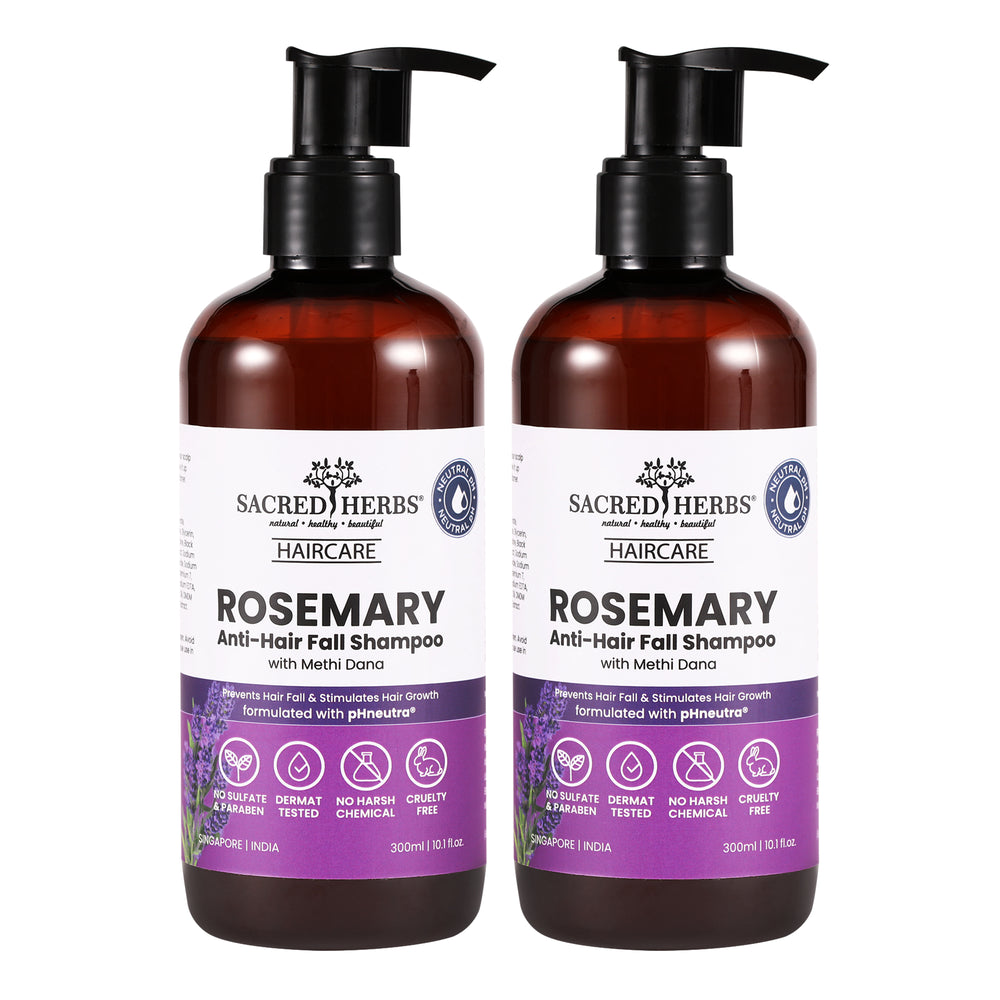
A gentle wash routine. Sulfate-heavy shampoos strip and inflame the scalp three times a week, undoing daily serum work. A sulfate-free botanical wash preserves the environment the serum is building. The Hair Care collection at Sacred Herbs provides exactly this foundation layer.
Nutritional adequacy. Hair is protein built with iron, zinc, and B vitamins. No topical can overcome a deficiency.
Mechanical gentleness. Wide-tooth combs, loose styles, no wet-hair rough handling.
Chemical stress management. Repeated ammonia-based hair coloring stresses both shaft and scalp edge. For those covering grey while pursuing growth goals, botanical ammonia-free formulations from the Hair Color range at Sacred Herbs remove a recurring chemical setback from the equation.
For the whole foundation gathered under one botanical philosophy, the Super Premium Pack from Sacred Herbs coordinates the wash, treatment, and color layers a serious growth effort stands on. Sacred Herbs formulates around the traditional Indian botanicals, bhringraj, amla, and their companions, that Indian scalp care has trusted for generations.
When a Serum Is the Wrong Tool
Skip the serum aisle and see a dermatologist first if:
-
Hair is falling in distinct patches rather than diffusely
-
The parting has widened noticeably within months
-
Shedding is accompanied by fatigue, weight changes, or menstrual irregularities
-
There is significant family history of early pattern baldness and thinning is progressing
-
The scalp shows persistent pain, pustules, or scarring
These presentations have medical causes with effective medical treatments, and months spent on cosmetic serums are months of progression lost.
Frequently Asked Questions
Q: Do hair growth serums actually work?
For breakage-related and scalp-condition-related hair concerns, well-formulated serums used consistently for twelve weeks produce meaningful improvement for many users. They do not treat medical or genetic hair loss.
Q: Can I use a hair growth serum every day?
Most are designed for daily use. Follow the specific product's directions and watch for any irritation in the first two weeks.
Q: Should the serum be applied to wet or dry scalp?
Either works for most formulations; damp scalp after washing is a convenient anchor habit. The scalp, not the hair, is the target.
Q: Can men and women use the same growth serum?
Generally yes. The scalp mechanisms are shared; marketing segmentation is mostly positioning.
Q: Will results disappear if I stop using the serum?
Benefits tied to scalp condition gradually fade if the underlying routine lapses, since the scalp returns to its prior environment.
Q: Can I use a serum alongside minoxidil or prescription treatment?
Often yes, but confirm with the prescribing dermatologist to avoid interaction or irritation overlap.