


Hair Fall Shampoo for Women

Hair Fall Shampoo for Women: The Complete Guide to Choosing, Using, and Actually Getting Results
Hair fall is one of the most emotionally distressing... Read More
Hair Fall Shampoo for Women: The Complete Guide to Choosing, Using, and Actually Getting Results
Hair fall is one of the most emotionally distressing experiences a woman can go through. Unlike a bad haircut, which grows back on a visible timeline, hair fall feels unpredictable, difficult to control, and deeply personal. The mirror shows you less. The brush collects more. The shower drain becomes a source of quiet dread.
The hair care industry knows this, which is why "hair fall shampoo for women" is one of the most crowded product categories in the market. Dozens of brands compete for the same shelf space, each promising to stop shedding, restore density, and return your hair to the thickness it had at twenty-two. Some of those promises are real. Most are not.
This guide does something different. It explains what hair fall actually is in women specifically, what a shampoo can genuinely do about it, what ingredients to look for and why they work, how to use the product correctly for maximum effect, and what to combine it with for results that go beyond what a shampoo alone can achieve.
Why Hair Fall in Women Is Different from Hair Fall in Men
Hair fall is frequently discussed as a single, uniform condition. It is not. The causes, patterns, triggers, and appropriate treatments for hair fall in women are meaningfully different from those in men, and a shampoo formulated for women's hair fall should reflect that.
Hormonal fluctuations are the most significant driver of hair fall in women. Unlike men, whose hormonal profile is relatively stable after puberty, women experience major hormonal shifts at multiple life stages: puberty, monthly menstrual cycles, pregnancy, postpartum, perimenopause, and menopause. Each of these transitions can trigger significant hair shedding.
Postpartum hair fall is particularly dramatic. During pregnancy, elevated oestrogen levels keep hair in the anagen (growth) phase longer than usual, meaning less hair sheds. After delivery, oestrogen drops rapidly, and all the hair that was retained during pregnancy enters the telogen (resting) phase simultaneously. This synchronised shedding, which can produce alarming amounts of hair fall three to six months postpartum, is called telogen effluvium. It is temporary, but it can last six to twelve months and cause significant anxiety.
Nutritional deficiency affects women at higher rates than men. Iron deficiency, which is closely associated with hair fall, is significantly more common in women due to menstruation. Low ferritin (stored iron) is one of the most under-diagnosed causes of hair fall in women. B12, folate, zinc, and biotin deficiencies also contribute. A shampoo that supports follicle health externally is valuable, but these deficiencies require internal treatment.
Androgenetic alopecia in women presents differently than in men. Male pattern baldness produces a specific receding hairline and crown thinning. Female pattern hair loss typically manifests as diffuse thinning across the crown and top of the scalp, with the hairline usually preserved. It affects a significant proportion of women, particularly after menopause when oestrogen levels decline, and testosterone's relative influence on the follicle increases.
Styling and mechanical damage. Women are more likely than men to use heat styling tools (blow dryers, flat irons, curling wands), chemical treatments (colour, bleach, keratin treatments, perms), and hairstyles that exert tension on the follicle (tight ponytails, braids, extensions). These mechanical and thermal causes of hair fall are entirely different from hormonal or nutritional causes and respond to different interventions.
Understanding which category or combination of categories is driving your specific hair fall helps you choose the right shampoo and combine it with the right supporting treatments.
What a Hair Fall Shampoo for Women Can Actually Do
Before going into ingredients and recommendations, it is important to be clear about what a shampoo realistically achieves.
A shampoo is a rinse-off product. It sits on your scalp for two to five minutes during washing, then is removed. This limits how deeply actives can penetrate and how long they remain in contact with the follicle.
What a good hair fall shampoo for women genuinely does:
-
Cleanses the scalp thoroughly, removing sebum, product build-up, and environmental pollutants that can clog follicles and create an inflammatory environment
-
Delivers scalp-active ingredients (rosemary extract, caffeine, biotin, saw palmetto) in a vehicle that allows some transient absorption during contact time
-
Reduces scalp inflammation, which is a contributing factor in multiple types of hair fall
-
Strengthens the hair shaft, reducing breakage (which contributes to the perception of hair fall even when actual shedding is not elevated)
-
Creates a clean, healthy scalp environment that supports the effectiveness of leave-in treatments
What a shampoo alone cannot do: reverse androgenetic alopecia, replace lost nutrients, address hormonal causes, or regenerate follicles that have permanently closed.
This is not a reason to dismiss shampoo as a tool. It is a reason to use the right shampoo, use it correctly, and combine it with appropriate supporting interventions.
The Ingredients That Make Hair Fall Shampoo for Women Work
Rosemary Extract (Rosmarinus officinalis)
Rosemary is the most evidence-backed botanical ingredient for hair fall. A clinical study published in Skinmed compared rosemary oil to 2% minoxidil over six months. Hair count improvement was virtually identical between the two groups. Rosemary works by improving scalp microcirculation (increasing blood flow to the follicle), exerting mild DHT-blocking activity, and reducing scalp inflammation. For women, the anti-inflammatory and circulation-improving properties are particularly relevant.
Methi Dana (Fenugreek Seed)
Fenugreek is rich in lecithin, which strengthens and conditions the hair shaft from within. Its active compound diosgenin has oestrogen-like activity, which is particularly relevant for women experiencing hair fall associated with hormonal decline. It also contains nicotinic acid and folic acid, both of which support follicle metabolism.
Biotin (Vitamin B7)
Biotin is essential for keratin production. Its topical benefit in shampoo is more limited than oral supplementation, but shampoos formulated with biotin create a beneficial environment at the follicle level during contact time. Biotin deficiency is more common in women who are pregnant, breastfeeding, or eating restrictively.
Caffeine
Caffeine has been shown in research (notably by Fischer and colleagues at the University of Jena) to counteract the effect of testosterone/DHT on hair follicles in vitro. When applied topically, caffeine penetrates the scalp rapidly (faster than most other active ingredients) and stimulates follicle metabolism. Laboratory and early research suggests that caffeine may influence hair follicle activity and the hair growth cycle, although clinical evidence for caffeine shampoos is still developing.
Saw Palmetto Extract
Saw palmetto is studied for its potential 5-alpha-reductase-inhibiting activity, which is why it is commonly included in hair-support formulations. Evidence for its effectiveness in rinse-off shampoos remains limited.
Bhringraj (Eclipta prostrata)
An Ayurvedic herb with documented activity in promoting hair growth. Bhringraj extract has been shown to support the proliferation of hair matrix cells (the cells responsible for hair growth) and to extend the anagen phase. It is anti-inflammatory and rich in phytonutrients that support scalp health.
Niacinamide (Vitamin B3)
Niacinamide improves scalp circulation, strengthens the skin barrier, and has anti-inflammatory properties. It also helps the scalp maintain adequate keratinocyte proliferation, which supports healthy follicle cycling.
How to Use Hair Fall Shampoo for Women Correctly
The majority of women who are disappointed with their hair fall shampoo are using it incorrectly. The following protocol maximises effectiveness:
Wet the hair thoroughly before applying. Product applied to partially wet hair distributes unevenly. Saturate completely first.
Apply directly to the scalp, not the lengths. Hair fall actives work at the follicle. Applying shampoo to the lengths and hoping it trickles to the scalp delivers only a fraction of the active concentration to where it matters.
Use your fingertips, not your nails. Massage the shampoo into the scalp with circular motions using the pads of your fingertips. Firm but gentle. Two to three minutes of active massage improves microcirculation and increases contact time for actives.
Leave it on for three to five minutes. Set a timer. Most people rinse within 30 seconds of application.
Rinse with lukewarm water. Hot water strips the scalp's natural oils, increases inflammation, and can worsen hair fall. Lukewarm is sufficient to remove product while keeping the scalp barrier intact.
Condition only the mid-lengths and ends. Conditioner on the scalp creates build-up that interferes with next-wash absorption of hair fall actives.
Be consistent. Botanical actives require sustained use to produce visible results. Most women see noticeable improvement at eight to twelve weeks with consistent use. Do not switch products at the four-week mark.
The Importance of a Complete System
A hair fall shampoo for women works significantly better when it is part of a complete hair fall management system rather than used in isolation.
Pre-wash scalp oil: Applying a herbal scalp oil 30-60 minutes before washing loosens product build-up, nourishes the follicle, and prepares the scalp to absorb the shampoo's actives more effectively. Oils containing rosemary, bhringraj, tulsi, and cold-pressed carriers are ideal.
Leave-in post-wash serum: A rosemary-based leave-in serum keeps scalp actives in contact with the follicle between washes. Unlike rinse-off shampoo, a leave-in serum works for hours. This dramatically extends the effective treatment window.
Sulphate-free, paraben-free conditioner: Following the shampoo with a conditioner that does not contain silicones or heavy waxes preserves the scalp environment and allows next-wash absorption of actives.
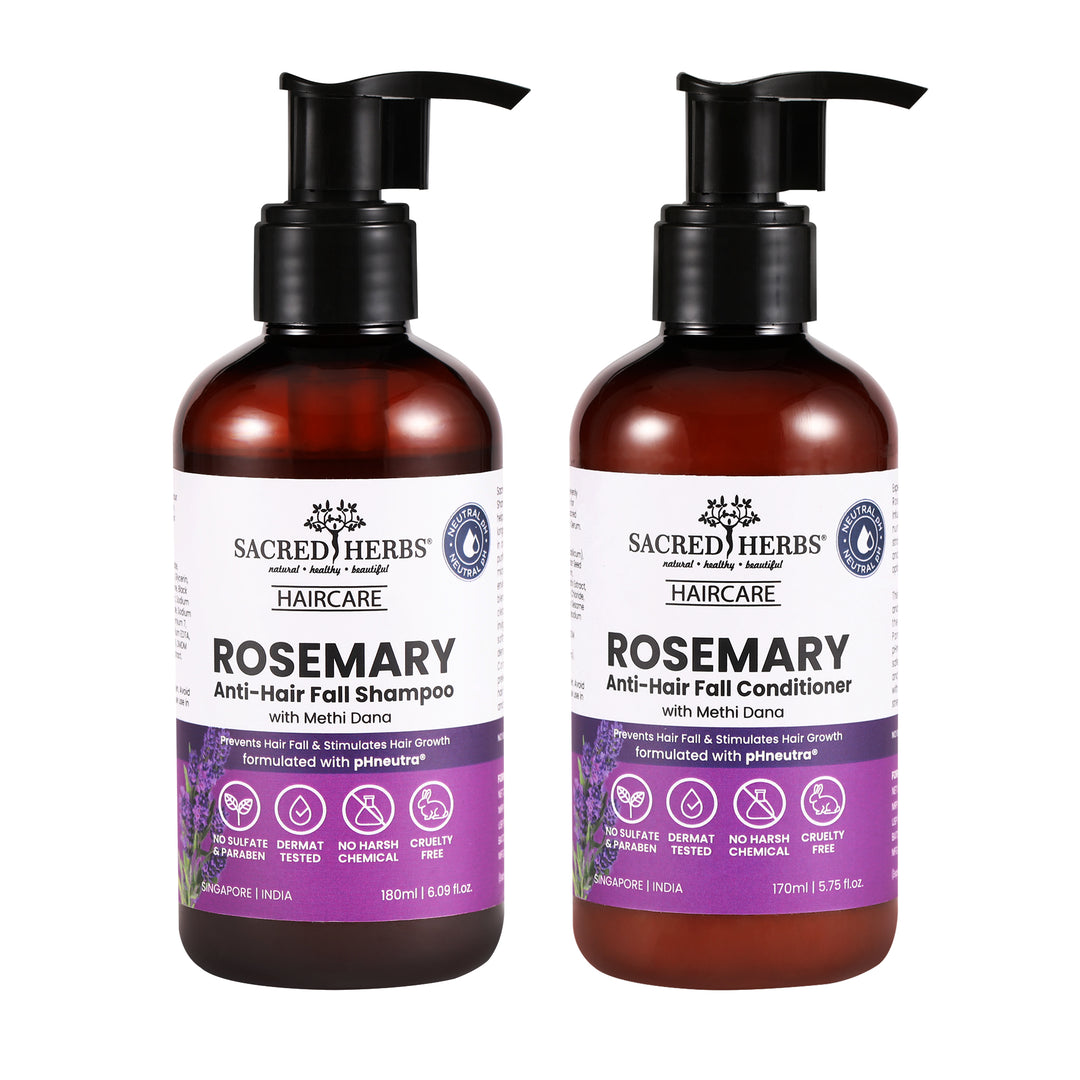
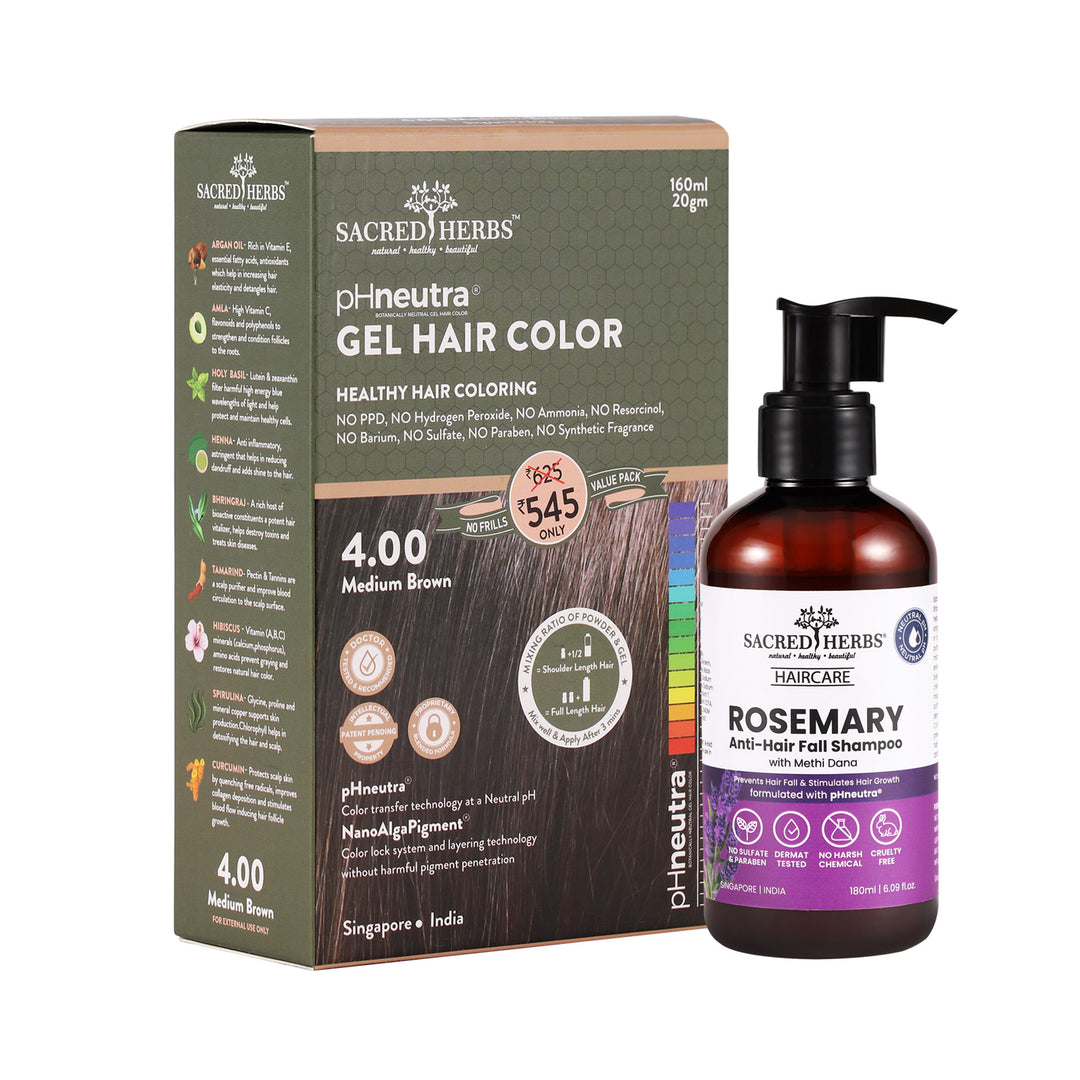
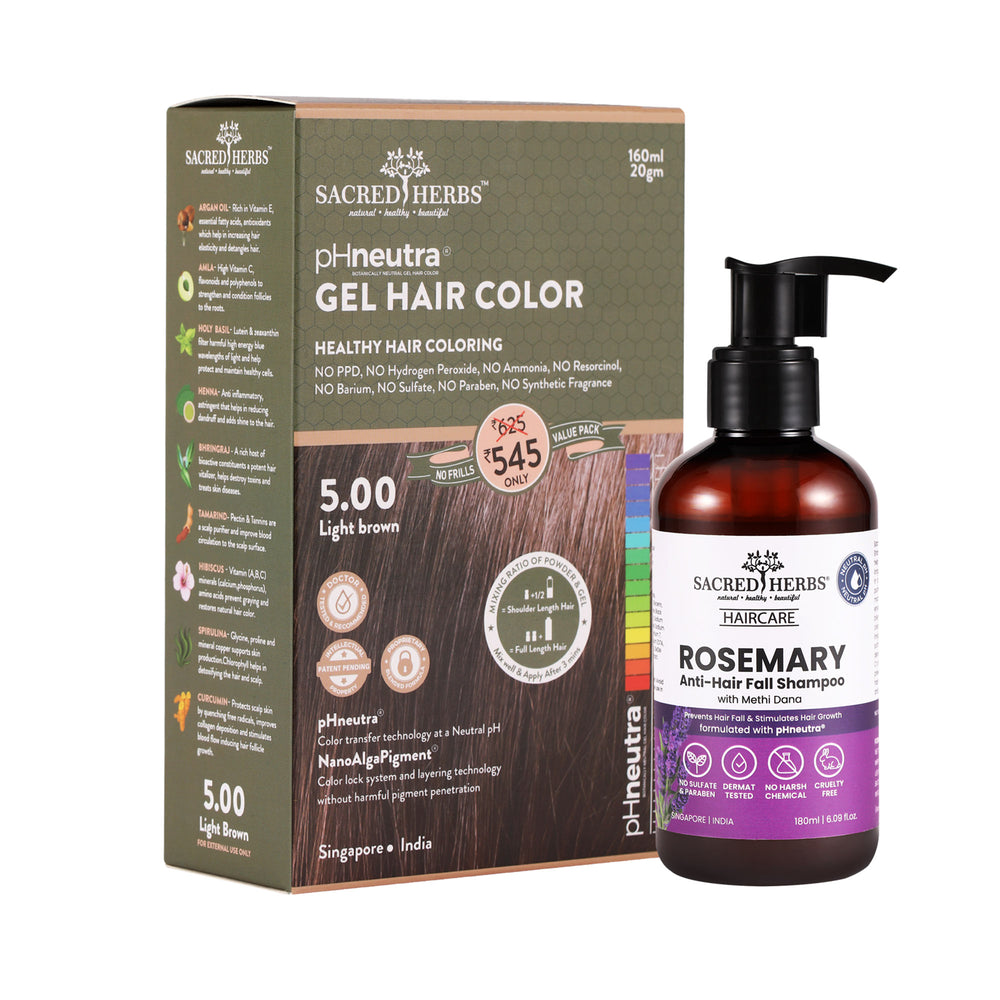
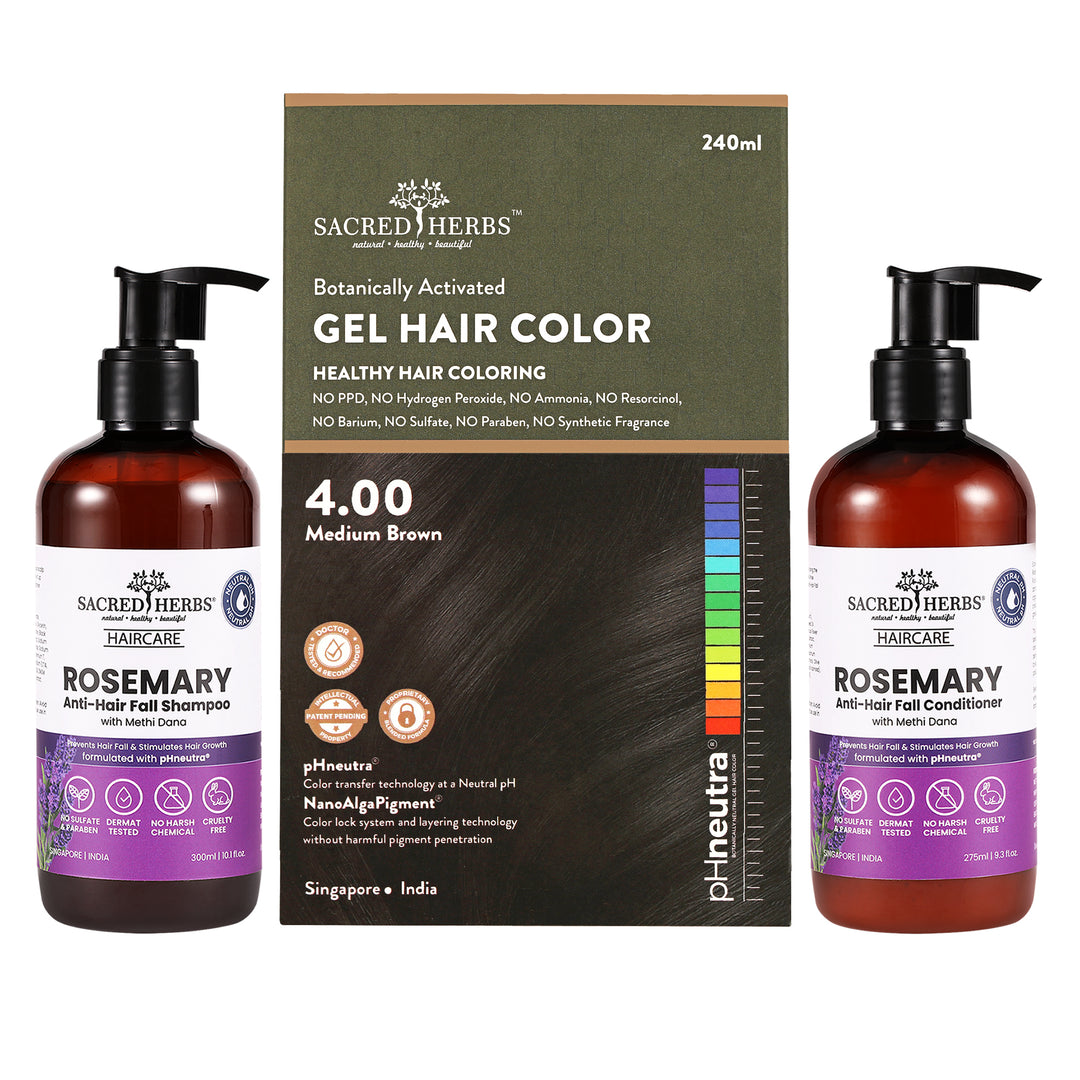
Explore Sacred Herbs' Hair Care Collection, which includes the Rosemary Anti Hair Fall Series - a complete system with shampoo, conditioner, pre-wash scalp oil, and leave-in serum, all formulated to work together.
Lifestyle Factors That Amplify or Undermine Hair Fall Shampoo Results
No shampoo, however well-formulated, can fully compensate for lifestyle factors that drive severe hair fall. Understanding these helps you get the most from your shampoo.
Stress: Chronic psychological stress triggers cortisol elevation, which disrupts the hair growth cycle and pushes follicles prematurely into the telogen phase. Stress management (exercise, sleep, mindfulness) is not optional for women experiencing stress-related hair fall.
Nutrition: Iron, B12, folate, zinc, and protein deficiencies are common and under-diagnosed causes of hair fall in women. Get blood work done if hair fall is severe or progressive.
Tight hairstyles: Ponytails, braids, and extensions that exert constant tension on the follicle cause traction alopecia. This begins as reversible but becomes permanent if the tension is sustained long-term.
Heat styling: Repeated high-heat styling weakens the hair shaft and increases breakage. Use the lowest effective temperature and always apply heat protectant.
Water quality: Hard water deposits (calcium, magnesium) on the scalp create a film that blocks follicles and reduces the effectiveness of hair fall shampoo. Use a chelating shampoo once a week if you live in a hard-water area.
Frequently Asked Questions
How long before I see results from hair fall shampoo?
Most women notice a reduction in shedding within four to six weeks. Visible improvement in density typically takes three to six months, because the hair growth cycle is slow.
Can I use hair fall shampoo every day?
Most hair fall shampoos for women are gentle enough for daily use. However, daily washing is not necessary and can strip the scalp's natural oils. Two to four times per week is typically optimal.
Is hair fall shampoo safe during pregnancy?
It depends on the formula. Shampoos containing rosemary, biotin, and botanical actives are generally considered safe, but any new product during pregnancy should be discussed with your doctor.
My hair fall gets worse in winter. Why?
Seasonal hair fall is a real phenomenon. Many women experience increased shedding in autumn and winter, possibly linked to changes in daylight hours affecting the hair growth cycle. Continuing consistent use of hair fall shampoo through these periods is important.
Should I see a dermatologist if my hair fall is severe?
Yes. If you are losing more than 100-150 hairs per day consistently, or if you notice visible thinning, patches, or scalp changes, see a dermatologist. A shampoo is a supportive tool; severe or progressive hair fall needs professional evaluation.
Can hair fall shampoo be used alongside minoxidil?
Yes. A botanical hair fall shampoo is compatible with minoxidil and other medical treatments. They work through different mechanisms and complement each other.