Chemical-Free Hair Colour: A Practical Guide for the Person Who Has Had Enough
Let's get something out of the way immediately: the phrase "chemical-free" is technically impossible. Water is a chemical. Air is a mixture of chemicals. Everything you have ever touched is made of chemicals.
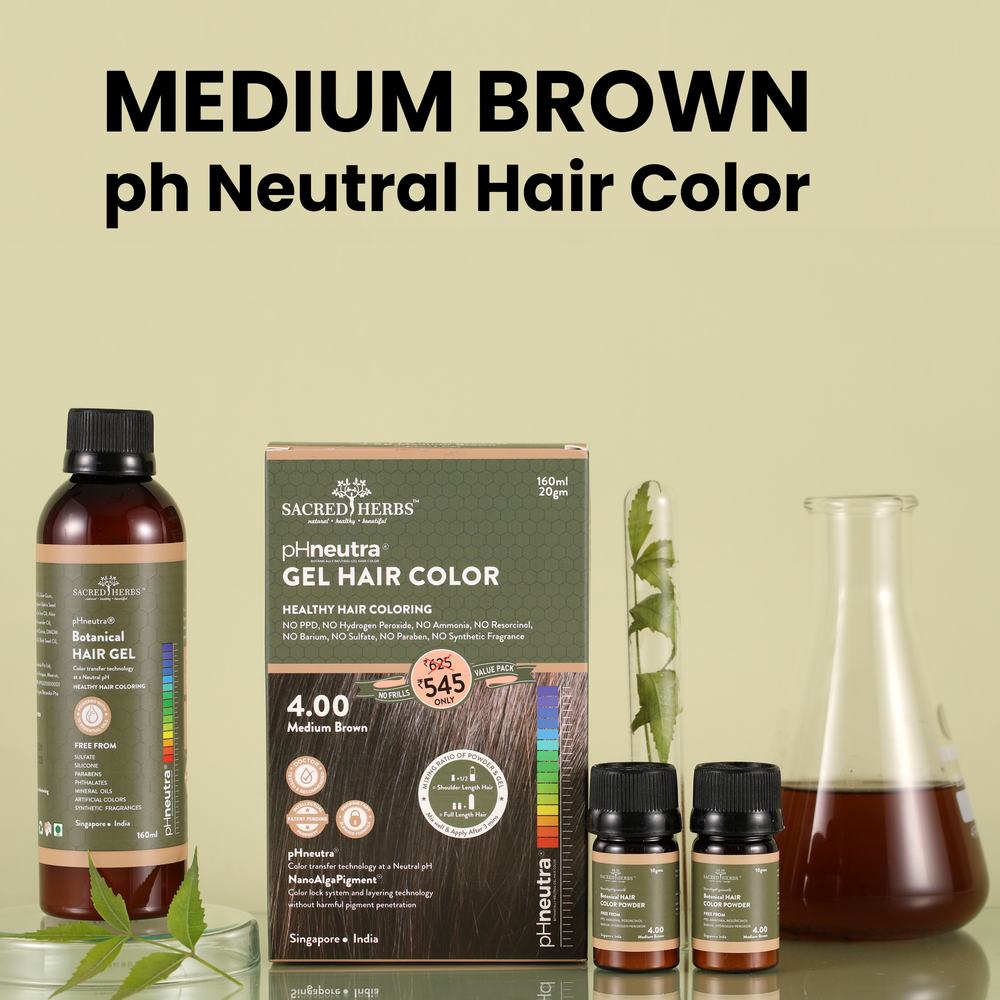
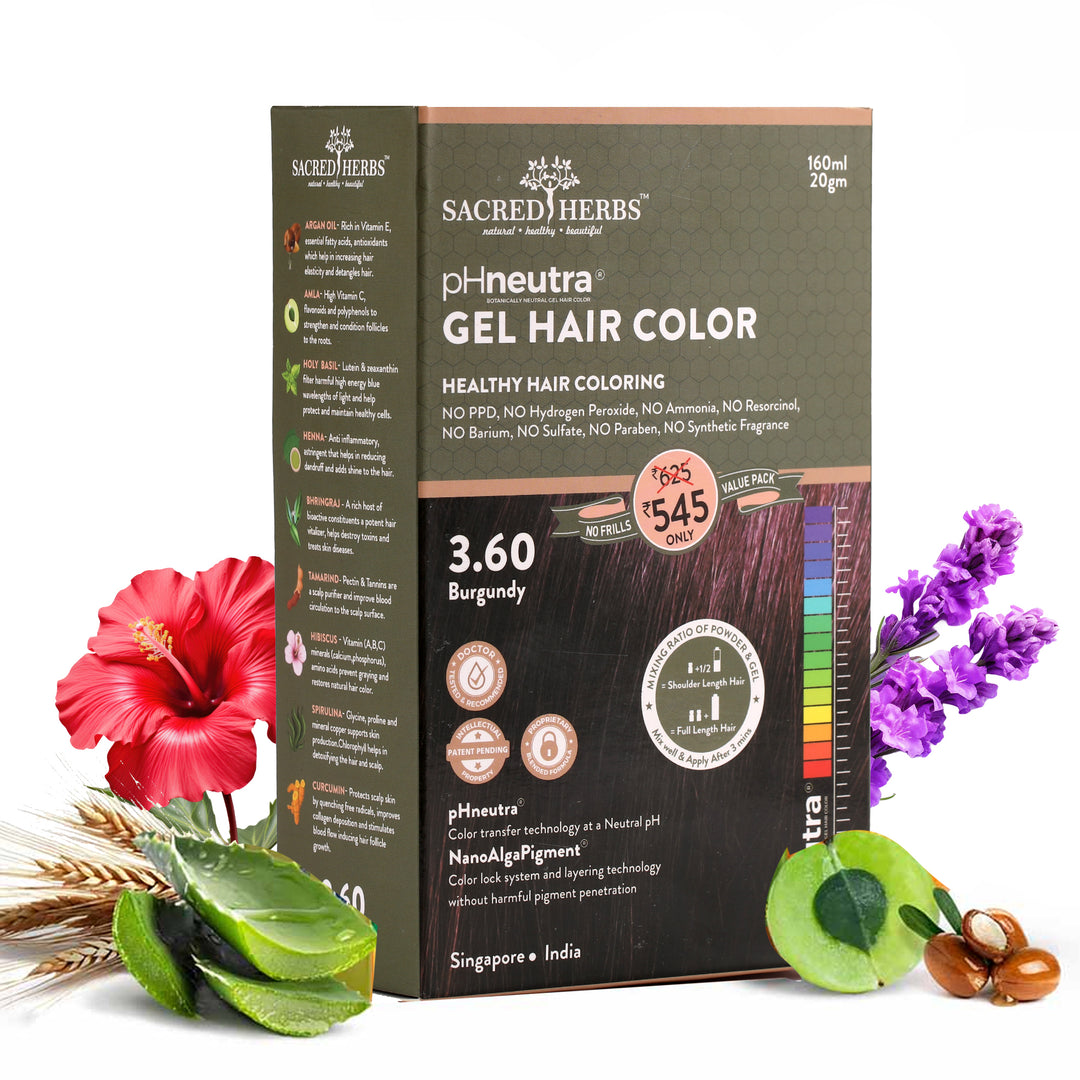
What people mean when they say chemical-free hair colour is: hair colour free from the specific synthetic chemicals that are known to cause harm. Ammonia, Paraphenylenediamine (PPD), Resorcinol, Parabens, and Synthetic aromatic amines. These are the chemicals that decades of dermatological research have identified as the primary culprits behind allergic reactions, scalp damage, cumulative hair weakening, and the broader safety concerns associated with conventional hair dye.
That is the category of chemicals this article is about eliminating. And the good news is that eliminating them does not mean eliminating colour. It means choosing colour differently.
The Specific Chemicals You Are Trying to Avoid and Why
Understanding what you are moving away from makes the choice of what to move toward clearer.
Para-phenylenediamine (PPD)
PPD is the primary colouring molecule in most conventional permanent and semi-permanent hair dyes. It is responsible for the vast majority of hair dye allergic reactions, ranging from contact dermatitis (redness, swelling, itching at the application site).
PPD is a strong sensitiser: the first exposure may be tolerated, but with each subsequent exposure, the immune system's response typically escalates. The European Commission's Scientific Committee on Consumer Safety has repeatedly reviewed PPD's safety and maintains limits on its concentration in hair dye precisely because of these concerns.
Ammonia
Ammonia (and its functionally similar alternative monoethanolamine, often used in "ammonia-free" but still chemical conventional dyes) raises the hair's pH to 9-10, forcing the cuticle to swell and open. This is how conventional dye penetrates the hair cortex.
The problems with ammonia: it irritates the respiratory system and mucous membranes during application (the burning sensation in the nose and eyes). It destroys the scalp's acid mantle, triggering inflammatory responses. It causes the cuticle to progressively lose structural integrity with each application. It produces scalp irritation that can persist for days in sensitive individuals.
Resorcinol
Resorcinol is used in combination with PPD to produce certain colour shades, particularly darker ones. It is classified as an endocrine disruptor and has been shown to interfere with thyroid hormone production in animal studies. It is also a skin sensitiser.
Parabens
While not directly involved in colouring, parabens are used as preservatives in many hair dye formulas.
A genuinely chemical-free hair colour (in the meaningful sense) avoids all of these compounds and replaces them with botanical alternatives that achieve the same result through safer mechanisms.
What Chemical-Free Hair Colour Uses Instead
This is where the genuine innovation in modern botanical hair colour lies.
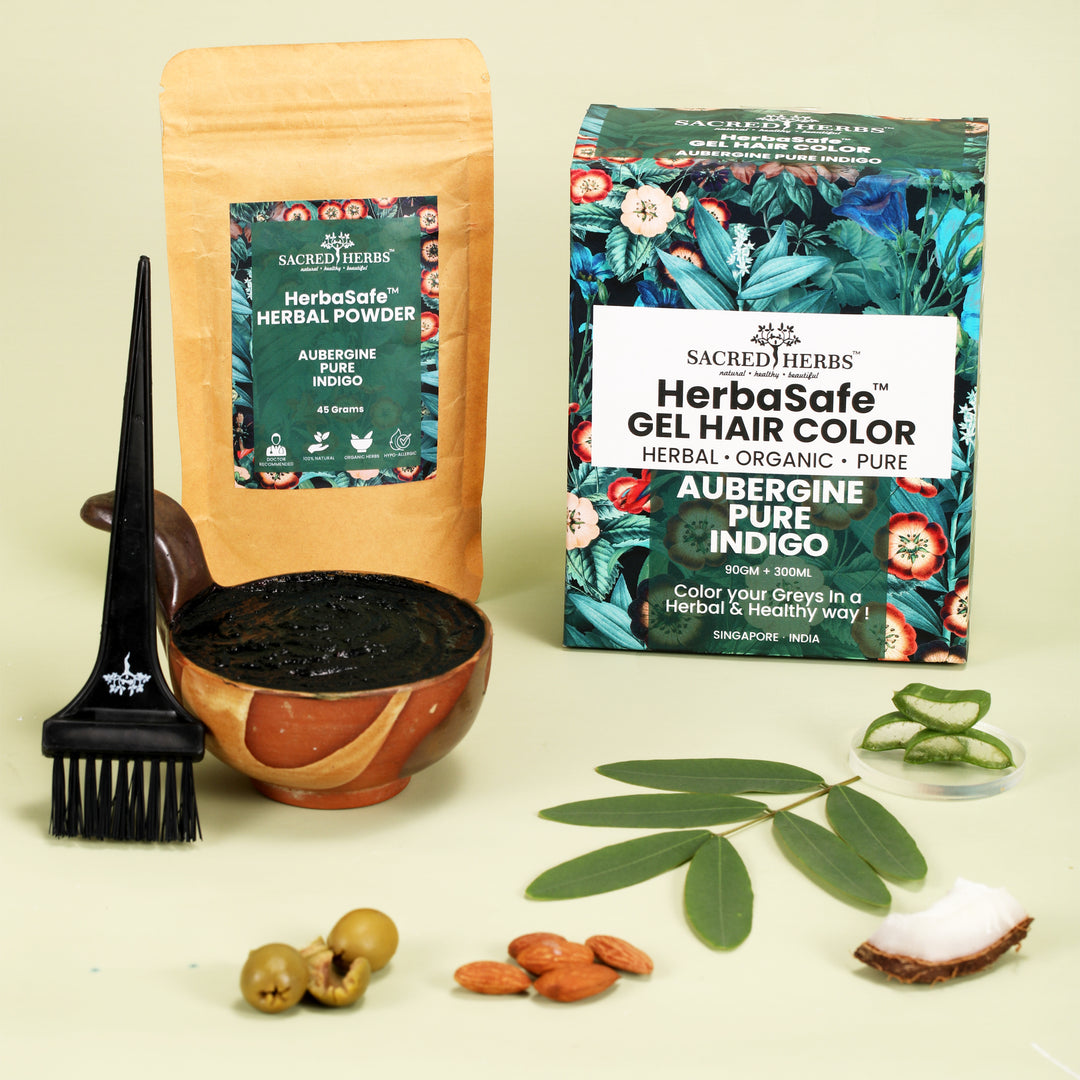
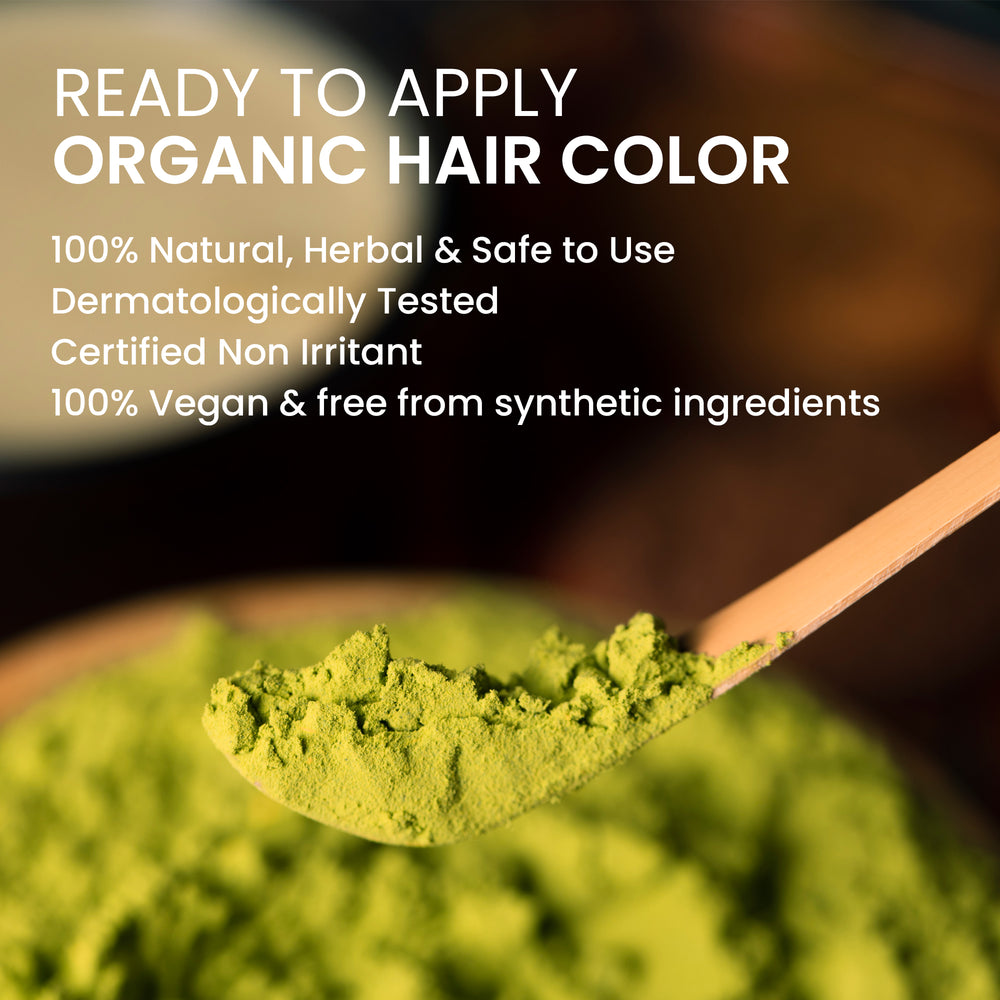
For colour: Henna (Lawsonia inermis), indigo (Indigofera tinctoria), cassia, amla, and algae-derived microbial pigments replace PPD as the colouring agents. These botanical pigments bond to the hair's keratin protein through natural chemical affinity rather than oxidative chemistry.
For penetration: Oil-based gel delivery systems replace ammonia as the cuticle-opening mechanism. An oil-based formula uses the hair's natural lipid channels to carry colouring molecules into the shaft without forcing the cuticle open by raising pH.
For preservation: Natural preservatives (vitamin E, rosemary extract, certain plant-derived phenols) replace synthetic parabens.
For conditioning: Cold-pressed oils (argan, coconut, castor), amino acid complexes, and plant proteins replace silicones and synthetic conditioning agents.
The result is a hair colour system that produces the same visual result through an entirely different chemical pathway, one that is compatible with the hair's natural biology rather than in conflict with it.
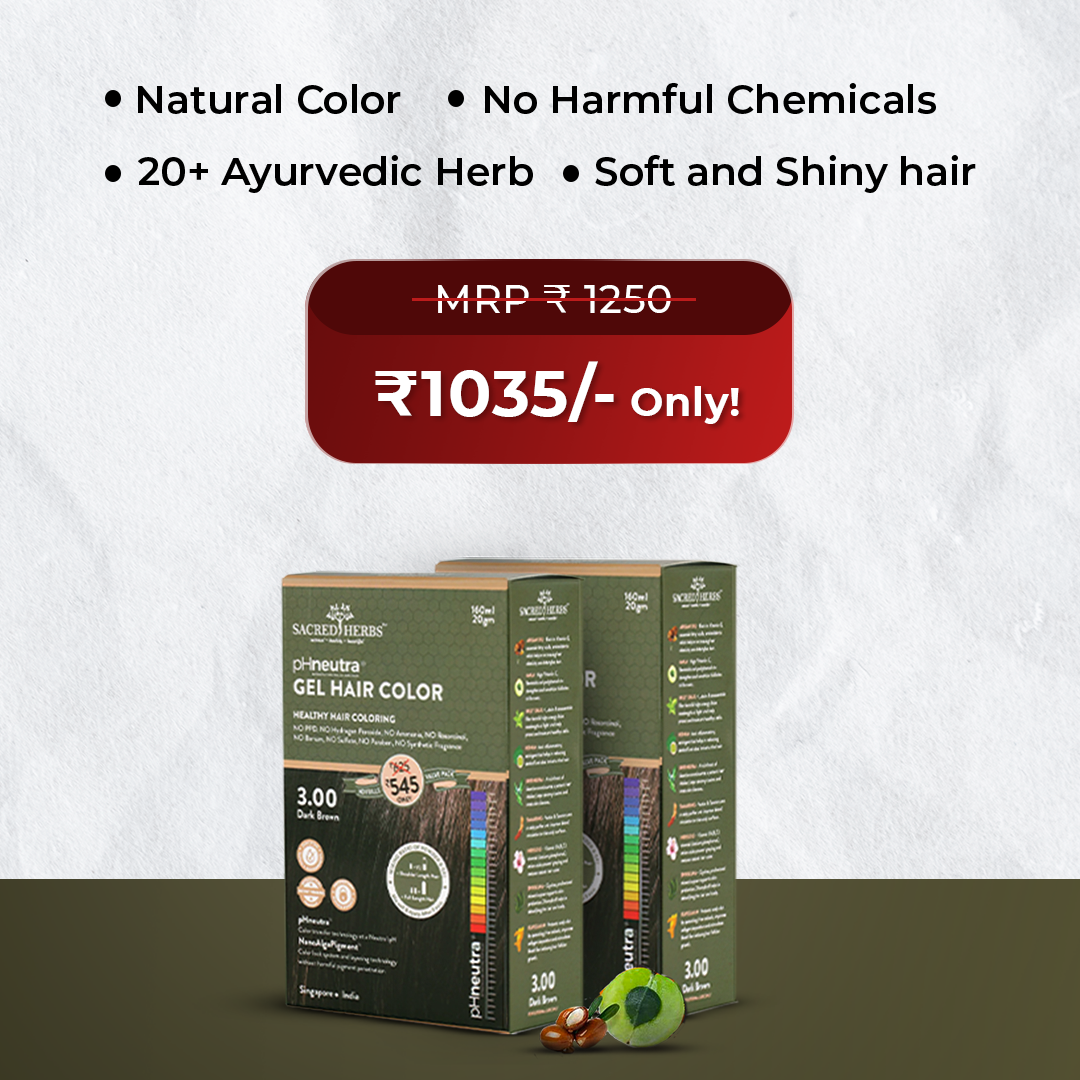
Explore the Hair Color Collection at Sacred Herbs to see this approach applied across five shades, from natural black to burgundy.
A Comparison: Chemical Hair Dye vs Chemical-Free Hair Colour Across Key Dimensions
Rather than describing each category separately, let's put them side by side across the dimensions that matter.
Scalp safety during application
Chemical dye: ammonia creates an alkaline environment that disrupts the scalp's acid mantle. PPD triggers immune responses in sensitised individuals. The scalp may burn, itch, or swell during or after application.
Chemical-free hair colour: neutral pH preserves the acid mantle. PPD-free formula eliminates the primary allergen. Botanical actives support rather than disrupt the scalp environment. A pH-neutral, PPD-free formula may offer a more comfortable coloring experience for some users, although individual sensitivities can still occur.
Hair condition post-application
Chemical dye: the forced opening of the cuticle by high-pH chemistry leaves the cuticle partially damaged. Hair is typically drier, more porous, and more prone to breakage after application. Intensive conditioning is needed to restore manageability.
Chemical-free hair colour: the oil-gel delivery system and botanical pigments coat and strengthen the cuticle without disrupting it. A pH-neutral approach can help avoid some of the swelling associated with highly alkaline coloring processes, although any coloring process can affect hair depending on the formulation and application.
Grey coverage
Chemical Dye: complete and reliable in 25-30 minutes.
Chemical-free hair colour: complete when applied correctly, but requires 35 minutes of processing time plus gentle heat for resistant grey.
Longevity
Chemical dye: 6-8 weeks typically.
Chemical-free hair colour: 4 weeks, with variation based on washing frequency, water quality, and sun exposure.
Environmental footprint
Chemical dye: PPD and aromatic amines are not readily biodegradable. They enter wastewater streams and have documented effects on aquatic organisms.
Chemical-free hair colour: botanical pigments are biodegradable. The production of plant-derived colourants has a lower environmental footprint than synthetic dye chemistry.
Safe frequency of use
Chemical dye: recommended interval of at least 6-8 weeks due to cumulative structural damage.
Chemical-free hair colour: can be applied as frequently as needed without cumulative damage. The hair's structure is not disrupted by application.
Who May Prefer PPD-Free or Ammonia-Free Hair Color?
While chemical-free hair colour is a better choice for everyone who colours their hair, there are specific groups for whom it transitions from "better" to "necessary."
People with known PPD sensitivity. Once sensitised to PPD, repeat exposure risks increasingly severe reactions. Chemical-free hair colour that is PPD-free allows continued colouring without this risk.
People with scalp conditions. Psoriasis, seborrheic dermatitis, and contact dermatitis are all worsened by the inflammatory cascade triggered by ammonia and PPD. Chemical-free hair colour at neutral pH does not trigger this cascade.
People undergoing cancer treatment. Chemotherapy and radiation compromise the immune system and make the scalp significantly more sensitive. Many oncologists advise avoiding conventional hair dye during treatment. Chemical-free botanical colour presents a significantly lower risk profile. Always consult your oncologist before any hair colour application during treatment.
Pregnant or breastfeeding women. Conventional hair dye chemicals cross the scalp barrier and enter systemic circulation. The teratogenic risk of PPD and ammonia is not fully quantified, but the precautionary principle strongly favours botanical colour during pregnancy. Always discuss with your doctor before using any hair color product, particularly if you have a history of hair-color sensitivity.
People with hair fall. The structural disruption of conventional dye accelerates hair fall in people who are already experiencing it. Chemical-free hair colour does not disrupt the follicle environment.
How to Apply Chemical Free Hair Colour for Complete Coverage
Application technique makes or breaks the result with chemical-free hair colour. The formula is forgiving in terms of scalp safety but unforgiving in terms of technique: skimping on processing time or saturation produces noticeably inferior results.
Preparation (day before or morning of application): Wash with a sulphate-free shampoo. Do not condition. Hair should be clean and damp for application.
Mixing: Follow the manufacturer's instructions precisely. Botanical gel formulas often have specific ratios that affect both shade and consistency.
Application: Section the hair into four quadrants. Apply with a tinting brush. Start at the temples and hairline (highest grey concentration).
Processing: 35 minutes minimum. Add warmth (shower cap plus hairdryer on low for 10-15 minutes of the processing time) for resistant grey.
Rinsing: Lukewarm water. Continue until completely clear. Use sulphate-free shampoo. Apply a conditioning treatment to mid-lengths and ends.
48-hour rule: Use sulphate-free shampoo. Colour continues bonding during this window.
Building a Chemical-Free Hair Care Routine Around Your Colour
Chemical-free hair colour is the starting point. The products you use every day in between colour applications determine how long the colour lasts and how well your hair and scalp thrive.
A complete chemical-free hair care routine should:
-
Use a sulphate-free, paraben-free shampoo formulated with botanical actives
-
Follow with a conditioner that conditions without silicone build-up
-
Include a leave-in serum for daily moisture and cuticle protection
-
Use a pre-wash oil treatment weekly to nourish the scalp and prepare the hair for washing
-
Avoid products with synthetic fragrance, parabens, and aggressive surfactants
The Hair Care Collection at Sacred Herbs is built around this philosophy, with product lines including the Rosemary Anti Hair Fall Series, the ColorLock Series, the Ultra Hydrating Series, and the Coconut Milk Series, all formulated without the harmful chemicals this article is about avoiding.
Frequently Asked Questions
Is chemical-free hair colour completely risk-free?
No topical product is completely risk-free. Sensitivities to botanical ingredients, while much rarer than PPD sensitivity, are possible. A patch test 48 hours before full application is always recommended, regardless of how natural a formula is.
Can I transition to chemical-free hair colour gradually?
Yes. Some people choose to transition by growing out their chemically coloured hair while applying botanical colour to new growth. Others switch completely with the next application. Both approaches work.
Does chemical-free hair colour have a strong smell?
No. The characteristic ammonia smell of conventional dye is absent. Botanical hair colour has a mild earthy or herbal scent during application that dissipates completely once rinsed.
Will chemical-free hair colour change the texture of my hair?
Generally for the better. The henna and botanical actives in chemical-free colour coat the cuticle and add body and smoothness. Some people find their hair has more volume and less frizz after switching.
How do I know if a product is genuinely chemical free?
Read the full ingredient list. The absence of paraphenylenediamine, ammonia/ammonium hydroxide, resorcinol, and parabens from the ingredient list is the baseline test. Additionally, look for the presence of named botanical colourants (Lawsonia inermis, Indigofera tinctoria) to confirm the colouring mechanism is genuinely botanical.