


Body Cleanser

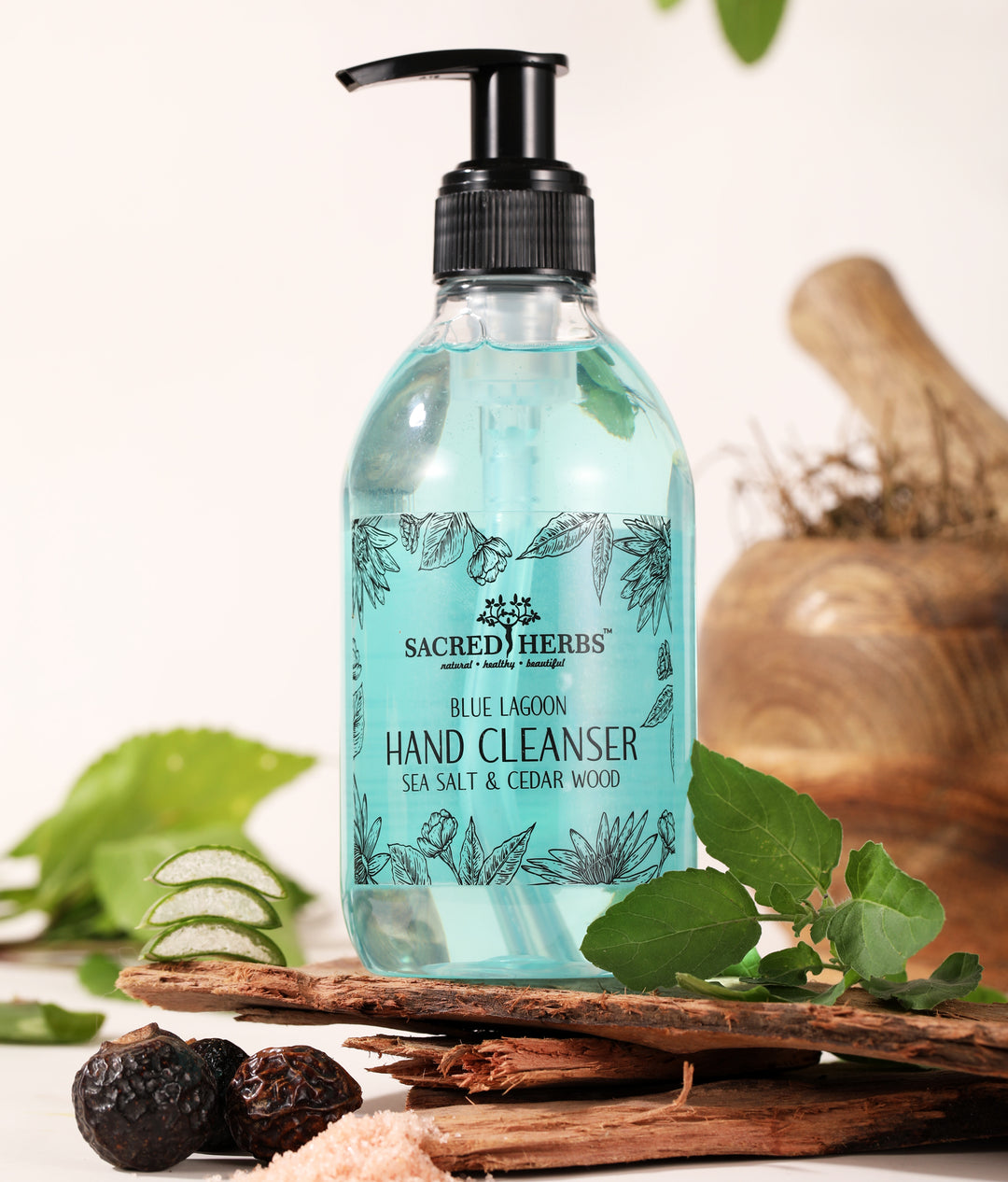
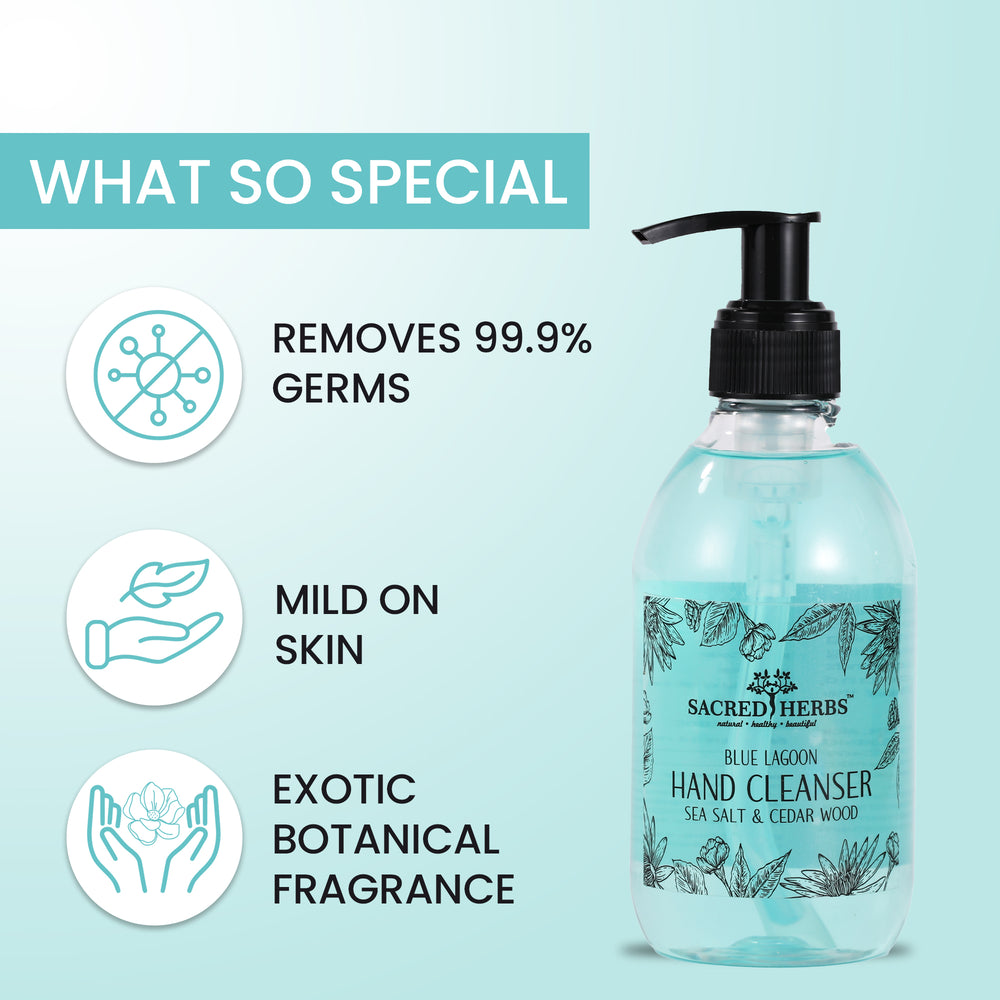
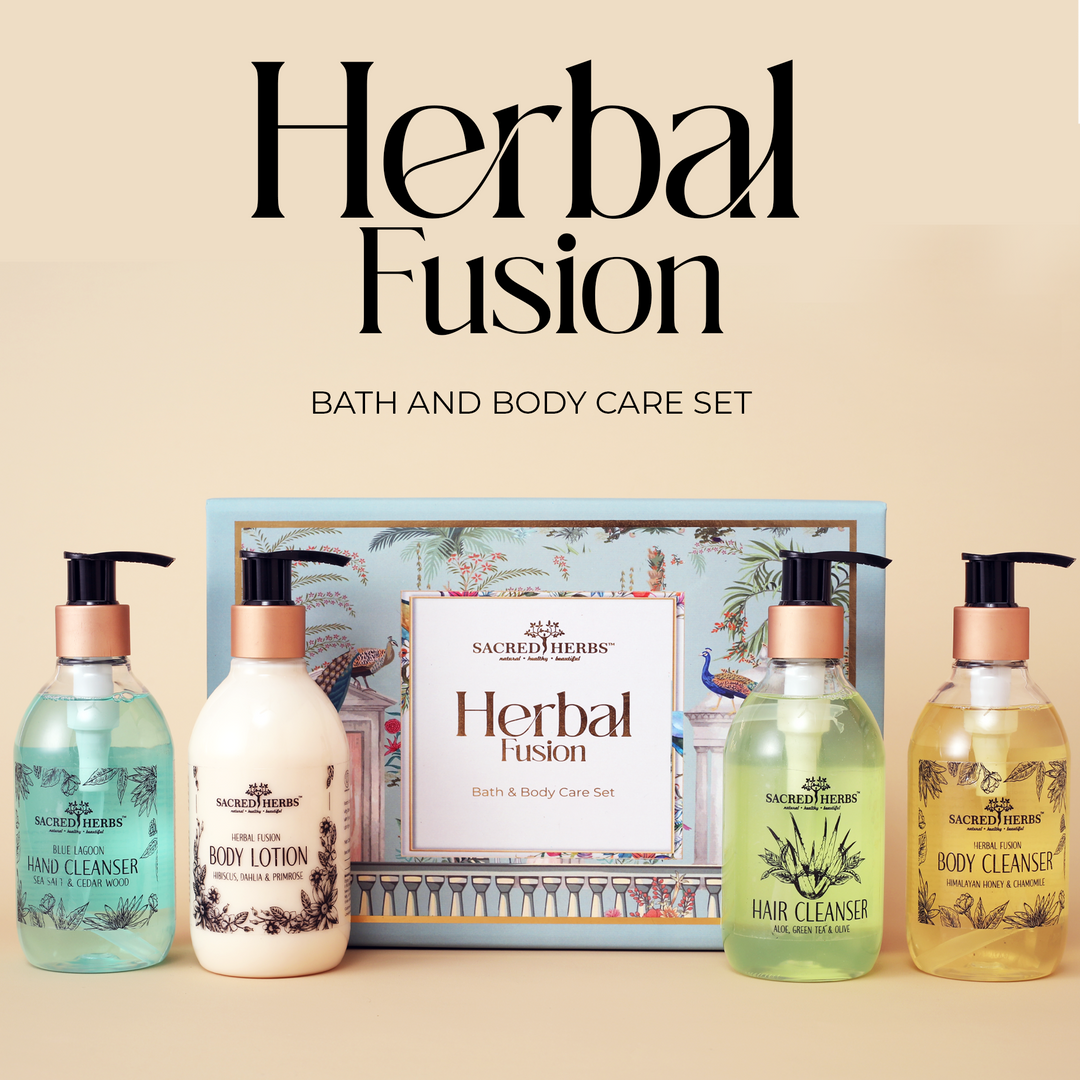

Body Cleanser Basics: Understanding What You Are Really Washing With
Most people give their body cleanser about as much thought as they give their kitchen sponge. It lathers,... Read More
Body Cleanser Basics: Understanding What You Are Really Washing With
Most people give their body cleanser about as much thought as they give their kitchen sponge. It lathers, it rinses, the job feels done. Yet the cleanser you use every single day has more contact with your skin than almost any other product you own, and the wrong one quietly undermines your skin's health one shower at a time.
Understanding what a body cleanser actually is, how it works, and how the types differ is the foundation for choosing well. This is body-cleanser literacy, and once you have it, you will never buy based on scent and packaging alone again.
What a Body Cleanser Actually Does
At its core, a body cleanser has one job: removing dirt, sweat, dead skin cells, excess oil, and environmental pollutants from the skin surface. It accomplishes this through surfactants, molecules that have a water-loving end and an oil-loving end.
When you lather a cleanser, the surfactants surround oil and dirt particles, lifting them from the skin and suspending them in water so they rinse away. This is elegant chemistry, and it is the same basic principle across every cleanser type.
The differences between cleansers come down to two things:
-
How aggressive the surfactants are: Some strip everything, including the skin's protective natural oils. Others cleanse gently, leaving the skin barrier more intact.
-
What else is in the formula: Moisturizers, botanical extracts, and barrier-supporting ingredients determine how the skin feels after cleansing.
The Skin Barrier: Why Gentleness Matters
Your skin has a protective outer layer called the acid mantle, a slightly acidic film of oils and beneficial microbes that defends against moisture loss, bacteria, and irritants.
Here is the problem with harsh cleansers: they strip this barrier along with the dirt. A stripped barrier leads to dryness, tightness, itching, sensitivity, and over time, a compromised skin surface that struggles to protect itself.
This is why the tight, squeaky-clean feeling that many people associate with a good wash is actually a warning sign. Squeaky means stripped. A well-formulated cleanser leaves skin clean but comfortable, not tight.
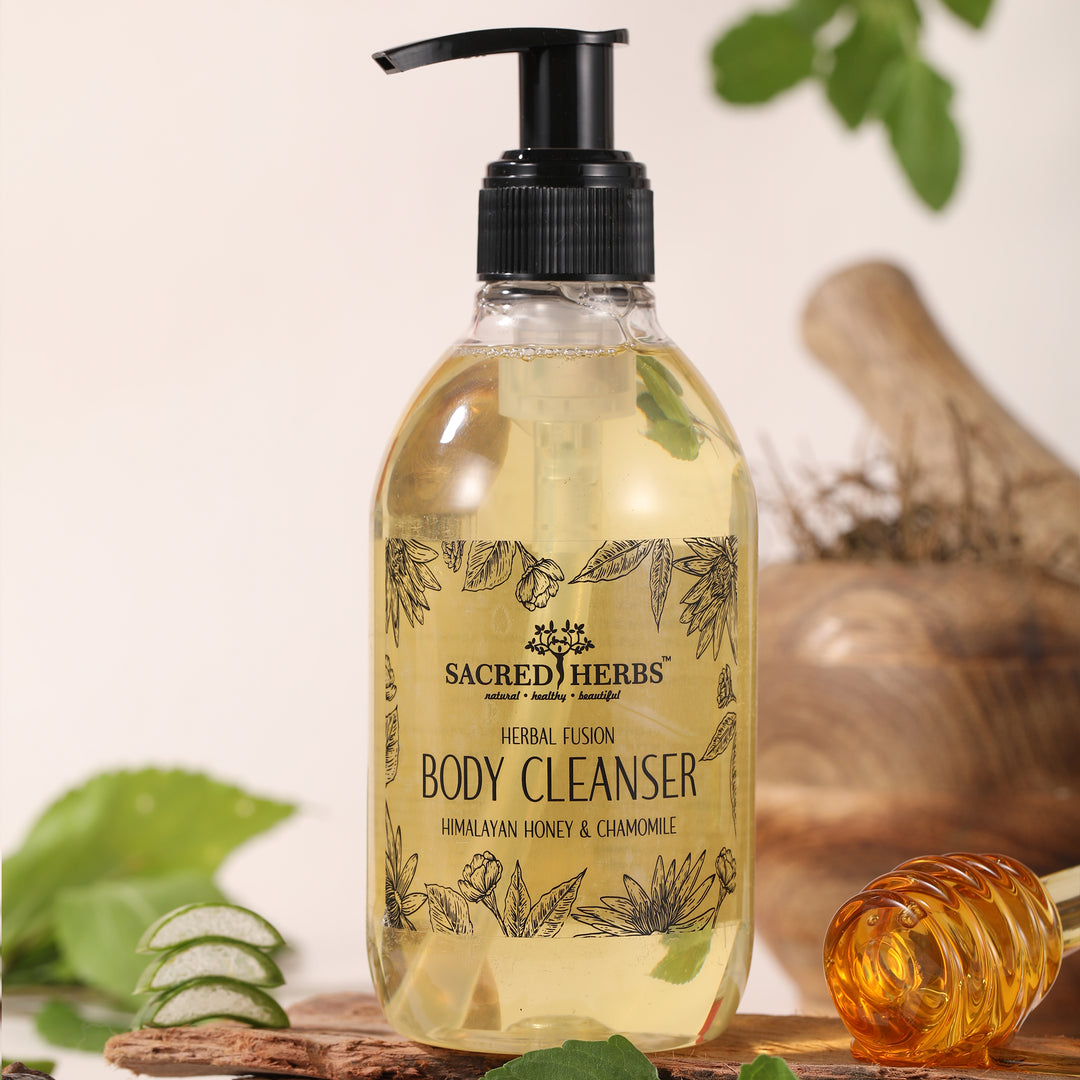
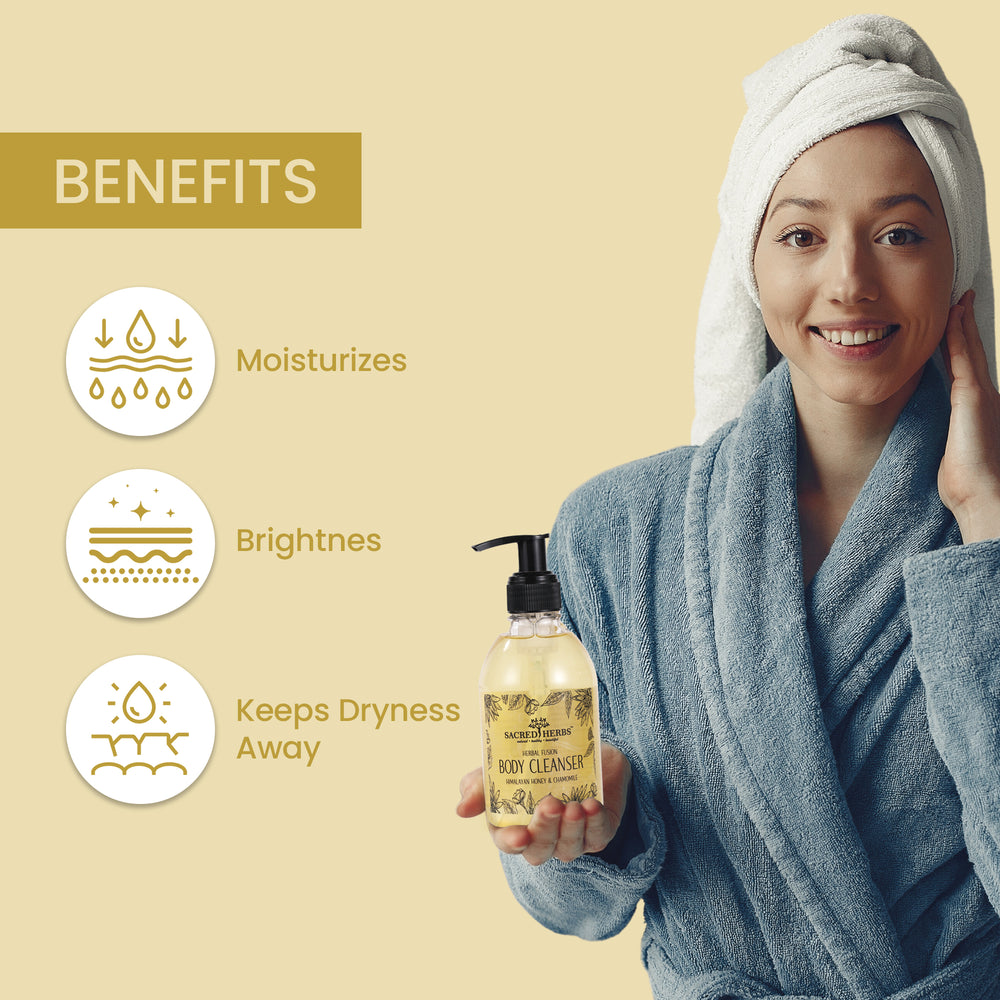
The Body collection at Sacred Herbs is built around botanical ingredients that cleanse while respecting the skin barrier.
The Main Types of Body Cleanser
Bar Soap
Traditional bar soap is made through saponification of oils and fats. Classic bar soaps tend to be alkaline, which can disrupt the skin's acidic barrier and leave skin feeling dry. Modern syndet bars and cleansing bars are formulated to be gentler and more pH-friendly.
Body Wash and Shower Gel
Liquid cleansers dominate the modern market. Their gentleness varies enormously depending on the surfactants used. Sulfate-heavy body washes clean aggressively; those built on gentler plant-derived surfactants clean without stripping.
Cream and Lotion Cleansers
These are richer, more moisturizing formats designed for dry or sensitive skin. They cleanse while depositing conditioning ingredients, leaving skin softer.
Oil-Based Cleansers
Oil cleansers work on the principle that oil dissolves oil. They remove oil-based impurities effectively and are notably gentle on the skin barrier.
Botanical and Natural Cleansers
These emphasize plant-derived ingredients, often combining gentle surfactants with botanical extracts, oils, and traditional ingredients for those preferring naturally derived formulations.
Reading a Body Cleanser Label
The skill that separates informed buyers from impulse buyers:
Watch for, high in the list:
-
Sodium lauryl sulfate or sodium laureth sulfate: aggressive surfactants that can strip the barrier with daily use
-
High synthetic fragrance: a common irritant, especially for sensitive skin
-
Drying alcohols
Look for:
-
Gentle plant-derived surfactants like coco-glucoside or decyl glucoside
-
Moisturizing ingredients like glycerin, aloe vera, or botanical oils
-
Botanical extracts for those preferring plant-based formulations
-
A stated pH close to the skin's natural range
Matching a Cleanser to Your Skin
Dry skin: Cream cleansers or gentle, moisturizing body washes with glycerin and botanical oils. Avoid sulfates entirely.
Oily skin: A gentle gel cleanser that removes excess oil without over-stripping, which paradoxically triggers more oil production.
Sensitive skin: Fragrance-free, sulfate-free, minimal-ingredient formulations with barrier-supporting botanicals.
Normal skin: Most gentle formulations work; choose based on preference and the ingredients you value.
Combination concerns: A balanced, gentle cleanser used with attention to how different body areas respond.
How to Use a Body Cleanser Well
Even a good cleanser can be misused:
-
Use lukewarm water, not hot. Hot water strips the skin barrier faster.
-
Use a modest amount. More product does not mean cleaner skin.
-
Focus on areas that actually need cleansing: underarms, feet, and folds. The whole body does not need aggressive scrubbing daily.
-
Avoid harsh loofahs or aggressive scrubbing, which damage the skin surface.
-
Rinse thoroughly and pat dry gently rather than rubbing.
-
Apply moisturizer while skin is still slightly damp to lock in hydration.
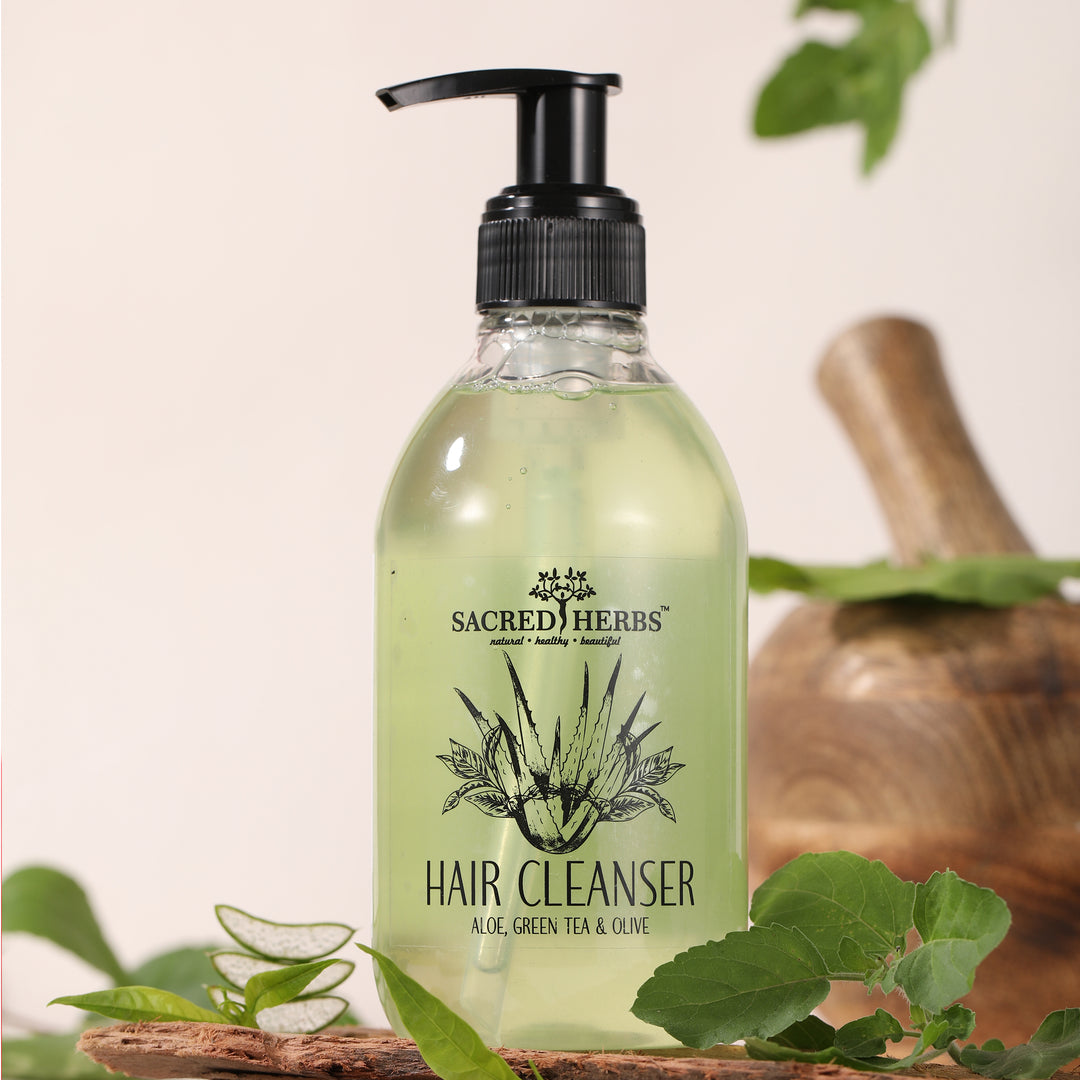
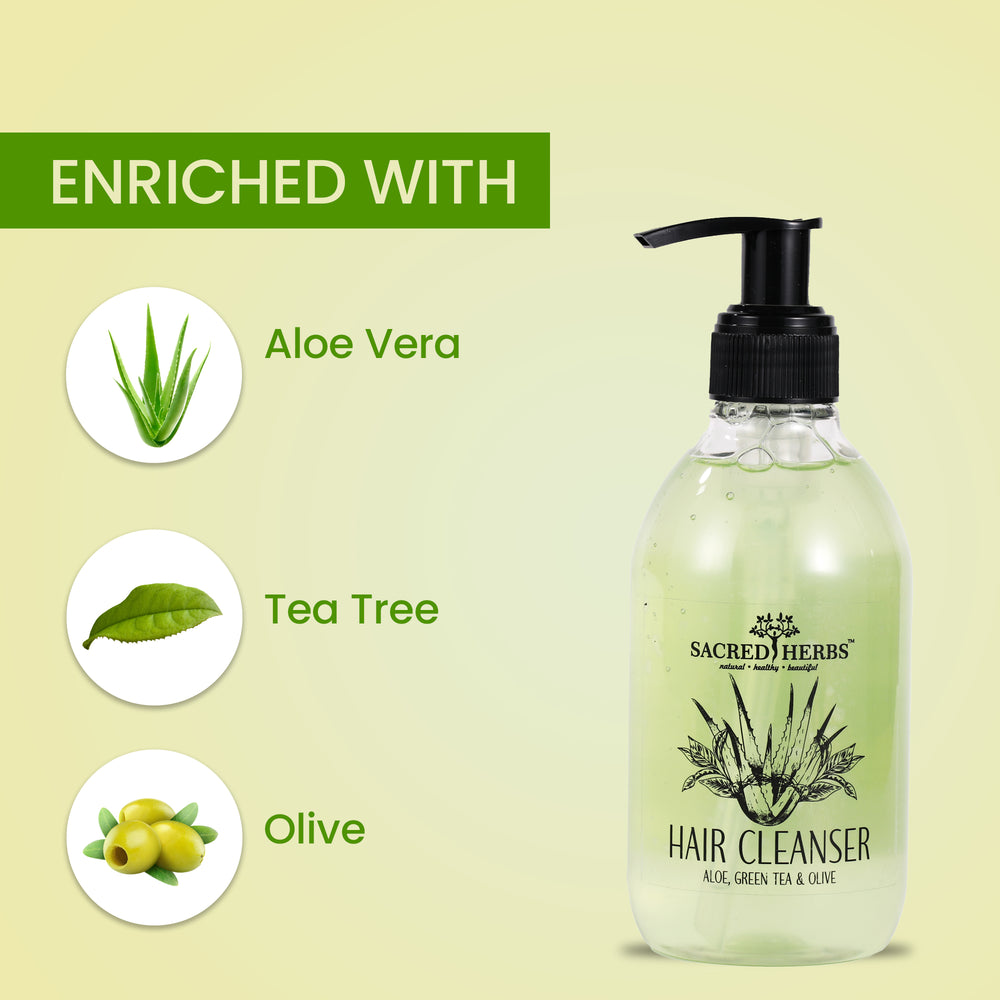
For those extending a botanical approach across their whole routine, the same ingredient philosophy that guides good hair care applies to body care. The Hair Care collection at Sacred Herbs reflects this shared botanical foundation.
Why Sacred Herbs Approaches Body Cleansing Botanically
A cleanser touches your skin daily, which makes it one of the most important products in your routine to get right. Sacred Herbs formulates its body care around botanical ingredients designed to cleanse effectively while respecting the skin barrier, the same philosophy the brand applies to hair. For a complete botanical personal care routine, the Super Premium Pack from Sacred Herbs brings together products built on this consistent ingredient approach.
Frequently Asked Questions
Q: What is the difference between soap and a body cleanser?
Soap is one type of cleanser, traditionally alkaline. Body cleanser is the broader category, including gentler, pH-friendly liquid and cream formats.
Q: Is the squeaky-clean feeling a good sign?
No. Squeaky-clean usually means the cleanser stripped your skin's natural oils. A good cleanser leaves skin clean but comfortable, not tight.
Q: Should I use a body cleanser every day?
Daily cleansing of areas that need it is fine with a gentle formula. Aggressive daily scrubbing of the whole body can damage the skin barrier.
Q: Are sulfate-free body cleansers better?
For most people, especially those with dry or sensitive skin, sulfate-free formulas cleanse effectively without stripping the barrier.
Q: Does water temperature affect my skin during cleansing?
Yes. Hot water strips the skin barrier faster. Lukewarm water cleanses effectively while being gentler on the skin.
Q: When should I moisturize after cleansing?
While the skin is still slightly damp, to lock in hydration before it evaporates.