Best Shampoo for Itchy Scalp: Choosing by the Cause of Your Itch
There's no single best shampoo for itchy scalp, because itching isn't one condition. A dry scalp, dandruff, product buildup, an allergic reaction, and sweat can all make your scalp itch, and each needs a different kind of shampoo.
Use the wrong one, and you can make things worse. A strong medicated shampoo on a scalp that's simply dry can increase the itching. A gentle, moisturising shampoo on a scalp with dandruff may not do enough.
This guide sorts itchy scalp into its five most common causes. For each one, you'll see the signs, the ingredients to look for, the ingredients to avoid, and how to wash.
Before You Choose: Quick Scalp Check
Look closely at your scalp and flakes, and ask yourself:
-
Are the flakes small and dry, or large and oily?
-
Does your scalp feel tight or greasy?
-
Did the itch start after using a new product?
-
Does the itch get worse after exercise or wearing a hat?
-
Do you see any thick scales, sores, or red patches?
Your answers point to one of the five causes below.
Cause 1: Dry Scalp
Signs
-
Small, white, dry flakes
-
Tight, rough-feeling scalp
-
Worse in winter or in air-conditioned rooms
-
Dry skin elsewhere on the body
Look for
-
Sulphate-free cleansers such as coco glucoside or decyl glucoside
-
Soothing ingredients like aloe vera, brahmi, and oat extract
-
Moisturisers such as glycerin and panthenol
-
Light oils like jojoba or coconut
Avoid
How to wash
Two to three times a week, with lukewarm water. Massage gently with your fingertips and rinse thoroughly.
Cause 2: Dandruff
Signs
-
Larger, yellowish or white, oily flakes
-
Itchy scalp that may also look greasy
-
Flakes that stick to the scalp or hair
Look for
Dandruff is often linked to an overgrowth of a yeast that naturally lives on the scalp. Anti-dandruff shampoos contain active ingredients that target it, such as:
Avoid
-
Heavy oils on the scalp, which can feed the yeast
-
Skipping washes, as oil buildup makes dandruff worse
How to wash
Leave a medicated shampoo on the scalp for the time stated on the label, usually a few minutes, before rinsing. Many people alternate it with a gentle shampoo. If dandruff doesn't improve within a few weeks, see a dermatologist.
Cause 3: Product Buildup
Signs
-
Itching along with a coated or heavy feeling
-
Hair that looks dull or flat soon after washing
-
Regular use of dry shampoo, heavy serums, gels, or sprays
Look for
-
A gentle clarifying shampoo used every one to two weeks
-
Herbal cleansers like shikakai and reetha
-
Neem, which helps keep the scalp clean
Avoid
How to wash
Use a clarifying wash once every one to two weeks, then return to a gentle, sulphate-free shampoo. Cut back on heavy styling products.
Cause 4: Sensitivity or Allergic Reaction
Signs
-
Itching, redness, or burning that started after a new product
-
Reactions after hair coloring
-
Itching along the hairline, ears, or neck
Look for
-
Fragrance-free or very low-fragrance shampoos
-
Short ingredient lists
-
Dermatologically tested formulas
-
Calming ingredients such as aloe vera
Avoid
-
The product that caused the reaction
-
Strong fragrances and essential oils, which can irritate sensitive skin
-
Harsh hair dyes containing PPD, ammonia, or resorcinol
How to wash
Use a mild shampoo and lukewarm water. If you notice swelling, blistering, or severe redness, stop using all new products and see a doctor.
Hair color is a common cause of scalp reactions, so it's worth choosing a gentler formula. Sacred Herbs is India's first pH-neutral hair color, made with pHneutra technology and powered by 20+ herbal extracts. It contains no PPD, no ammonia, no bleach, and no resorcinol, and it is dermatologically tested. NanoAlgaPigment technology delivers 100% grey coverage, and the color lasts up to 4 weeks. Explore the Sacred Herbs hair color range.
If you have a sensitive scalp:
-
Patch test 48 hours before your first use.
-
Leave the color on for 35 minutes in summer and 45 minutes in winter, never longer.
-
Wash with a sulphate-free shampoo afterwards.
-
Avoid oil for at least one week after coloring.
-
Use Sacred Herbs Root Sure and Root Touch-up Powder between sessions to reduce full-color exposure.
Cause 5: Sweat and Heat
Signs
-
Itching after exercise, long days in a helmet or cap, or hot weather
-
Scalp that feels sticky or damp
-
Itching that eases after washing
Look for
-
A gentle, refreshing shampoo with neem or tea tree, if your skin tolerates it
-
Lightweight formulas that rinse cleanly
Avoid
How to wash
Rinse your scalp with water after workouts. Wash with a gentle shampoo when needed, rather than letting sweat build up for days. Make sure your scalp dries fully before putting a helmet or cap back on.
Ingredients That Suit Most Itchy Scalps
Whatever the cause, these ingredients are generally well tolerated:
-
Aloe vera: Soothes and hydrates
-
Neem: Helps keep the scalp clean
-
Brahmi: Traditionally used to calm the scalp
-
Mild, sulphate-free cleansers: Clean without stripping
-
Panthenol: Supports moisture
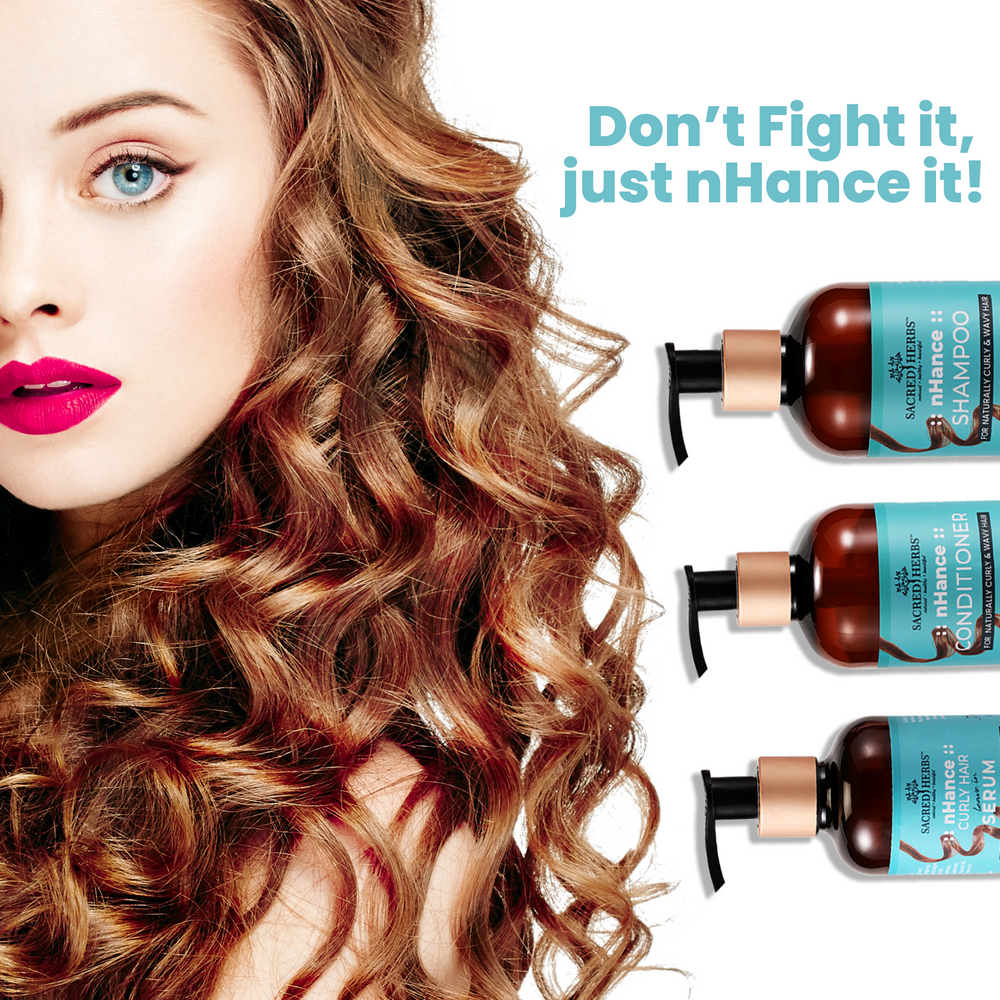
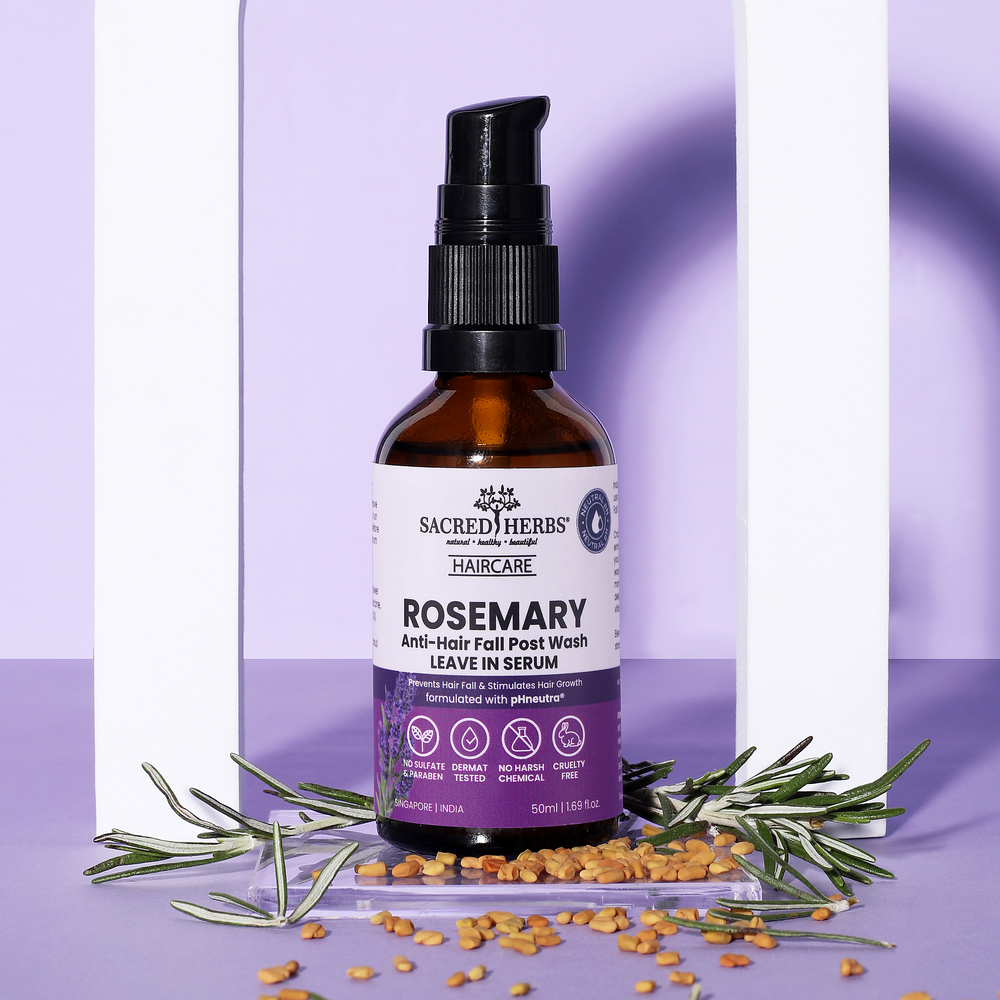
For gentle, herb-led cleansing, explore the Sacred Herbs hair care collection. If you color your hair, the Super Premium Pack includes a sulphate-free shampoo and conditioner for post-color care.
Habits That Help Any Itchy Scalp
-
Use lukewarm water, never very hot
-
Massage with your fingertips, not your nails
-
Rinse shampoo out completely
-
Wash pillowcases, hats, and combs regularly
-
Keep your skin moisturised overall. The Sacred Herbs body collection offers gentle, plant-led options.
When to See a Dermatologist
-
Itching that lasts more than a few weeks despite the right shampoo
-
Thick, silvery scales or red, inflamed patches
-
Sores, bleeding, or oozing
-
Hair loss in itchy areas
-
Signs of an allergic reaction, such as swelling
Conclusion
Choosing the best shampoo for itchy scalp gets much simpler once you know the cause:
-
Small, dry flakes and a tight scalp: gentle and moisturising.
-
Oily flakes: medicated anti-dandruff.
-
A coated, heavy feeling: clarify occasionally.
-
The itch started after a new product or hair color: go fragrance-free and switch to a gentler color.
-
Itching after workouts: rinse sweat off sooner.
If none of these fit, or nothing helps, ask a dermatologist.
Frequently Asked Questions
What is the best shampoo for itchy scalp?
It depends on the cause. Choose a gentle, moisturising shampoo for dryness, a medicated one for dandruff, and a fragrance-free one for sensitivity.
Can anti-dandruff shampoo help a dry, itchy scalp?
Not usually. It may dry the scalp further. Use it only if you have dandruff.
How often should I wash an itchy scalp?
Two to three times a week suits most people. Dandruff or sweat may need more frequent washing.
Can hair color cause an itchy scalp?
Yes. Ingredients like PPD and ammonia can irritate the scalp. A pH-neutral, PPD-free formula is gentler.
Is tea tree shampoo good for itchy scalp?
It can help with sweat and buildup, but it may irritate sensitive skin. Patch test first.
When should I worry about an itchy scalp?
See a dermatologist if itching lasts more than a few weeks or you notice scales, sores, or hair loss.