Best Shampoo for Damaged Hair: Four Common Damage Profiles and What Works for Each
Does your hair snap when you brush it? Feel gummy when wet? Look dull no matter what you put on it? If so, you're probably dealing with damage, and the shampoo you use every few days is either helping it recover or making it worse.
Damage doesn't look the same on everyone. Hair weakened by daily straightening behaves differently from hair worn down by bleach or by hours in chlorinated pools. The best shampoo for damaged hair depends on what caused the damage in the first place.
This article walks through four of the most common damage profiles. For each one, you'll see the signs to look for, what to look for in a shampoo, and the habits that support recovery.
Can Shampoo Really Help Damaged Hair?
It helps to set realistic expectations. Hair beyond the scalp isn't living tissue, so it can't heal itself. No shampoo can fully undo damage.
What a good shampoo can do is:
-
Stop further damage during washing
-
Clean without stripping already fragile hair
-
Deposit small amounts of protein and conditioning agents
-
Prepare hair to absorb conditioner and treatments
Think of the shampoo as the foundation. It won't fix damage alone, but the wrong one can undo everything else you do.
Profile 1: The Daily Heat Styler
Typical routine: Straightening or curling most days, hot blow-drying after every wash.
Signs of damage:
What the shampoo should do:
-
Clean without sulphates to avoid further drying
-
Contain moisturising ingredients like glycerin, aloe, or panthenol
-
Include plant oils to soften the hair
Supporting habits:
-
Lower the temperature on hot tools
-
Always use a heat protectant
-
Try a few heat-free days each week
-
Trim the most damaged ends
Profile 2: The Regular Colorer
Typical routine: Coloring every month to cover grey or keep a shade fresh, often with ammonia-based dye.
Signs of damage:
-
Dry, porous hair that tangles easily
-
Color that fades quickly
-
Scalp that feels tight or itchy after coloring
-
Breakage at the mid-lengths
What the shampoo should do:
-
Be sulphate-free to protect color and moisture
-
Have a gentle, balanced pH
-
Contain plant proteins to fill gaps in porous hair
Supporting habits:
For this profile, the biggest change often isn't the shampoo but the color itself. Ammonia-based dyes force the cuticle open every session, which builds up damage over time.
Sacred Herbs offers a gentler route. It is India's first pH-neutral hair color, made with pHneutra technology and powered by 20+ herbal extracts. It contains no PPD, no ammonia, no bleach, and no resorcinol, and it is dermatologically tested. NanoAlgaPigment technology still delivers 100% grey coverage, and the color lasts up to 4 weeks. Explore the Sacred Herbs hair color range.
Around coloring:
-
Leave the color on for 35 minutes in summer and 45 minutes in winter.
-
Wash with a sulphate-free shampoo afterwards.
-
Avoid oil for at least one week after coloring.
-
Use Sacred Herbs Root Sure and Root Touch-up Powder between sessions to reduce how often you color your whole head.
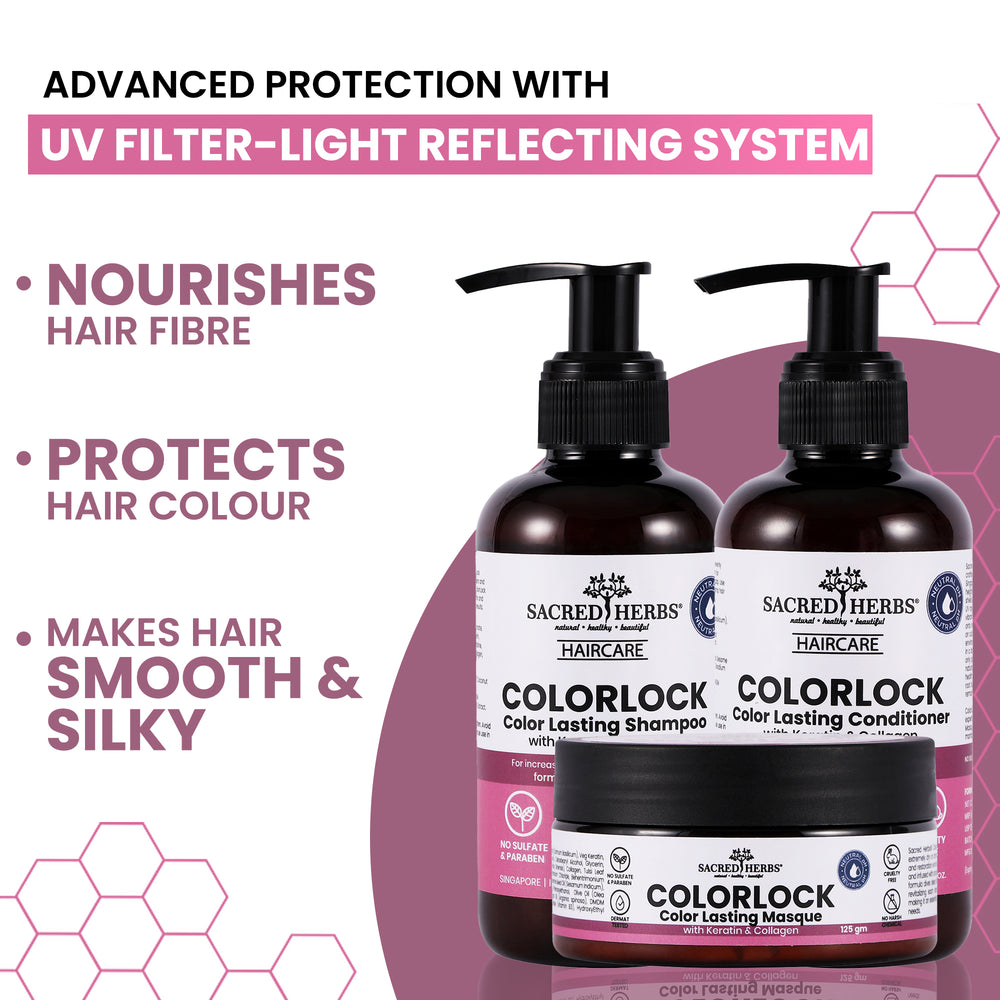
The Super Premium Pack includes a sulphate-free shampoo and conditioner made for post-color care.
Profile 3: The Swimmer or Outdoor Enthusiast
Typical routine: Regular swimming, long hours outdoors, or frequent beach holidays.
Signs of damage:
What the shampoo should do:
-
Gently remove chlorine, salt, and mineral residue
-
Restore moisture afterwards
-
Avoid harsh stripping agents
Supporting habits:
-
Wet your hair with clean water before swimming, so it absorbs less chlorine
-
Wear a swim cap where possible
-
Rinse hair immediately after swimming
-
Cover your hair in strong sun
-
Use a gentle clarifying wash occasionally to remove buildup, followed by deep conditioning
Profile 4: The Rough Handler
Typical routine: Tight ponytails, vigorous towel drying, brushing wet hair from root to tip.
Signs of damage:
-
Breakage in specific spots, such as where you tie your hair
-
Short broken pieces around the crown and hairline
-
Split ends and uneven lengths
What the shampoo should do:
Supporting habits:
-
Use loose hair ties without metal parts
-
Detangle wet hair with a wide-tooth comb, starting from the ends
-
Pat hair dry with a microfibre towel
-
Sleep on a silk or satin pillowcase
Ingredients That Help Across All Four Profiles
Whatever your damage profile, these ingredients are worth looking for in the best shampoo for damaged hair:
-
Mild cleansers: Coco glucoside, decyl glucoside, cocamidopropyl betaine
-
Hydrolysed proteins: Keratin, wheat, rice, or silk
-
Moisturisers: Glycerin, aloe vera, panthenol
-
Plant oils: Argan, coconut, almond
-
Herbal extracts: Amla, hibiscus, fenugreek, and brahmi
For gentle shampoos and conditioners suited to damaged hair, browse the Sacred Herbs hair care collection.
What Shampoo Can't Do Alone
Pair your shampoo with:
-
A conditioner after every wash
-
A weekly repair mask
-
A leave-in conditioner or serum for the ends
-
Regular trims to remove split ends before they travel up the strand
Conclusion
Start with three swaps. Replace your current shampoo with a sulphate-free formula. Remove your biggest source of damage, whether that's a hot styler, harsh color, chlorine, or rough handling. Add conditioner and a weekly mask to every wash routine. These three changes will do more for damaged hair than any single expensive product.
Frequently Asked Questions
What is the best shampoo for damaged hair?
A sulphate-free shampoo with plant proteins, moisturisers, and gentle cleansers, chosen to suit the cause of your damage.
Can shampoo repair damaged hair completely?
No. Shampoo stops further damage and supports recovery, but split ends need trimming and severe damage takes time to grow out.
How often should I wash damaged hair?
Two to three times a week suits most damaged hair, using lukewarm water and a gentle formula.
Is protein shampoo good for damaged hair?
Yes, especially for weak, stretchy hair. Balance it with moisture so hair doesn't become stiff.
Should swimmers use a clarifying shampoo?
Occasionally, yes, to remove chlorine and minerals. Always follow with a deep conditioner.
Does hair color always damage hair?
Ammonia-based dyes build up damage over time, but pH-neutral formulas are much gentler.