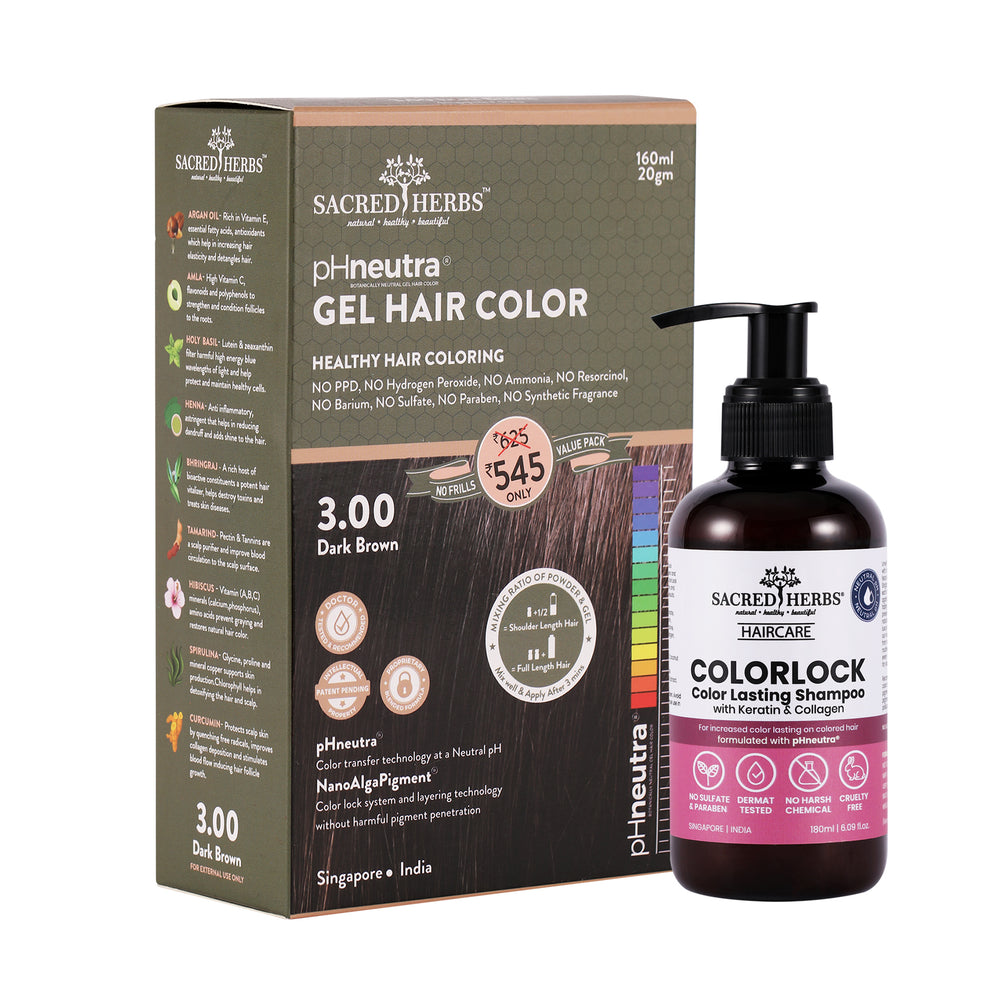
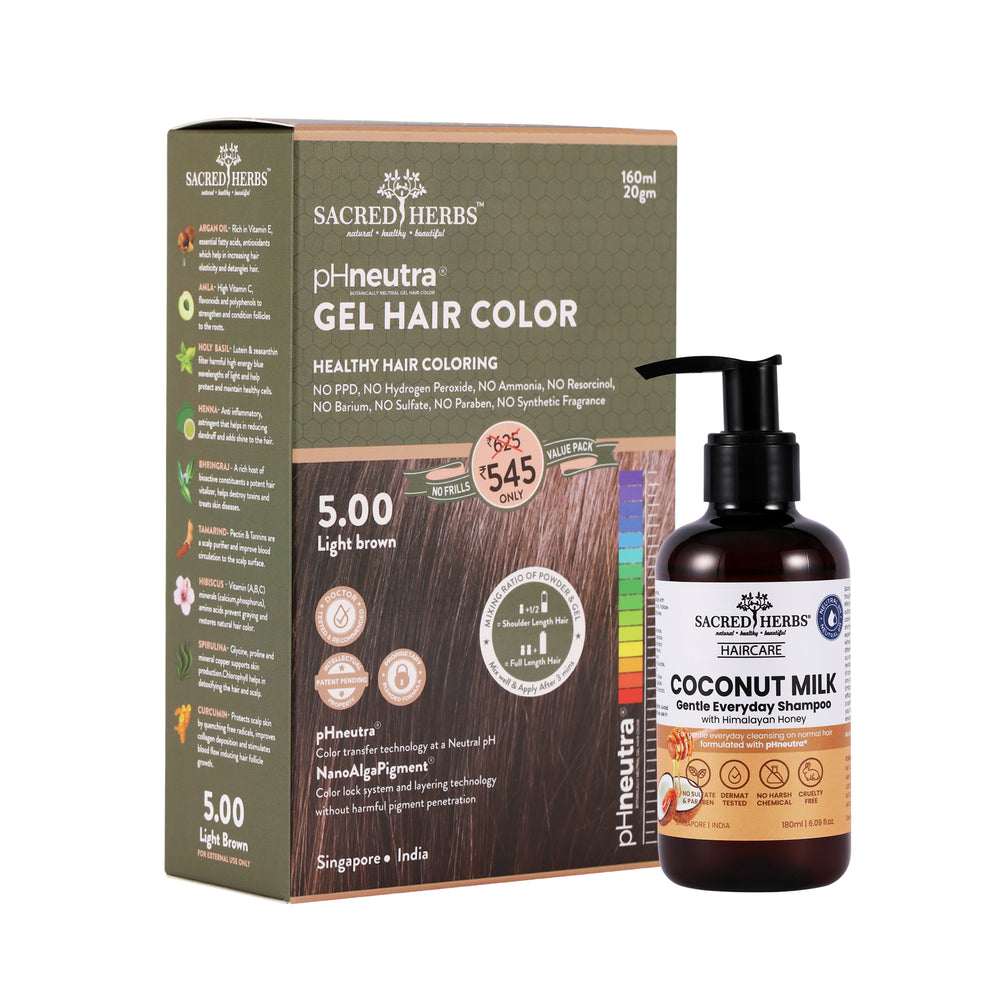
Color Lock Shampoo: Why Your Hair Color Is Fading Faster Than It Should
You just colored your hair. It looks exactly the way you wanted. Then, two weeks later, you are already noticing the color looks washed out, dull, or uneven. If this sounds familiar, you are not alone, and the problem is likely not your hair color at all. It is what you use to wash it afterward.
Color lock shampoo in India is still a relatively underused category, even though it solves one of the most common complaints among people who color their hair at home or at a salon. This piece explains how color-locking formulas work, why Indian hair conditions make them particularly relevant, and how to choose a product that genuinely supports your hair color over time.
The Science Behind Colour Fade: What Is Actually Happening to Your Hair
To understand why color lock shampoos exist, you need to understand what happens to hair during and after coloring.
Hair color, whether from a conventional dye or a herbal formulation, works by interacting with the hair shaft at the cuticle level. The cuticle is the outermost layer of each strand, made up of overlapping scales that ideally lie flat and smooth. During the colouring process, these scales open up to allow color molecules to enter. After colouring, the cuticle needs to close back down around those molecules.
The problem is that heat, water, and harsh cleansers keep lifting those cuticle scales back open after every wash. When the cuticle does not seal properly, color molecules escape gradually, which is what produces visible fading.
Hard water, which affects a large part of urban India, speeds this process up considerably. The calcium and magnesium in hard water react with hair proteins and create a coating that not only dull the color but also makes it harder for post-color treatments to penetrate effectively.
What a Color Lock Shampoo Does Differently
A color lock shampoo is designed with three specific goals that a regular shampoo does not prioritize.
Goal 1: pH management Color lock formulas are typically pH-balanced to a slightly acidic range, around 4.5 to 5.5. This acidity signals the cuticle scales to close, locking color molecules inside the hair shaft rather than letting them rinse away.
Goal 2: Gentle surfactant systems Instead of sulfates, color lock shampoos use gentler, plant-derived surfactants that clean the scalp and hair without aggressively stripping the cuticle. This means less mechanical disruption to the hair fiber with each wash.
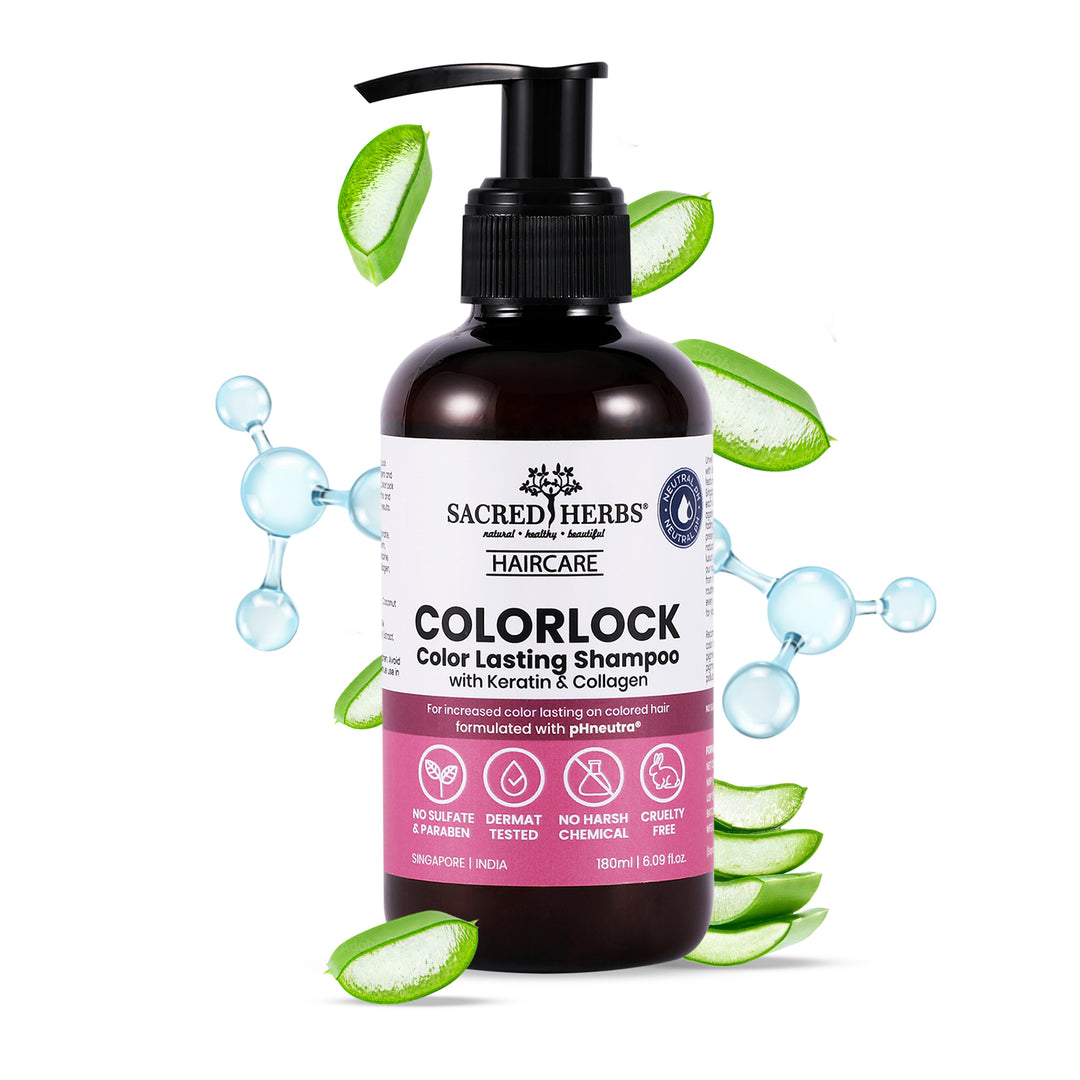
Goal 3: Conditioning agents that seal rather than coat Where conventional shampoos may use silicones to coat the hair superficially, color lock shampoos use conditioning agents that support the cuticle's natural structure. Ingredients like hydrolyzed keratin, hibiscus extract, or amla may help smooth the cuticle layer and support colour retention.
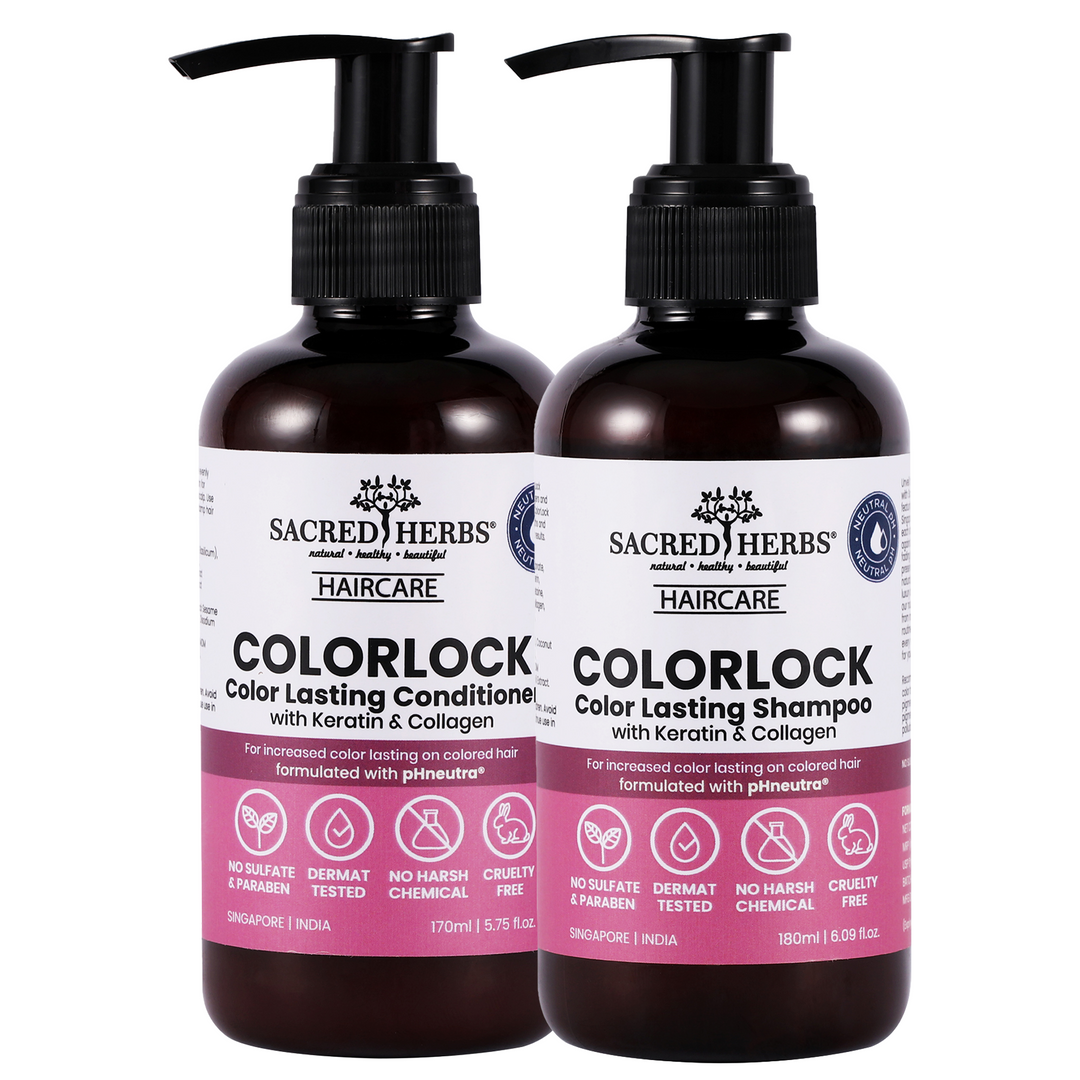
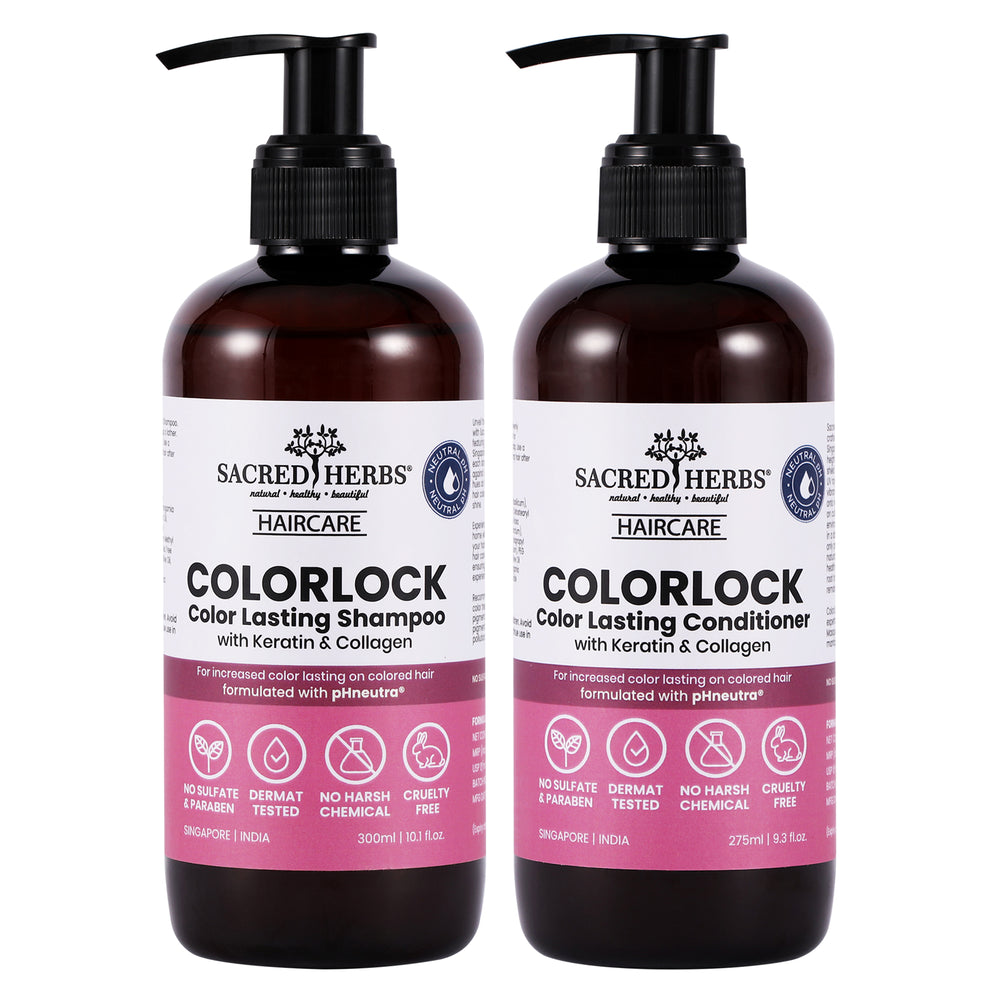
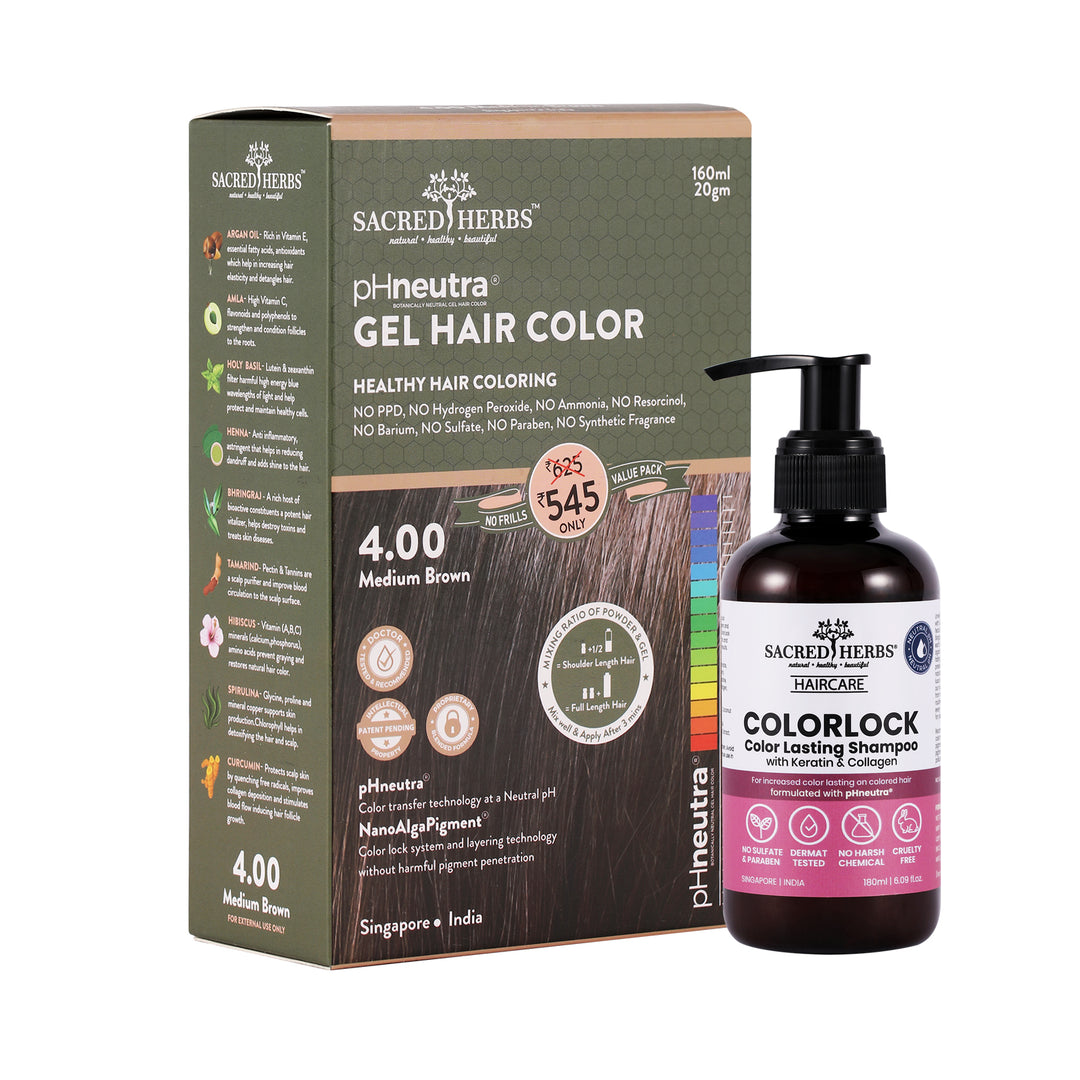
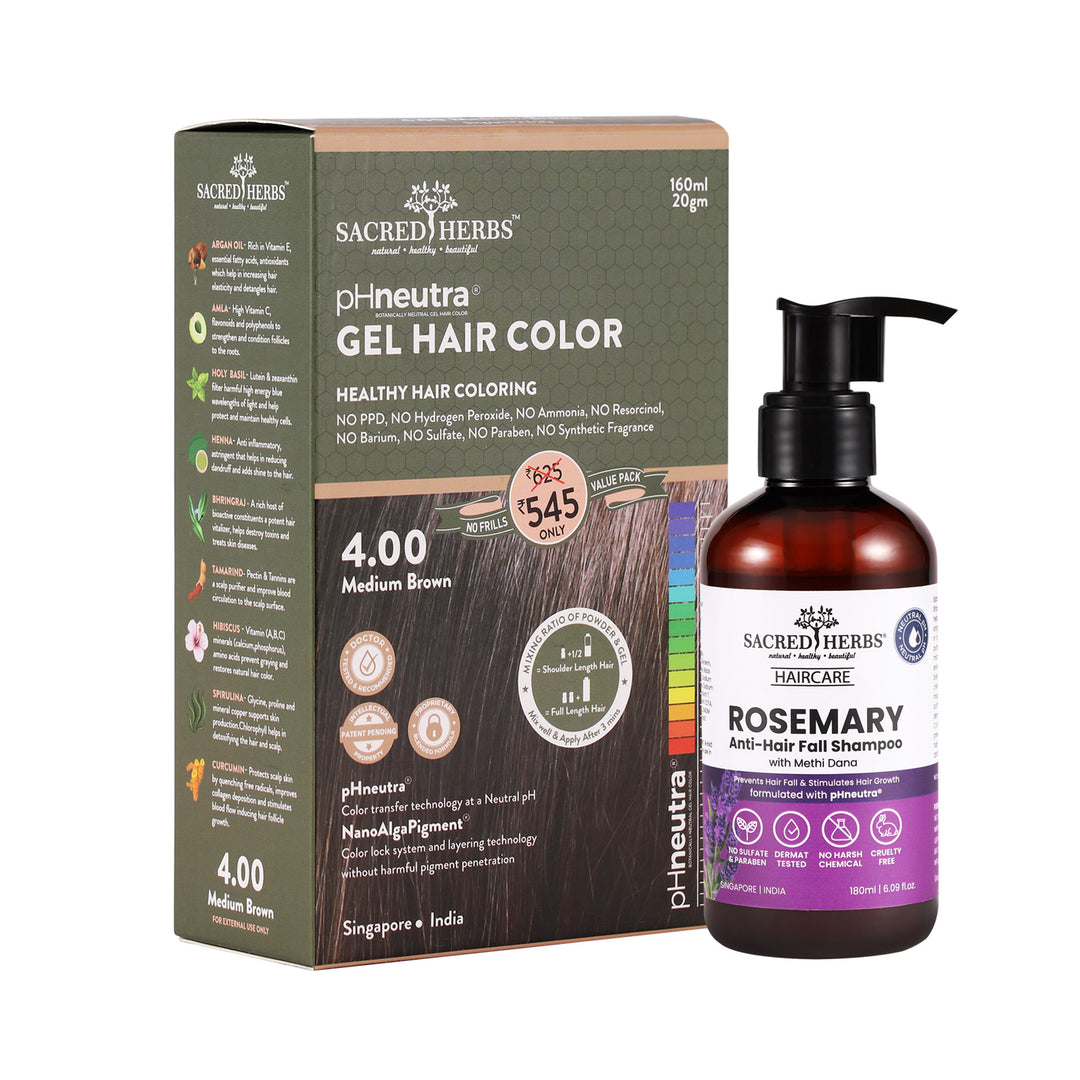
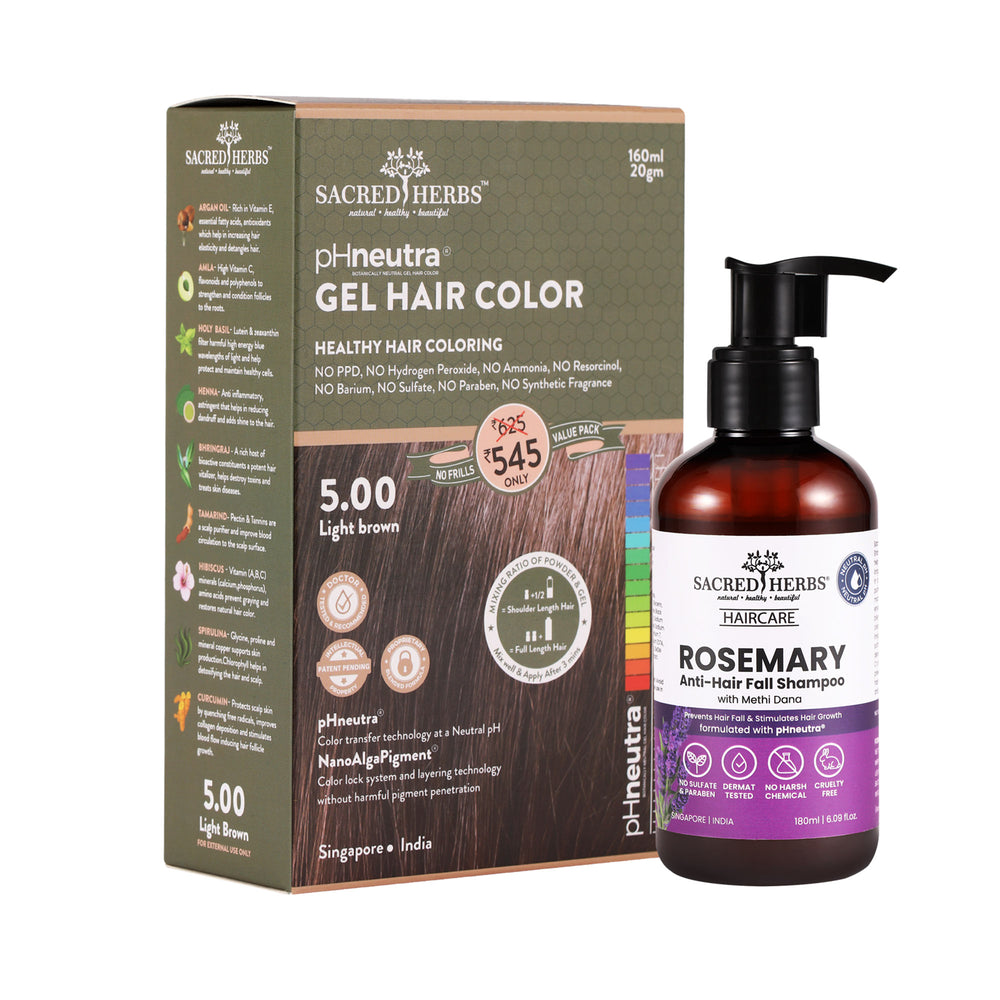
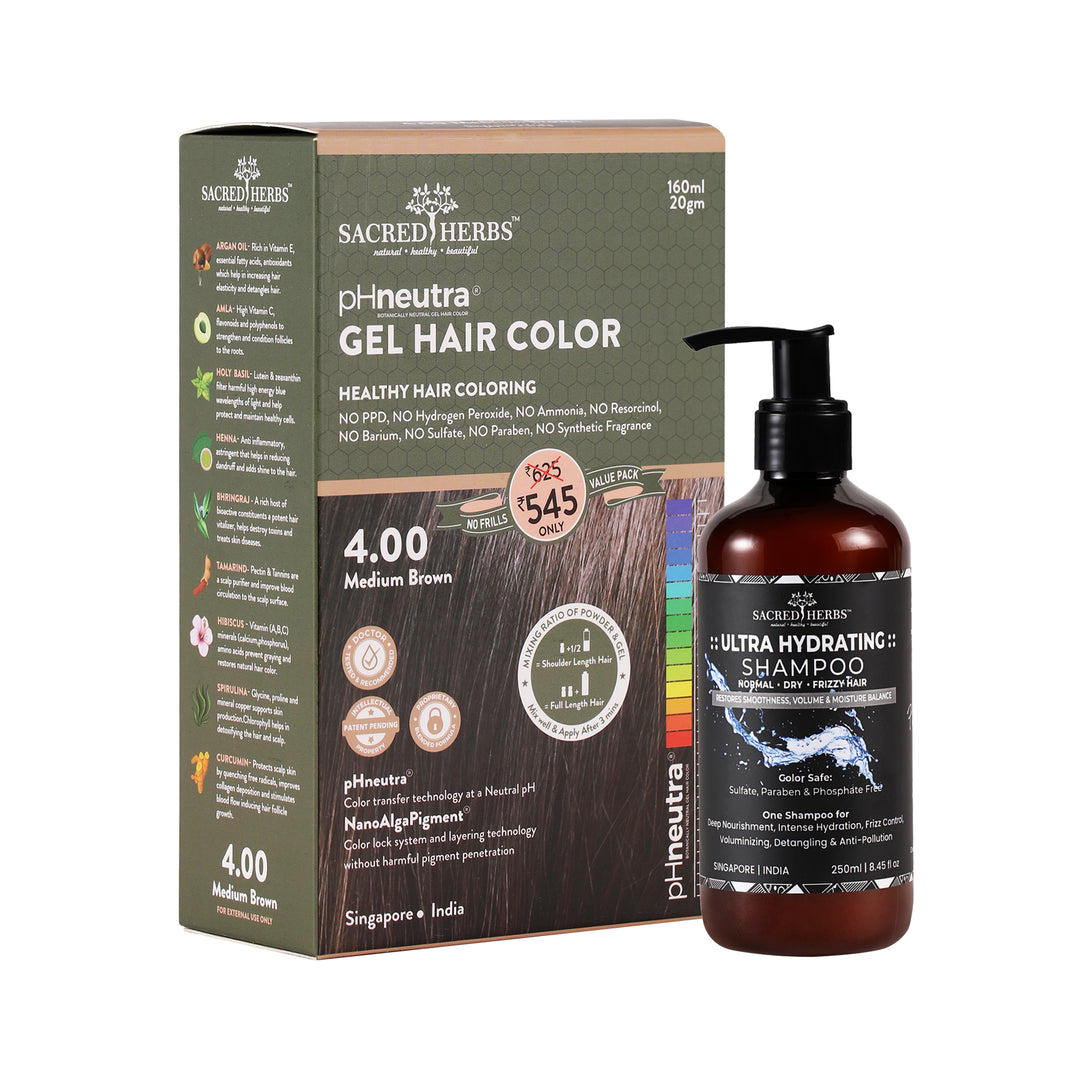
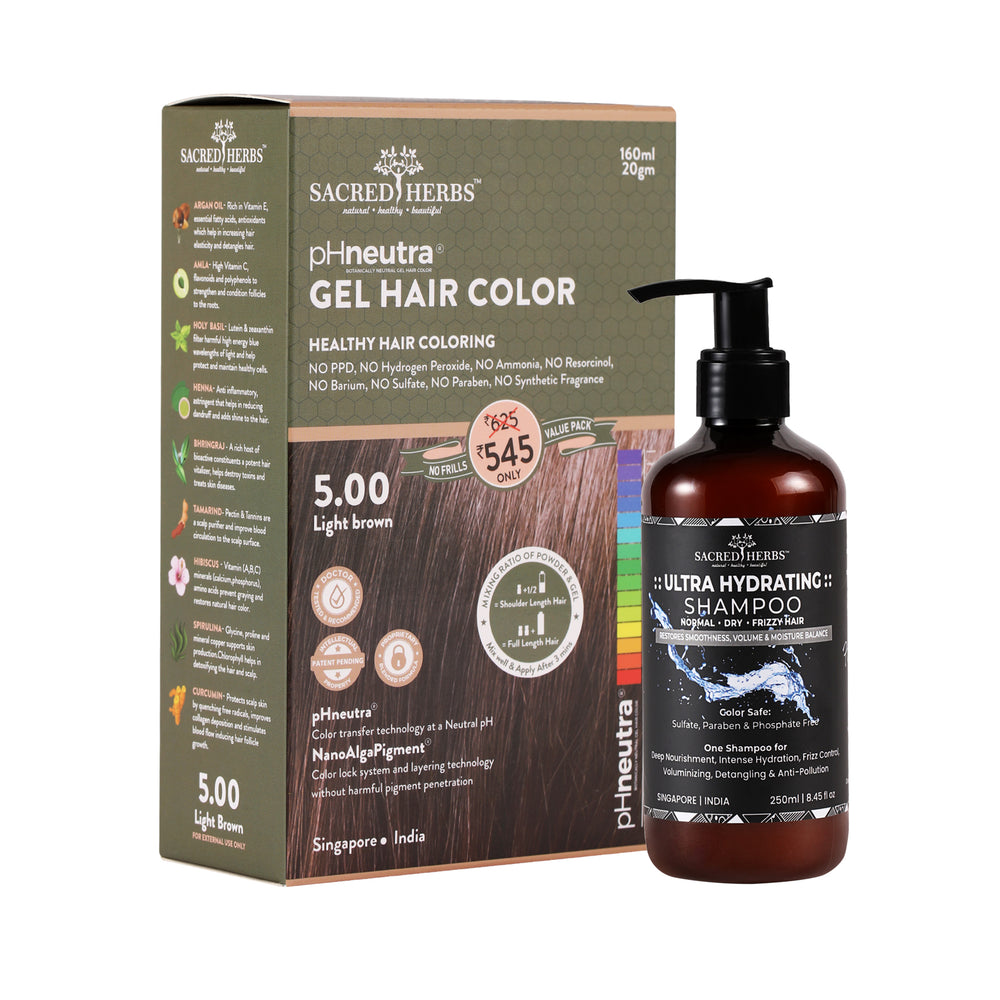
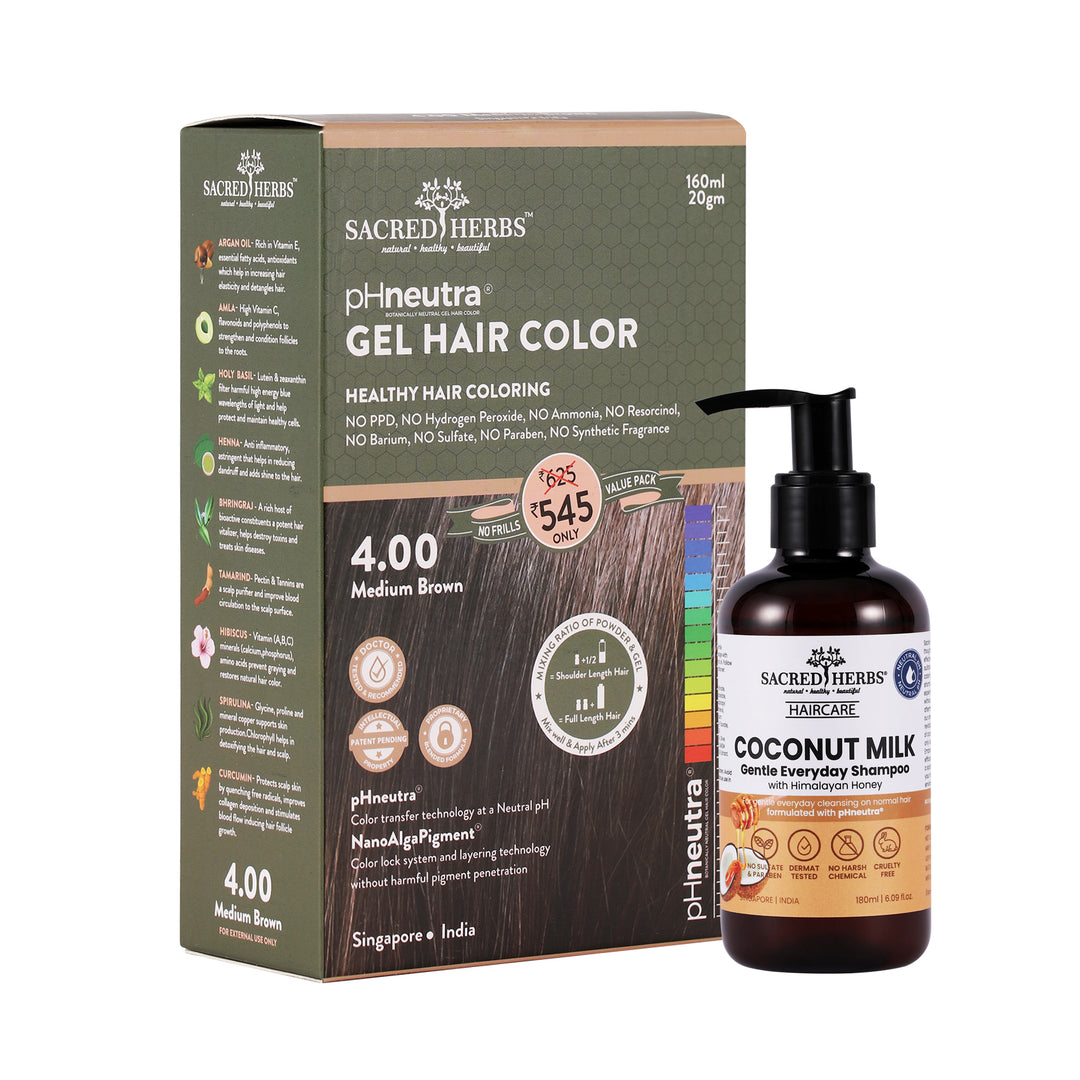
If you color your hair with a botanically formulated product and want your color to last longer, pairing it with a complementary cleanser is an important step. Explore the Hair Color range to see how Sacred Herbs approaches the full coloring experience.
Why Colour Lock Shampoo Matters Specifically in Indian Conditions
India presents specific challenges for color treated hair that make the right shampoo more relevant here than in many other markets.
Hard water is present in a majority of Indian cities. Research by the Bureau of Indian Standards has identified high mineral content in water supply across multiple urban regions including parts of Maharashtra, Rajasthan, and Delhi NCR. For colour-treated hair, this means a mineral buildup challenge on top of the regular challenges of color fade.
Humidity in coastal cities like Mumbai and Chennai can also affect how well the hair cuticle stays sealed after coloring. High humidity causes the hair fiber to swell and the cuticle to lift, which accelerates color loss during the monsoon and post-monsoon months.
Exposure to UV radiation, which is higher across India than in many temperate countries, can also break down color molecules in the hair shaft over time. Some color lock formulas now include UV filters to address this, which is worth looking for on labels.
Ingredients Worth Looking for in a Colour Lock Shampoo in India
When reading a product label, these ingredients are a positive sign:
- Aloe vera: known for its ability to smooth the hair cuticle and support moisture retention
- Hibiscus extract: traditionally used in Indian hair care, may support cuticle health and add natural shine
- Hydrolyzed protein: helps fill micro-gaps in the hair fibre caused by coloring, reducing colour escape
- Amla or Indian gooseberry: rich in natural tannins that may support cuticle sealing properties
- Coconut-derived surfactants: gentle cleansers that remove impurities without stripping color
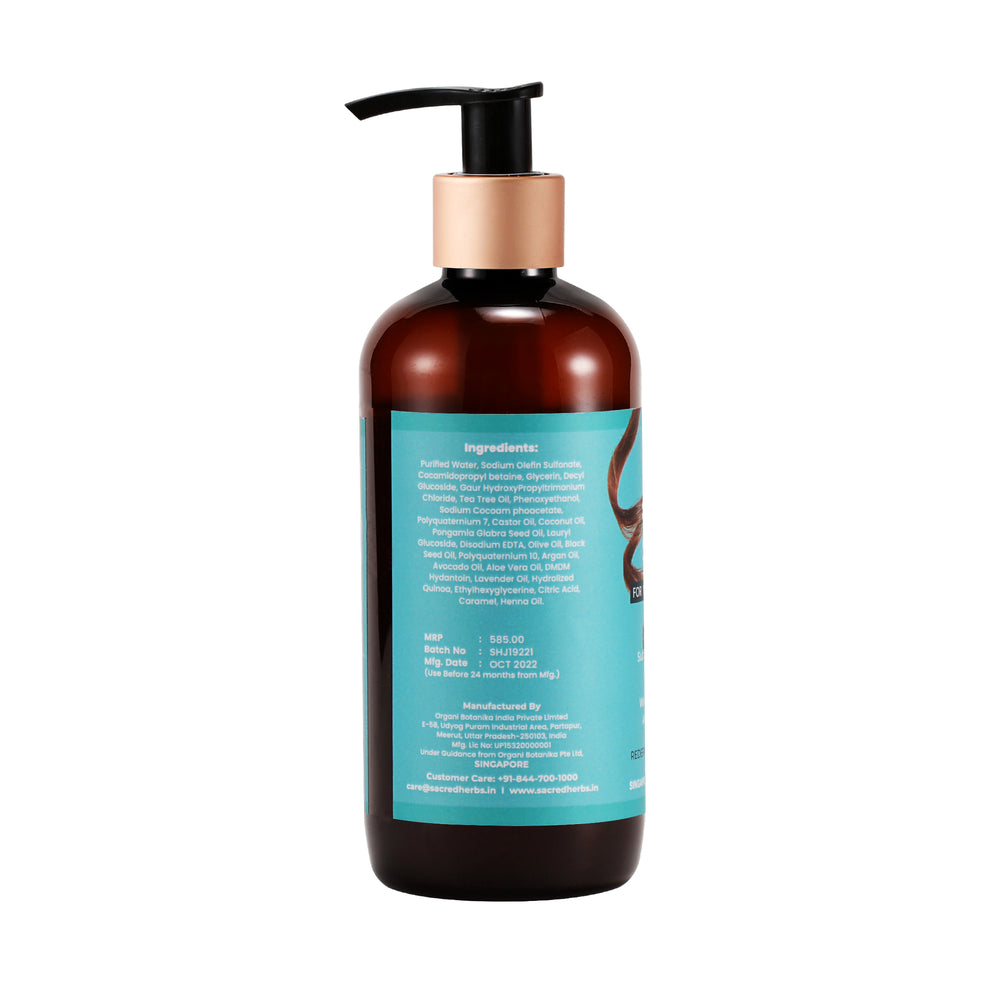
Ingredients to actively avoid include sodium lauryl sulfate, sodium laureth sulfate, isopropyl alcohol, and high concentrations of added fragrance, all of which can disrupt the post-color cuticle and shorten the life of your color.
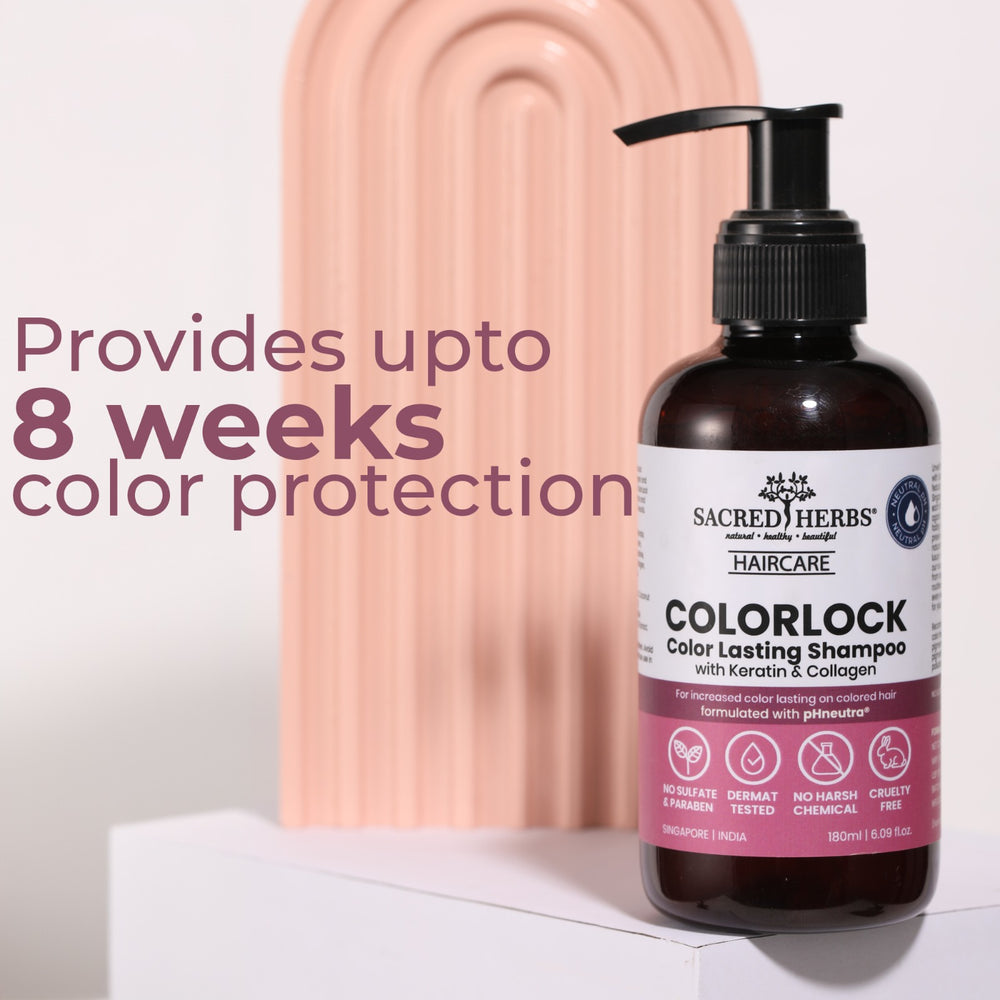
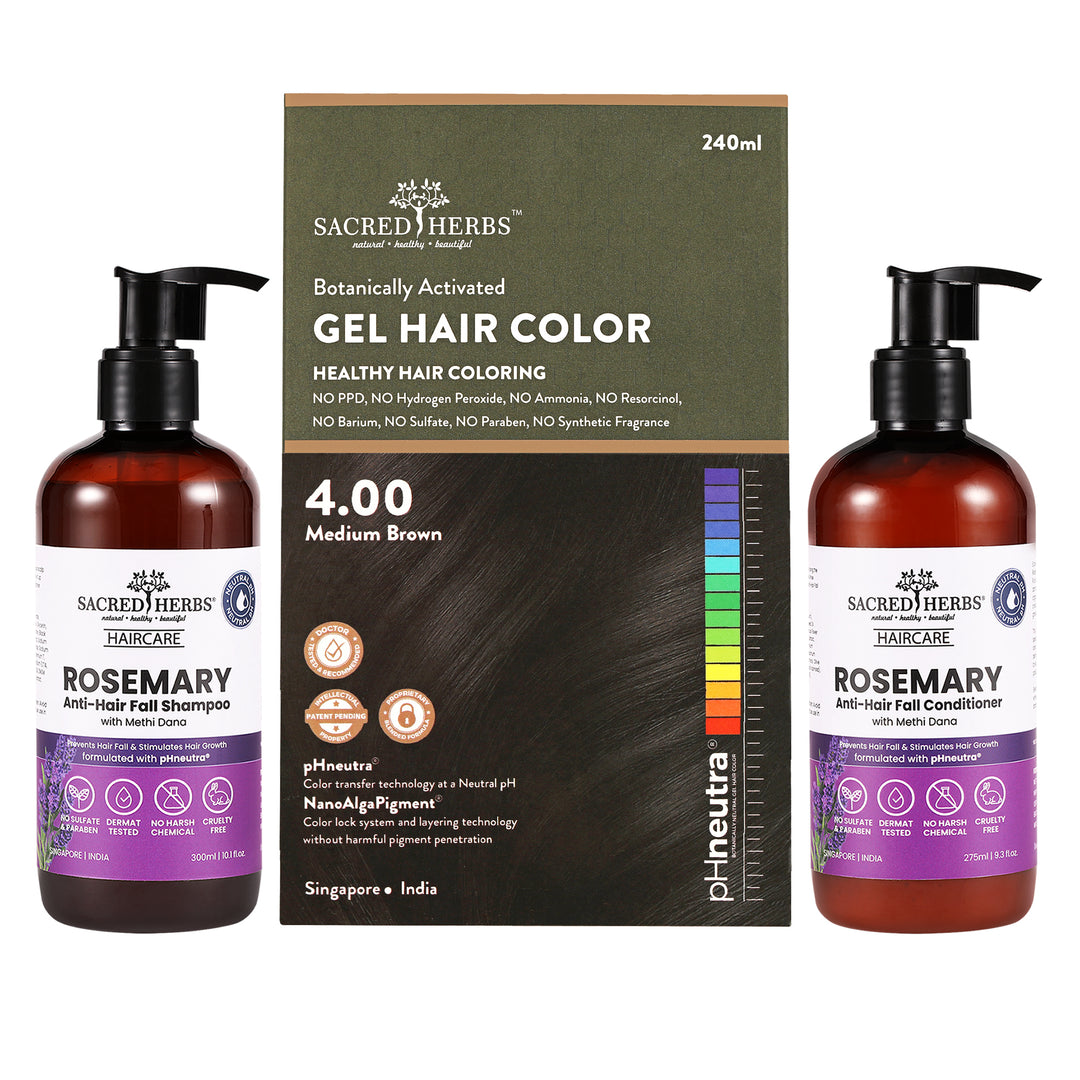
The Hair Care collection at Sacred Herbs is formulated with botanical ingredients that are compatible with colour-treated hair.
How to Use a Colour Lock Shampoo for Maximum Effect
The product itself is only part of the answer. How you use it matters equally.
Follow these steps for the best results:
- Wet hair thoroughly with cool or lukewarm water before applying shampoo. Avoid hot water, as it opens the cuticle.
- Apply the shampoo gently, working it into the scalp without vigorous scrubbing of the lengths.
- Rinse with cool water. A cool final rinse helps close the cuticle after washing.
- Apply a post-color conditioner immediately after shampooing and leave it on for two to three minutes before rinsing.
- Pat your hair dry gently with a soft towel. Do not rub or wring the hair.
Using a deep conditioning treatment once a week alongside your regular color lock shampoo routine extends color life further and keeps hair soft between coloring sessions.
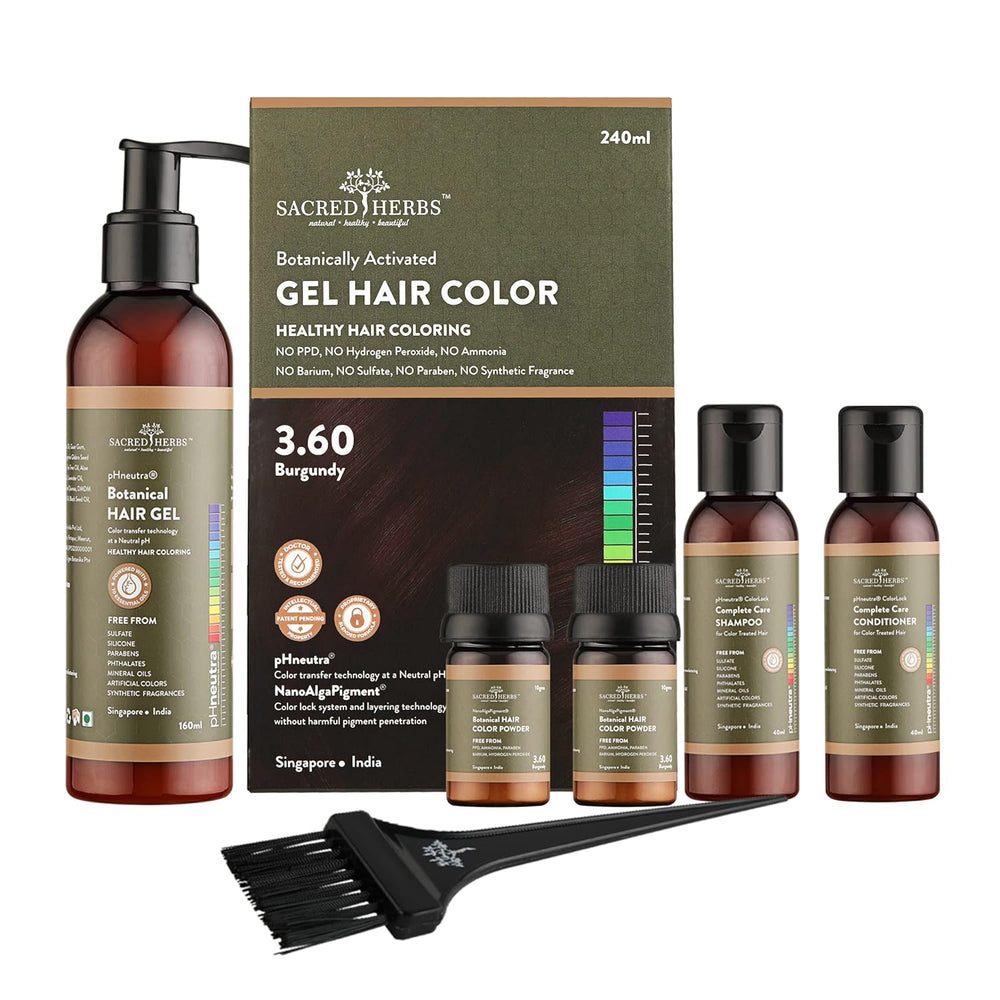
For a complete herbal hair care system designed to support this kind of consistent routine, the Super Premium Pack from Sacred Herbs brings together products built around the same botanical ingredient philosophy.
How Often Should You Use a Color Lock Shampoo?
Two to three times a week is the general recommendation for color treated hair. Washing more frequently, even with a gentle color lock formula, increases the number of times the hair shaft is exposed to water and mechanical handling, both of which contribute to color fade over time.
Between wash days, dry shampoo can be used sparingly to manage scalp oil, but avoid overuse as it can cause buildup at the roots.
Frequently Asked Questions
Q: Is color lock shampoo the same as a regular colour-safe shampoo?
Not exactly. Color safe shampoos avoid harsh sulfates. Color lock shampoos are additionally formulated to actively help seal the cuticle and support color retention through pH management and specific conditioning agents.
Q: How soon after coloring should I start using a colour-lock shampoo?
Wait at least 48 hours after coloring before the first wash. From that point, use a color lock shampoo consistently with every wash.
Q: Does a color lock shampoo work on herbal hair color as well?
Yes. Color lock formulas support colour retention regardless of whether the color used was herbal or conventional, as the mechanism of cuticle sealing applies to both.
Q: Can I use a colour-lock shampoo if I have not colored my hair?
Yes. These shampoos are gentle enough for regular use and may benefit uncoloured hair as well, as their pH-balancing and cuticle-sealing properties support general hair health.
Q: How long does it take to see a difference in color longevity after switching to a color lock shampoo?
Most users notice a difference after two to three coloring cycles of consistently using a color lock shampoo and conditioner system.
Q: Does hard water in Indian cities reduce the effectiveness of color lock shampoos?
Hard water creates a mineral barrier on the hair shaft that can counteract some of the benefits. Using a chelating rinse or a diluted apple cider vinegar rinse periodically may help maintain effectiveness in hard water conditions.