Best Shampoo and Conditioner for Frizzy Hair: Why the Pair Matters More Than Either Product Alone
Here is something the beauty industry rarely says out loud: your shampoo and your conditioner are supposed to be a team. When you buy a great shampoo from one brand and a random conditioner from another, or use a clarifying shampoo with a lightweight conditioner, you are asking two products with different jobs and different chemistry to somehow cooperate on the shared goal of taming your frizz. Often, they do not.
For frizzy hair specifically, this pairing matters enormously. Frizz is a problem of moisture and cuticle behaviour, and controlling it requires the cleansing step and the conditioning step to work in the same direction. This article explains why the best shampoo and conditioner for frizzy hair should be chosen as a pair, and how to build or buy that pairing.
Understanding Frizz Before Fighting It
Frizz is uneven moisture absorption. Each strand of hair has a cuticle, an outer layer of overlapping scales. When those scales lie flat, hair is smooth. When humid air pushes moisture into the strand unevenly, through the most damaged or lifted points first, the strand swells irregularly, bends, and separates from its neighbours. That separation, across your whole head, is frizz.
Two factors make hair frizz-prone:
Controlling frizz means addressing both, and this is precisely why the shampoo and conditioner must work as a pair.
The Two Jobs, and Why They Must Align
The Shampoo's Job
The shampoo's job is to cleanse without stripping. A harsh, sulfate-heavy shampoo removes dirt but also strips the hair's natural oils, leaving the fibre dry and moisture-hungry, which is the exact condition that drives frizz. The right shampoo for frizzy hair cleanses gently, preserving the moisture balance the conditioner then builds on.
If the shampoo strips, the conditioner spends its effort repairing rather than improving. The pair works against itself.
The Conditioner's Job
The conditioner's job is to smooth and seal. It deposits conditioning agents that help the cuticle lie flat, delivers moisture into the fibre, and leaves a light barrier that slows humid air's access. A conditioner following a gentle shampoo builds on preserved moisture. A conditioner following a stripping shampoo starts from a deficit.
This is the case for pairing: when both products share a gentle, moisture-preserving philosophy, they compound each other. When they conflict, they cancel each other.
What the Best Shampoo and Conditioner for Frizzy Hair Share
A well-matched anti-frizz pair has these characteristics in common:
Both are sulfate-free. The shampoo avoids stripping; the conditioner does not have to compensate.
Both are pH-balanced. A slightly acidic pH in both encourages the cuticle to lie flat through the whole wash process.
Both include smoothing and hydrating botanicals. Hibiscus, aloe vera, and panthenol appear across both products, creating consistency.
Neither relies on heavy silicone buildup. Silicone-heavy products feel smooth temporarily but build up over time, eventually dulling hair and masking rather than improving its condition.
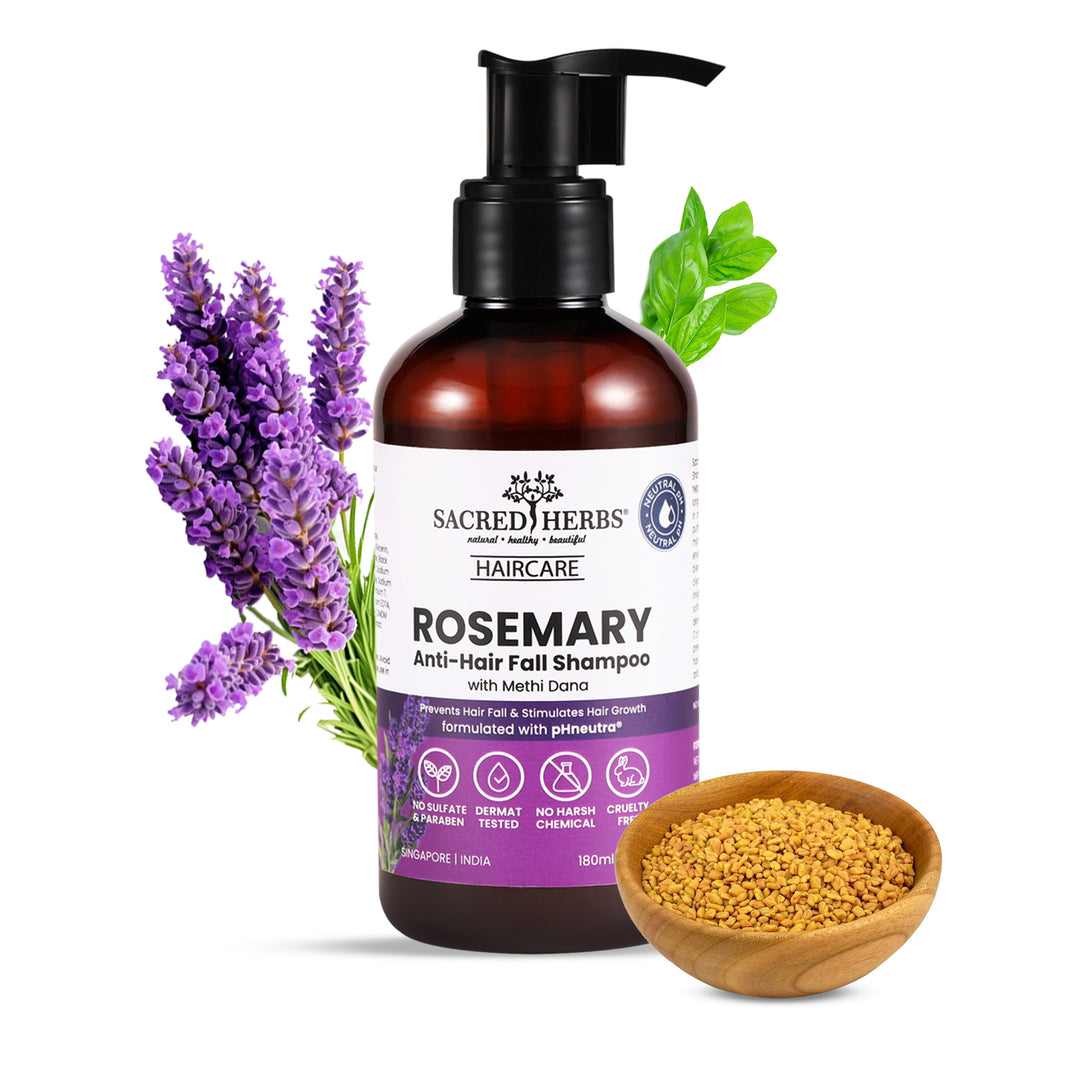
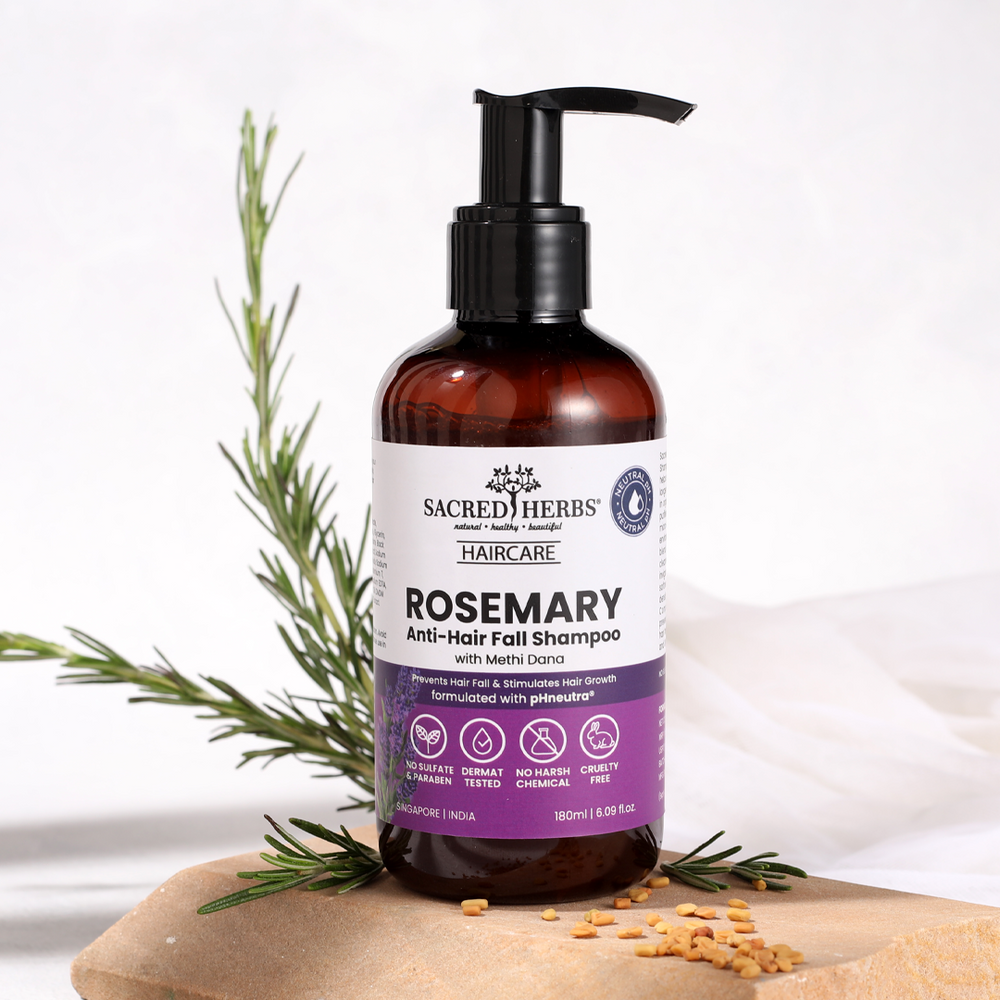
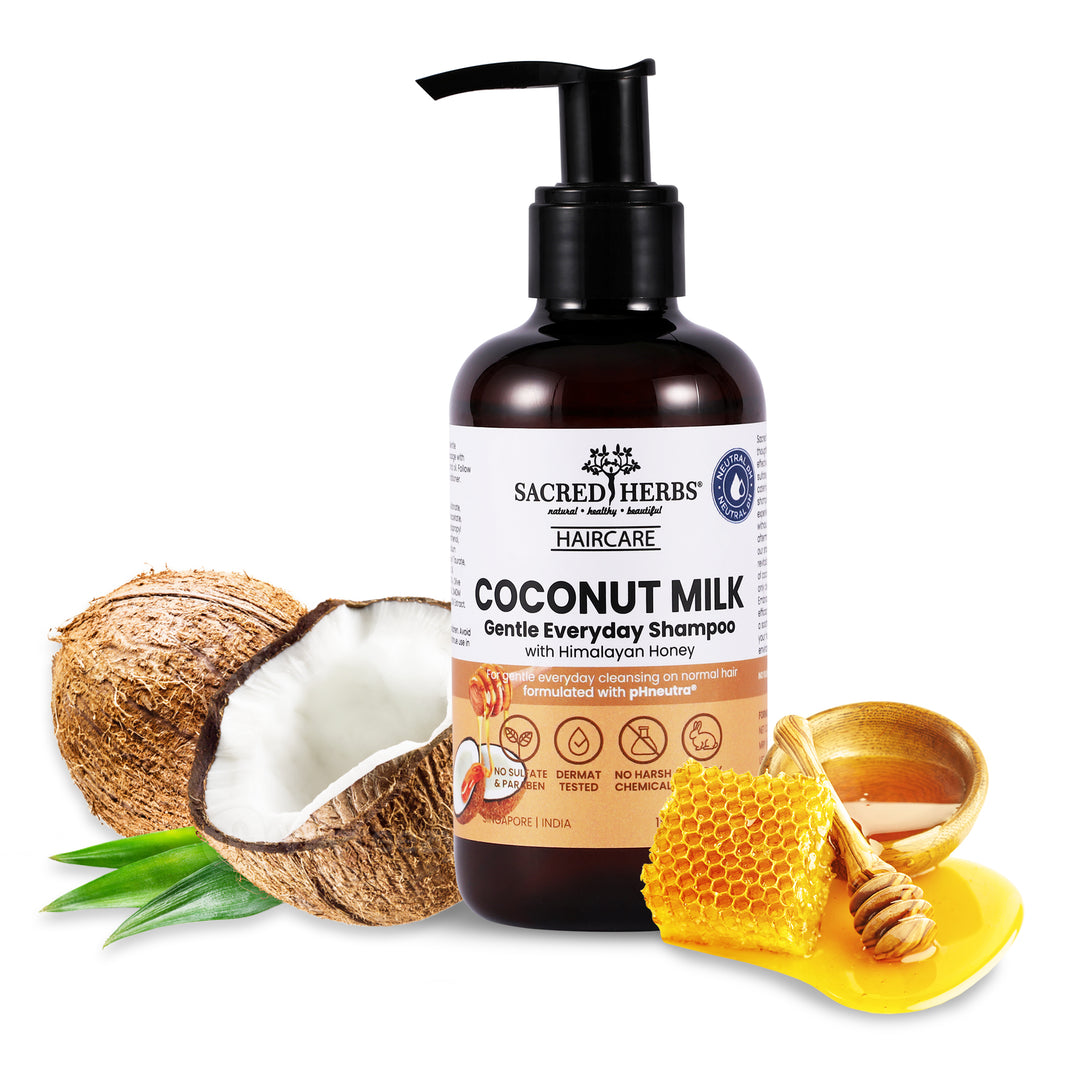
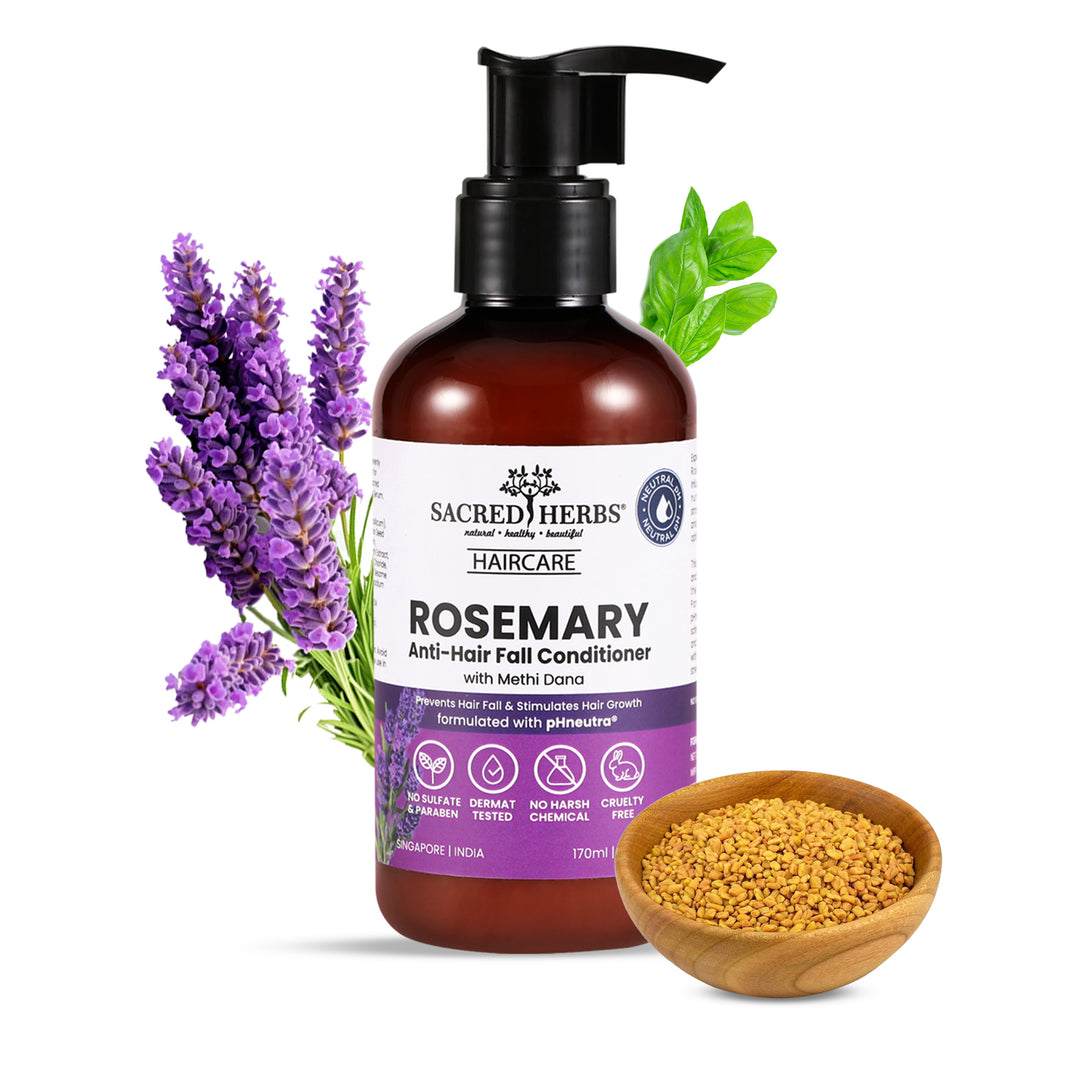
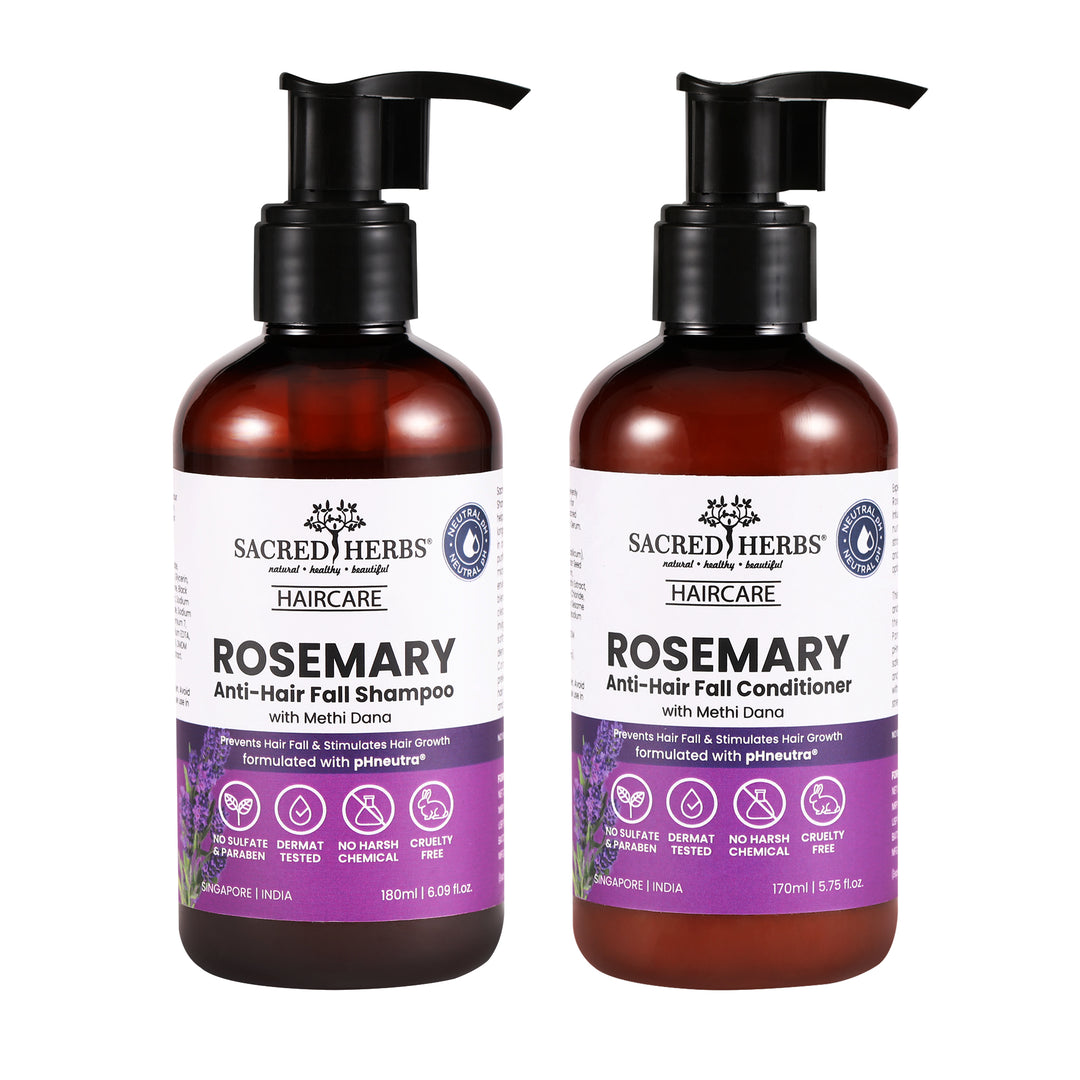
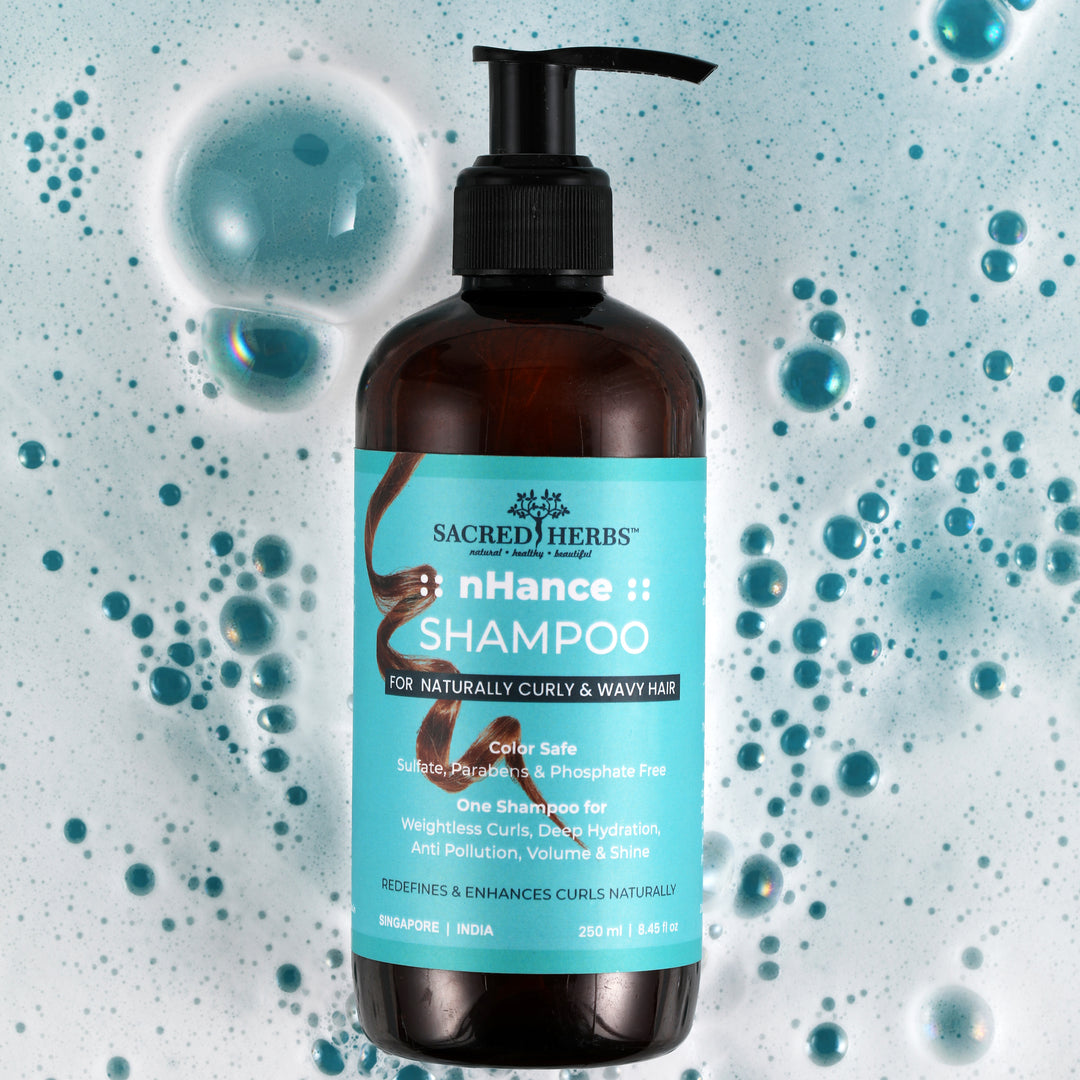
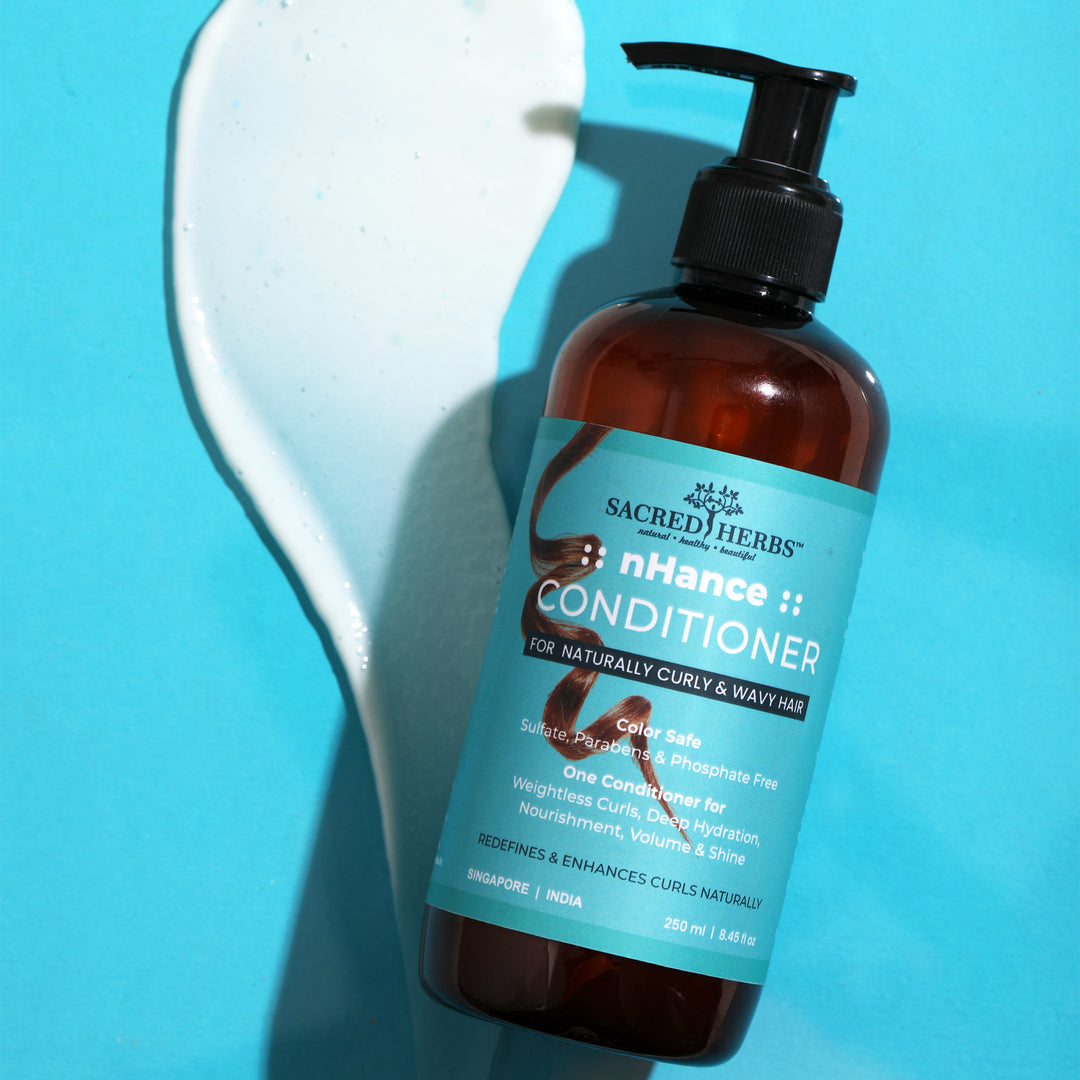
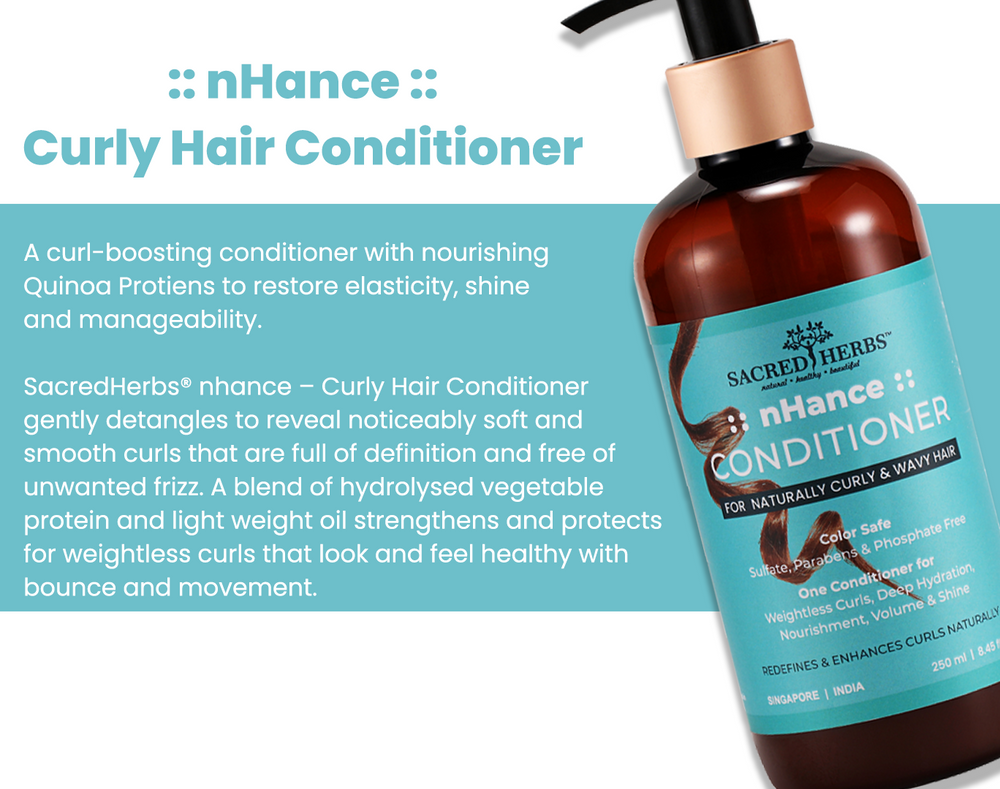
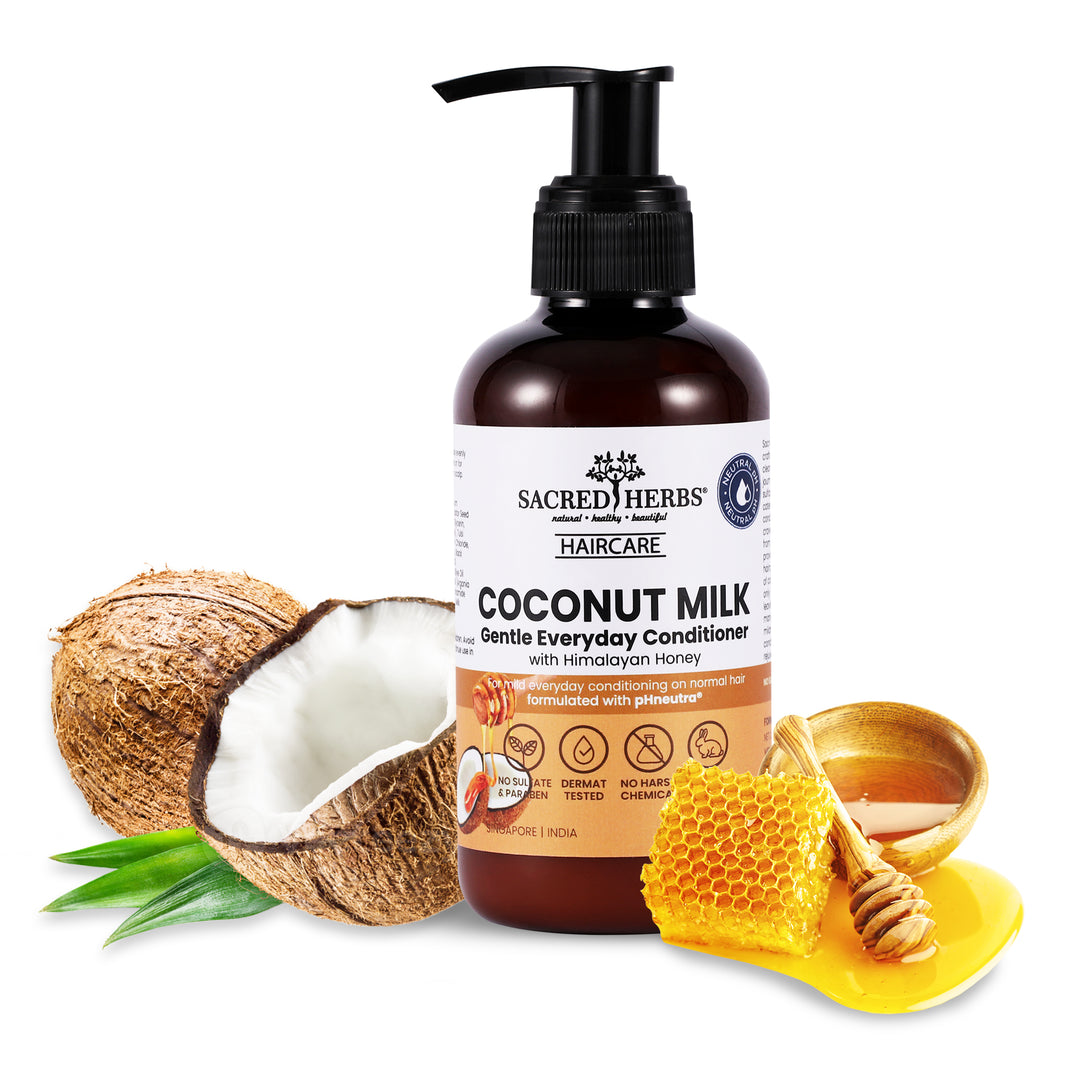
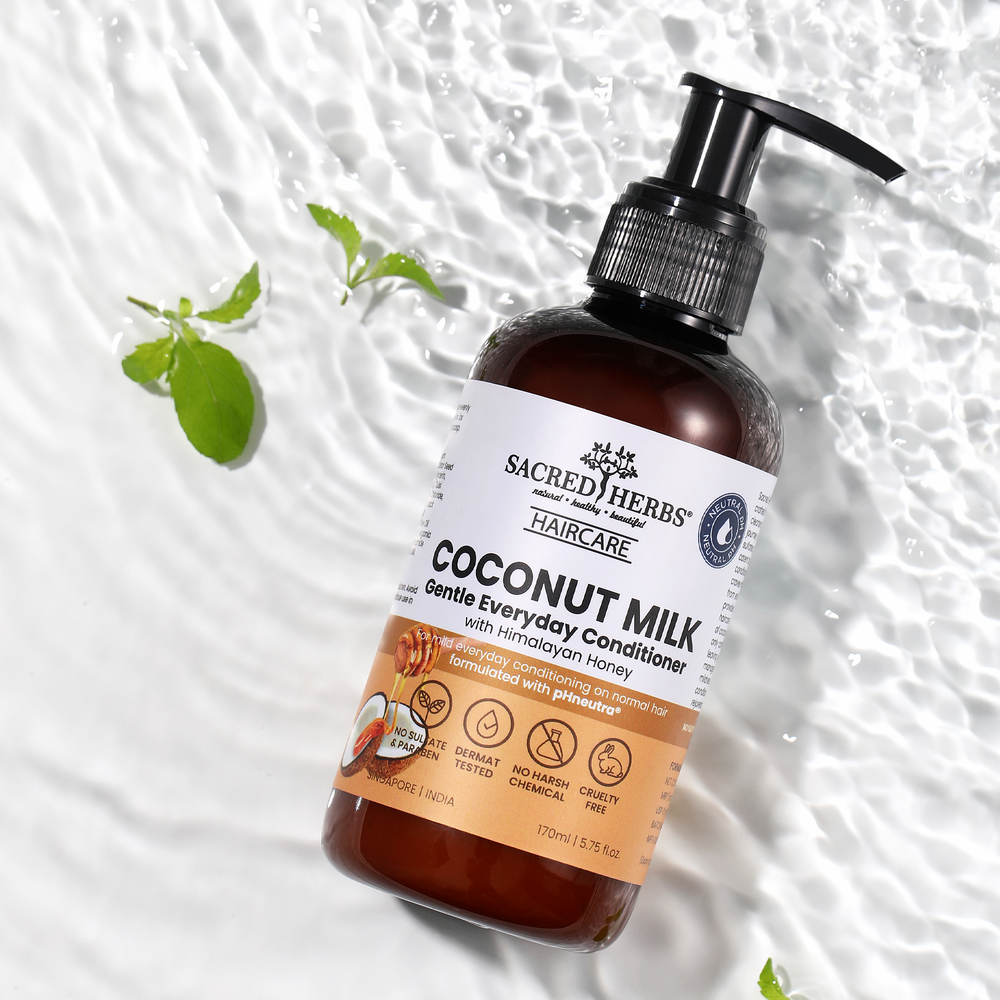
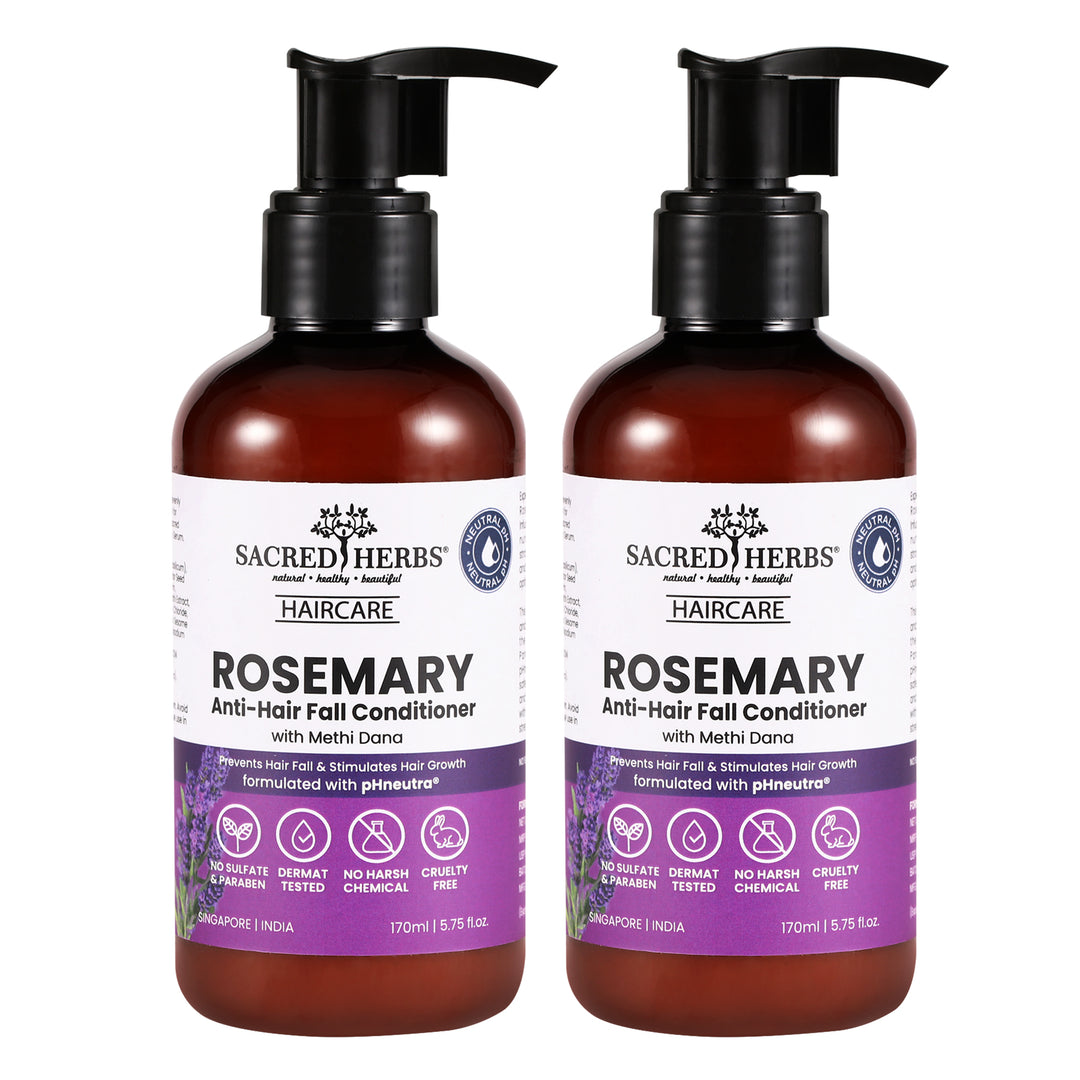
The Hair Care collection at Sacred Herbs is formulated around this kind of botanical consistency, so the cleansing and conditioning steps work in the same direction.
The Ingredients That Fight Frizz in a Matched Pair
Look for these across both the shampoo and conditioner:
For cuticle smoothing:
-
Hibiscus extract, a traditional Indian smoothing ingredient
-
Behentrimonium or cetrimonium in the conditioner for cuticle deposition
For internal hydration:
-
Panthenol (Provitamin B5), which penetrates and binds moisture inside the shaft
-
Glycerin, a humectant, ideally mid-list for humid climates
-
Aloe vera, hydration with lightness
For barrier and slip:
For structural support:
Using the Pair Correctly
The matched pair still needs correct technique:
-
Wet hair with lukewarm water. Never hot, which lifts the cuticle.
-
Apply the sulfate-free shampoo to the scalp, massaging gently. Let the lather rinse through the lengths rather than scrubbing them.
-
Squeeze out excess water before conditioning. Waterlogged hair dilutes the conditioner.
-
Apply conditioner from mid-lengths to ends, distributing with a wide-tooth comb.
-
Leave the conditioner on for three minutes minimum.
-
Rinse with cool water. The cool rinse sets the smoothed cuticle in place.
-
Blot gently with a microfiber towel. Never rub, which roughs the cuticle you just smoothed.
The Steps That Complete the Anti-Frizz System
The shampoo-conditioner pair is the core, but two additions complete the frizz-control system:
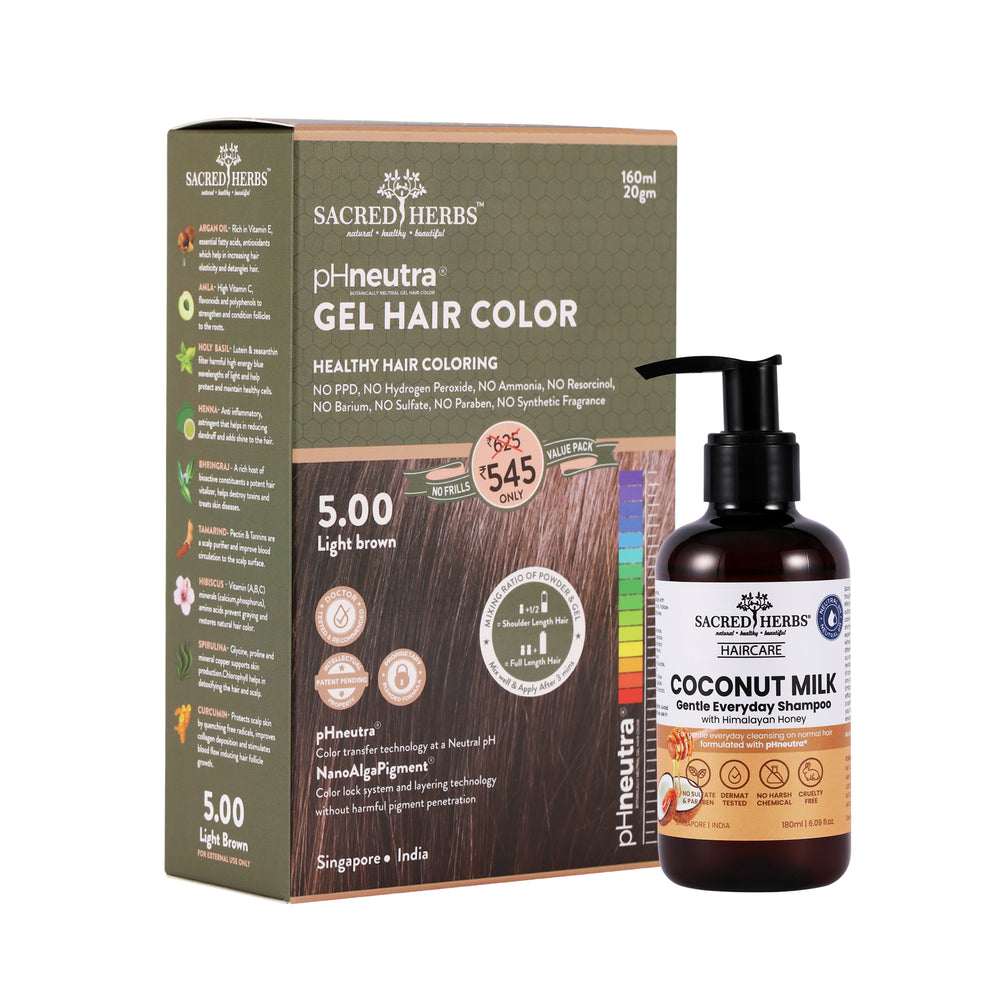
For those who want the complete system coordinated in one purchase, the Super Premium Pack from Sacred Herbs brings botanical hair care essentials together as one integrated routine.
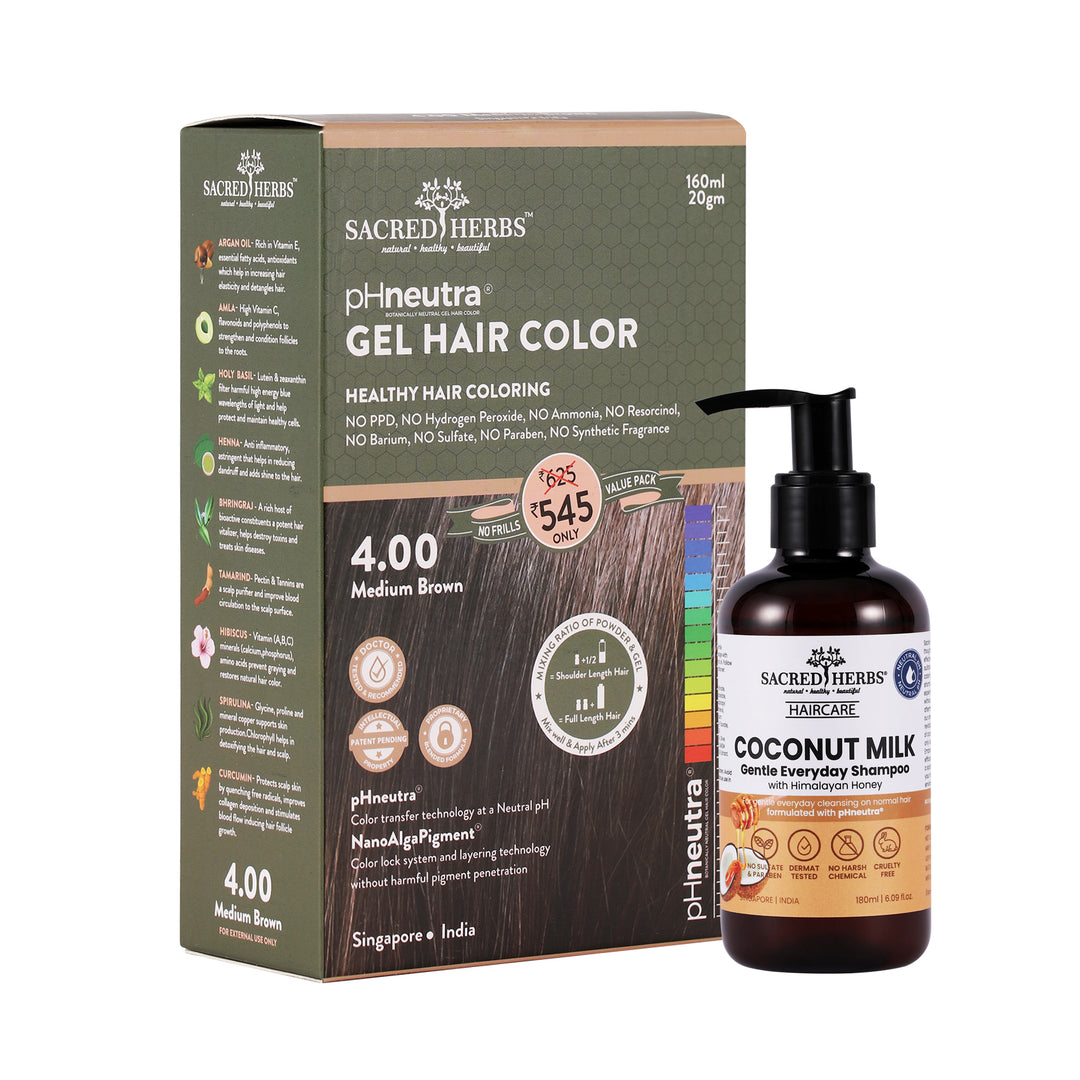
There is also a coloring connection worth noting. Ammonia-based hair color raises porosity, and porous hair frizzes more. For those covering grey while fighting frizz, the botanical, ammonia-free formulations in the Hair Color range at Sacred Herbs avoid adding to the porosity problem.
The Mistakes That Undermine a Good Pair
Even with well-matched products, these habits reverse progress:
-
Washing with hot water, which lifts the cuticle both products are trying to seal
-
Skipping the conditioner to save time, abandoning the pair at halftime
-
Rough towel drying, which roughs the smoothed cuticle
-
Overusing silicone serums on top, causing buildup that eventually dulls
-
Mixing a clarifying shampoo with a lightweight conditioner, a mismatched pair that strips more than it smooths
Frequently Asked Questions
Q: Why should shampoo and conditioner be bought as a pair for frizzy hair?
Because frizz control needs the cleansing and conditioning steps to work in the same direction. A gentle shampoo preserves moisture that the conditioner then builds on.
Q: Are sulfate-free products necessary for frizzy hair?
They help significantly. Sulfates strip natural oils, leaving hair dry and moisture-hungry, which is the root condition behind frizz.
Q: How often should I wash frizzy hair?
Two to three times weekly with a gentle, sulfate-free pair. Over-washing strips moisture and worsens frizz.
Q: Does cool water really reduce frizz?
Yes. Cool water encourages the cuticle to lie flat, sealing the smoothing work of your conditioner and reducing humidity absorption.
Q: Can I use a leave-in product with my shampoo and conditioner?
Yes. A leave-in serum on damp hair extends the pair's smoothing work between washes and adds a surface barrier against humidity.
Q: Why does my frizz return by evening even after washing?
Usually surface-only conditioning without internal hydration. Add a weekly deep masque and check that your products deliver internal moisture, not just surface coating.