Best Hair Serum for Women: The Five-Minute Framework for Picking Yours Without Regret
Return policies on hair serums exist for a reason. Every day, women across India buy a serum that sounded perfect, use it for a week, and quietly retire it to the back of a drawer. The product was not necessarily bad. It was simply the wrong serum for that woman's hair, chosen on impulse rather than fit.
This article gives you a five-minute framework to pick the best hair serum for women that actually suits you, so your next purchase stays on the shelf you use rather than the shelf you forget. No product rankings, no affiliate lists, just a decision process you can run yourself.
Minute One: Diagnose Before You Shop
The most common serum mistake is buying a solution before defining the problem. Spend the first minute naming your single biggest hair frustration.
Pick one:
-
My hair is frizzy and dull
-
My hair tangles and breaks easily
-
My hair is shedding or thinning
-
My hair is dry and damaged
-
My hair is flat and lacks shine
Whichever you choose is your target. Everything that follows filters through it. If you have two concerns, rank them and address the primary one first. Trying to solve everything with one serum is how women end up with three that solve nothing.
Minute Two: Identify Your Hair Type
Your hair type determines the texture and weight of serum that will work. Choose the closest match:
Fine hair: Needs featherlight formulas. Heavy serums flatten it within an hour.
Medium hair: The most flexible category. Most serum weights work if applied correctly.
Thick or coarse hair: Can carry richer, heavier serums that would drown finer hair.
Curly or wavy hair: Needs serums that define and smooth without stiffness or crunch.
Your type plus your concern from minute one now point you toward a category.
Minute Three: Map Concern to Serum Type
Cross-reference what you learned. Here is the map:
-
Frizz or dullness points to a smoothing serum for the lengths
-
Tangling or breakage points to a strengthening serum with proteins
-
Shedding or thinning points to a scalp treatment serum, applied to the scalp not the lengths
-
Dryness or damage points to a nourishing, repair-focused serum
-
Flatness or lack of shine points to a lightweight shine serum, used sparingly
This single mapping step prevents the most expensive error in hair serums: buying a lengths product when you needed a scalp product, or vice versa. They are not interchangeable.
Minute Four: Scan the Ingredient List
Turn the bottle around. You are looking for two things.
Good signs, high in the list:
-
Argan oil, aloe vera, or panthenol for smoothing and hydration
-
Hibiscus, amla, or bhringraj for botanical nourishment
-
Hydrolyzed proteins for strengthening
-
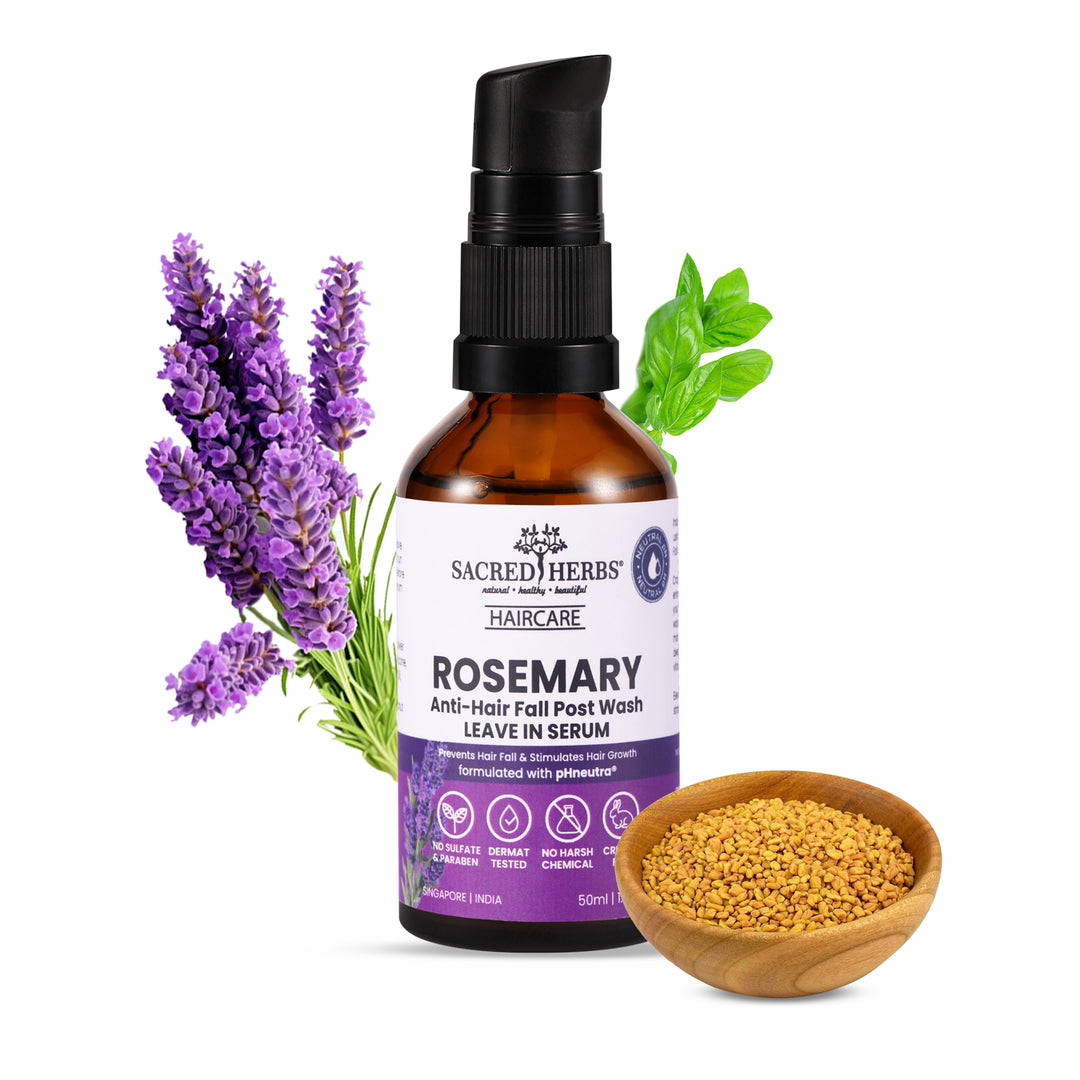
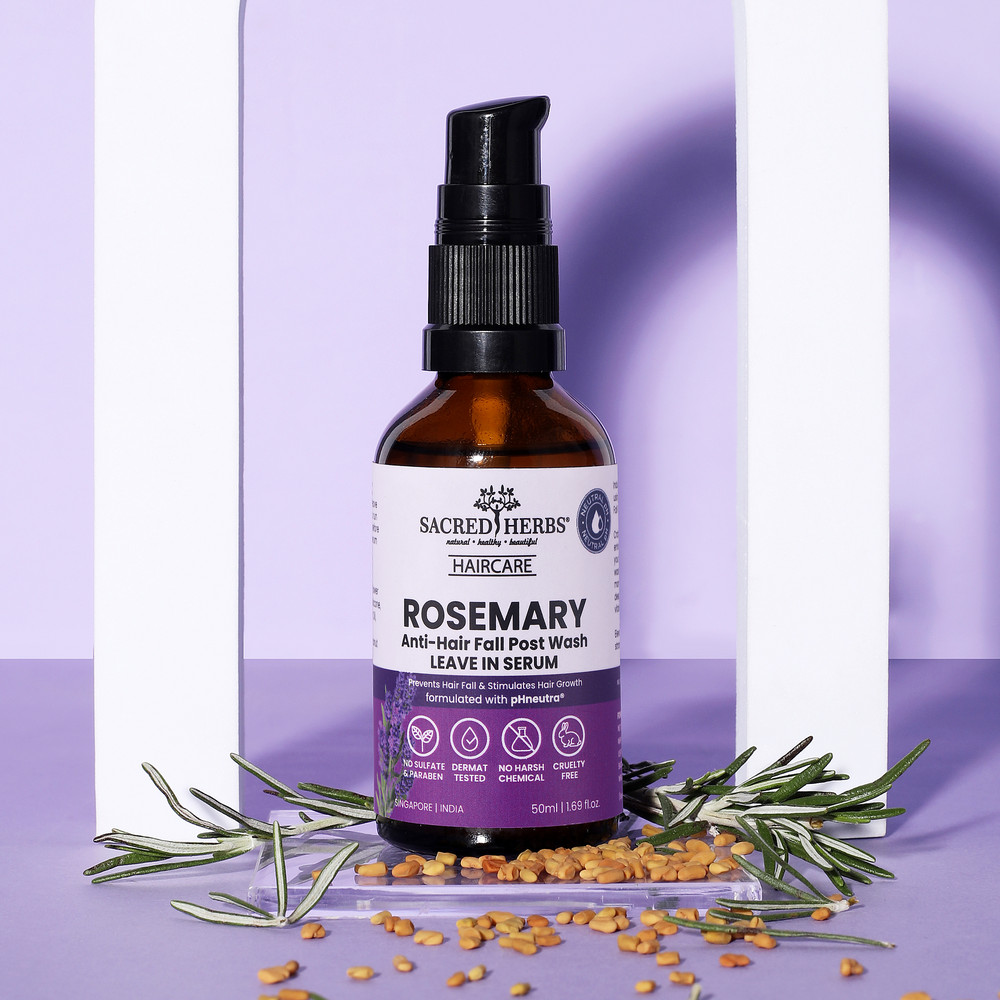
Rosemary for scalp and growth serums
Warning signs, high on the list:
-
Alcohol denat, which dries the hair and scalp
-
Heavy fragrance, an irritant for sensitive scalps
-
A wall of silicones with no water-soluble balance, which builds up over time
Thirty seconds of label reading tells you more than the entire front of the package.
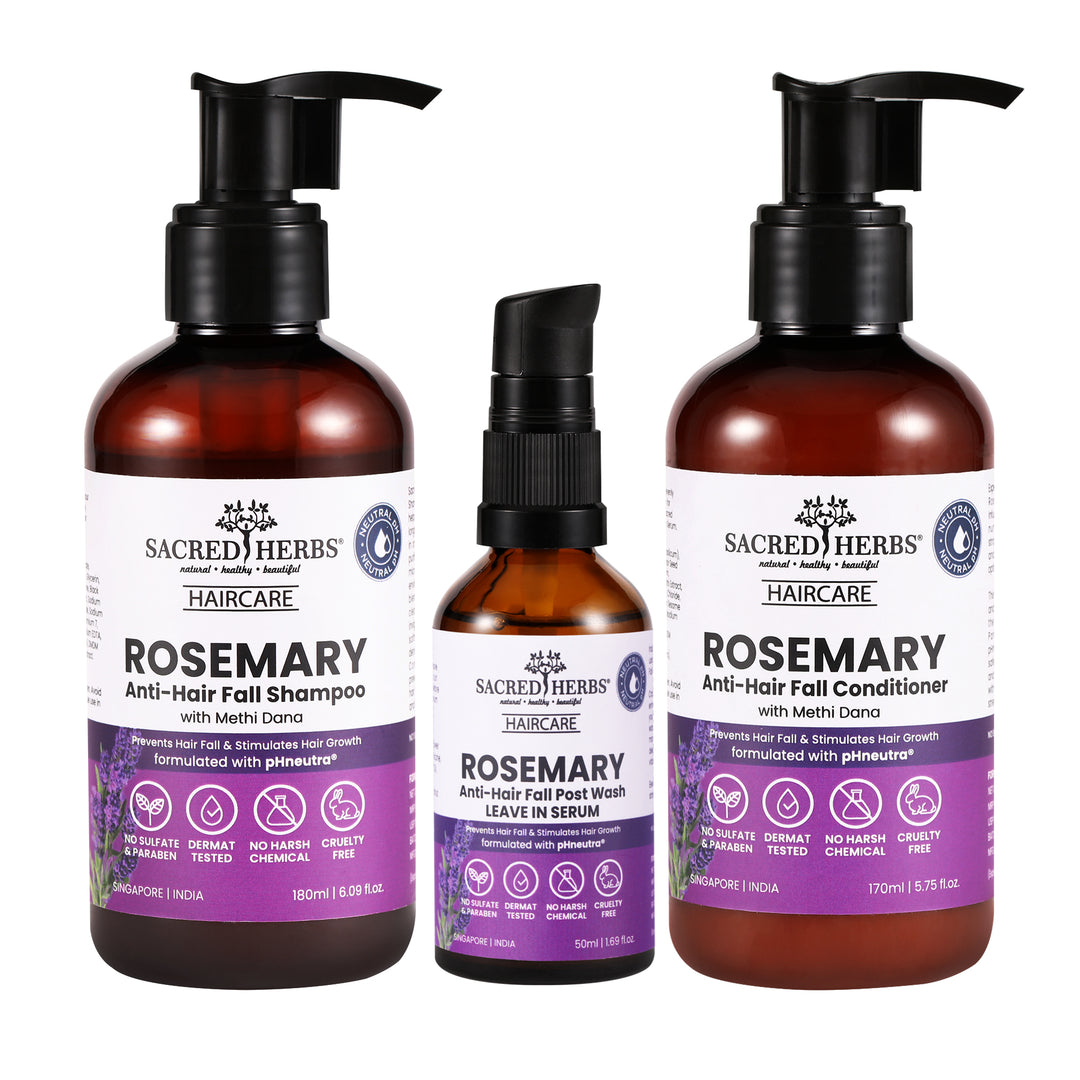
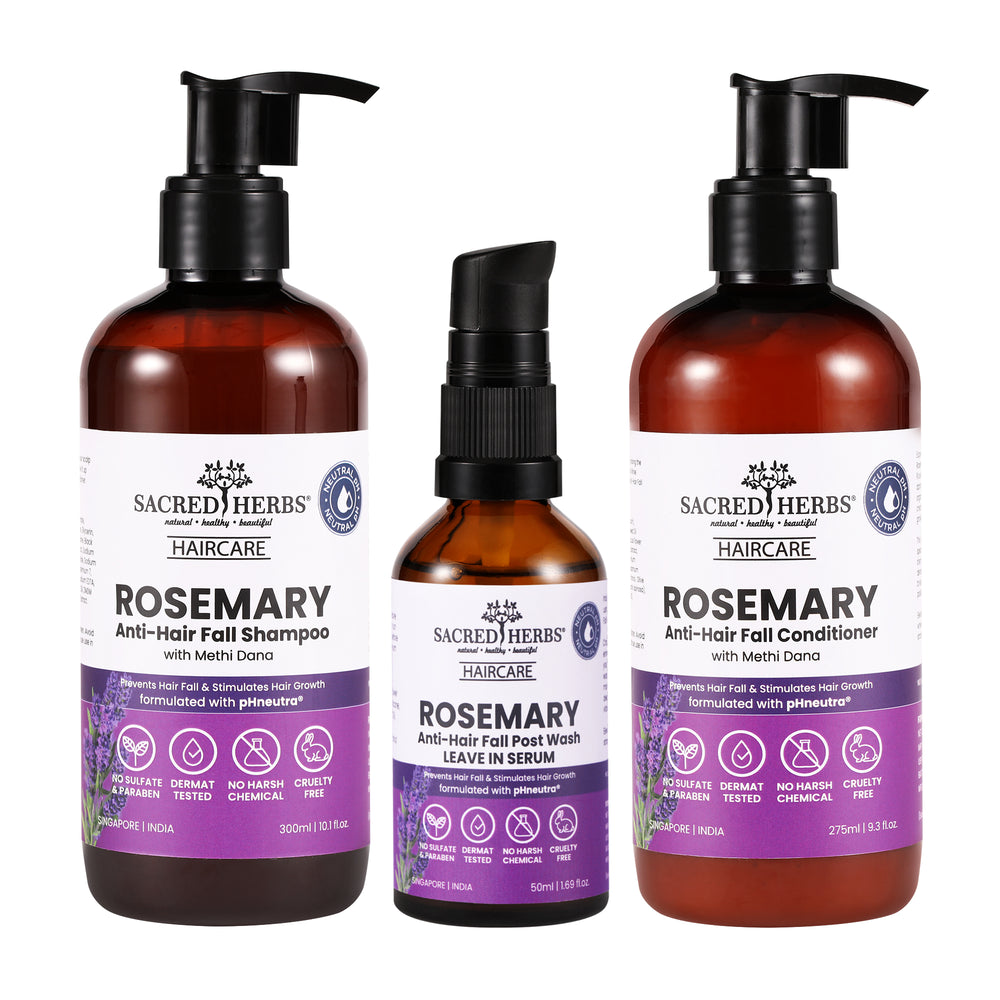
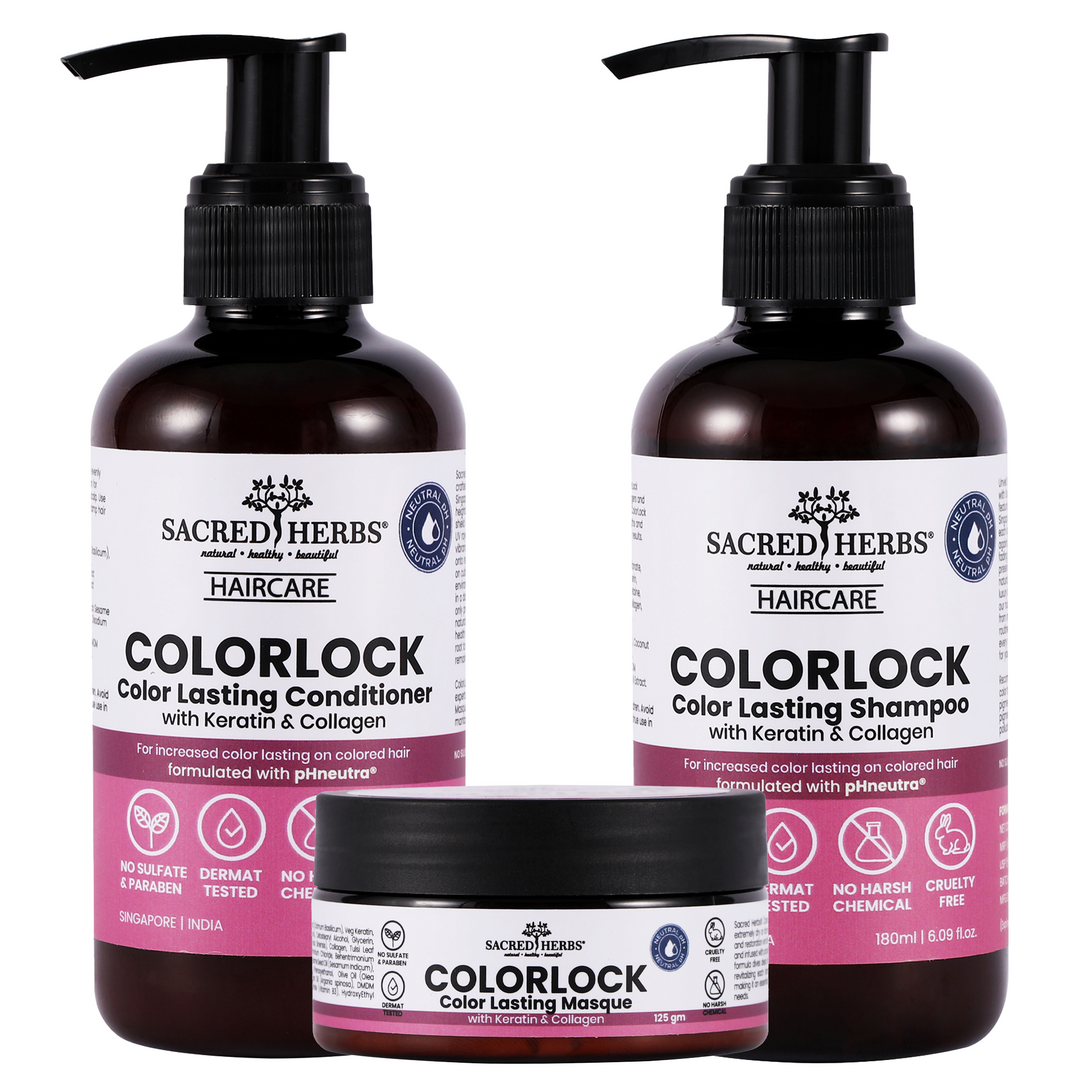
The Hair Care collection at Sacred Herbs is formulated around botanical ingredients that support both the appearance and the health of women's hair.
Minute Five: Sanity-Check the Claims and the Price
In your final minute, apply two filters.
The claims filter: A smoothing serum can honestly promise instant results, because that is its timescale. A growth serum cannot honestly promise instant results, because hair grows in months. If a growth serum promises transformation in days, that is a marketing red flag.
The price filter: Calculate the cost per use, not the bottle price. A small bottle used daily may cost more per month than a larger one. For growth serums specifically, budget for a full three-month trial, since that is the honest evaluation window.
Putting the Framework Into Practice
Here are two worked examples.
Example one: A woman with fine, oily hair whose main frustration is monsoon frizz. Her framework result: a lightweight smoothing serum with aloe and panthenol, applied in two drops to damp lengths, avoiding the scalp. Immediate results expected.
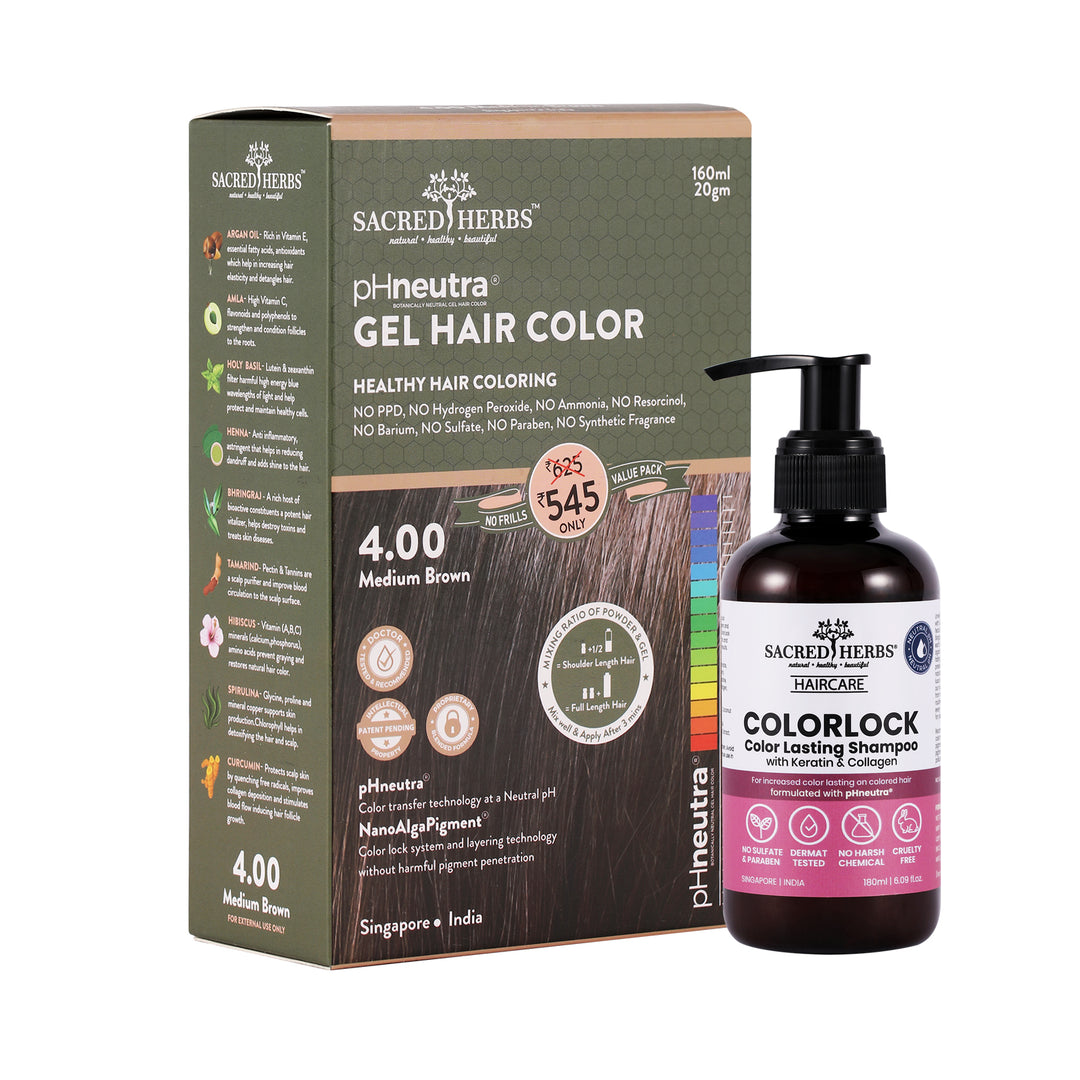
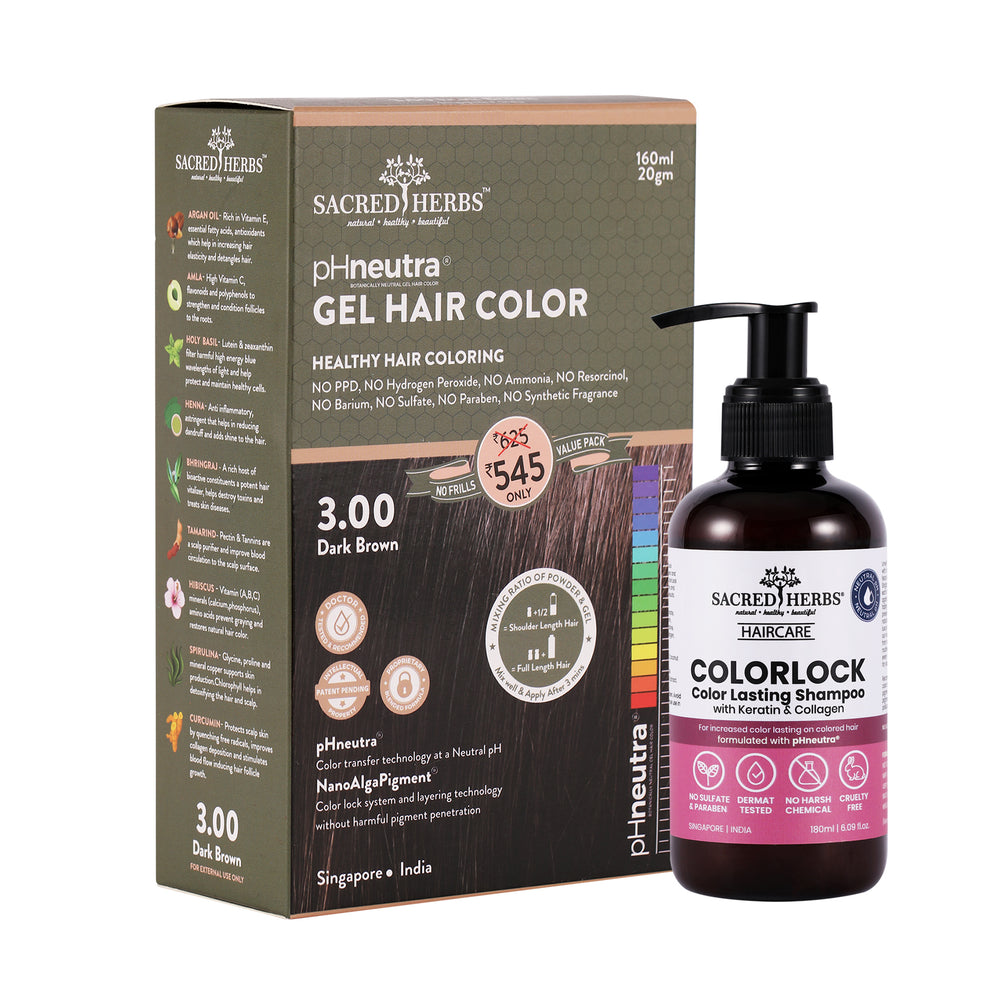
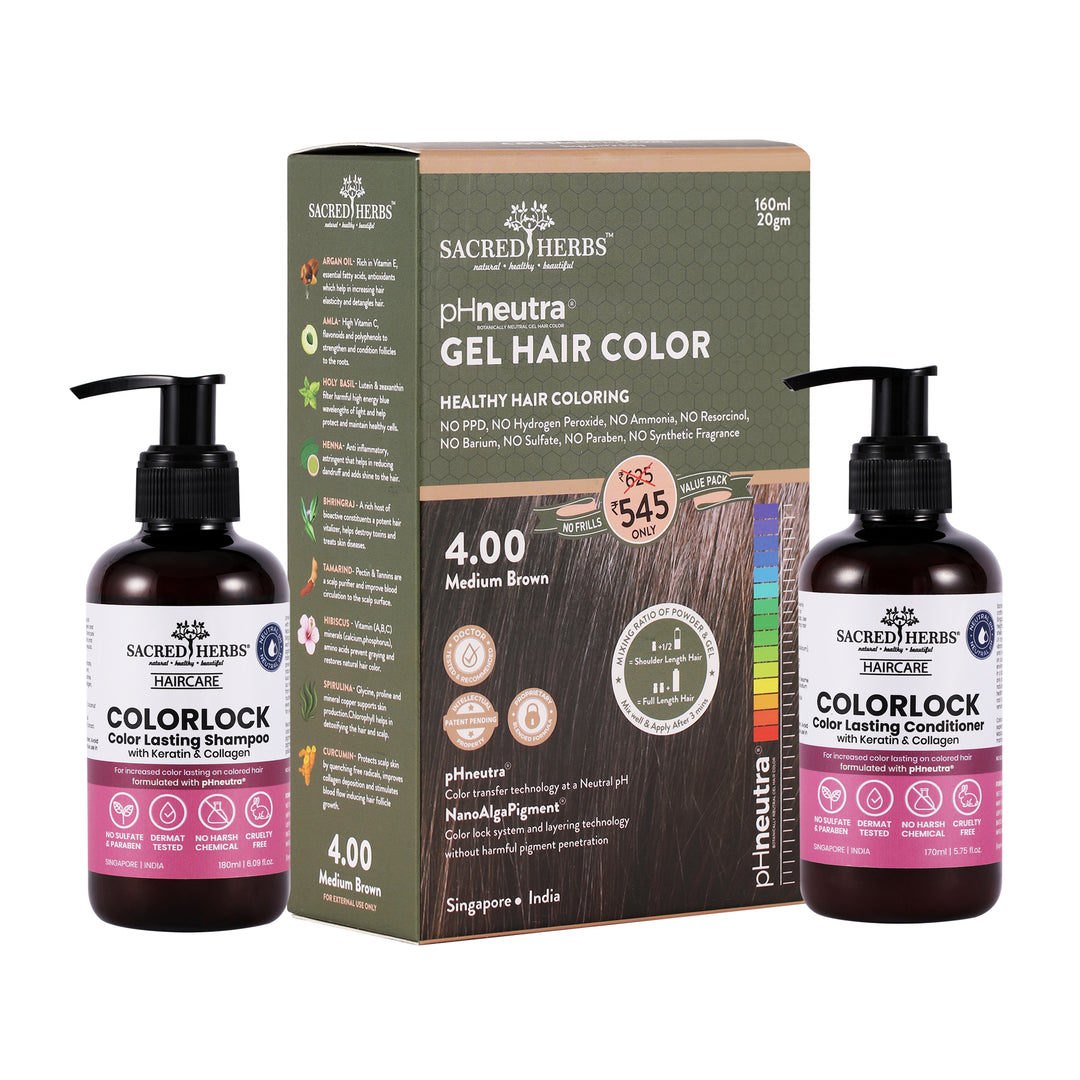
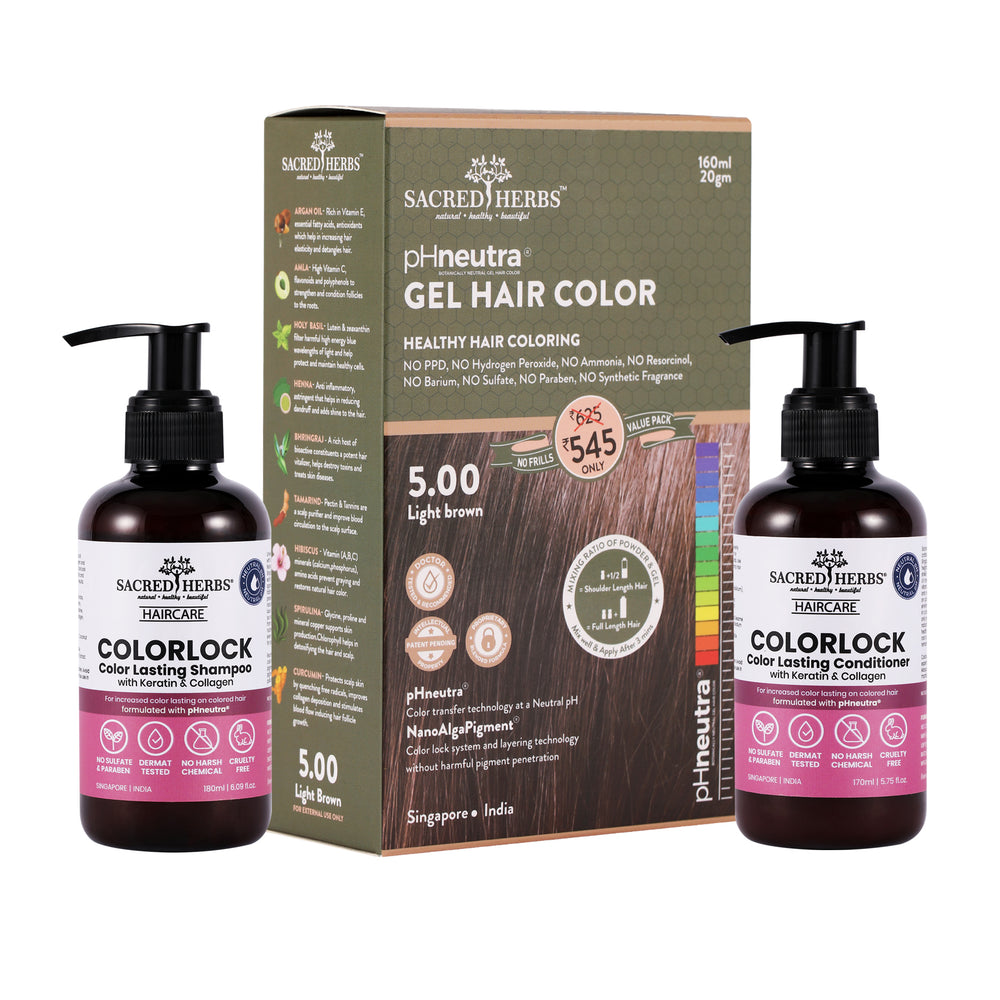
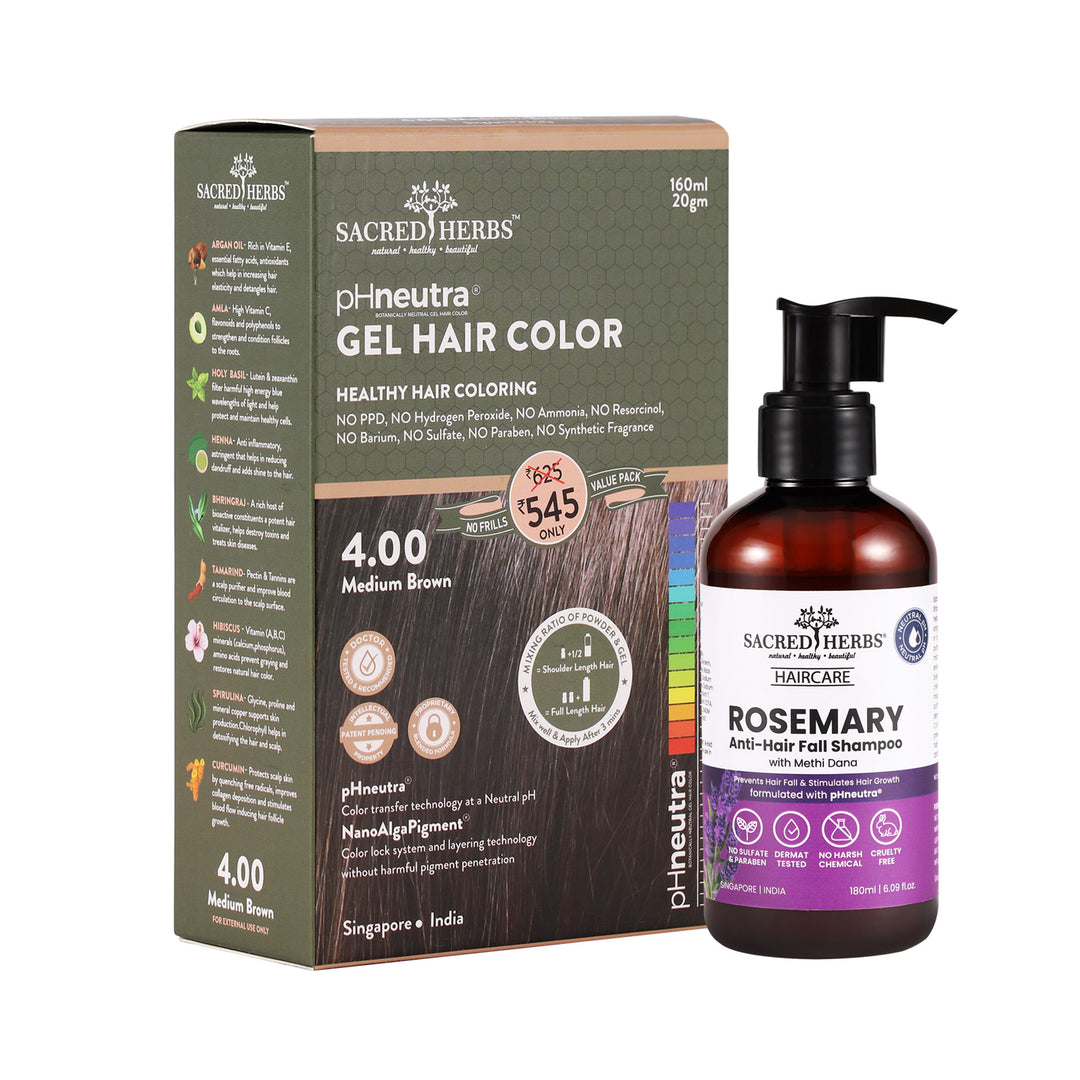
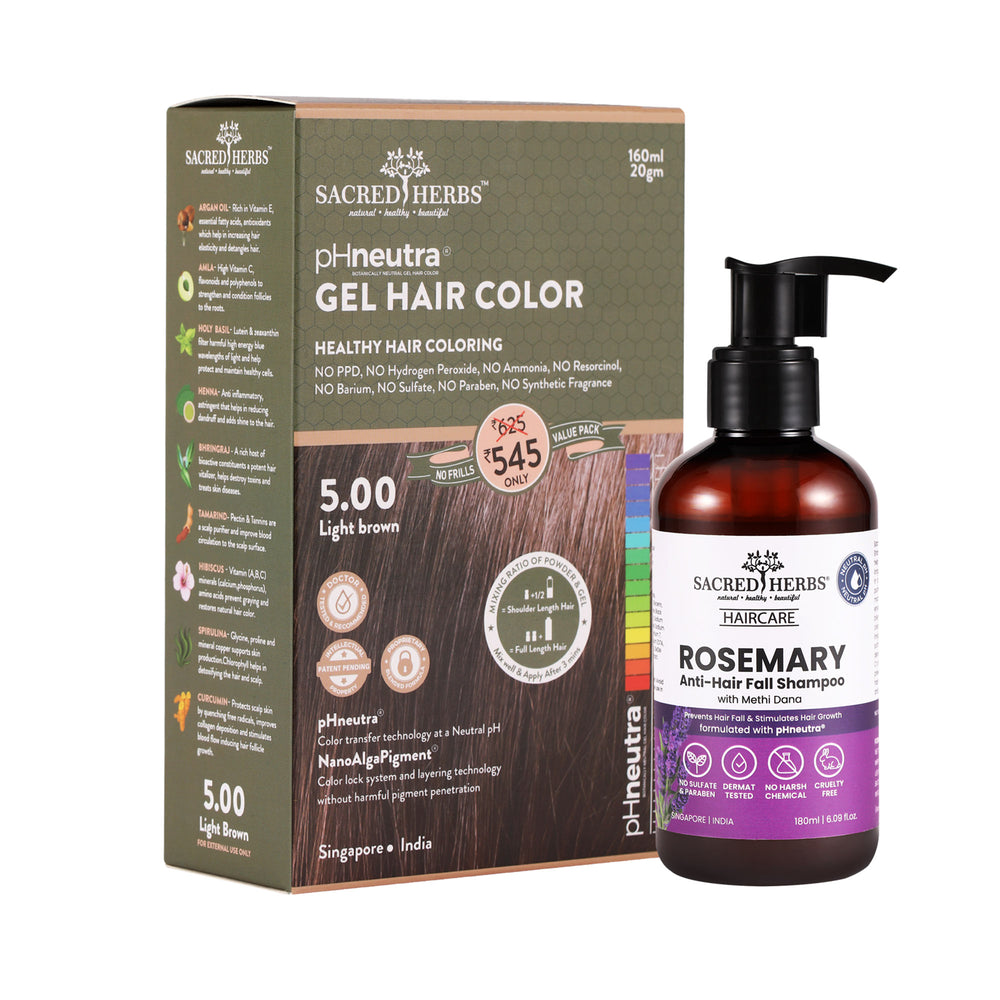
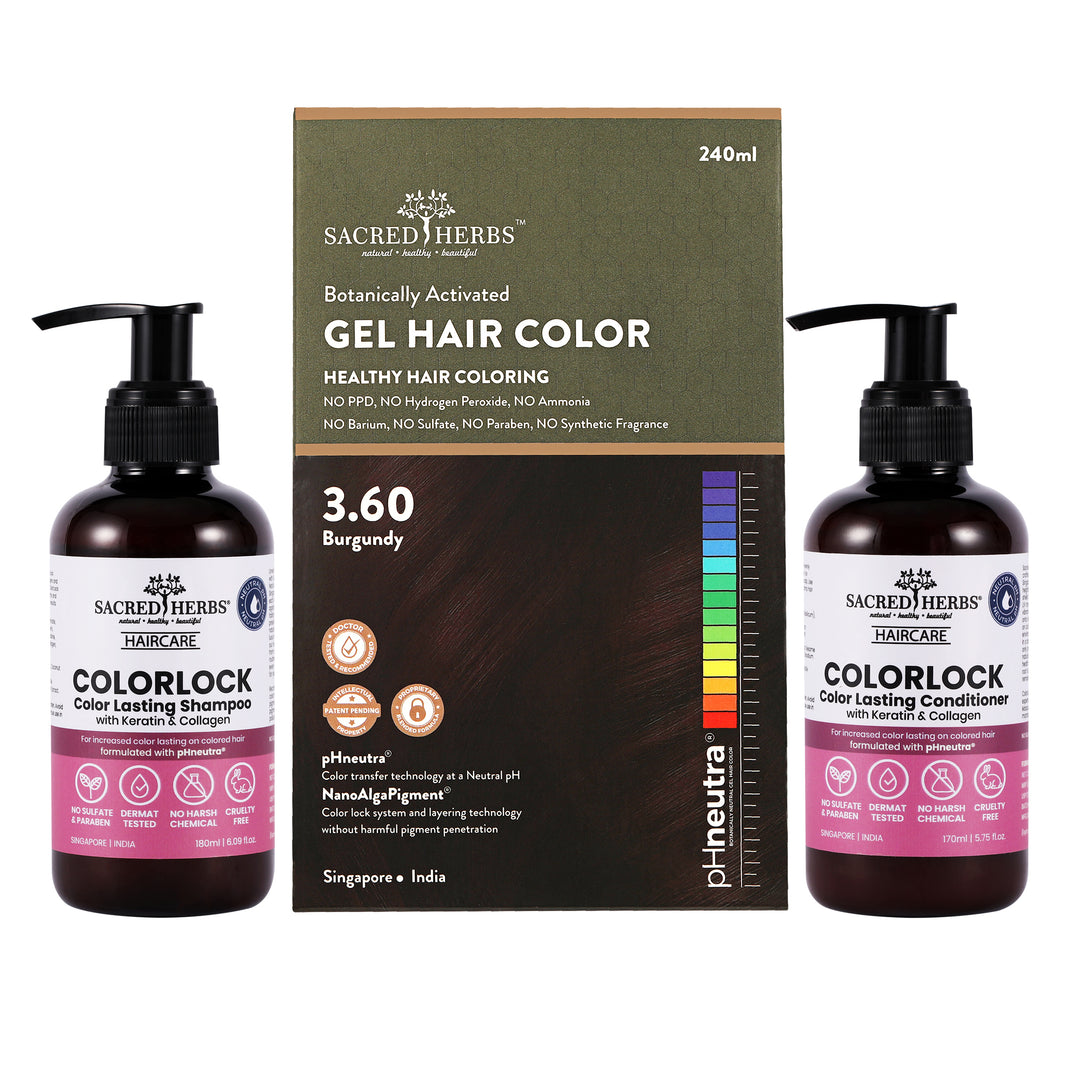
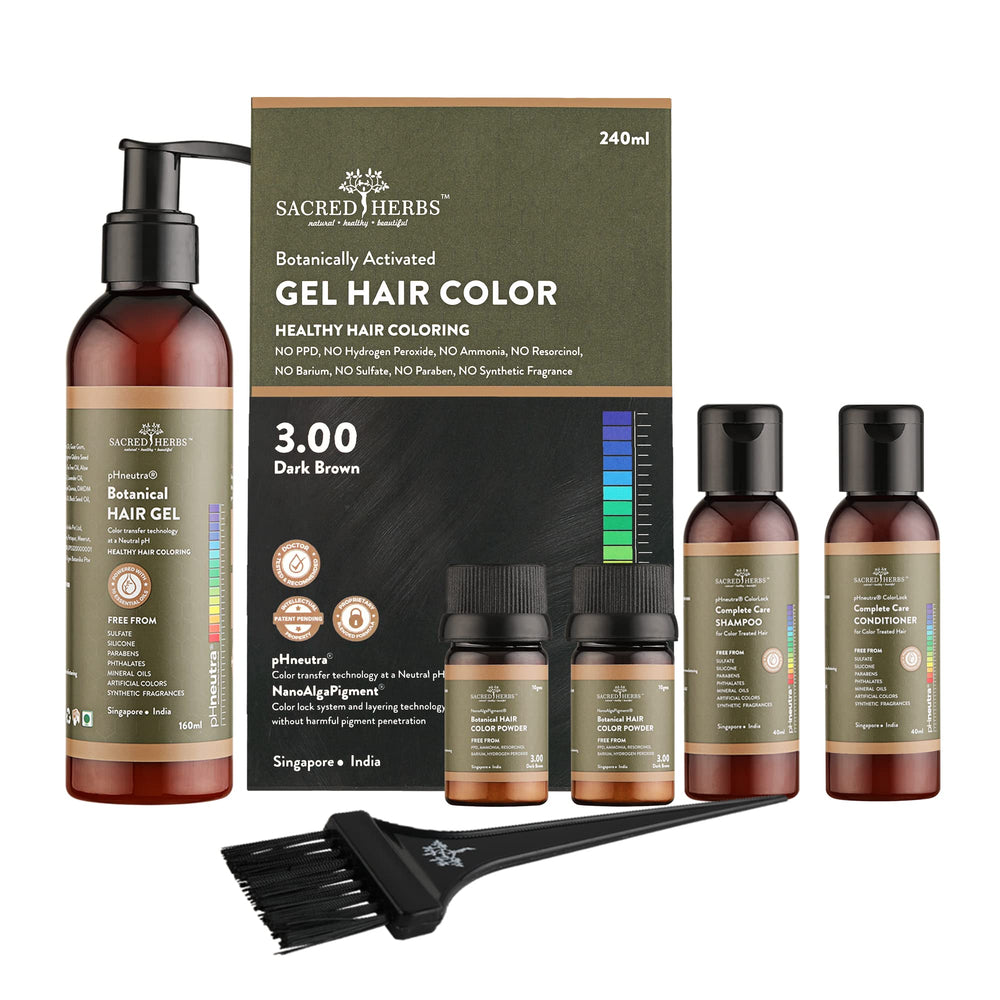
Example two: A woman with medium, color-treated hair noticing more shedding. Her framework result: a scalp treatment serum with rosemary and bhringraj, applied to the scalp daily, judged over twelve weeks. She also notes that her ammonia-based hair color may be adding scalp stress, and considers switching to a gentler botanical option from the Hair Color range at Sacred Herbs.
Two women, two completely different correct answers, both reached in five minutes.
Why Women Choose Sacred Herbs Hair Growth Serum
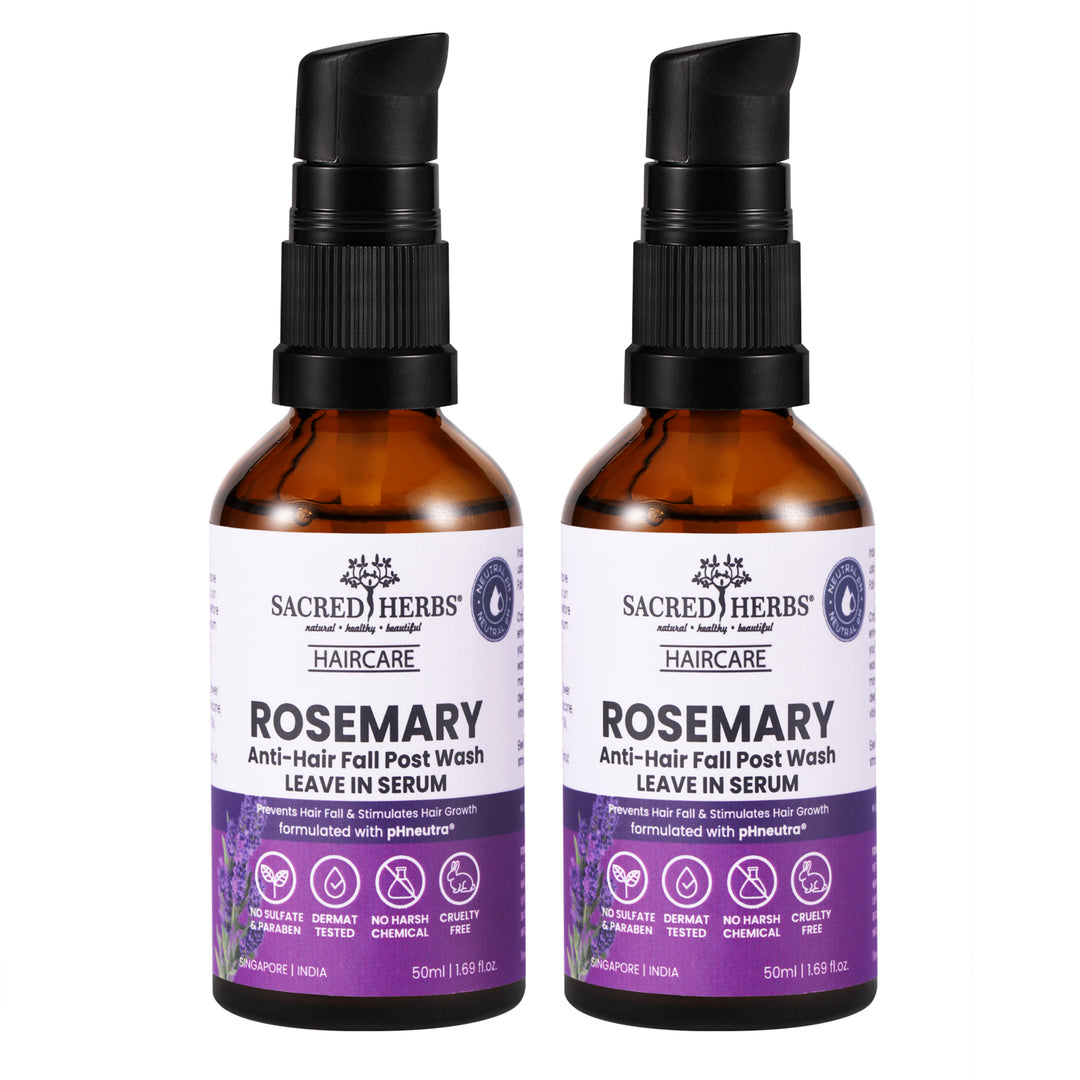
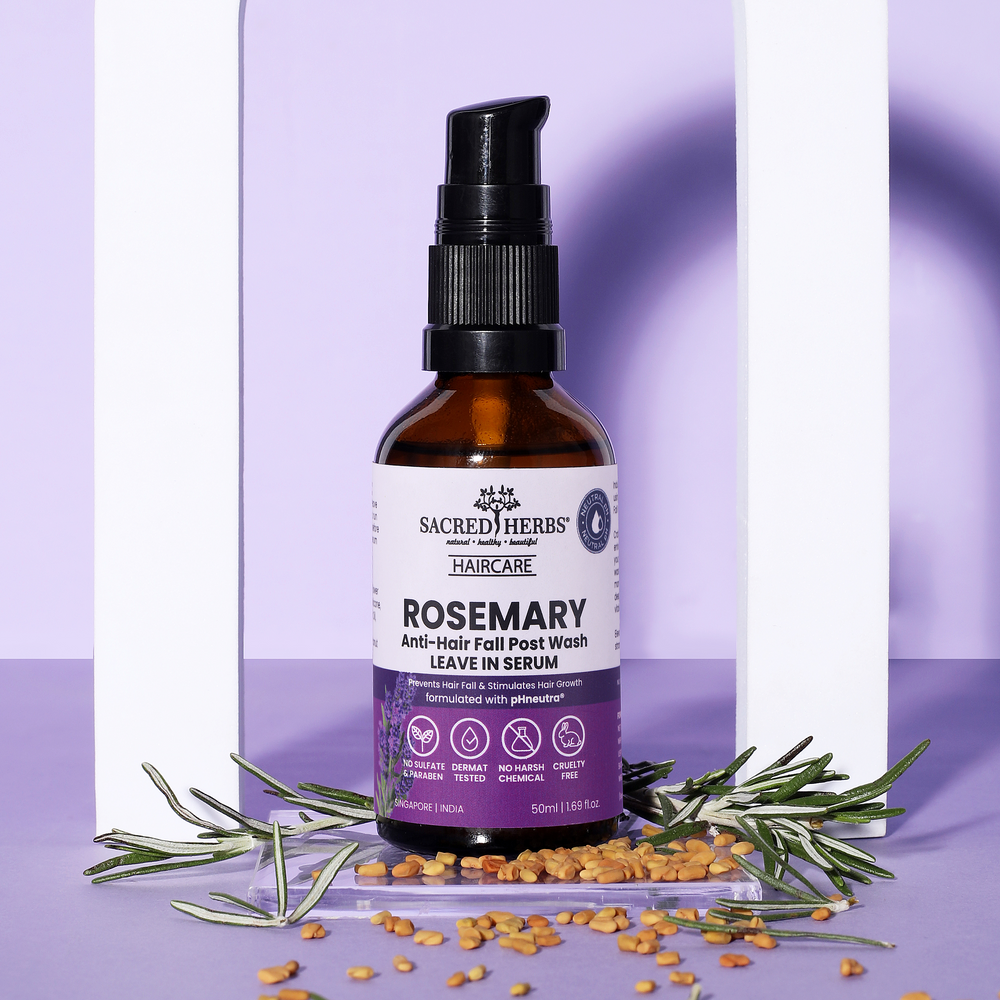
If your five-minute framework points you toward a scalp treatment serum, the qualities you are looking for are consistent regardless of your age or hair type: something gentle enough for daily use, compatible with colored hair, and built on ingredients you can trust. The Sacred Herbs Hair Growth Serum is designed with exactly these needs in mind.
Here is what makes it well-suited for women:
-
Lightweight, non-greasy leave-on formula that absorbs into the scalp without leaving hair looking oily or weighed down, which matters particularly for fine hair
-
Botanical ingredients inspired by Ayurveda, drawing on traditional Indian scalp-care ingredients like bhringraj and amla
-
Suitable for daily scalp care, fitting easily into a morning or post-wash routine without disruption
-
Supports healthier-looking hair and scalp as part of a consistent routine, working with the scalp environment rather than simply coating the hair
-
Complements chemically treated or color-treated hair, so women covering grey do not have to choose between coloring and scalp care
-
Can be paired with Sacred Herbs pH-neutral hair color and the wider hair care range, giving women a coordinated botanical system rather than a patchwork of mismatched products
This compatibility is the point. The serum supports the scalp, the hair care range supports the lengths, and gentle botanical coloring handles the grey, all built on the same ingredient philosophy.
The Foundation That Makes Any Choice Work Better
The framework picks the right serum, but a serum is a topper, not a whole routine. Underneath it should sit:
-
Sulfate-free shampoo, two to three times weekly
-
Conditioner after every wash
-
A weekly deep conditioning masque
-
A weekly pre-wash oil treatment
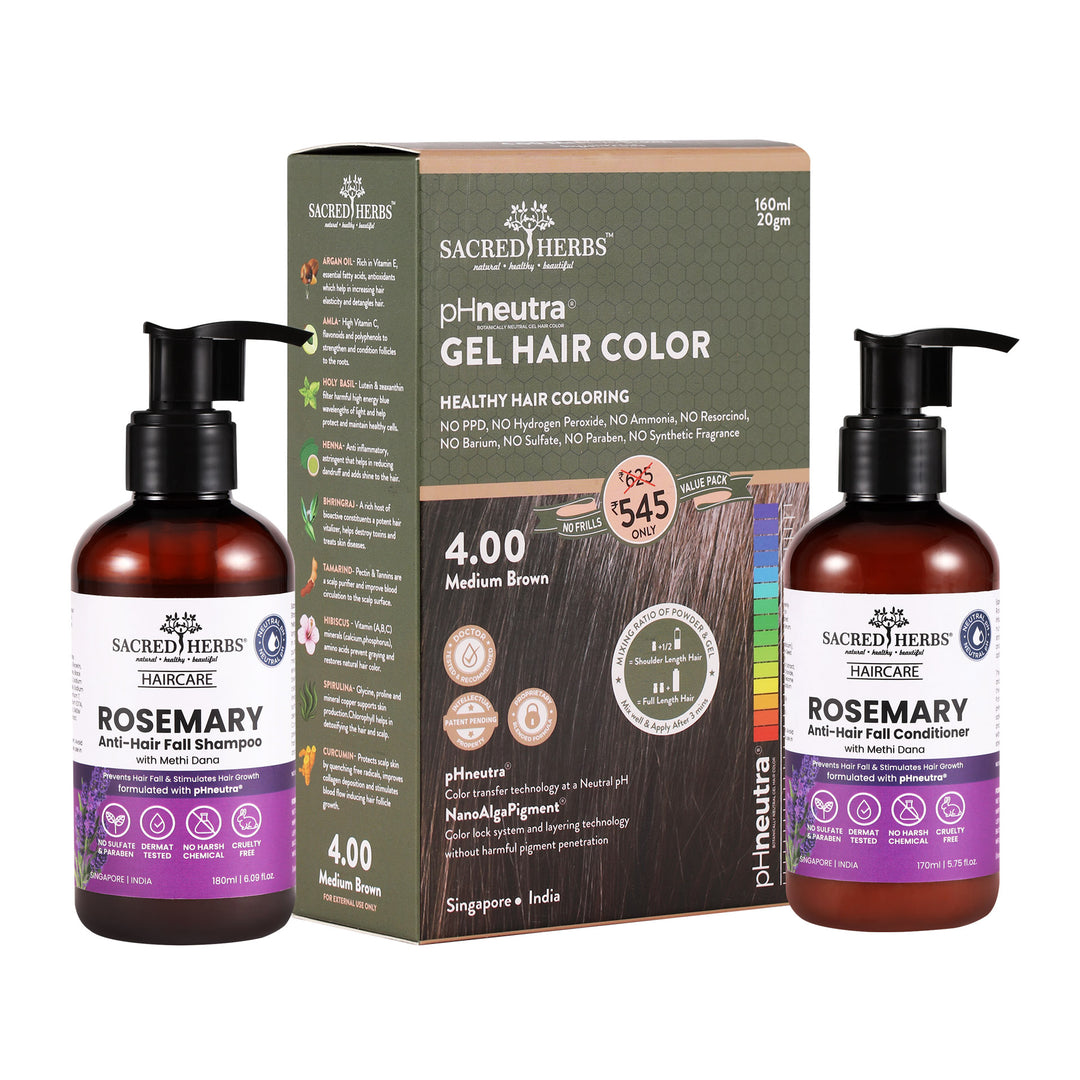
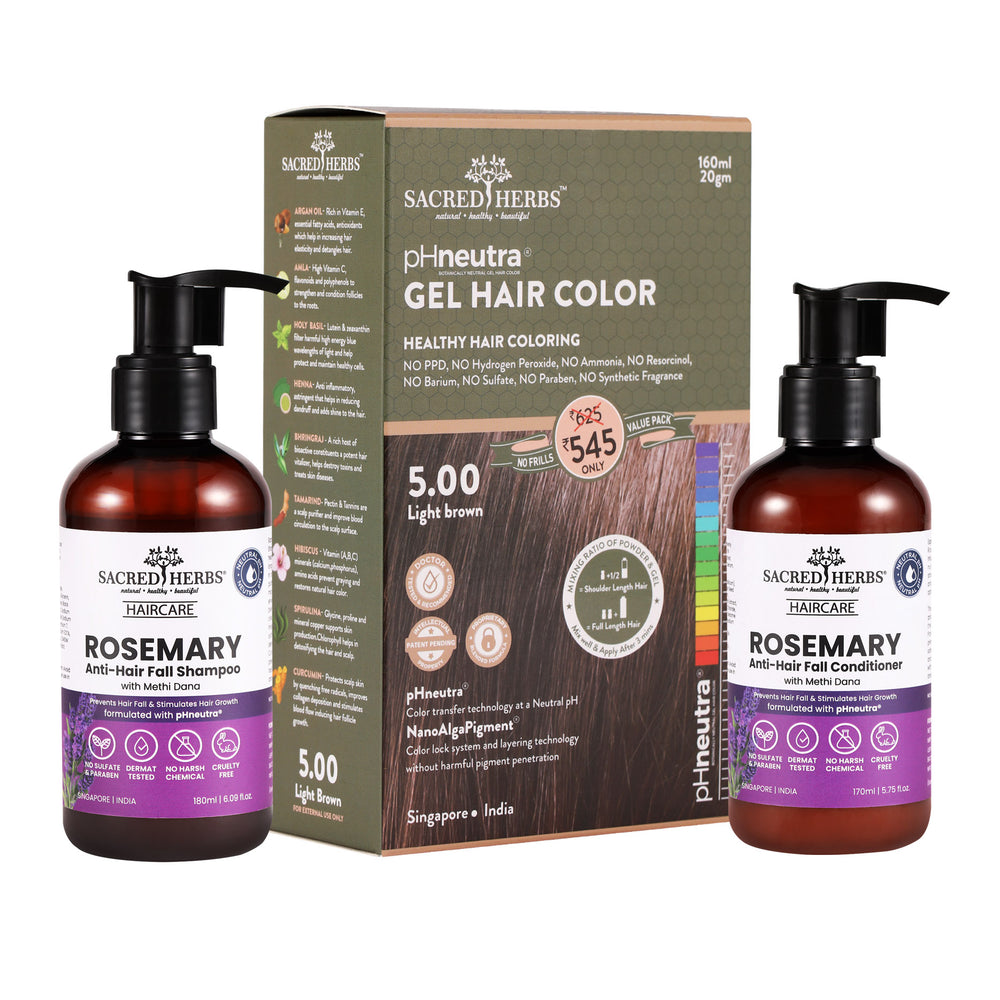
For the complete routine assembled in one purchase, the Super Premium Pack from Sacred Herbs brings botanical hair care essentials together as a coordinated system. Sacred Herbs builds on traditional Indian ingredients that have supported women's hair for generations.
The Mistakes the Framework Prevents
Running this five-minute process protects you from:
-
Buying the trending serum instead of the fitting serum
-
Applying a scalp product to your lengths or a lengths product to your scalp
-
Choosing a weight that flattens or overwhelms your hair type
-
Falling for growth claims that violate biology
-
Overpaying for a small bottle you will use up in three weeks
Frequently Asked Questions
Q: How do I know which serum is best for me?
Run the five-minute framework: name your concern, identify your hair type, map to a serum category, scan the ingredients, and sanity-check the claims and price.
Q: Which hair serum is best for women with hair fall?
For hair fall, a scalp treatment serum with soothing and strengthening botanicals like rosemary, bhringraj, and amla is generally the best fit, applied to the scalp and used consistently. It supports shedding linked to scalp conditions and breakage, though hair fall from nutritional, hormonal, or genetic causes needs medical evaluation alongside any serum.
Q: Can women use hair serum every day?
Yes. A lightweight, non-greasy scalp serum like the Sacred Herbs Hair Growth Serum is designed for daily scalp care. Smoothing serums can also be used daily in small amounts on the lengths. Follow the specific product's guidance and watch for any irritation in the first two weeks.
Q: Can I use a hair serum on color-treated hair?
Yes. Scalp treatment serums and hair color coexist without conflict, and a botanical serum is a good fit for color-treated hair. Pairing it with gentle, ammonia-free coloring reduces the chemical stress that colored hair otherwise carries.
Q: Can one serum fix multiple hair problems?
Rarely well. Rank your concerns and address the primary one. Multi-benefit serums exist but usually do each job less effectively than a targeted product.
Q: Does the best serum for women differ from serums for men?
The mechanisms are shared. Choosing by concern and hair type matters far more than gendered marketing.
Q: How much serum should I actually use?
For smoothing serums, two to three drops on the lengths. For scalp serums, a small amount worked into the scalp. Over-application causes buildup.
Q: Should I match my serum to the season?
It helps. Richer formulas suit dry winters; lighter, humidity-resistant ones suit monsoon. Adjust as your hair responds.