Best Hair Oil for Dry Hair: Comparing 6 Oils and How to Use Each One
In many Indian homes, Sunday mornings used to start with a parent warming a bowl of oil and massaging it into everyone's hair before a long bath. That ritual has lasted for generations, and for good reason: the right oil can make dry hair noticeably softer, smoother, and stronger.
Not every oil suits every head of hair, though. Some are light enough for fine hair, while others are thick and best kept for the ends. Some sink into the hair shaft, while others mainly coat the surface. Knowing the difference helps you choose the best hair oil for dry hair instead of picking whatever is in the kitchen.
This guide compares six popular oils, explains how to use them, and covers the timing rules that matter if you color your hair.
How Oil Helps Dry Hair
Oil works in a few different ways:
-
Reducing protein loss: Some oils can penetrate the hair shaft and reduce the protein lost during washing.
-
Sealing in moisture: Oils create a light barrier that slows down moisture loss from the strand.
-
Smoothing the cuticle: A thin layer of oil helps the cuticle lie flatter, adding shine and reducing frizz.
-
Reducing friction: Oiled hair tangles less and breaks less during combing.
One important point: oil isn't moisture. It seals moisture in but doesn't add water. For best results, apply oil to slightly damp hair or after a moisturising conditioner, or use it as a pre-wash treatment.
Comparing 6 Oils for Dry Hair
1. Coconut Oil
Texture: Medium, solid in cool weather.
Best for: Dry, damaged, and thick or medium hair.
Why it works: Coconut oil is one of the few oils shown to penetrate the hair shaft and reduce protein loss, which makes it an excellent pre-wash treatment.
Watch out for: Some people with low-porosity or very fine hair find it leaves hair stiff or heavy.
2. Argan Oil
Texture: Light and non-greasy.
Best for: Frizzy, dry ends and all hair types as a finishing oil.
Why it works: Rich in fatty acids and vitamin E, argan oil smooths and softens without heavy residue.
Watch out for: Quality varies widely, so check that argan oil is near the top of the ingredient list.
3. Sweet Almond Oil
Texture: Light to medium.
Best for: Dry hair that also needs shine.
Why it works: It softens and smooths, and its light texture makes it easy to spread.
Watch out for: Avoid it if you have a nut allergy.
4. Sesame Oil
Texture: Medium.
Best for: Dry scalps and dry hair, especially in winter.
Why it works: A traditional favourite in Ayurvedic massage, sesame oil is nourishing and spreads well over the scalp.
Watch out for: Choose a cold-pressed, plain version for hair. Toasted cooking sesame oil has a strong smell.
5. Castor Oil
Texture: Very thick and sticky.
Best for: Very dry ends, and as a small addition to other oils.
Why it works: Its thickness gives a strong sealing effect.
Watch out for: Used alone, it's hard to wash out. Mix one part castor oil with two or three parts of a lighter oil.
6. Jojoba Oil
Texture: Light.
Best for: Dry hair with an oily or sensitive scalp, and fine hair.
Why it works: Jojoba is structurally similar to the scalp's natural oils, so it balances without feeling heavy.
Watch out for: It's lighter on sealing than thicker oils, so very dry ends may need something richer.
Which Oil Should You Choose?
-
Fine, dry hair: Jojoba or argan, used sparingly
-
Thick, dry hair: Coconut or sesame as a pre-wash treatment
-
Frizzy, dry ends: Argan as a finishing oil
-
Very dry, brittle ends: A blend of castor oil with almond or coconut
-
Dry scalp and dry hair: Sesame or jojoba
-
Herbal infusions: Oils infused with bhringraj, amla, or hibiscus add traditional herbal benefits to any of these bases
How to Oil Dry Hair: Three Methods
Pre-wash treatment
-
Warm a small amount of oil slightly.
-
Section your hair and massage oil gently into the scalp with your fingertips.
-
Work the rest through the lengths, focusing on the ends.
-
Leave it on for one hour, or overnight with a towel on your pillow.
-
Wash with a gentle, sulphate-free shampoo and follow with conditioner.
Finishing oil
-
Wash and condition your hair as usual.
-
Rub two or three drops of a light oil between your palms.
-
Smooth over the mid-lengths and ends of damp or dry hair.
-
Avoid the roots to prevent a greasy look.
Overnight ends treatment
-
Apply a few drops of a richer oil or blend to the ends only.
-
Braid loosely and sleep on a silk or satin pillowcase.
-
Wash or simply brush through in the morning.
For gentle shampoos that wash oil out without stripping dry hair, explore the Sacred Herbs hair care collection.
Oiling and Hair Color: The Timing Rules
If you color your hair, timing your oil makes a real difference to how your color turns out and how long it lasts.
Before coloring
Start with dry, oil-free hair. Oil creates a barrier that can stop color settling evenly.
After coloring
Avoid oil for at least one week after coloring. Oil applied too soon can affect how well the color settles. After the first week, you can return to your usual oiling routine.
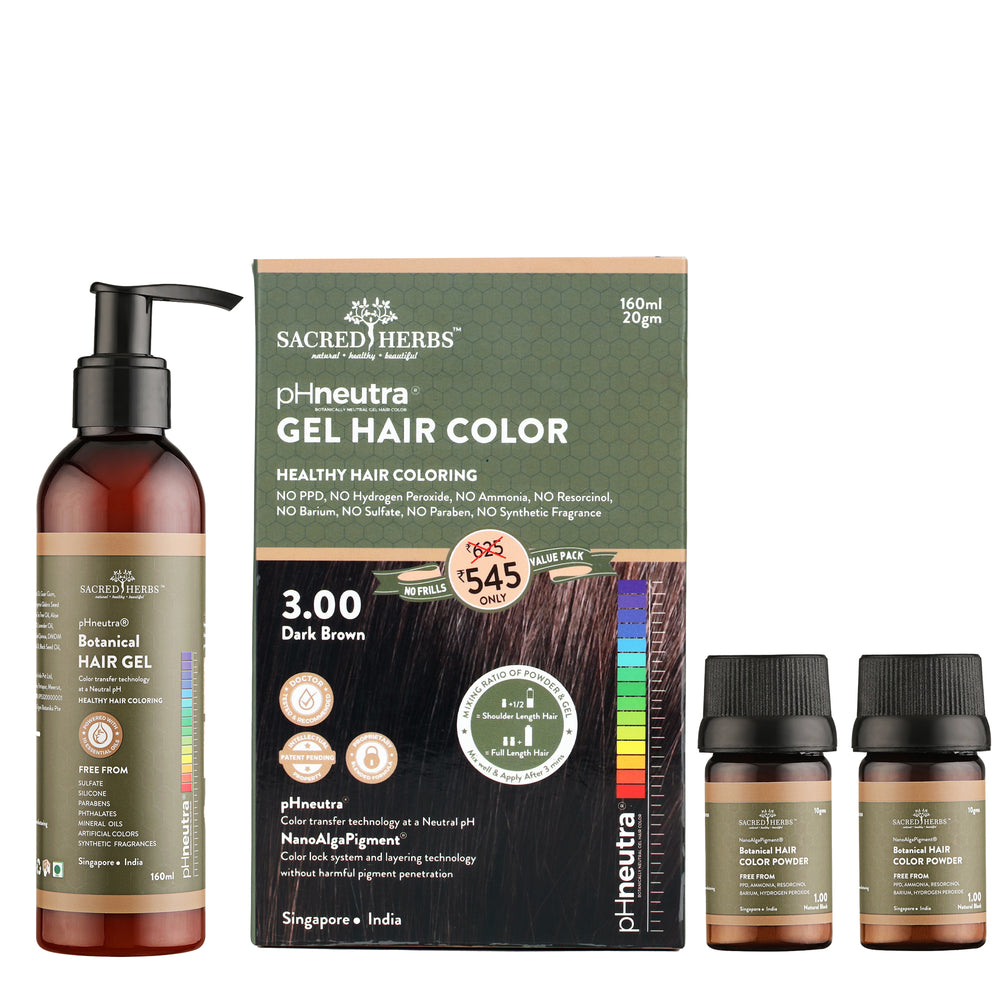
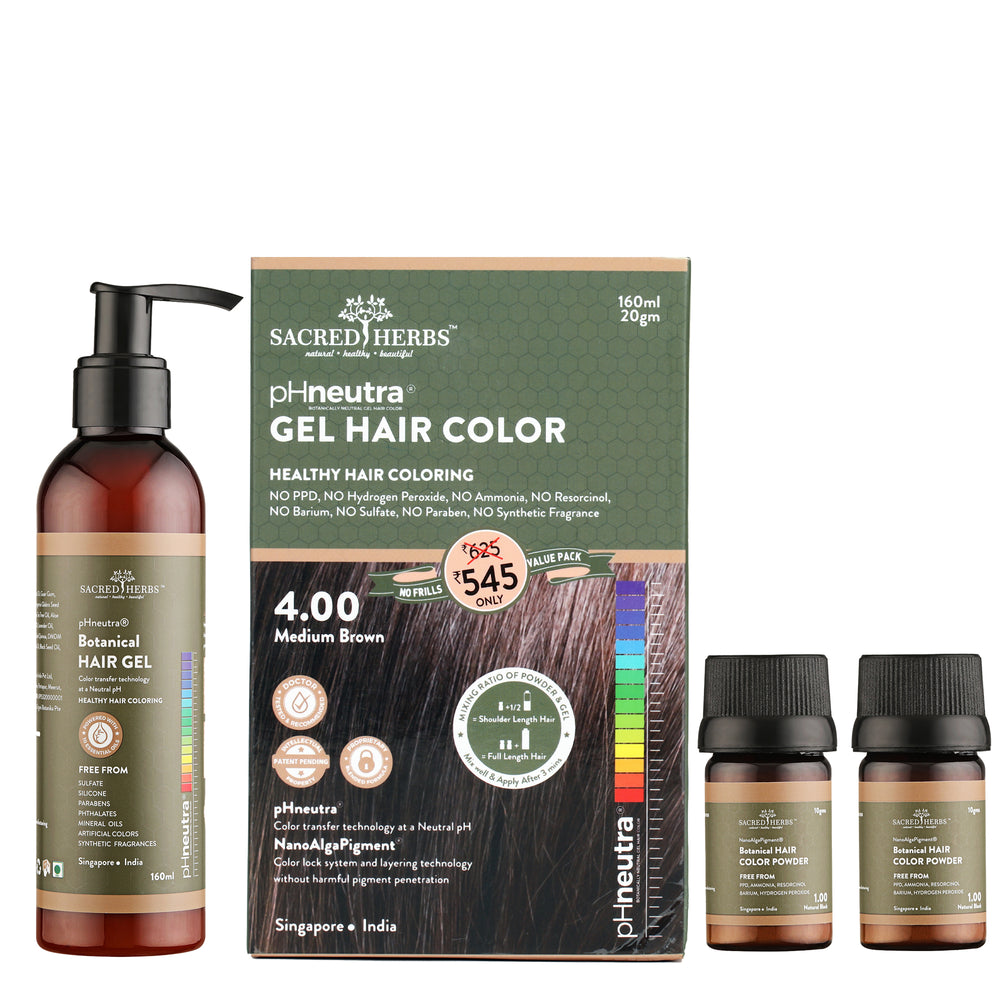
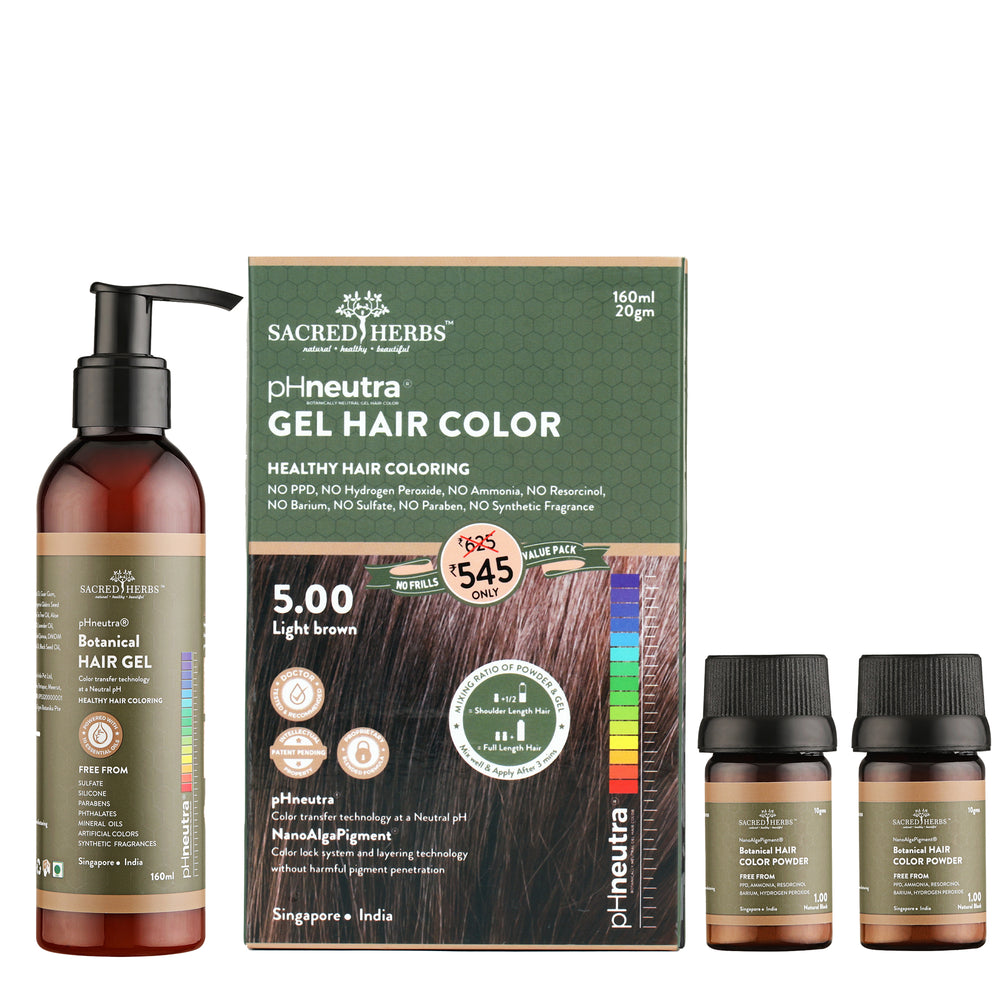
Sacred Herbs is India's first pH-neutral hair color, made with pHneutra technology and powered by 20+ herbal extracts. It contains no PPD, no ammonia, no bleach, and no resorcinol, and it is dermatologically tested. NanoAlgaPigment technology delivers 100% grey coverage, and the color lasts up to 4 weeks. Leave it on for 35 minutes in summer and 45 minutes in winter, and wash afterwards with a sulphate-free shampoo. Between sessions, Sacred Herbs Root Sure and Root Touch-up Powder take care of regrowth. Explore the shades in the Sacred Herbs hair color collection.
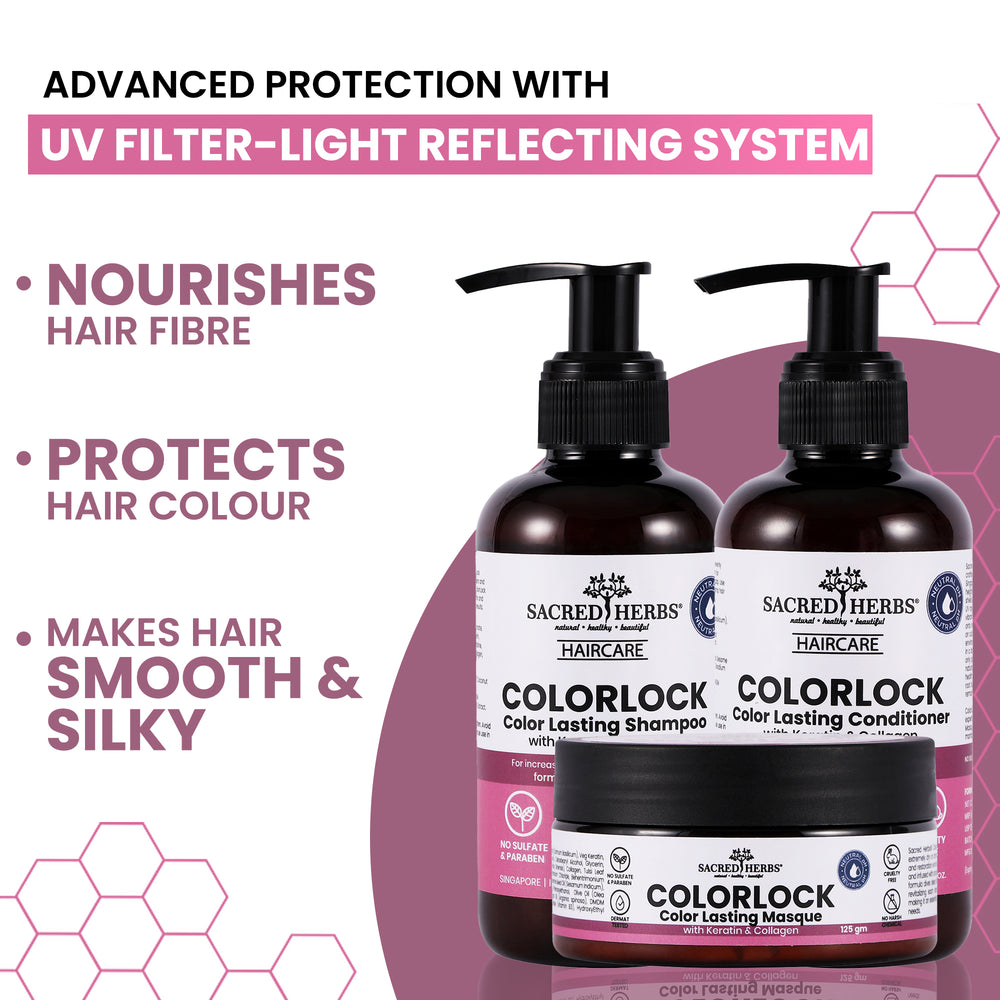
The Super Premium Pack includes a sulphate-free shampoo and conditioner, which keeps both your color and your oiled hair in good condition.
Common Oiling Mistakes
-
Using too much oil, which needs harsh shampooing to remove
-
Applying heavy oil to the roots of fine or oily hair
-
Leaving oil on for days without washing
-
Oiling right before or right after coloring
-
Using scented or cooking oils not meant for hair
Beyond Your Hair
Many of the same oils, including coconut, almond, and sesame, are equally loved for dry skin. If you enjoy plant-based care, the Sacred Herbs body collection extends that approach to the rest of your routine.
Conclusion
A good weekly oiling ritual for dry hair is simple. Choose an oil that suits your hair texture. Use it as a pre-wash treatment once or twice a week. Finish with a few drops on your ends after washing. Pause oiling for a week whenever you color your hair. Follow that rhythm, and the old Sunday-morning ritual will work just as well for your hair now as it did then.
Frequently Asked Questions
What is the best hair oil for dry hair?
Coconut oil is excellent as a pre-wash treatment for most dry hair, while argan oil works well as a light finishing oil.
How often should I oil dry hair?
Once or twice a week as a pre-wash treatment, with a few drops of finishing oil on the ends as needed.
Can I leave oil in my hair overnight?
Yes. Overnight oiling suits dry hair well, as long as you wash it out with a gentle shampoo the next day.
Should I oil my hair before coloring it?
No. Start with oil-free hair, as oil can stop color settling evenly.
When can I oil my hair after coloring?
Wait at least one week after coloring before applying any oil.
Is coconut oil good for all hair types?
It suits most dry hair, but very fine or low-porosity hair may feel heavy. Try jojoba or argan instead.