


Best Conditioner for Dry Hair




Best Conditioner for Dry Hair: Rinse-Out, Leave-In, or Deep Treatment?
Think of shampoo and conditioner as two halves of one job. Shampoo cleans, and every time it does,... Read More
Best Conditioner for Dry Hair: Rinse-Out, Leave-In, or Deep Treatment?
Think of shampoo and conditioner as two halves of one job. Shampoo cleans, and every time it does, it lifts the cuticle and removes some moisture. Conditioner exists to put that protection back. For dry hair, that second half matters most.
Conditioner isn't a single product type, though. Rinse-out conditioners, leave-ins, deep conditioning masks, and co-washes all do slightly different jobs. Picking the best conditioner for dry hair means choosing the right type for your hair, then using it the right way.
This guide compares the main types side by side, explains which ingredients matter, and helps you build a conditioning routine that suits your hair.
What Conditioner Actually Does for Dry Hair
Dry hair has a cuticle that is lifted, rough, or damaged. Moisture escapes easily, strands rub against each other, and tangles and breakage follow.
A good conditioner works in three ways:
-
Smooths the cuticle: Conditioning agents are attracted to damaged areas of the hair and help the cuticle lie flatter.
-
Adds moisture and lubrication: Oils, butters, and humectants soften the hair and reduce friction.
-
Improves manageability: Smoother hair detangles more easily, so you lose fewer strands when combing.
The Main Types of Conditioner Compared
Rinse-Out Conditioner
What it is: The everyday conditioner you apply after shampoo and rinse off after a few minutes.
Best for: Every hair type, as a basic step after every wash.
Strengths:
-
Quick and easy
-
Smooths and detangles straight away
-
Light enough for regular use
Limitations:
-
Short contact time, so it can't fully address very dry or damaged hair alone
Leave-In Conditioner
What it is: A lighter cream, lotion, or spray that stays in the hair after washing.
Best for: Very dry, curly, or frizz-prone hair, and anyone who styles with heat.
Strengths:
-
Gives continuous moisture throughout the day
-
Helps with detangling and frizz
-
Adds a protective layer before styling
Limitations:
-
Too much can weigh fine hair down
Deep Conditioning Mask
What it is: A richer treatment left on for 10 to 30 minutes, usually once a week.
Best for: Dry, damaged, or chemically treated hair.
Strengths:
-
Longer contact time means deeper conditioning
-
Restores softness and elasticity
-
Can be tailored to protein or moisture needs
Limitations:
-
Takes more time
-
Using it too often can leave hair limp
Co-Wash (Cleansing Conditioner)
What it is: A conditioner with mild cleansing properties, used instead of shampoo on some wash days.
Best for: Very dry or curly hair that feels stripped by any shampoo.
Strengths:
-
Cleans very gently
-
Keeps more natural oil in the hair
Limitations:
-
Not enough for oily scalps or heavy product buildup
-
Still needs regular shampooing alongside it
Which Type Should You Choose?
Most people with dry hair do best with a combination rather than one product:
-
Mildly dry, straight or fine hair: Rinse-out conditioner after every wash, plus a lightweight mask once every one to two weeks.
-
Moderately dry or wavy hair: Rinse-out conditioner, a light leave-in on the ends, and a weekly mask.
-
Very dry, curly, or coily hair: Rinse-out conditioner, a richer leave-in, a weekly deep treatment, and an occasional co-wash.
-
Color-treated or chemically processed hair: Rinse-out conditioner and a weekly mask, with extra attention to gentle, sulphate-free cleansing.
Ingredients That Make the Best Conditioner for Dry Hair
For moisture
-
Glycerin
-
Aloe vera
-
Panthenol
-
Hyaluronic acid
For softness and sealing
-
Shea butter
-
Argan oil
-
Coconut oil
-
Fatty alcohols like cetyl and cetearyl alcohol, which are moisturising, not drying
For strength
-
Hydrolysed wheat, rice, or silk proteins
-
Hydrolysed keratin
Herbal additions
-
Hibiscus for slip and softness
-
Fenugreek for conditioning
-
Brahmi for a calm scalp and smoother hair
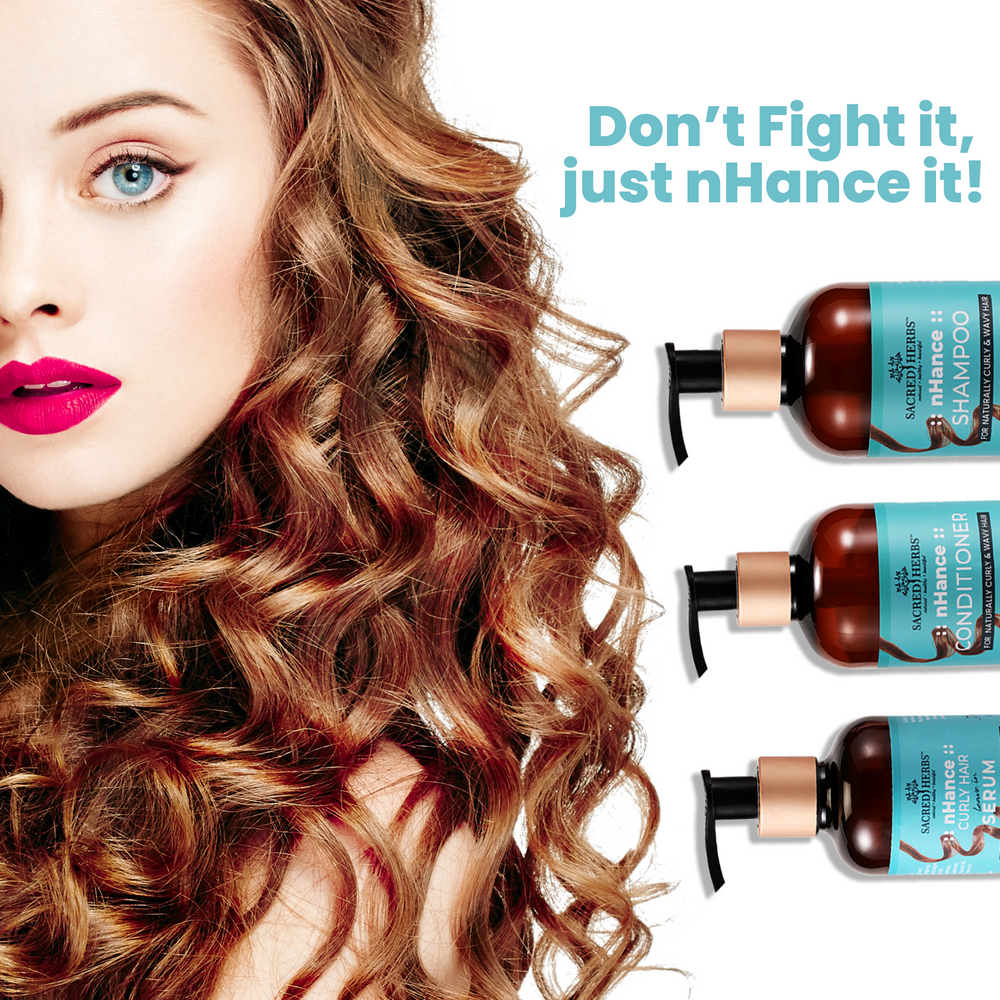
The Sacred Herbs hair care collection brings herbal conditioning into everyday products made for dry and color-treated hair.
How to Apply Conditioner for the Best Results
-
Squeeze out excess water after shampooing. Dripping wet hair dilutes conditioner.
-
Apply from mid-length to ends, where hair is oldest and driest. Keep it off the scalp unless your scalp is very dry.
-
Detangle gently with your fingers or a wide-tooth comb while the conditioner is in.
-
Leave it on for two to five minutes for rinse-out formulas, or as directed for masks.
-
Rinse with cool or lukewarm water to help the cuticle settle.
-
Add leave-in conditioner to damp hair if your hair needs extra moisture.
Conditioning Color-Treated Hair
Colored hair often feels drier than uncolored hair, especially when the color uses ammonia and harsh chemicals that force the cuticle open. The gentler your color, the less your conditioner has to make up for.
Sacred Herbs is India's first pH-neutral hair color, made with pHneutra technology and powered by 20+ herbal extracts. It contains no PPD, no ammonia, no bleach, and no resorcinol, and it is dermatologically tested. NanoAlgaPigment technology delivers 100% grey coverage, and the color lasts up to 4 weeks. You can explore the shades in the Sacred Herbs hair color collection.
For dry hair around coloring:
-
Leave the color on for 35 minutes in summer and 45 minutes in winter.
-
Wash with a sulphate-free shampoo afterwards and condition every time.
-
Avoid oil-based treatments for at least one week after coloring.
-
Use Sacred Herbs Root Sure and Root Touch-up Powder between sessions to space out full applications.
The Super Premium Pack includes both a sulphate-free shampoo and a conditioner, so your post-color routine is complete.
Conclusion
If you only remember one rule, make it this: match the conditioner type to your hair's level of dryness. Mildly dry hair needs a good rinse-out conditioner. Moderately dry hair needs a leave-in. Very dry or damaged hair needs a weekly mask. Get that combination right, keep the conditioner on your lengths, and dry hair becomes much easier to manage.
Frequently Asked Questions
What is the best conditioner for dry hair?
A rich, moisturising rinse-out conditioner with oils, butters, and humectants, used alongside a weekly deep treatment, works best for most dry hair.
Should I apply conditioner to my scalp?
Usually not. Apply from mid-length to ends unless your scalp is very dry.
Can I use leave-in and rinse-out conditioner together?
Yes. Use rinse-out conditioner after shampooing, then apply a small amount of leave-in to damp hair.
How often should I deep condition dry hair?
Once a week suits most dry hair. Use it less often if your hair starts feeling limp.
Can conditioner make hair greasy?
Too much, or applying it to the scalp, can weigh hair down. Use less and keep it on the lengths.
Is co-washing enough for dry hair?
Co-washing helps very dry hair, but you still need regular shampooing to keep the scalp clean.