


Best Body Cleanser


Best Body Cleanser: How to Find Yours Instead of Chasing Someone Else's Favourite
There is no such thing as the best body cleanser. There is only the best... Read More
Best Body Cleanser: How to Find Yours Instead of Chasing Someone Else's Favourite
There is no such thing as the best body cleanser. There is only the best body cleanser for you.
This sounds like a technicality, but it is the single most useful thing to understand about shopping for one. The reviews you read, the recommendations you get, the bestseller lists you scroll through, all of them describe what worked for someone else's skin, in someone else's climate, with someone else's concerns. Your skin is a different equation. This article teaches you to solve your own equation rather than borrowing someone else's answer.
Why "Best" Is Always Personal With Cleansers
A body cleanser interacts with three variables that differ from person to person:
Your skin type: Dry, oily, sensitive, normal, or combination. What perfectly suits oily skin can leave dry skin stripped and uncomfortable.
Your climate: Humid coastal India demands different things from a cleanser than dry northern winters. The best cleanser for Chennai humidity may not be the best for a Delhi December.
Your concerns: Sensitivity, body acne, dryness, or a simple preference for botanical ingredients each shift what "best" means.
A cleanser that ignores these variables cannot be universally best, no matter how many people love it. The path to your best cleanser runs through your own variables, not through a popularity contest.
Building Your Personal Cleanser Criteria
Criterion 1: Match the Formula to Your Skin Type
Dry skin: Your best cleanser is a cream cleanser or a gentle, richly moisturizing body wash. Prioritize glycerin, botanical oils, and barrier-supporting ingredients. Sulfates are disqualifying, as they worsen dryness.
Oily skin: Your best cleanser is a gentle gel that removes excess oil without over-stripping. Over-stripping backfires by triggering rebound oil production.
Sensitive skin: Your best cleanser is fragrance-free, sulfate-free, and minimal in its ingredient list, with soothing botanicals.
Normal skin: You have the widest choice. Select based on the ingredients you value and how the cleanser feels.
Criterion 2: Match the Cleanser to Your Climate
Humid conditions: A lighter gel cleanser that manages sweat and oil without heaviness suits humid Indian climates.
Dry conditions: A more moisturizing, cream-based or oil-based cleanser counters environmental dryness.
Seasonal shifting: Your best cleanser may change between seasons. A lighter formula for summer and monsoon, a richer one for dry winter, is a legitimate and often better approach than forcing one product year-round.
Criterion 3: Match the Ingredients to Your Values
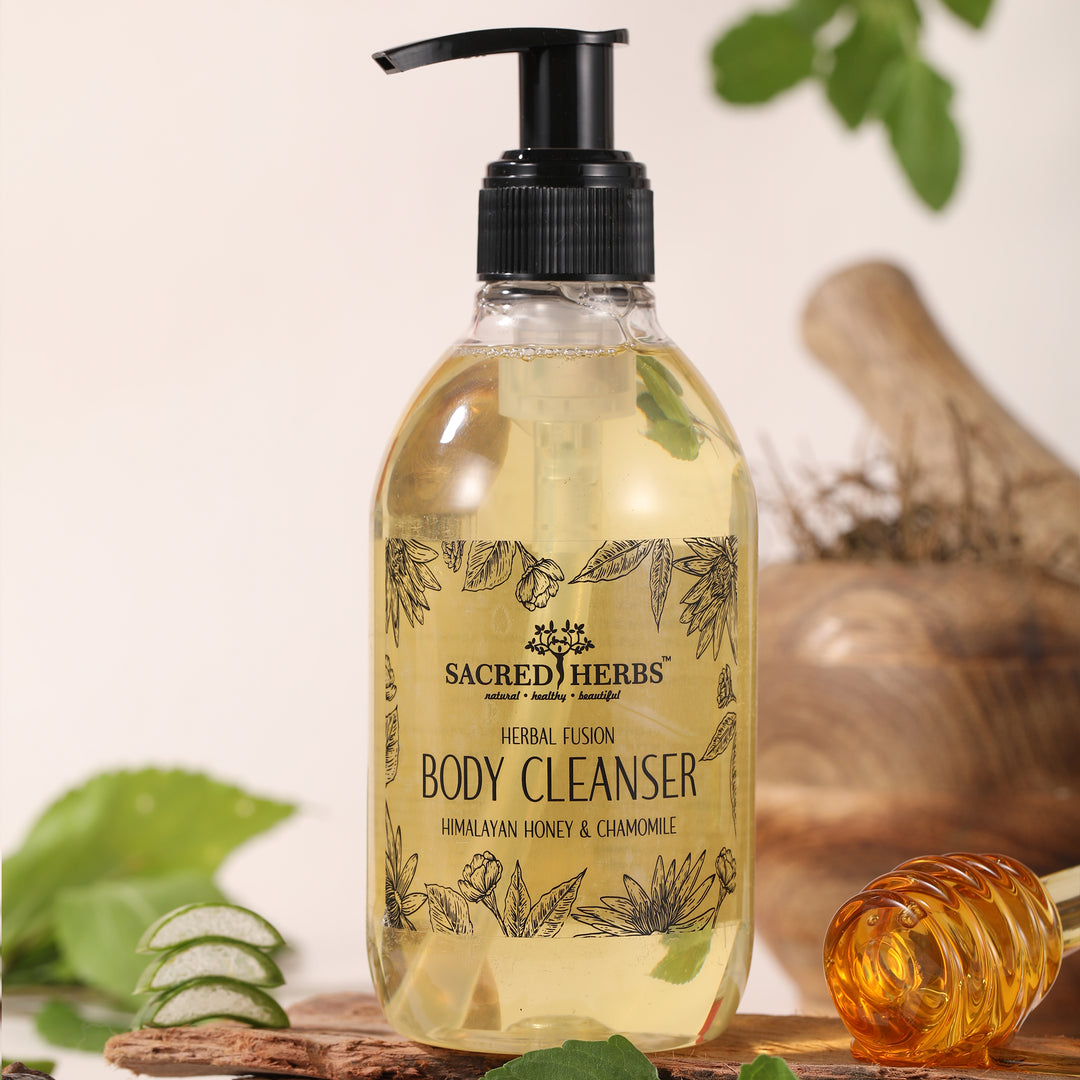
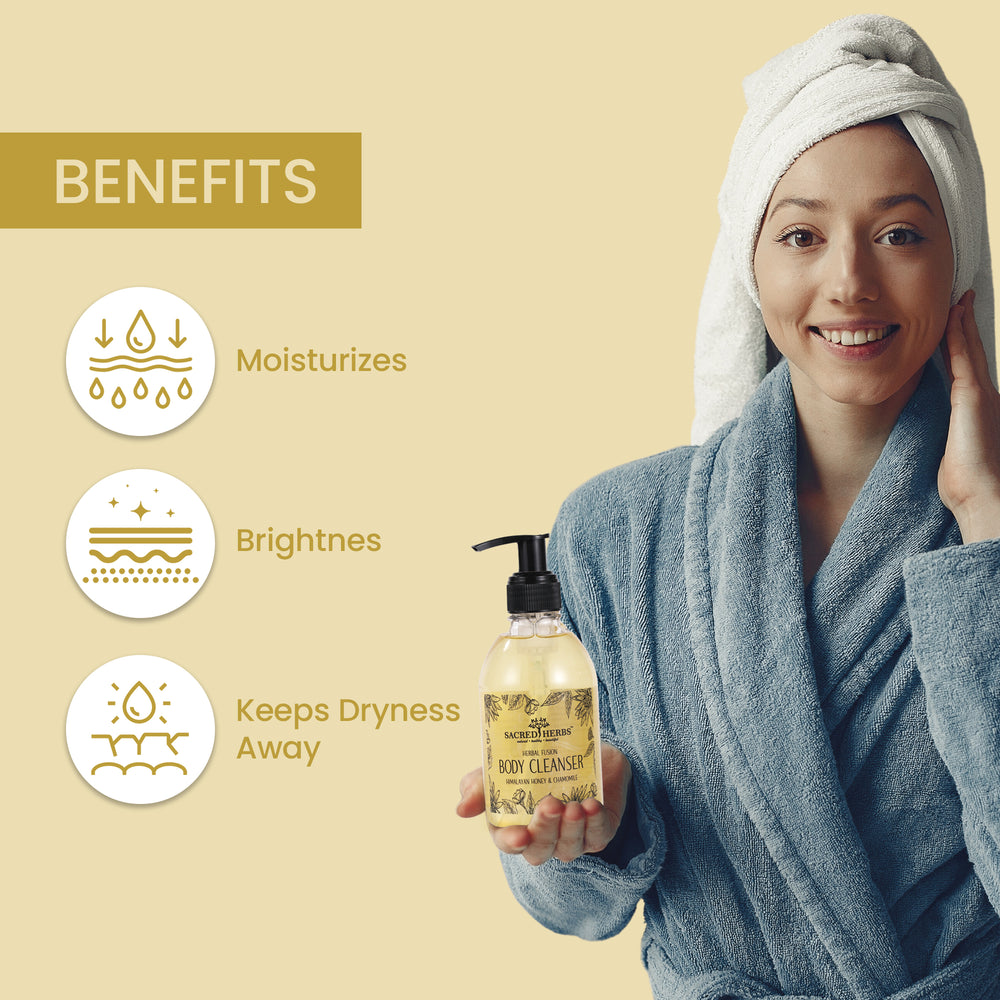
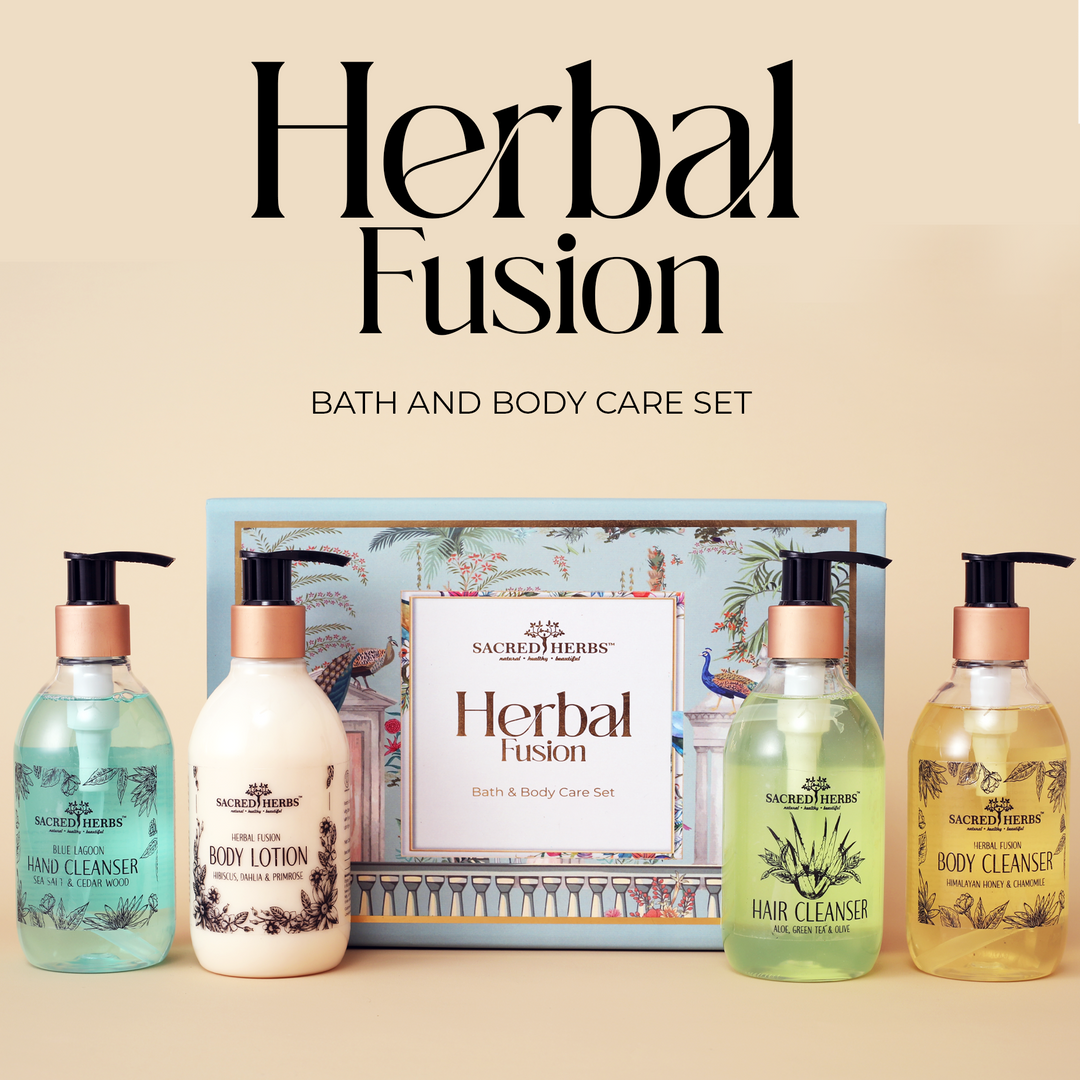
If you prefer botanical, plant-derived formulations, your best cleanser reflects that. The Body collection at Sacred Herbs is built around botanical ingredients for those who want naturally derived body care that respects the skin barrier.
The Non-Negotiables That Apply to Everyone
While "best" is personal, a few standards apply universally. Whatever your skin type and climate, your best cleanser should:
-
Respect the skin barrier. It should leave skin clean but comfortable, never tight or squeaky.
-
Rinse clean without residue. A film left behind causes buildup and can clog.
-
Avoid harsh sulfates for daily use, especially for anyone with dry or sensitive skin.
-
Be free of aggressive irritants, particularly high synthetic fragrance for sensitive skin.
-
Have a skin-friendly pH, close to the skin's natural slightly acidic range.
A cleanser that fails these, no matter how well it suits your type on paper, is not your best.
The Label Test That Finds Your Cleanser
Standing in front of the shelf, run this check:
-
Flip to the ingredient list
-
Check the first few surfactants. Sulfates high in the list are a caution, especially for dry or sensitive skin.
-
Look for moisturizing ingredients like glycerin, aloe, or botanical oils
-
For sensitive skin, confirm fragrance is absent or near the end of the list
-
Match the format to your climate: gel for humid, cream for dry
-
For botanical preference, confirm plant-derived ingredients feature prominently
Sixty seconds of this beats sixty reviews of someone else's experience.
How to Test Whether a Cleanser Is Right for You
Once you have chosen based on criteria, confirm through use:
-
The first week: Does your skin feel clean but comfortable after each use, or tight and dry?
-
The first two weeks: Any increase in dryness, irritation, or breakouts signals a mismatch.
-
The month mark: Skin that feels balanced, comfortable, and healthy confirms a good fit.
If skin feels tight, itchy, or more reactive, the cleanser is wrong for you regardless of its reputation, and it is worth switching.
The Bigger Routine Your Cleanser Fits Into
Your best cleanser works within a complete skin and personal care routine:
-
Lukewarm water washing, never hot
-
Gentle application without harsh scrubbing
-
Thorough rinsing
-
Moisturizing while skin is still slightly damp
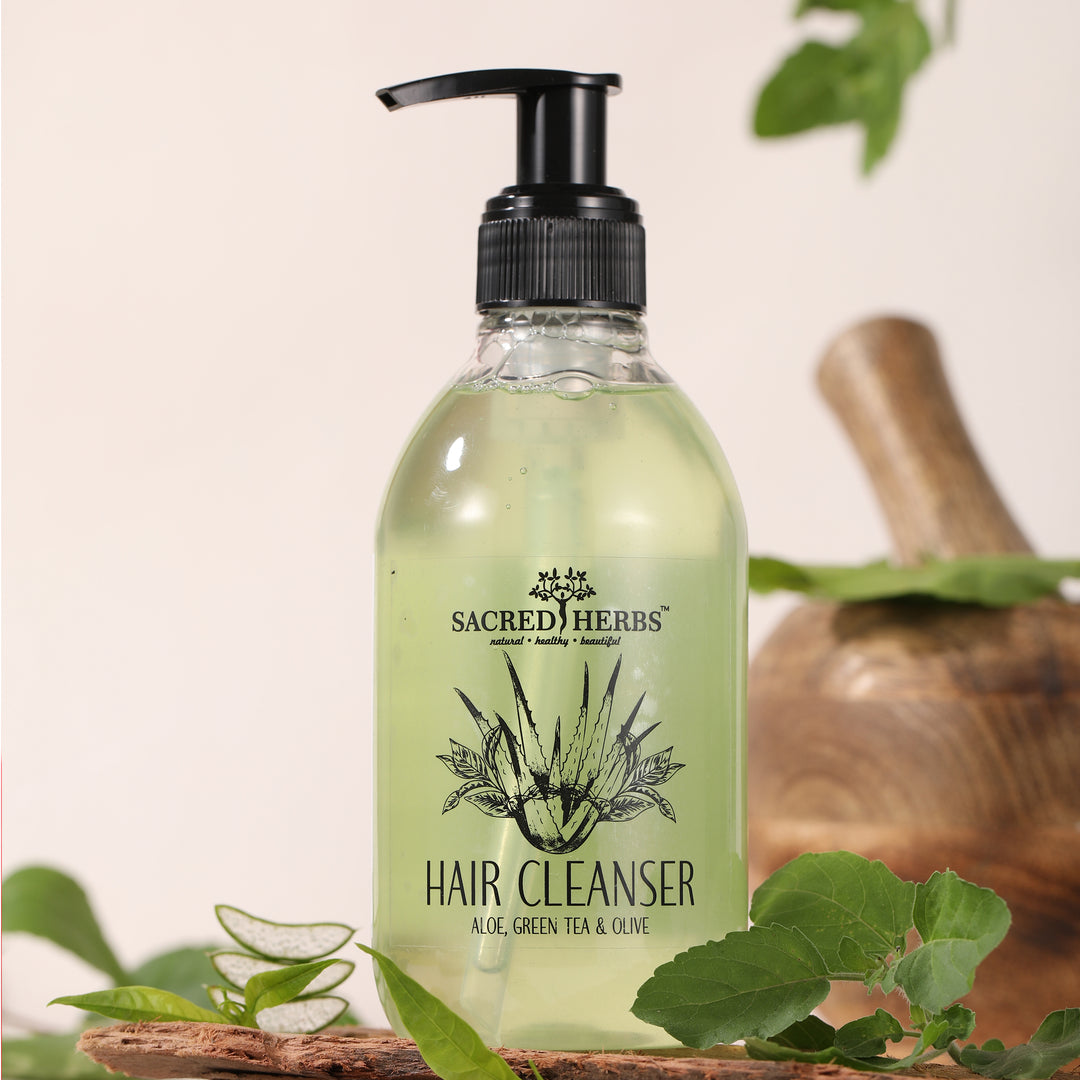
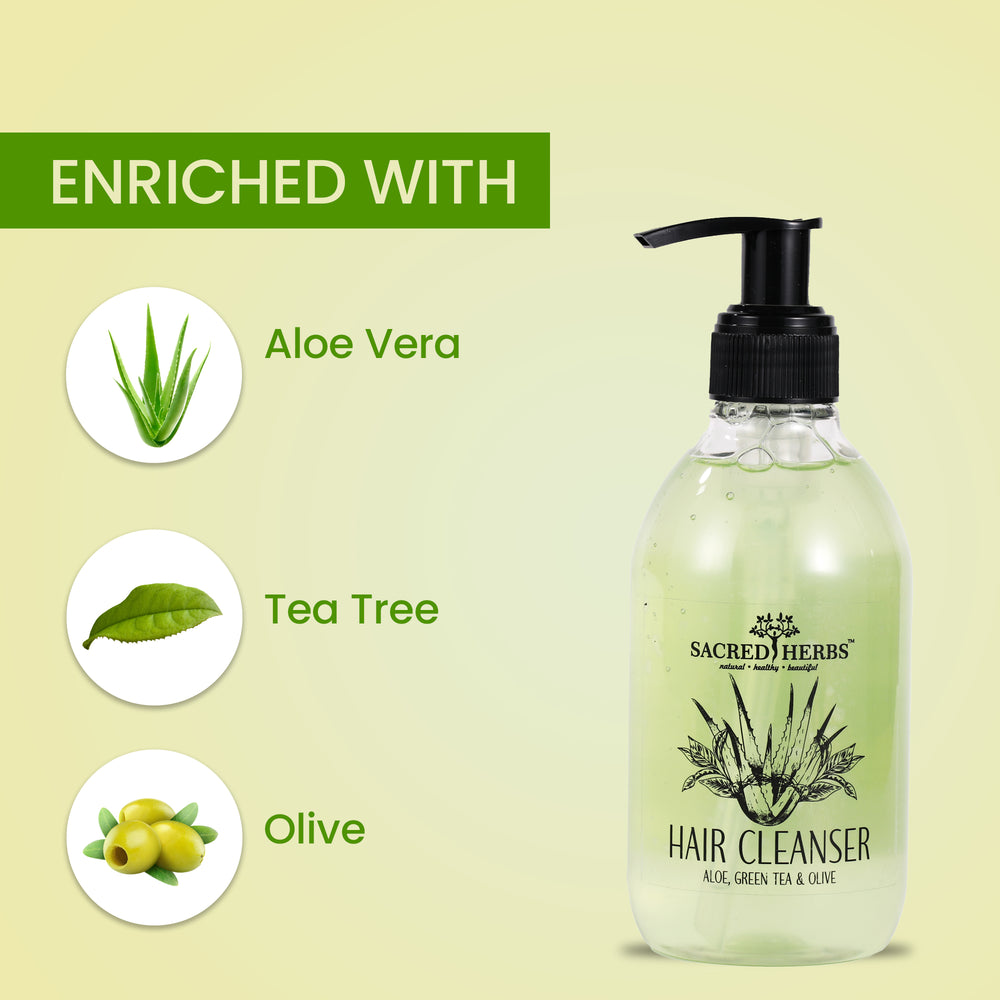
For those building a consistent botanical routine across hair and body, the same ingredient philosophy applies throughout. The Hair Care collection at Sacred Herbs shares this botanical foundation, and the Super Premium Pack brings coordinated botanical products together for those who want a unified approach.
Frequently Asked Questions
Q: Is there one best body cleanser for everyone?
No. The best cleanser depends on your skin type, climate, and concerns. What suits one person may strip or irritate another.
Q: How do I know if a cleanser is right for my skin?
It should leave skin clean but comfortable, not tight. Watch for dryness or irritation over the first two weeks as signs of a mismatch.
Q: Should my body cleanser change with the seasons?
It often should. Lighter formulas suit humid and hot months; richer, more moisturizing ones suit dry winters.
Q: Are botanical body cleansers better?
They appeal to those preferring plant-derived ingredients and are often gentle. What matters most is matching the formula to your skin and needs.
Q: What makes a cleanser bad for my skin?
Harsh sulfates, high fragrance, drying alcohols, and a stripping formula that leaves skin tight are common culprits, especially for dry or sensitive skin.
Q: How long should I test a new cleanser?
Give it two to four weeks. Comfortable, balanced skin confirms a good fit; tightness or irritation signals the wrong choice.