


Anti-Hair Fall Shampoo
Anti-Hair Fall Shampoo: What Works, Key Ingredients & How to Use It
Every morning, you look at the shower drain and count. The clumps.... Read More
Anti-Hair Fall Shampoo: What Works, Key Ingredients & How to Use It
Every morning, you look at the shower drain and count. The clumps. The strands wrapped around your fingers. The slow, creeping panic that what is falling out today is not going to grow back tomorrow.
You have probably tried several shampoos by now. Each one promised to stop hair fall. Some smelled great. A few even tingled. But the hair kept falling.
The problem is rarely the shampoo's fault alone. More often, it is that people do not understand what an anti-hair fall shampoo actually does, what to look for in one, and how to use it correctly so it has any chance of working. This guide covers all three.
Understanding Hair Fall: Why the Root Cause Matters
Before you can choose the right shampoo, you need to understand what is causing your hair to fall. Hair fall has several common triggers, and a shampoo that addresses one trigger may do nothing for another.
The most common causes of excessive hair fall include:
-
Scalp inflammation caused by harsh surfactants or chemical buildup
-
Nutrient deficiency at the follicle level, particularly iron, biotin, and zinc
-
DHT sensitivity, where a hormone shrinks the hair follicle over time
-
Mechanical damage from heat, over-brushing, or tight hairstyles
-
Post-illness or post-pregnancy telogen effluvium, a temporary but alarming phase of mass shedding
-
A compromised scalp microbiome from overuse of antibacterial or high-pH products
An anti-hair-fall shampoo works best when the cause is scalp-related: inflammation, clogged follicles, or a weakened root environment. If the cause is internal (nutritional or hormonal), a shampoo alone will not be enough. But even then, the right shampoo creates a healthier environment that supports whatever internal treatment you pursue.
The Ingredients That Actually Reduce Hair Fall
Most anti-hair fall shampoos rely on one or two hero ingredients. The best ones combine several actives that work on different parts of the problem simultaneously.
Rosemary Extract
Rosemary is one of the most researched botanical actives for hair fall. A study published in SkinMed Journal compared rosemary oil to minoxidil (the gold standard pharmaceutical for hair fall) over six months. The results were nearly identical in terms of hair count improvement. Rosemary works by improving scalp microcirculation, which means more blood and nutrients reach the follicle. It also has mild DHT-blocking properties and reduces scalp inflammation.
Methi Dana (Fenugreek Seed)
Methi dana has been used in Indian hair care for centuries, and modern research supports its use. Fenugreek seeds are rich in lecithin, which strengthens the hair shaft, and contain diosgenin, a compound that mimics estrogen and has been linked to improved hair growth. They also coat the scalp with a protective layer that reduces friction and breakage.
Biotin (Vitamin B7)
Biotin is essential for the production of keratin, the structural protein that makes up your hair. While biotin deficiency is rarer than brands suggest, a shampoo that delivers biotin topically can still support follicle strength, particularly in people who wash their hair frequently or live in high-pollution environments.
Caffeine
Caffeine in shampoo sounds like a marketing gimmick, but there is genuine science behind it. Caffeine has been shown to counteract the effects of DHT on hair follicles and stimulate follicle metabolism. It also extends the anagen (growth) phase of the hair cycle, meaning hair stays in the growing phase longer before shedding.
Saw Palmetto
This botanical extract is the natural equivalent of finasteride in its mechanism. It inhibits the enzyme (5-alpha reductase) that converts testosterone to DHT. It is particularly useful for people experiencing pattern hair fall.
What an Anti Hair Fall Shampoo Cannot Do (And What You Should Combine It With)
A shampoo is a rinse-off product. It spends two to three minutes on your scalp before being washed away. That limits how deeply it can penetrate and how long its actives can work.
To get the most from an anti-hair fall shampoo, combine it with:
-
A leave-in serum that keeps actives on the scalp between washes. A rosemary-based post-wash leave-in serum, for example, continues working on follicle circulation after you step out of the shower.
-
A pre-wash scalp oil that loosens buildup and prepares the follicle to absorb the shampoo's actives more effectively. Herbal scalp oils with tulsi, rosemary, and cold-pressed carrier oils are ideal.
-
A conditioner that is free of silicones and waxes, so the active ingredients from the shampoo are not sealed away from the scalp by occlusive residue.
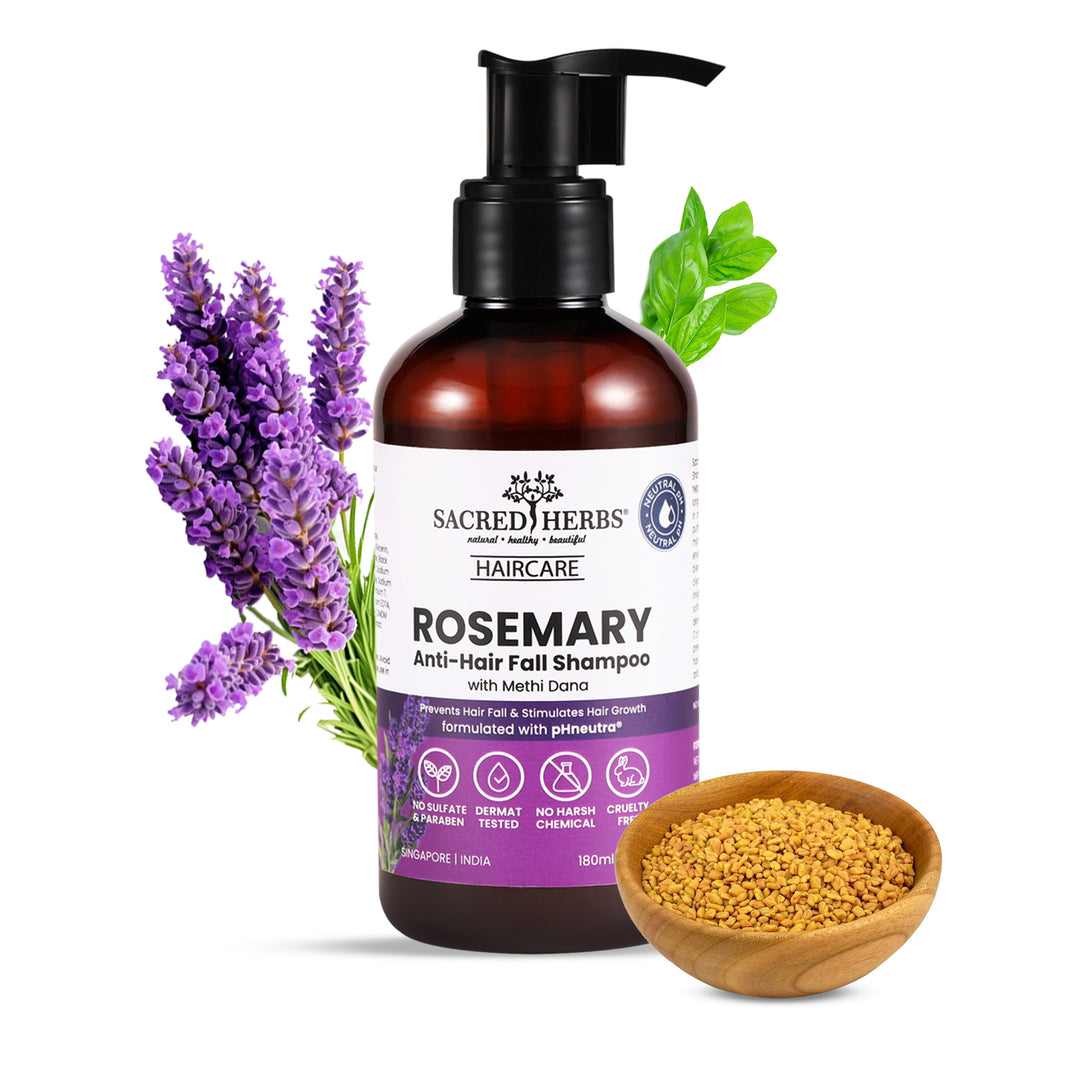
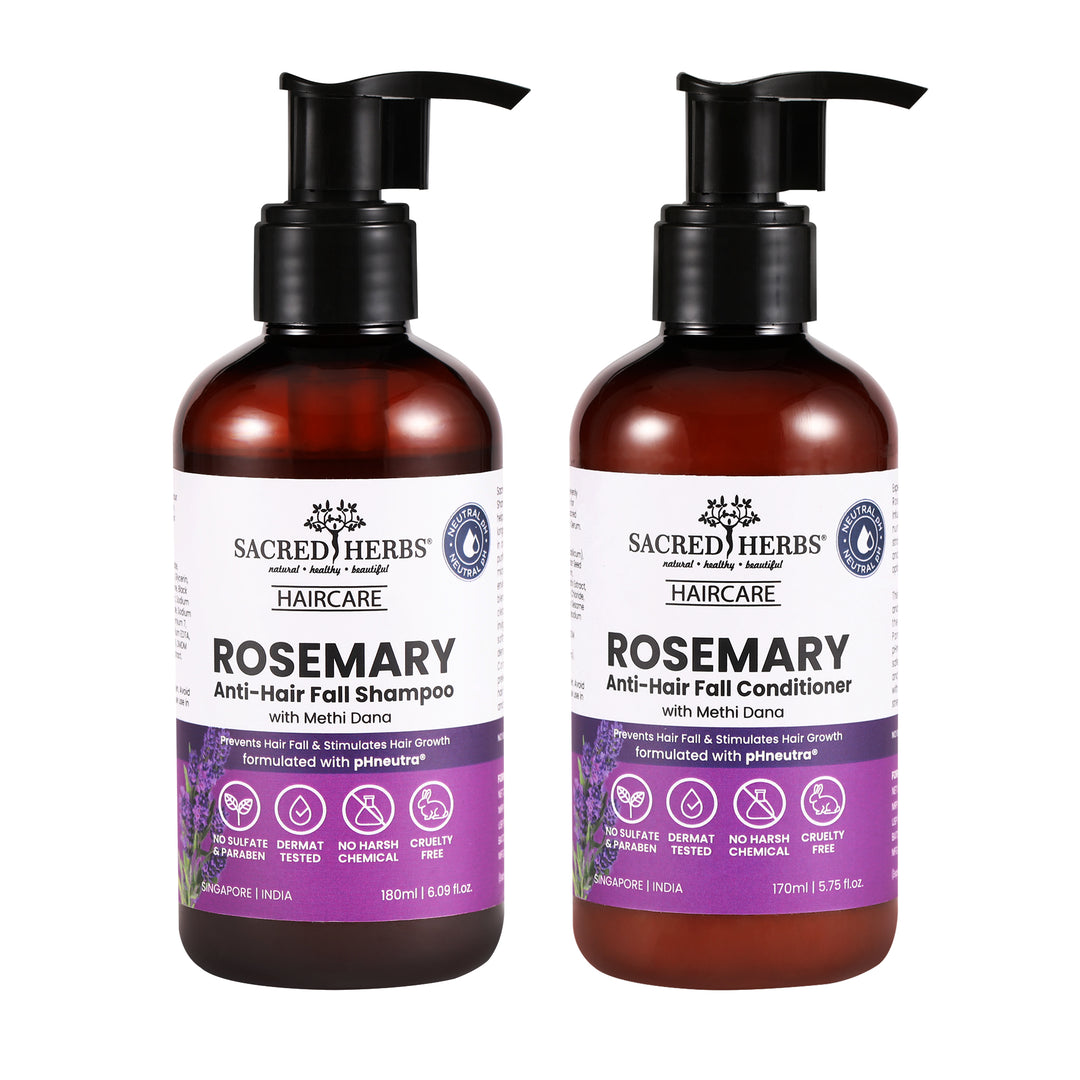
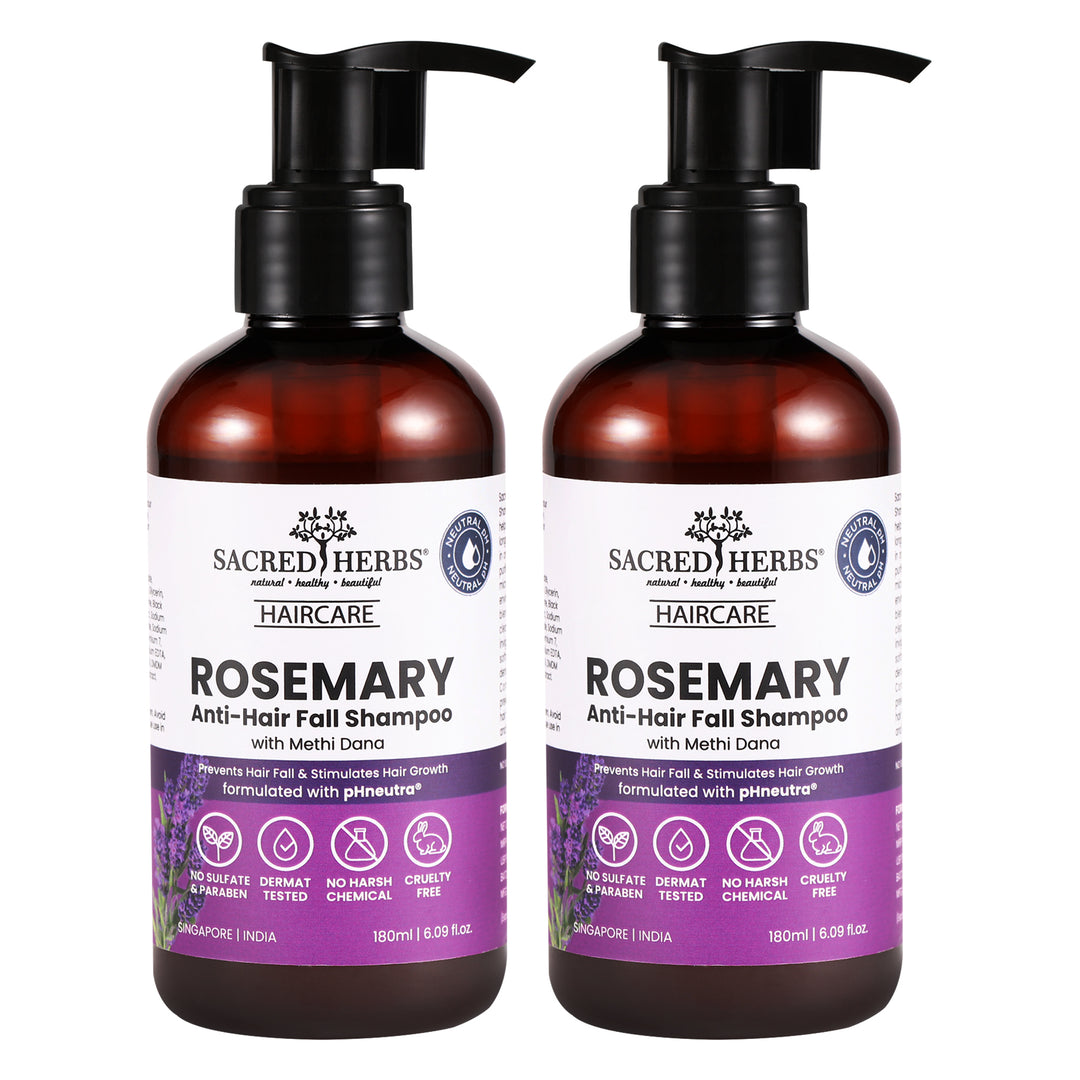
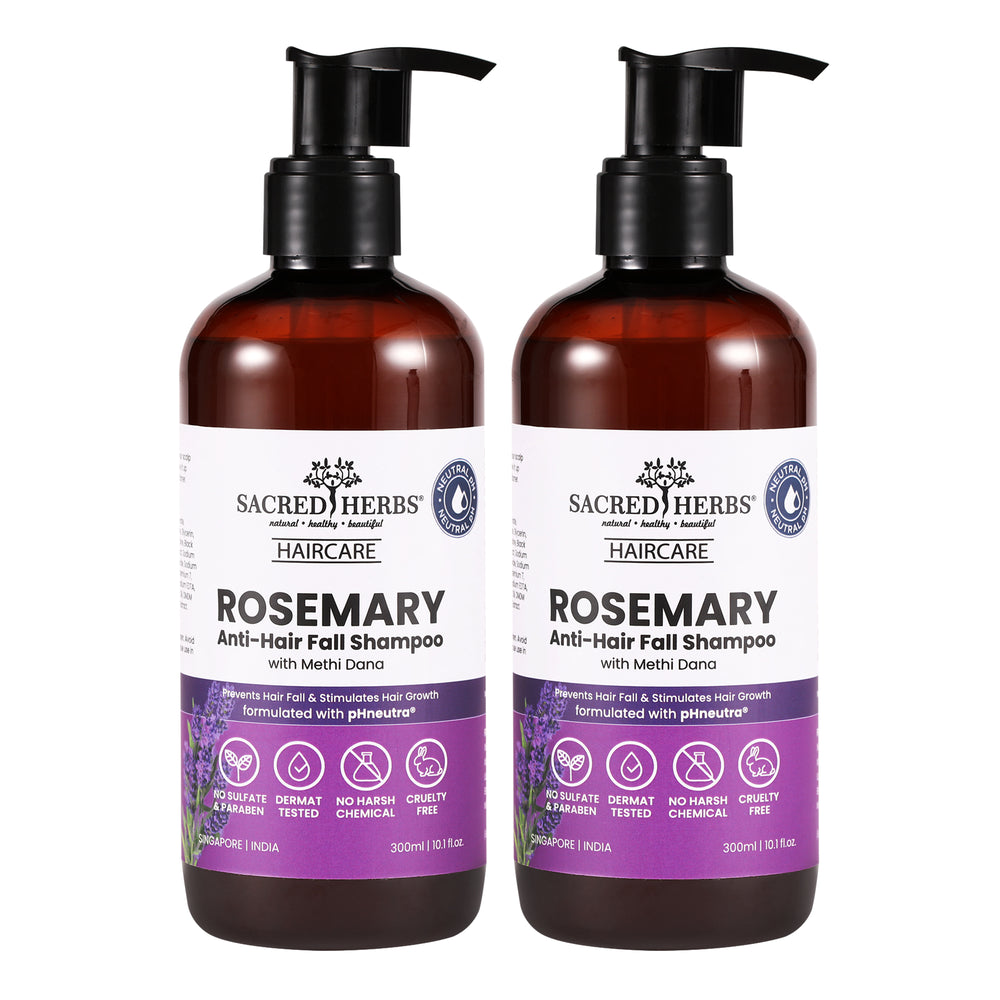
Sacred Herbs offers a complete Rosemary Anti Hair Fall Series that includes shampoo, conditioner, serum, and pre-wash oil, all formulated to work together as a system.
How to Use an Anti Hair Fall Shampoo Correctly
This is where most people go wrong. They use a good shampoo incorrectly and then blame the product when results do not come.
Step 1: Apply to the Scalp, Not Just the Hair
Anti-hair fall actives work at the follicle level. If you apply shampoo only to the lengths of your hair and rinse, very little of the product reaches your scalp. Massage the shampoo directly into your scalp using your fingertips (not nails). Use circular motions.
Step 2: Leave It on for Two to Three Minutes
Most people apply shampoo and rinse within 30 seconds. Give the actives time to penetrate. Two to three minutes of contact time makes a meaningful difference in how much benefit you get.
Step 3: Rinse with Lukewarm Water
Hot water opens the cuticle aggressively and strips natural oils. It also increases scalp inflammation. Lukewarm water is enough to remove product while keeping the scalp's lipid barrier intact.
Step 4: Follow with a Complementary Conditioner
Apply conditioner mainly to the mid-lengths and ends, avoiding the scalp unless the product specifically instructs otherwise.
Step 5: Be Consistent and Patient
Hair grows at about 1.25 cm per month. The follicle response to anti-hair fall treatment typically becomes visible after 90 to 120 days of consistent use. Do not switch products at the four-week mark. Give the system time to work.
How Often Should You Wash?
Washing frequency is a personal decision based on scalp type, lifestyle, and climate. In general:
-
Oily scalp: 3 to 4 times per week
-
Normal scalp: 2 to 3 times per week
-
Dry or sensitive scalp: 2 times per week
Over-washing strips the scalp's natural oils, triggers overproduction of sebum as a compensatory response, and can worsen inflammation. Under-washing allows product, sebum, and pollution to block follicles.
What to Avoid When Buying an Anti Hair Fall Shampoo
Not all anti-hair fall shampoos are created equal. Some use buzzword ingredients in such small concentrations that they have no real effect. Others include harsh chemicals that counteract whatever benefits the actives provide.
Avoid shampoos that contain:
-
Sodium lauryl sulphate (SLS) or sodium laureth sulphate (SLES) in high concentrations. These are aggressive surfactants that strip the scalp's protective barrier and worsen inflammation.
-
Parabens. These preservatives have been associated with hormonal disruption, which is the last thing you want if DHT is already a problem.
-
Silicones (dimethicone, cyclomethicone). Great for instant smoothness, bad for long-term follicle health.
-
Synthetic fragrance. A common cause of contact dermatitis and scalp irritation, especially in people with sensitive scalps.
If you want to explore a comprehensive range of hair care products that avoid these ingredients, the Hair Care Collection at Sacred Herbs is formulated with botanical actives and without harsh chemicals.
FAQ
How long does it take for an anti-hair fall shampoo to show results?
Most people see a noticeable reduction in hair fall between 8 to 12 weeks of consistent use. Full results, including improved density, can take up to six months.
Can men and women both use the same anti-hair fall shampoo?
Yes. The primary mechanisms of hair fall (DHT sensitivity, scalp inflammation, nutritional deficiency) are the same across genders. Shampoos formulated with rosemary, methi dana, and biotin work for both men and women.
Is it normal to see more hair fall in the first few weeks of using a new anti-hair fall shampoo?
Some people experience a brief increase in shedding during the first two to four weeks. This is because actives like rosemary can push dormant follicles into an active cycle, temporarily shedding old, weak hairs to make room for new growth. This is called the transition shedding phase.
Can I use an anti-hair fall shampoo if I colour my hair?
Yes, but look for a shampoo that is also colour-safe. Sulphate-heavy anti-hair-fall shampoos can strip colour. Botanical-based or sulphate-free versions are compatible with coloured hair.
Should I apply conditioner to my scalp too?
No. Conditioner should be applied to the mid-lengths and ends of the hair only. Applying conditioner to the scalp can clog follicles and reduce the effectiveness of the shampoo's actives.
Does water quality affect hair fall?
Yes. Hard water contains high levels of calcium and magnesium that deposit on the hair and scalp, create buildup, and interfere with the effectiveness of hair care products. If you live in an area with hard water, consider using a chelating shampoo once a week to remove mineral deposits.