


: 7 Things to Look For




Best Shampoo for Dry Hair: 7 Things to Look For
Many people believe hair is only clean when it squeaks. That squeaky, tiSulphate-free shampoos use milder cleansing agents...... Read More
Best Shampoo for Dry Hair: 7 Things to Look For
Many people believe hair is only clean when it squeaks. That squeaky, tiSulphate-free shampoos use milder cleansing agents... They clean the scalp without leaving the lengths parched. ght feeling after rinsing seems like proof the shampoo did its job. For dry hair, it actually means the shampoo has done too much and stripped away the natural oils your hair needs to stay soft.
Dry hair has very little moisture to spare. A harsh shampoo can leave it rough, dull, and tangled before you've even picked up a comb. The best shampoo for dry hair cleans the scalp properly while leaving the lengths as hydrated as possible.
This guide sets out the seven qualities that separate a good shampoo for dry hair from one that makes the problem worse, so you can judge any bottle on the shelf for yourself.
What Causes Dry Hair?
Hair gets its moisture protection from sebum, the natural oil your scalp produces. Sebum travels down the hair from the root, coating the cuticle and sealing in moisture. Several things can disrupt this:
-
Hair texture: Curly and wavy hair makes it harder for sebum to travel down the strand, so the ends dry out first.
-
Length: On long hair, the ends are months or years old and have had the longest exposure to sun, styling, and washing.
-
Heat styling: Straighteners and hot blow-drying lift the cuticle and let moisture escape.
-
Chemical processing: Bleach and ammonia-based dyes open the cuticle, leaving hair more porous.
-
Environment: Sun, hard water, low humidity, and air conditioning all draw moisture out.
-
Washing habits: Harsh shampoos and very hot water strip the protective oils away.
The last point is the one you can control most easily, which is why choosing the right shampoo matters so much.
The 7 Qualities of the Best Shampoo for Dry Hair
1. It Is Sulphate-Free
Sodium lauryl sulphate and sodium laureth sulphate are strong detergents that create lots of foam. They clean very effectively, but they also strip away the oils that dry hair can't afford to lose.
Sulphate-free shampoos use milder cleansing agents, such as coco glucoside, decyl glucoside, or cocamidopropyl betaine. They clean the scalp without leaving the lengths parched. They foam less, but less foam doesn't mean less clean.
2. It Contains Humectants
Humectants are ingredients that attract and hold water. In a shampoo for dry hair, look for:
-
Glycerin
-
Aloe vera
-
Panthenol (provitamin B5)
-
Honey or plant-derived sugars
These help hair keep some moisture through the washing process instead of losing it all down the drain.
3. It Includes Nourishing Oils or Butters
Some shampoos include plant oils, butters or other conditioning agents to improve softness and reduce friction. Their effectiveness depends on how the ingredients are incorporated into the formula. Good options include:
-
Argan oil
-
Coconut oil
-
Shea butter
-
Almond oil
These shouldn't make the formula heavy. They just add a protective touch so hair feels soft rather than stripped after rinsing.
4. It Has a Gentle, Balanced pH
Hair and scalp are naturally slightly acidic. Strongly alkaline products lift the cuticle, which lets moisture escape and makes hair feel rough. A shampoo with a mild, balanced pH helps the cuticle lie flatter, so hair feels smoother and holds moisture better.
5. It Uses Herbal Extracts That Soothe and Soften
Many traditional herbs suit dry hair well:
-
Hibiscus: Natural mucilage adds slip and softness.
-
Brahmi: Traditionally used to calm the scalp and condition hair.
-
Amla: Rich in antioxidants and used to support hair strength.
-
Shikakai and reetha: Natural saponins that cleanse gently.
Botanical ingredients such as hibiscus, aloe vera and certain traditional herbs may contribute to conditioning or scalp-care formulations. However, the presence of herbal extracts does not automatically make a shampoo gentler or more moisturising.
6. It Is Light on Fragrance and Alcohol
If your scalp is sensitive, consider a fragrance-free or low-fragrance shampoo. Some volatile alcohols may feel drying in certain formulations, while fatty alcohols such as cetyl and stearyl alcohol are commonly used as beneficial conditioning ingredients. They are moisturising and perfectly fine in a dry hair formula.
7. It Suits Color-Treated Hair
Many people with dry hair also color it, and colored hair needs extra care. A shampoo for dry hair should be gentle enough not to strip color, which brings us back to sulphate-free formulas.
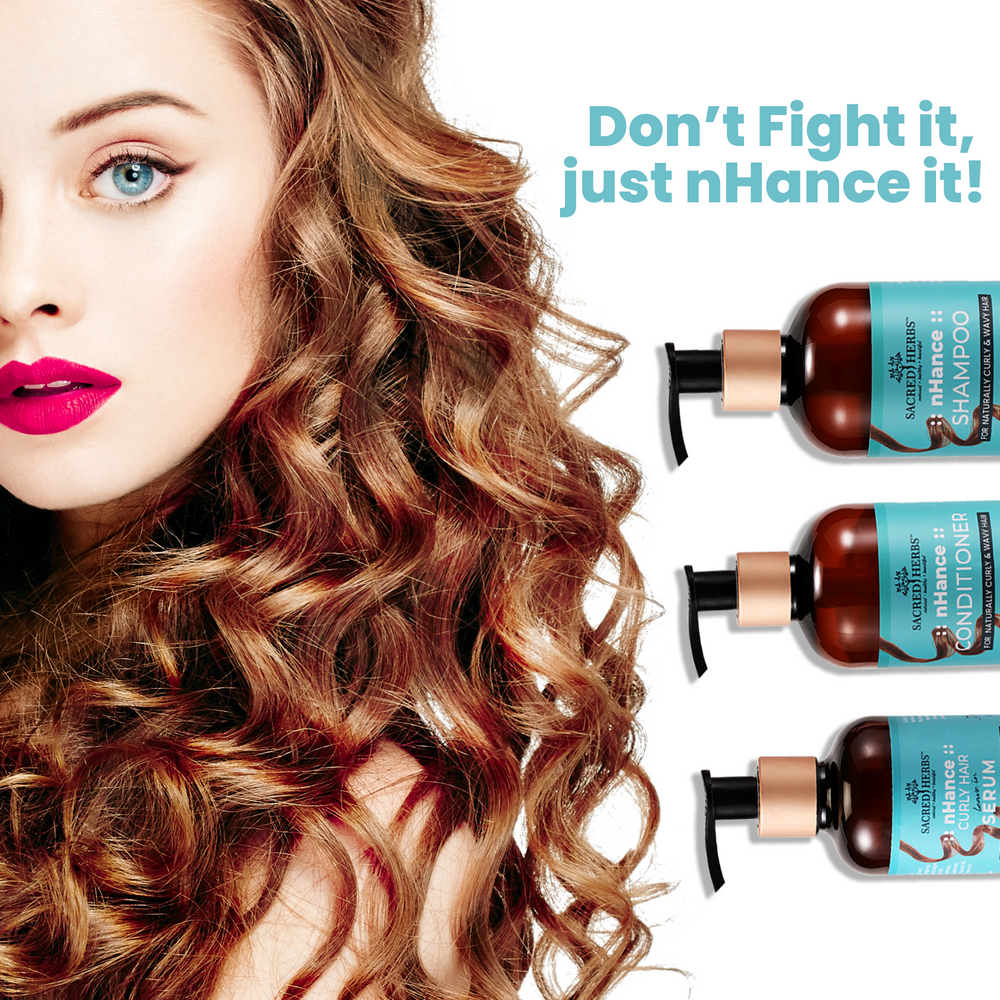
The Sacred Herbs hair care collection is built around this kind of gentle, herb-led cleansing, suitable for both dry and color-treated hair.
Don't Let Your Hair Color Undo Your Shampoo
You can choose the perfect shampoo and still struggle with dryness if your hair color strips moisture every month. Conventional dyes use ammonia to force the cuticle open, and repeated sessions leave hair increasingly porous and dry.
Sacred Herbs takes a gentler approach. It is India's first pH-neutral hair color, made with pHneutra technology and powered by 20+ herbal extracts. It contains no PPD, no ammonia, no bleach, and no resorcinol, and it is dermatologically tested. NanoAlgaPigment technology delivers 100% grey coverage, and the color lasts up to 4 weeks. You can explore the Sacred Herbs hair color range.
A few aftercare points help dry hair stay soft around coloring:
-
Leave the color on for 35 minutes in summer and 45 minutes in winter.
-
Wash with a sulphate-free shampoo after coloring.
-
Avoid oil for at least one week after coloring.
-
Use Sacred Herbs Root Sure Root Touch-up Powder between sessions, so you're not recoloring your whole head too often.
The Super Premium Pack includes a sulphate-free shampoo and conditioner with the color, so the right aftercare is ready from day one.
How to Wash Dry Hair the Right Way
Even the best shampoo for dry hair can't make up for a harsh washing technique. Follow these steps:
-
Wet hair thoroughly with lukewarm water. Hot water strips oils faster.
-
Use a small amount of shampoo. A coin-sized amount is enough for most hair lengths.
-
Focus on the scalp. Massage gently with your fingertips. The lengths get cleaned as the shampoo rinses through.
-
Skip the second wash unless your scalp is very oily or you've used heavy styling products.
-
Rinse well, then always follow with conditioner on the mid-lengths and ends.
-
Pat dry gently with a soft towel instead of rubbing.
How Often Should You Wash Dry Hair?
Most people with dry hair do well washing two to three times a week. Washing every day, even with a gentle shampoo, can keep removing the little natural oil the hair has.
If your scalp gets oily quickly but your ends are dry, wash as often as your scalp needs, but keep the shampoo on your scalp and protect your ends with conditioner.
Conclusion
Next time you're standing in front of a shelf of shampoos, run through a short checklist. Is it sulphate-free? Does it contain humectants like glycerin or aloe? Are there nourishing oils or herbal extracts high in the ingredient list? Is it light on fragrance and suitable for color-treated hair? If the answer to all four is yes, you've found a strong candidate for the best shampoo for dry hair.
Frequently Asked Questions
What is the best shampoo for dry hair?
The best choice is a sulphate-free shampoo with humectants, nourishing oils, and gentle herbal extracts that clean the scalp without stripping the lengths.
Are sulphate-free shampoos better for dry hair?
Yes. They clean with milder agents, so hair keeps more of its natural oils and moisture.
How often should I wash dry hair?
Two to three times a week suits most people. Daily washing can make dryness worse.
Why does my hair feel dry right after washing?
Your shampoo may be too harsh or your water too hot. Switch to a sulphate-free formula and lukewarm water.
Can I use a dry hair shampoo on color-treated hair?
Yes, as long as it's sulphate-free. This also helps protect your color for longer.
Do I still need conditioner if I use a moisturising shampoo?
Yes. Shampoo cleans, while conditioner smooths the cuticle and seals in moisture.